



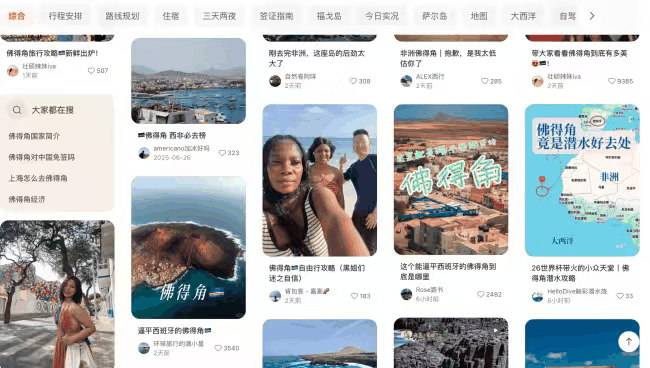
The World Cup has put Cape Verde in the spotlight, and Chinese users on Xiaohongshu have become the first to share travel guides.


Have you ever heard of Cape Verde before?
Most people haven't. But in the opening match of the 2026 World Cup, Cape Verde drew 0-0 with Spain, with 40-year-old goalkeeper Vozinha making seven saves that stunned the world. This small West African island became an overnight sensation. Searches related to Cape Verde on Xiaohongshu skyrocketed by 2700 times in just half a day.
Then something interesting happened—the Chinese who had already been living in Cape Verde began posting content densely on Xiaohongshu. Travel guides, local daily life, stories of Chinese entrepreneurs—various perspectives started appearing. Netizens remarked: Chinese people are spread evenly across the globe; wherever a place becomes popular, a human guide emerges.
During this World Cup, similar stories have repeated themselves time and again. Curaçao goalkeeper Room made 15 saves, setting a new record, and this small Caribbean island quickly gained fame. Notes about Curaçao on Xiaohongshu started pouring in. Searches for Ecuador, Haiti, and Paraguay also grew rapidly, with travel bloggers and local Chinese becoming traffic hubs.
The World Cup is turning into an ever-expanding world map. Through a single match, people begin to learn about a country, a culture, or a corner of the globe they had never noticed geographically.
This kind of content spreads fastest on Xiaohongshu. Because it is inherently a place for sharing life, the real stories from local Chinese are more trustworthy than any guide website.
Watching matches in free 4K, exploding comment sections when a goal is scored, and continuing to browse guides after the game—the experience of watching this World Cup is far richer than before.


Wonderfulshortvideo
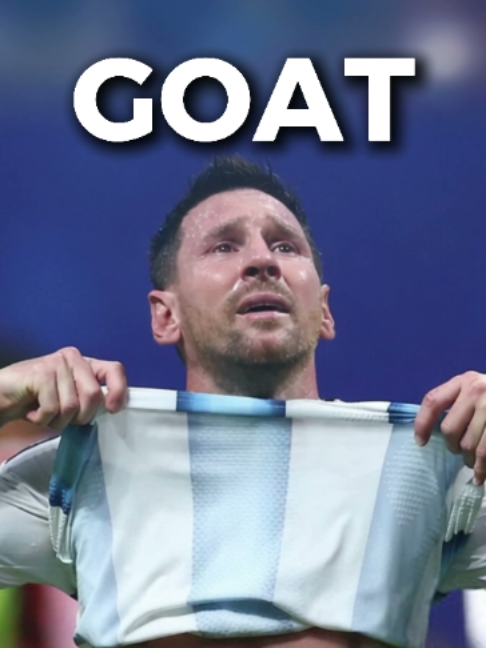
messi goal today messi assist today messi highlights vs egypt enzo fernandez goal today romero goal today argentina goals today argentina 3-2 egypt


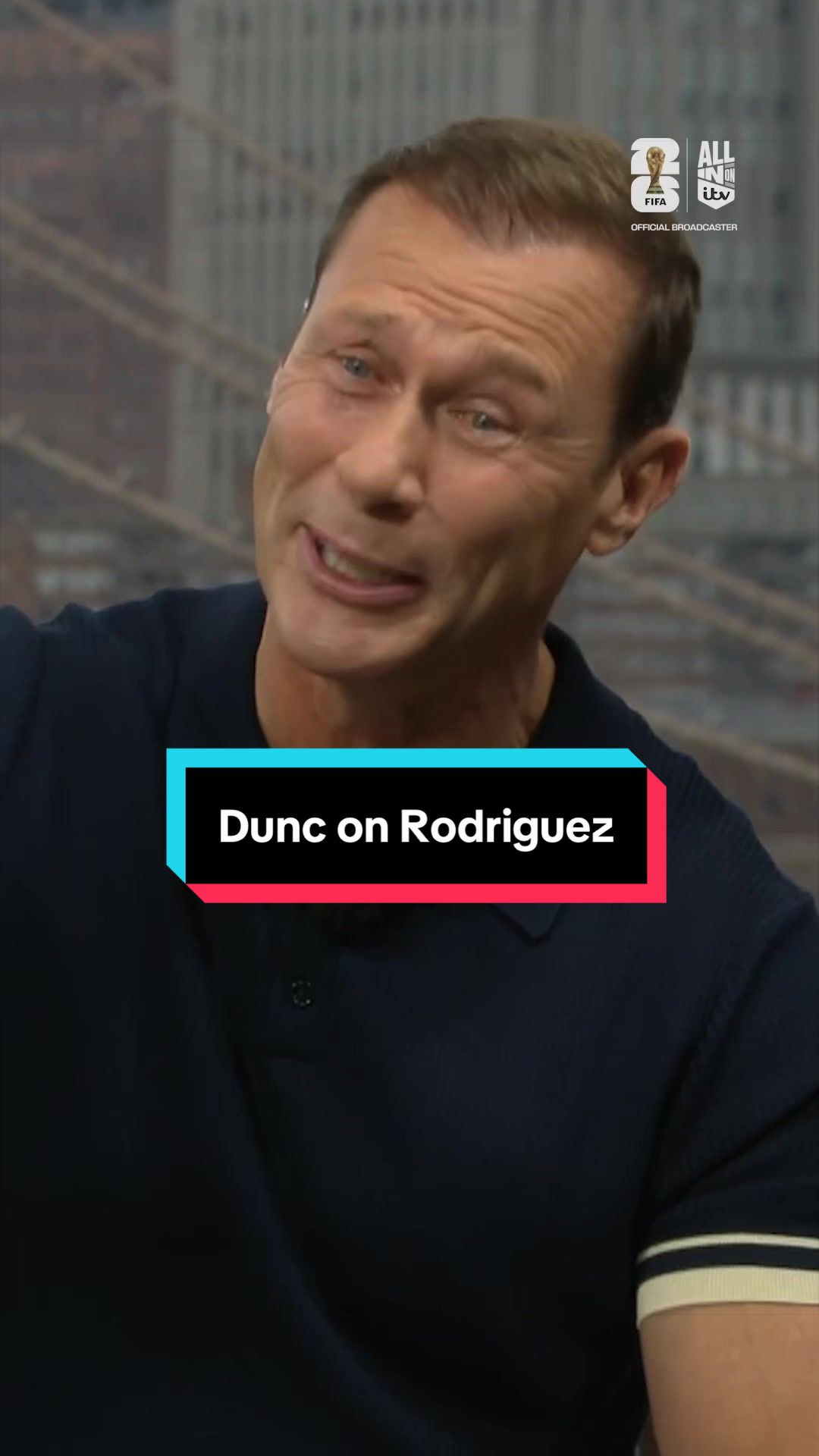
“Wonderful player, fantastic player, could not run” 😅
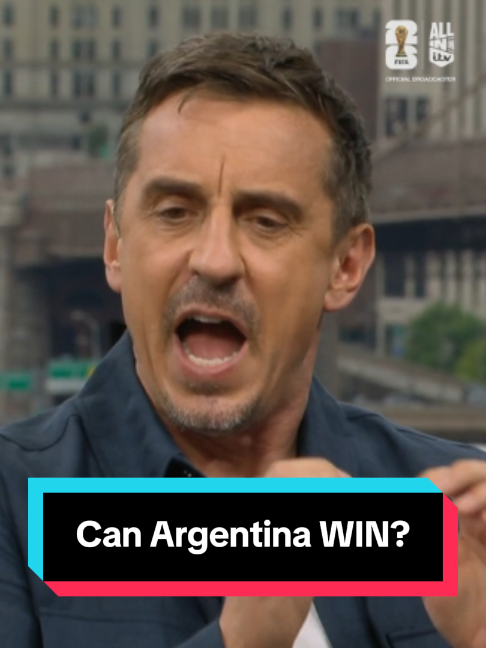
Neville, Keane and Wright DO NOT agree on the future of Argentina in the World Cup 👀
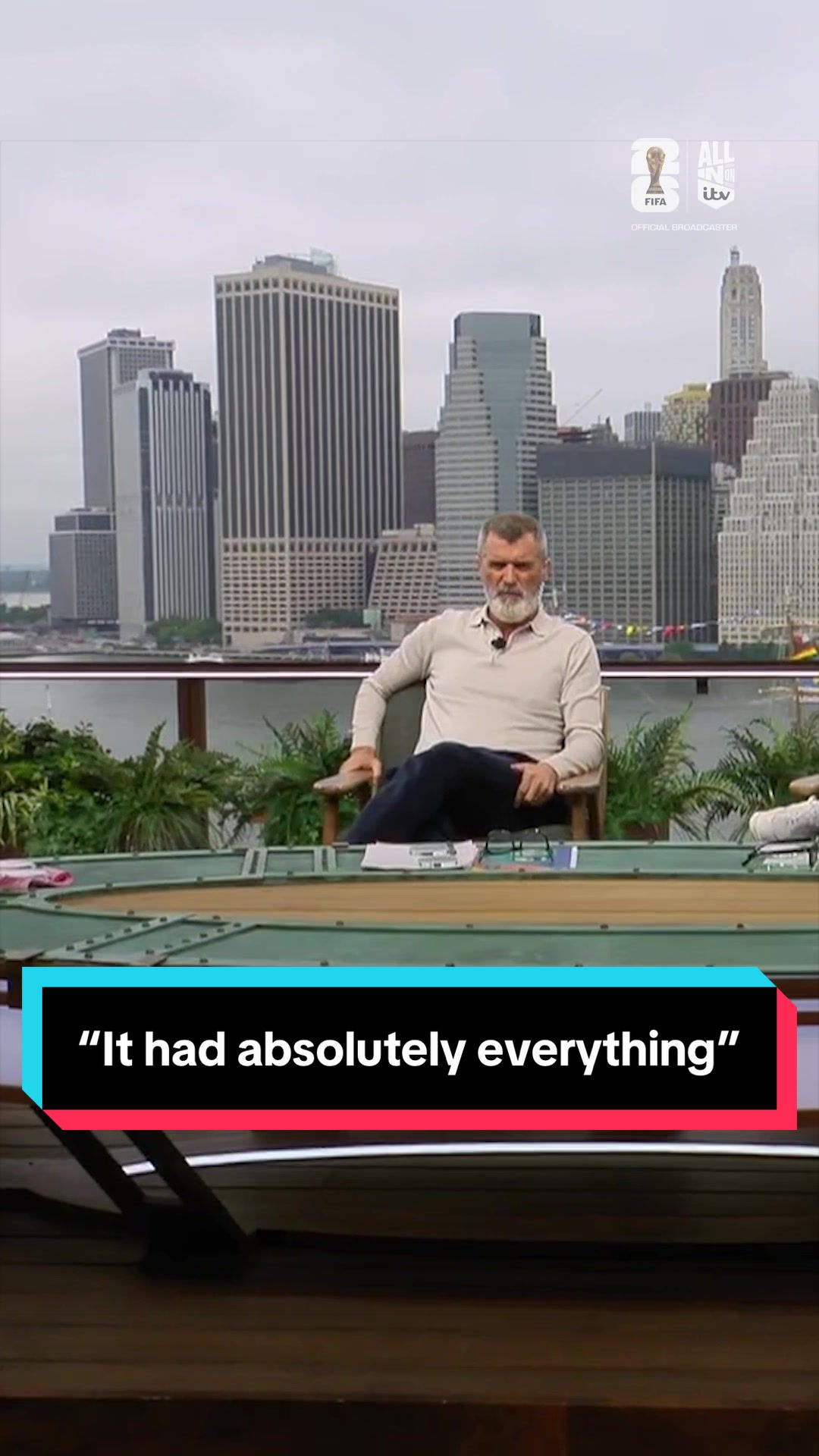
“It gave you everything” 👀
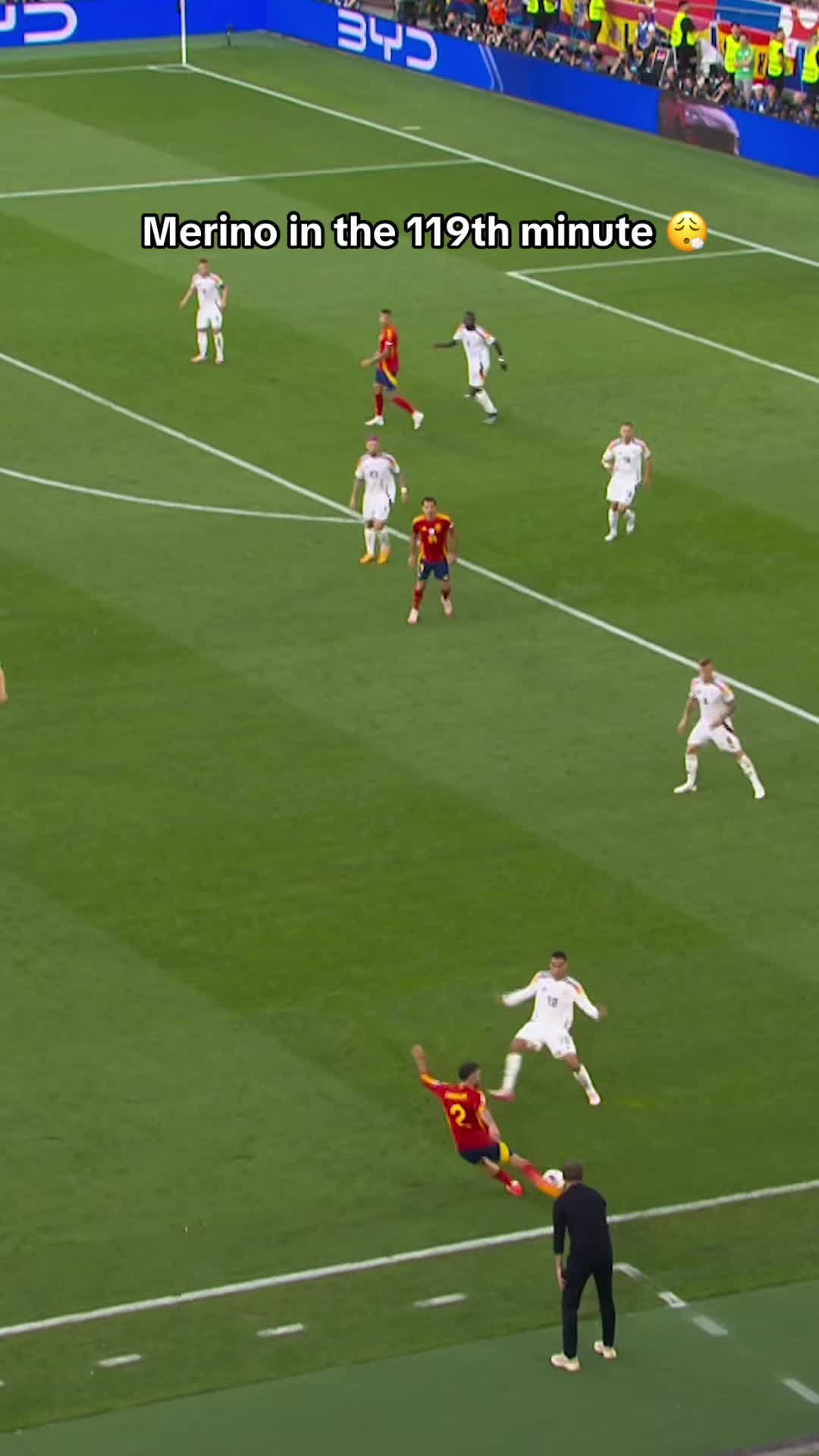
Clutch Merino 😮💨
merino goal today portugal 0-1 spain ronaldo interview today ronaldo retirement retiring
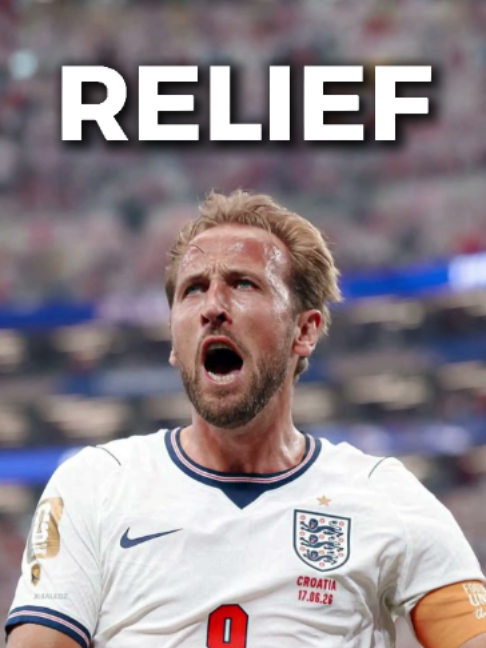
kane goal today kane highlights today england 2-1 congo
 Links
Links
 Contact
 App
App


