



World Cup 2026: A Regretful Journey for Asian Teams in the Group Stage



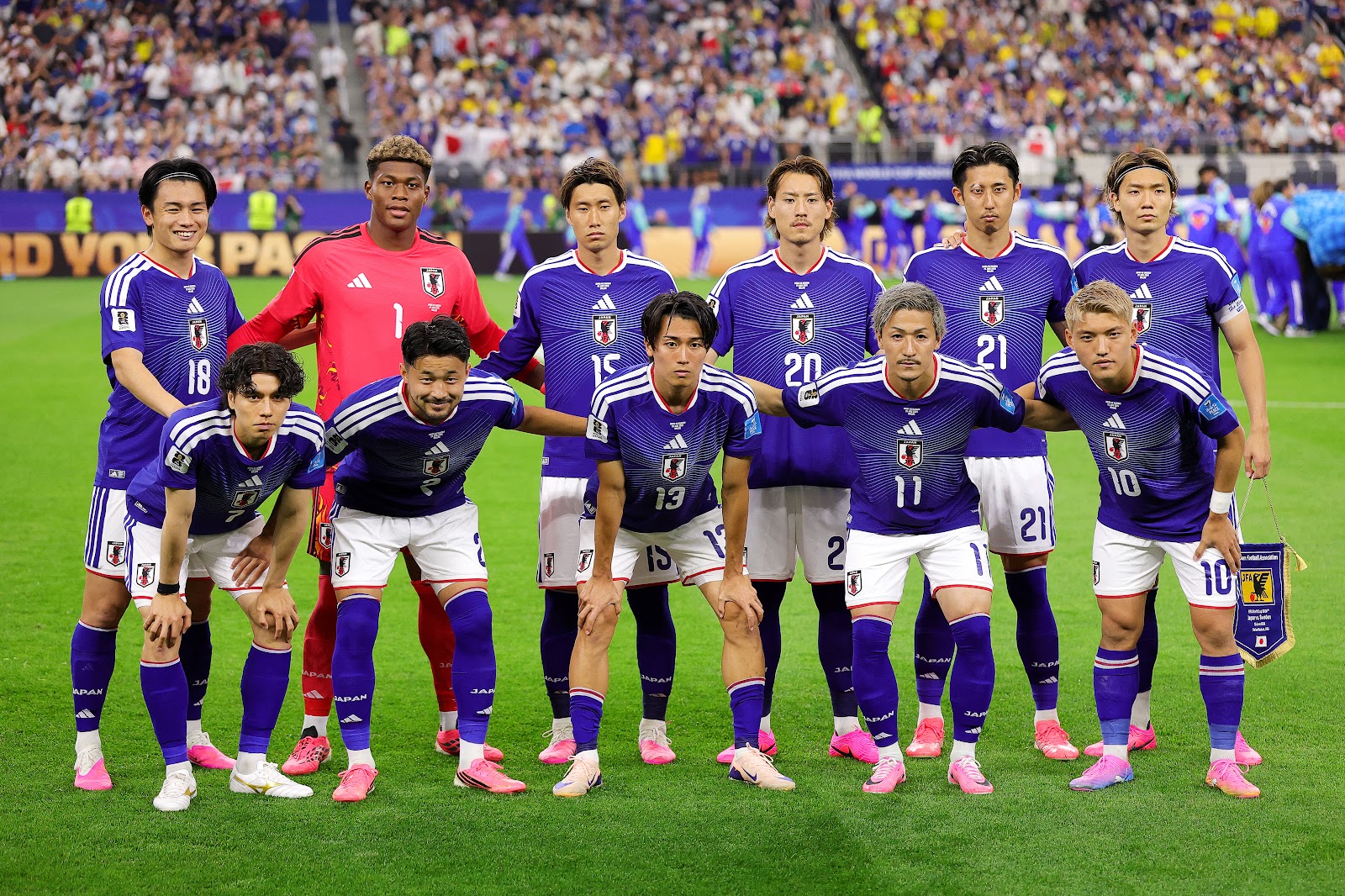
According to news agency CNA, this marks a step back from the previous World Cup, where 3 out of 6 AFC teams—Japan, South Korea, and Australia—made it past the group stage. The tournament's expansion from 32 to 48 teams was expected to give Asian representatives more opportunities to go further, but reality did not meet expectations.
Let's take a look back at the journey of Asian teams in the 2026 World Cup.
South Korea (Group A)
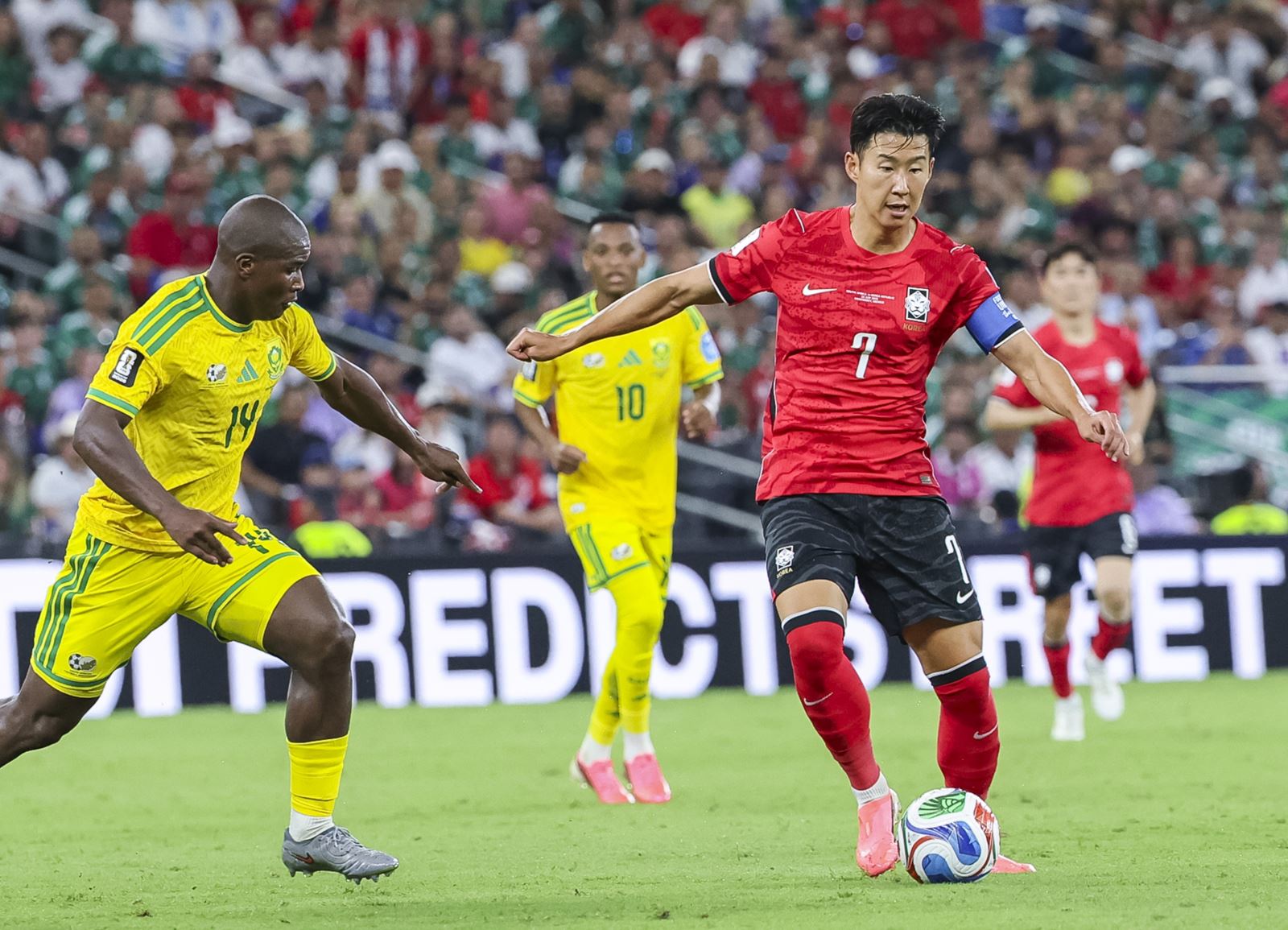
Drawn into a group with Mexico, Czech Republic, and South Africa, South Korea was considered to have a good chance of reaching the knockout stage.
The "Taeguk Warriors" started enthusiastically with a 2-1 comeback victory over the Czech Republic. Although the margin was just one goal, their fast-paced and attacking performance raised expectations.
However, things quickly turned around in the next match. Against Mexico, South Korea struggled, and a mistake by goalkeeper Kim Seung-gyu cost them a narrow 0-1 defeat.
Heading into the final group match, coach Hong Myung-bo's side only needed a draw against South Africa to advance. Yet, a lifeless performance led to a 0-1 loss, forfeiting their fate.
Although there was still hope of reaching the knockout stage as one of the eight best third-placed teams, South Korea did not get favorable results from other groups and had to stop.
The pressure thus falls heavily on coach Hong Myung-bo, who had already been controversial since his appointment. He faced criticism for a series of puzzling personnel decisions, notably playing Son Heung-min as a center-forward instead of his preferred position in the first two matches, before unexpectedly benching the captain for the decisive game against South Africa.
Qatar (Group B)
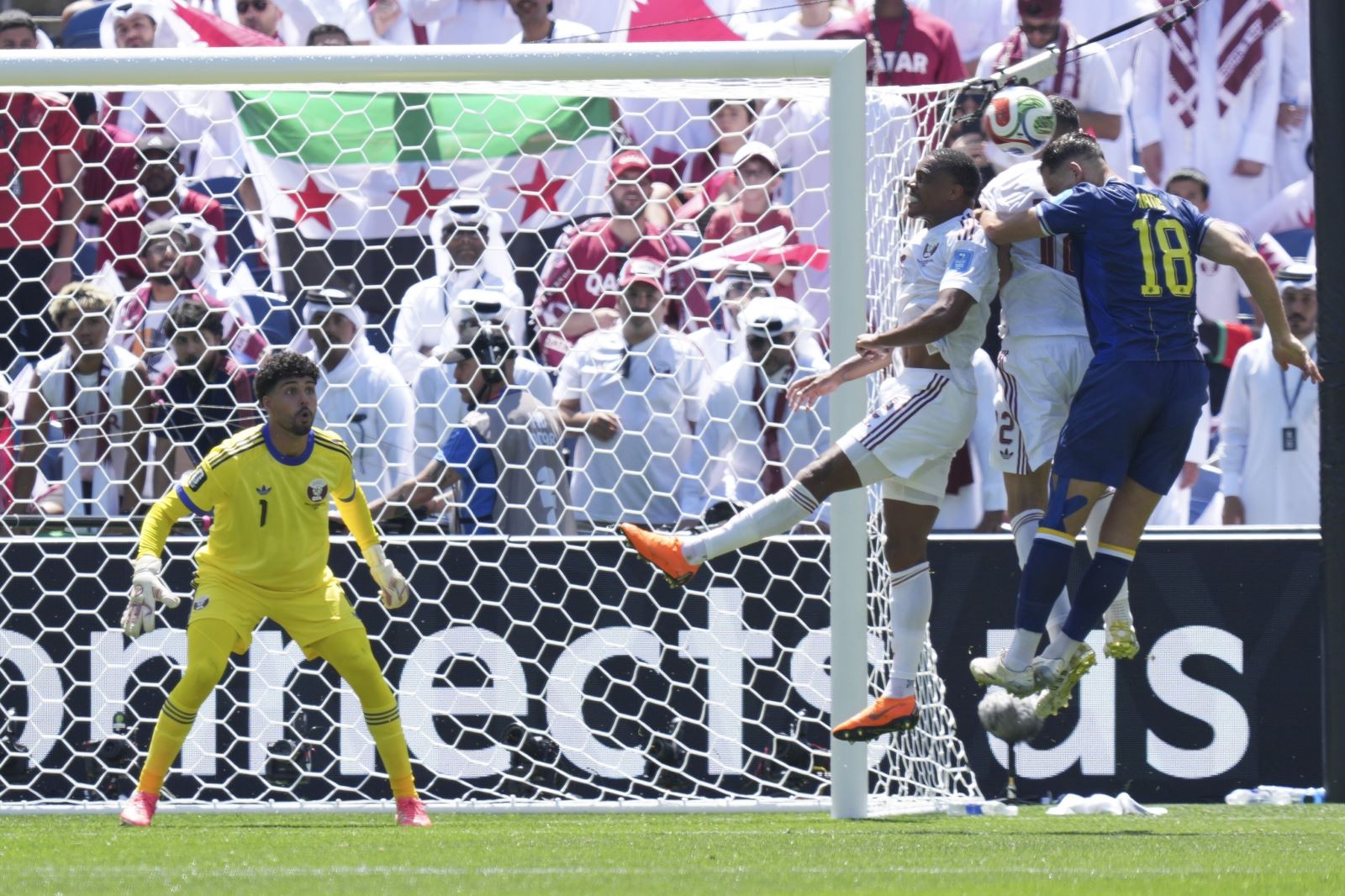
Qatar got off to a promising start, securing a point against Switzerland with a stoppage-time equalizer. However, the situation quickly spiraled out of control in the second match.
Already trailing Canada by two goals, a red card for Homam Ahmed pushed Qatar further into trouble. Then, Assim Madibo also left the pitch after a dangerous foul on Ismael Kone, leaving the West Asian team to suffer a heavy 0-6 defeat.
Nevertheless, Qatar still had their fate in their own hands before the final match. A win over Bosnia and Herzegovina would secure advancement.
But the West Asian side only managed a consolation goal after trailing 0-2 and failed to generate enough pressure to turn things around, accepting a 1-3 loss and exiting at the group stage.
Australia (Group D)
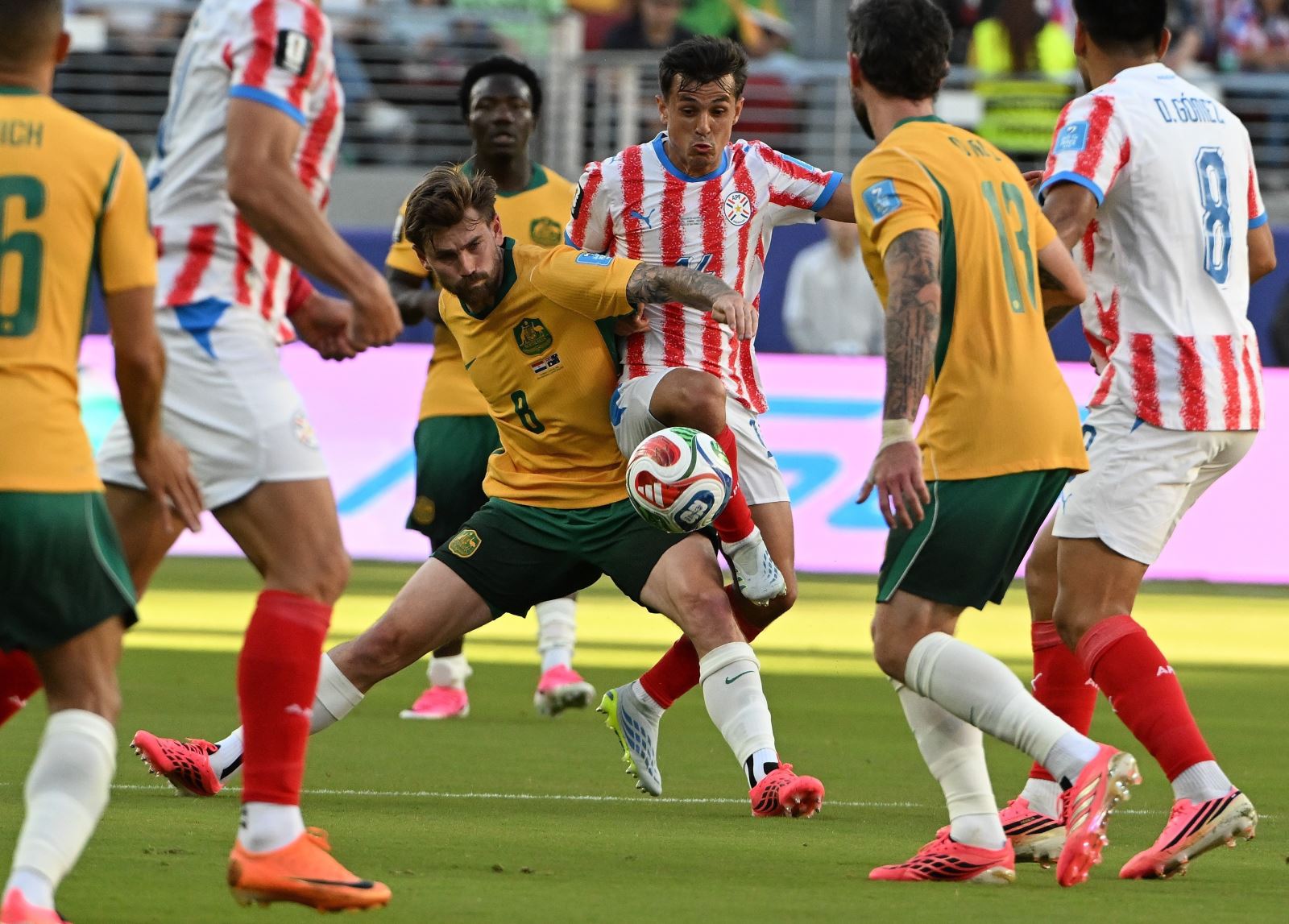
Australia experienced contrasting performances throughout the group stage but still achieved their goal of reaching the round of 32.
In their opening match against Turkey, coach Tony Popovic's side executed a well-thought-out strategy. Despite having less possession and fewer scoring chances, Australia made the most of their opportunities, winning with goals from Nestory Irankunda and Connor Metcalfe.
In the clash against co-host USA, Australia could not maintain that image. The decision to bench both goal scorers from the opening match did not pay off, as the US secured a convincing 2-0 victory.
In the final group game, a goalless draw against Paraguay was enough for Australia to secure second place in the group and book a spot in the knockout stage, where they will face Egypt.
Japan (Group F)
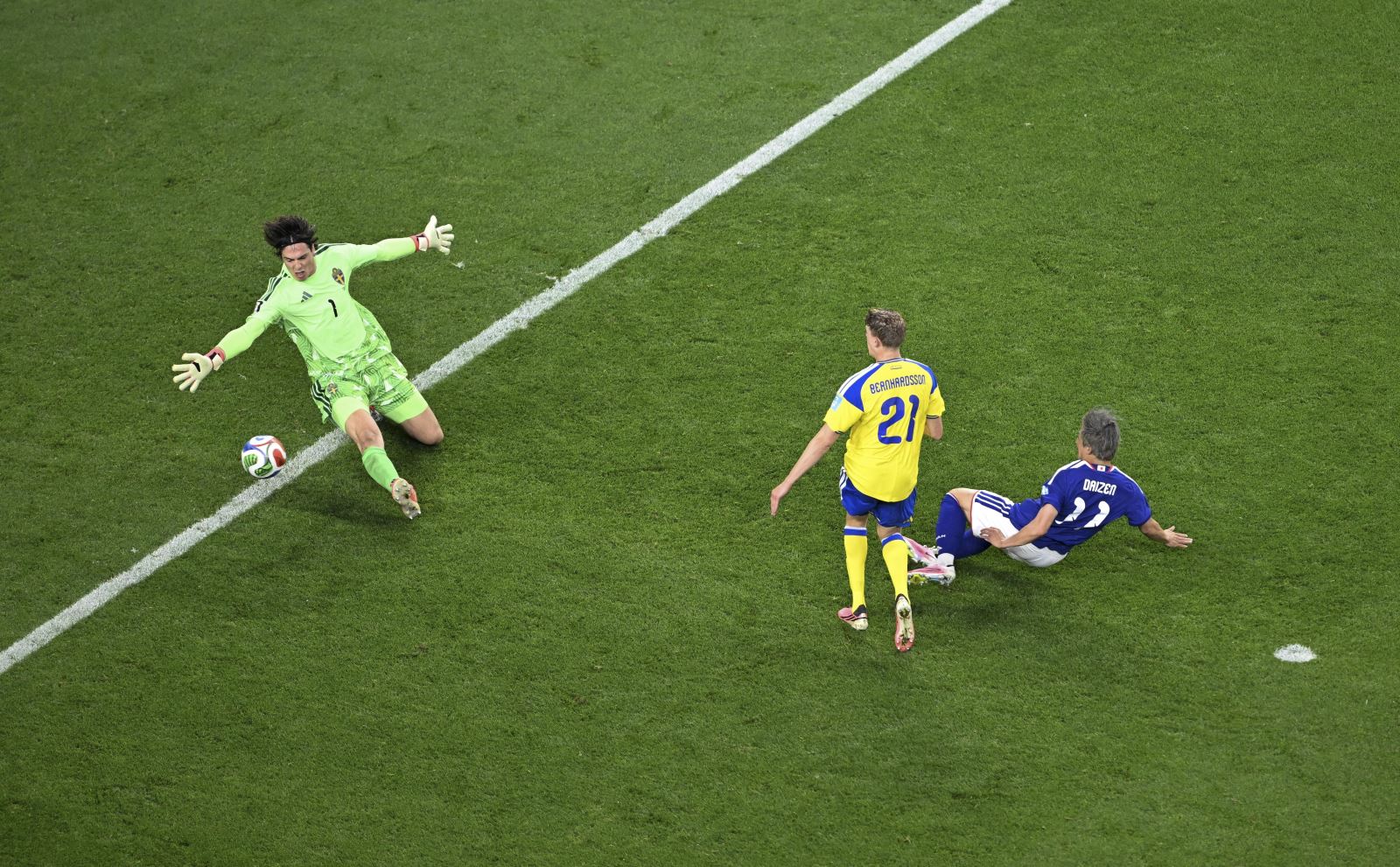
Japan generally lived up to their status as Asia's most highly-rated team.
In their opening match, coach Hajime Moriyasu's squad showed their resilience, twice coming from behind against the Netherlands to earn a valuable point.
They maintained their momentum with a dominant 4-0 win over Tunisia, securing their place in the knockout stage early.
The only minor blemish was a 1-1 draw with Sweden in the final group match after Anthony Elanga equalized. This result meant Japan finished second in the group and had to face Brazil in the round of 32.
Nevertheless, the "Blue Samurai" remain a tough team to beat. They defeated Brazil 3-2 in a friendly last year and have every reason to believe they can create another unpredictable contest.
Iran (Group G)
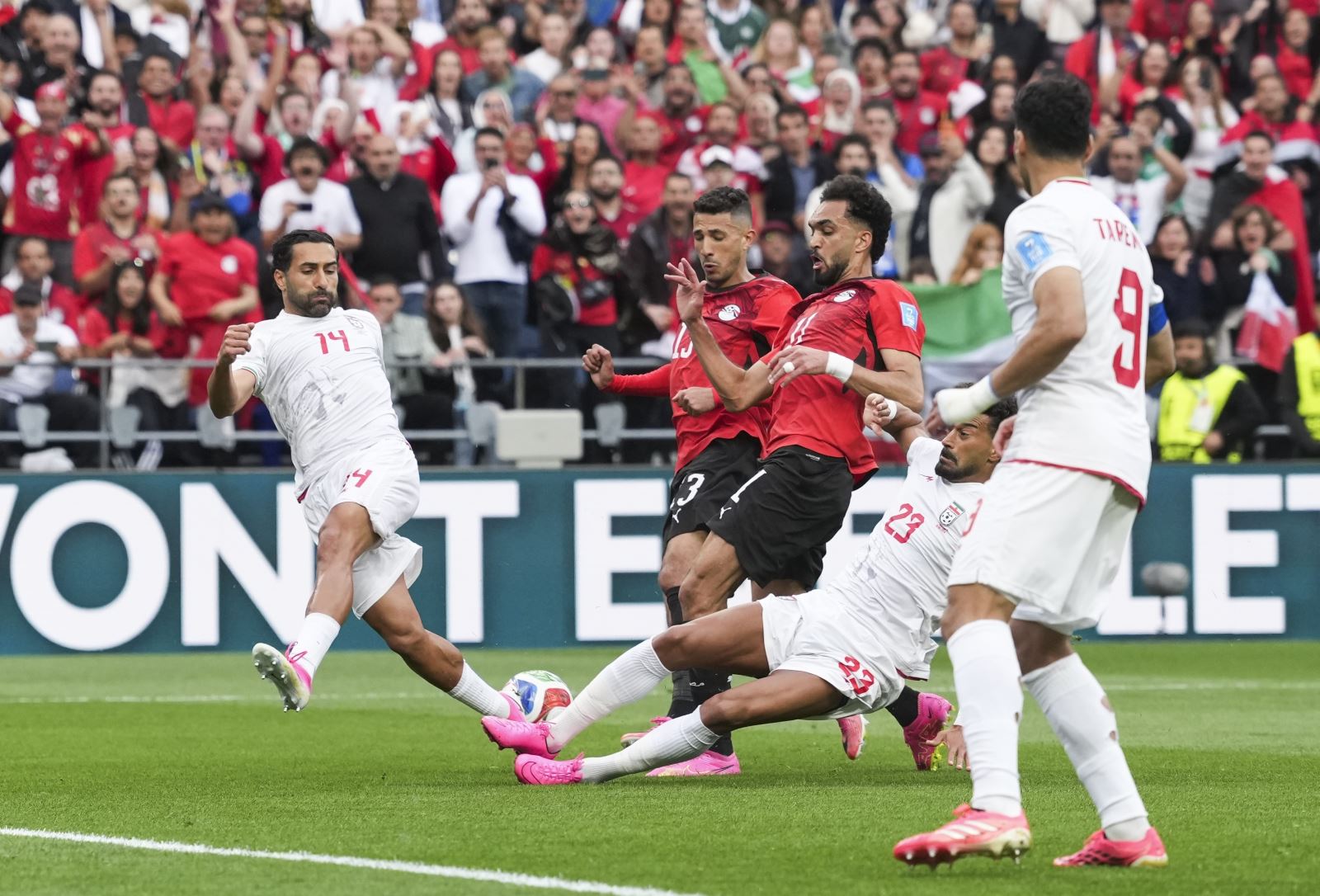
Iran is perhaps the most regretful among the Asian representatives, coming just seconds away from a historic milestone.
A 2-2 draw with New Zealand on the opening day is something the West Asian team will rue, as they created enough chances to take all three points.
In the next two matches, Iran continued to play courageously, holding Belgium to a 0-0 draw and Egypt to a 1-1 draw. Notably, in the clash with Egypt, a late goal by Shoja Khalilzadeh was disallowed after a VAR review.
Finishing the group stage with 3 points and a goal difference of zero, Iran still hoped to advance as one of the best third-placed teams.
However, Austria's stoppage-time equalizer in a 3-3 draw with Algeria dashed those hopes. Had that match ended with a winner, Iran would have made the knockout stage.
Iran's journey was made even more special as they competed while their country was in conflict with the US—one of the two co-hosts. The entire team had to base themselves in Mexico and constantly cross the border to play, while the US only allowed very short stays after each match and visa regulations changed multiple times at the last minute.
Saudi Arabia (Group H)
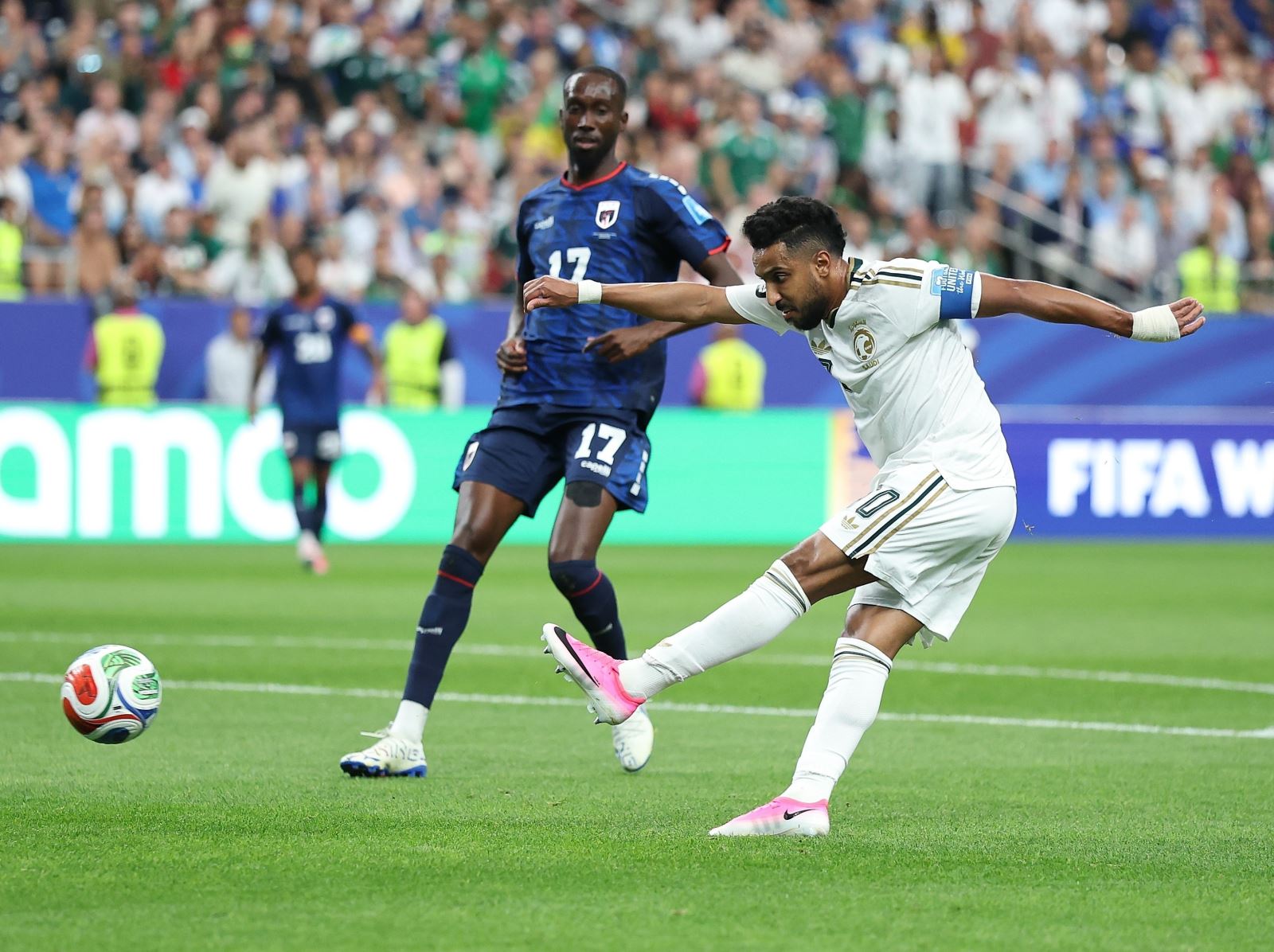
Placed in a group with Spain, Uruguay, and Cape Verde, Saudi Arabia entered the tournament aiming to compete for a spot in the next round. However, the West Asian team finished at the bottom of the group with plenty of regrets.
Against Uruguay, Saudi Arabia surprised by taking the lead just before halftime, but they couldn't withstand the mounting pressure from their opponent in the second half.
In the match against Spain, the gap in class was evident in a 0-4 defeat.
The final opportunity came against Cape Verde, where a win would have sent Saudi Arabia into the knockout stage. However, they put in a lackluster performance, while their opponents created more dangerous chances. A 0-0 draw ended the "Green Falcons'" regretful journey.
Iraq (Group I)
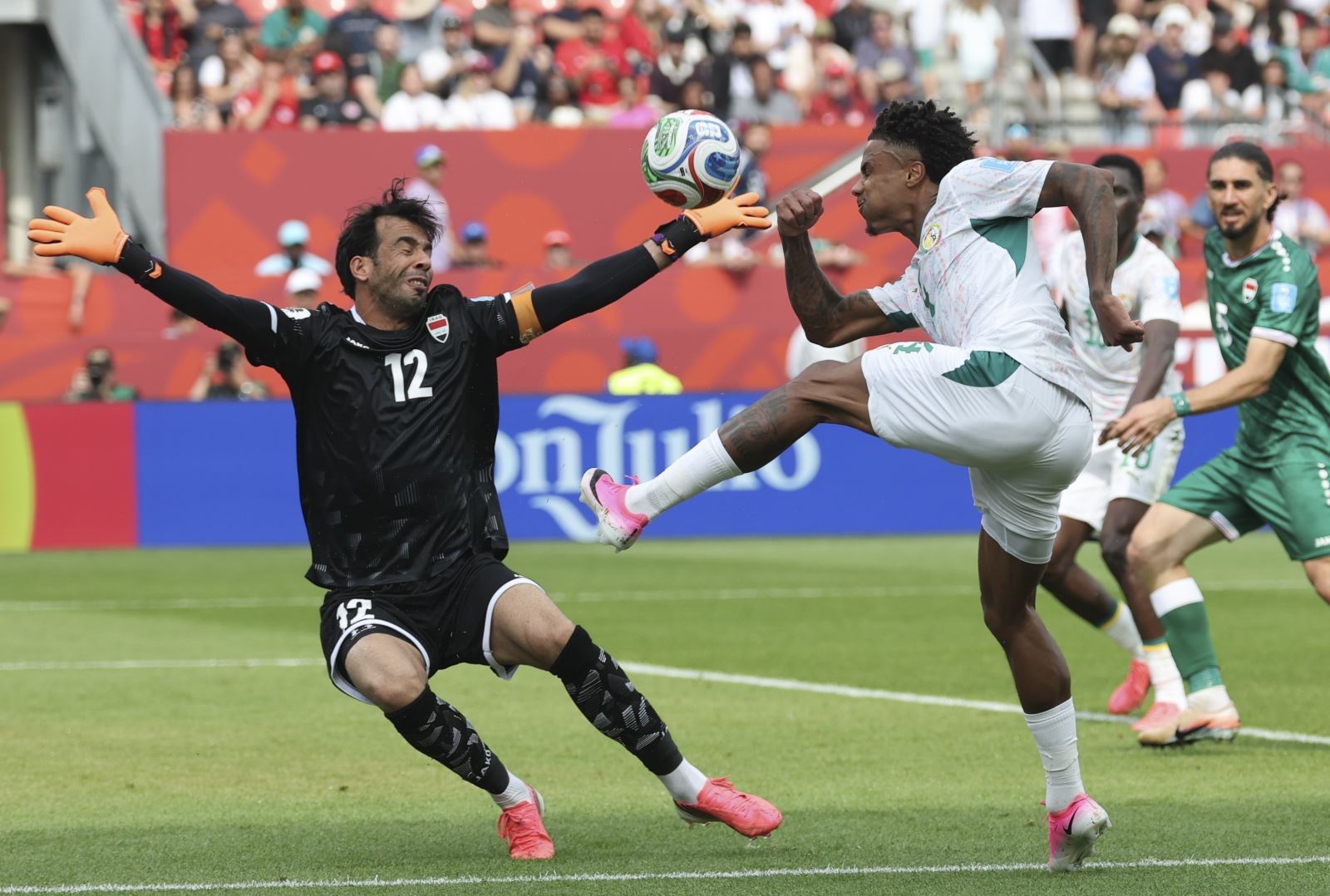
Four decades after their last World Cup appearance, Iraq returned to the biggest stage in football.
However, being in a group with France, Norway, and Senegal meant the lowest-ranked team in the group had little chance of causing an upset.
Iraq finished the group stage without a single point, conceding 12 goals and scoring just one. The only bright spot was a header from captain Aymen Hussein to equalize against Norway, though they eventually lost 1-4. Subsequent defeats to France (0-3) and Senegal (0-5) ended the memorable but difficult journey for the West Asian representative.
Jordan (Group J)
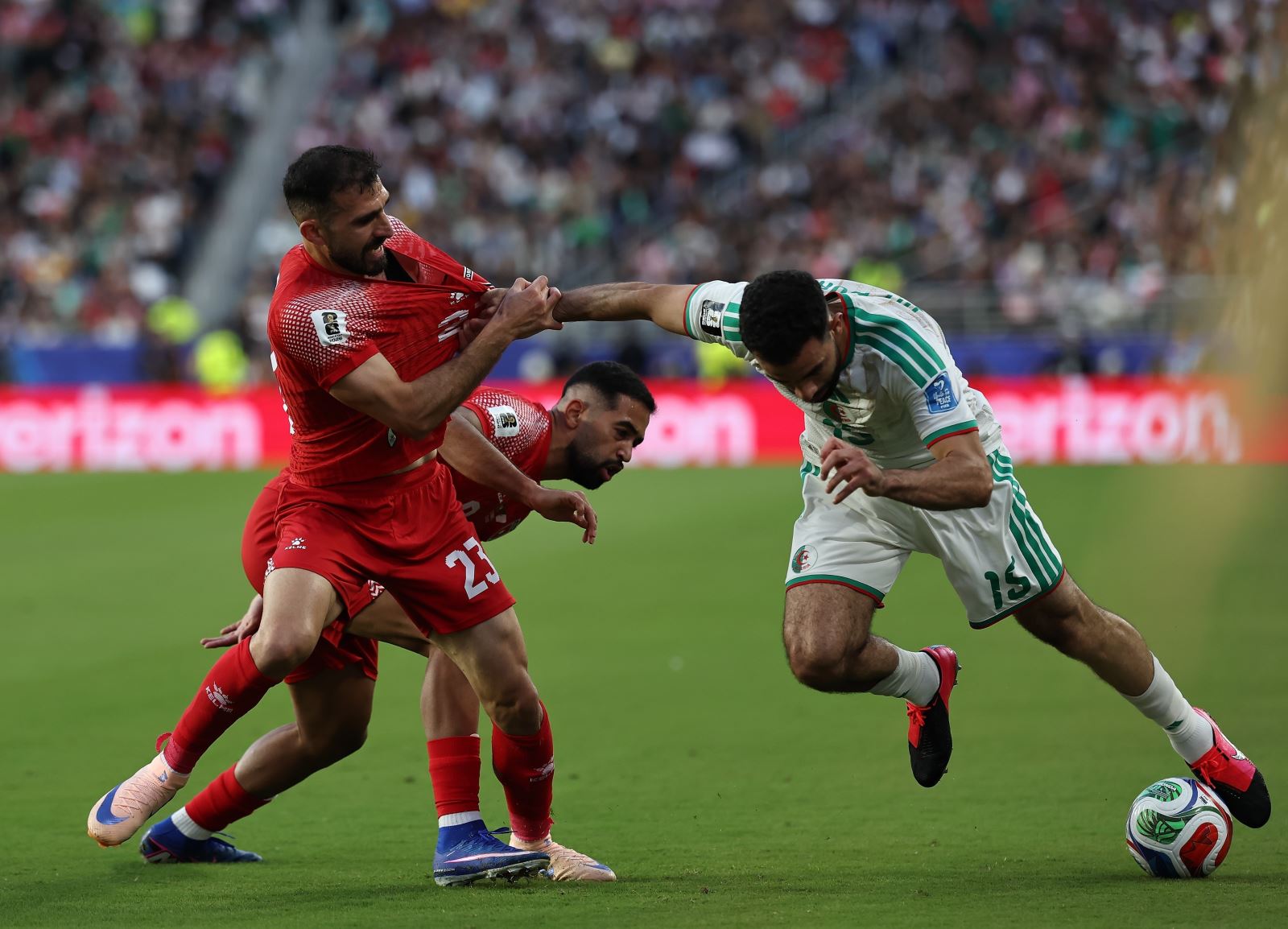
Making their World Cup debut, Jordan did not earn any points but left many positive impressions.
Coach Jamal Sellami's team scored in all three matches and fought hard against strong opponents like Argentina, Austria, and Algeria.
Jordan leveled the score against Austria but still lost 1-3. In the match against Algeria, they even opened the scoring but allowed a comeback 2-1 defeat.
The most memorable moment was probably Mousa Al-Tamari's goal against Argentina's second-string lineup. Although the South American side later won 3-1, that goal will be remembered by Jordan fans for years to come.
Uzbekistan (Group K)
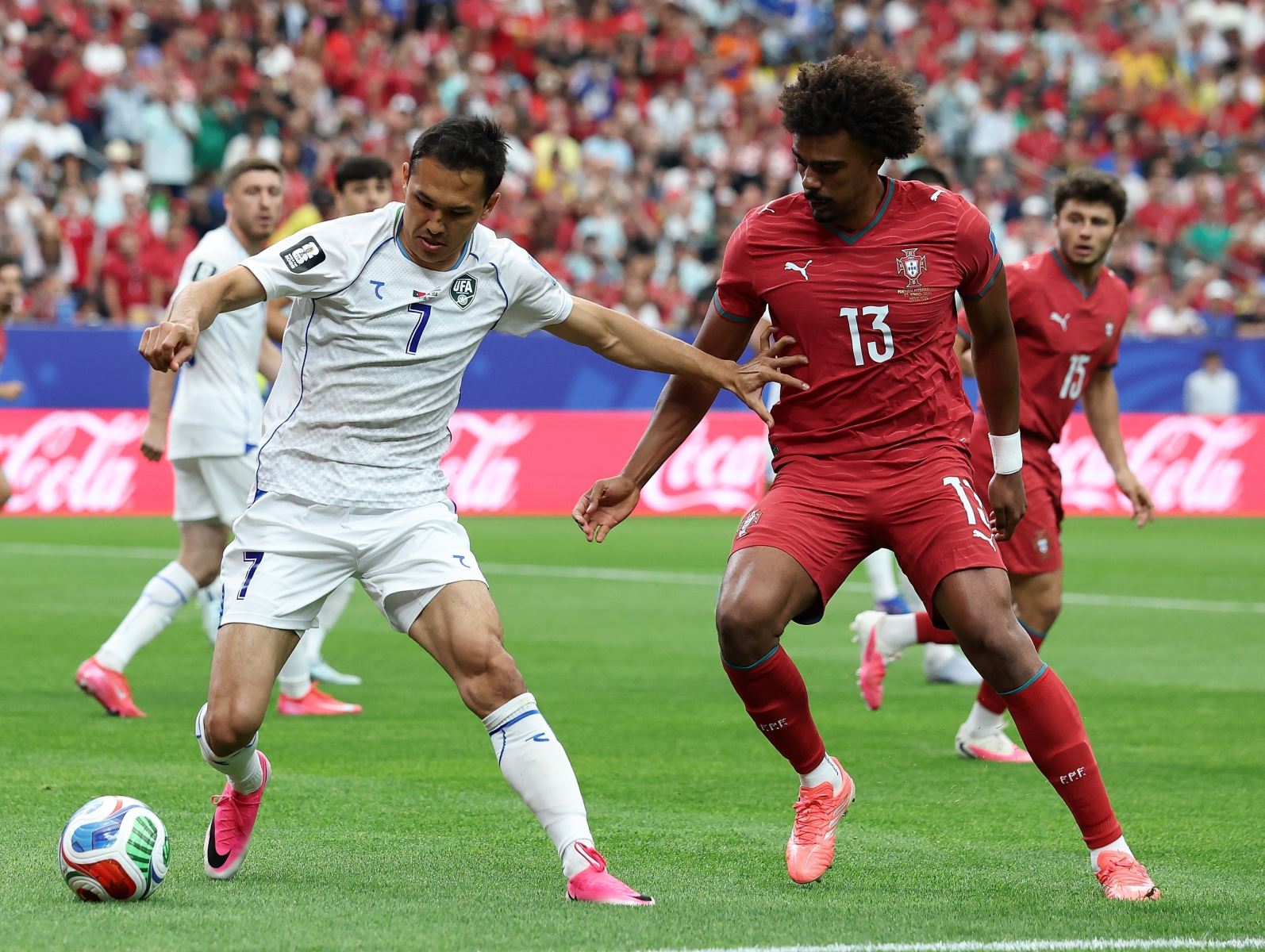
Uzbekistan also made their World Cup debut and showed some positive signs, though they couldn't spring a surprise.
Coach Fabio Cannavaro's squad played on equal terms with Colombia for about an hour before losing 1-3.
In their next match, they were completely outclassed by a soaring Portugal inspired by Cristiano Ronaldo, suffering a 0-5 defeat.
In their final game, Eldor Shomurodov opened the scoring with a skillful lob over the DR Congo goalkeeper. However, the African side fought back strongly to win 3-1, ending Uzbekistan's first World Cup campaign without any points.


Wonderfulshortvideo
messi goal today messi assist today messi highlights vs egypt enzo fernandez goal today romero goal today argentina goals today argentina 3-2 egypt



“Wonderful player, fantastic player, could not run” 😅

Neville, Keane and Wright DO NOT agree on the future of Argentina in the World Cup 👀
“It gave you everything” 👀
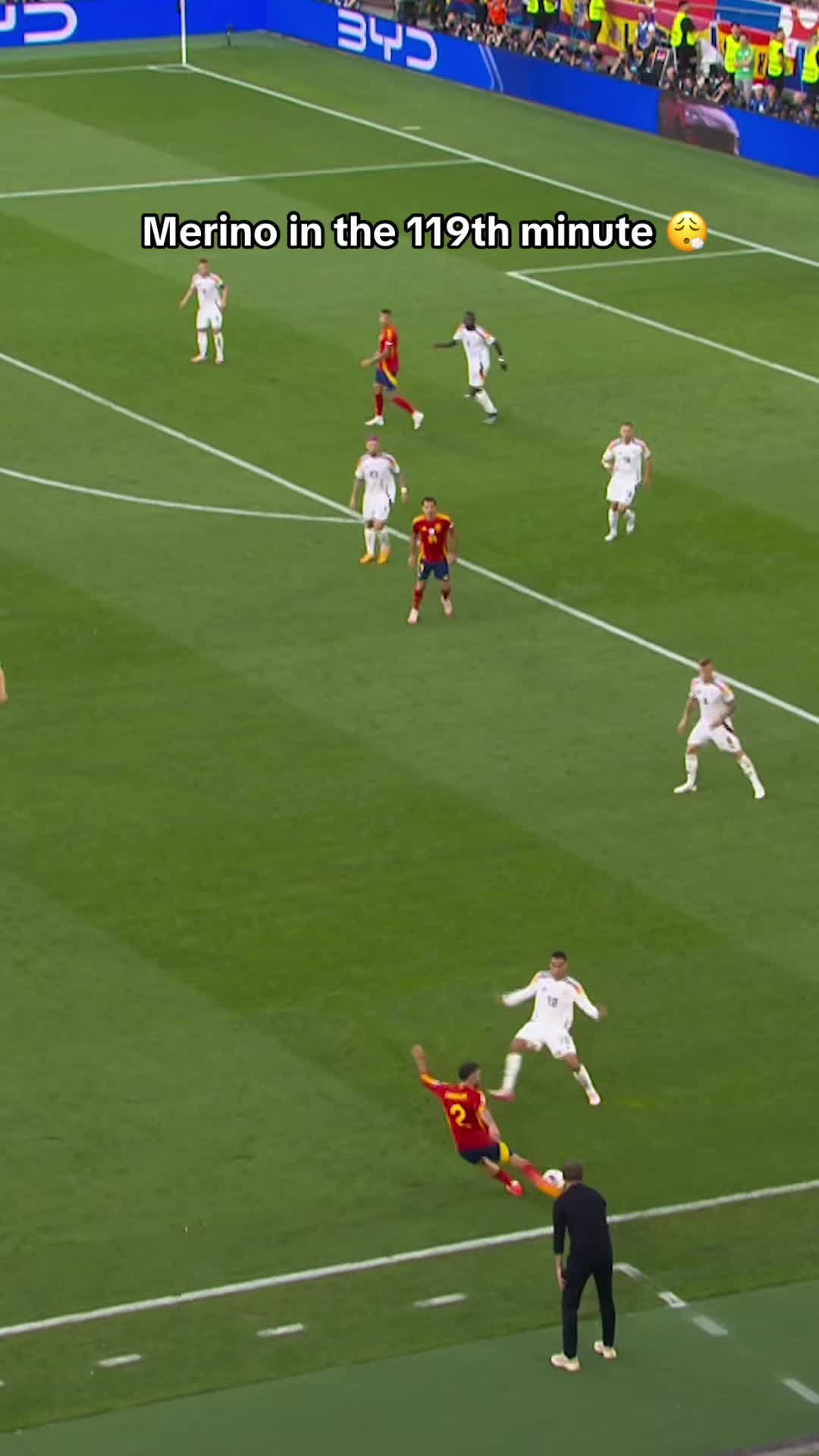
Clutch Merino 😮💨
merino goal today portugal 0-1 spain ronaldo interview today ronaldo retirement retiring
kane goal today kane highlights today england 2-1 congo
 Links
Links
 Contact
 App
App


