



World Cup 2026: Emotional Explosive Highlights


The first tournament featuring 48 teams not only set a record for goals scored but also witnessed numerous surprises, continued brilliance from major stars, and the gradual emergence of new tactical trends.
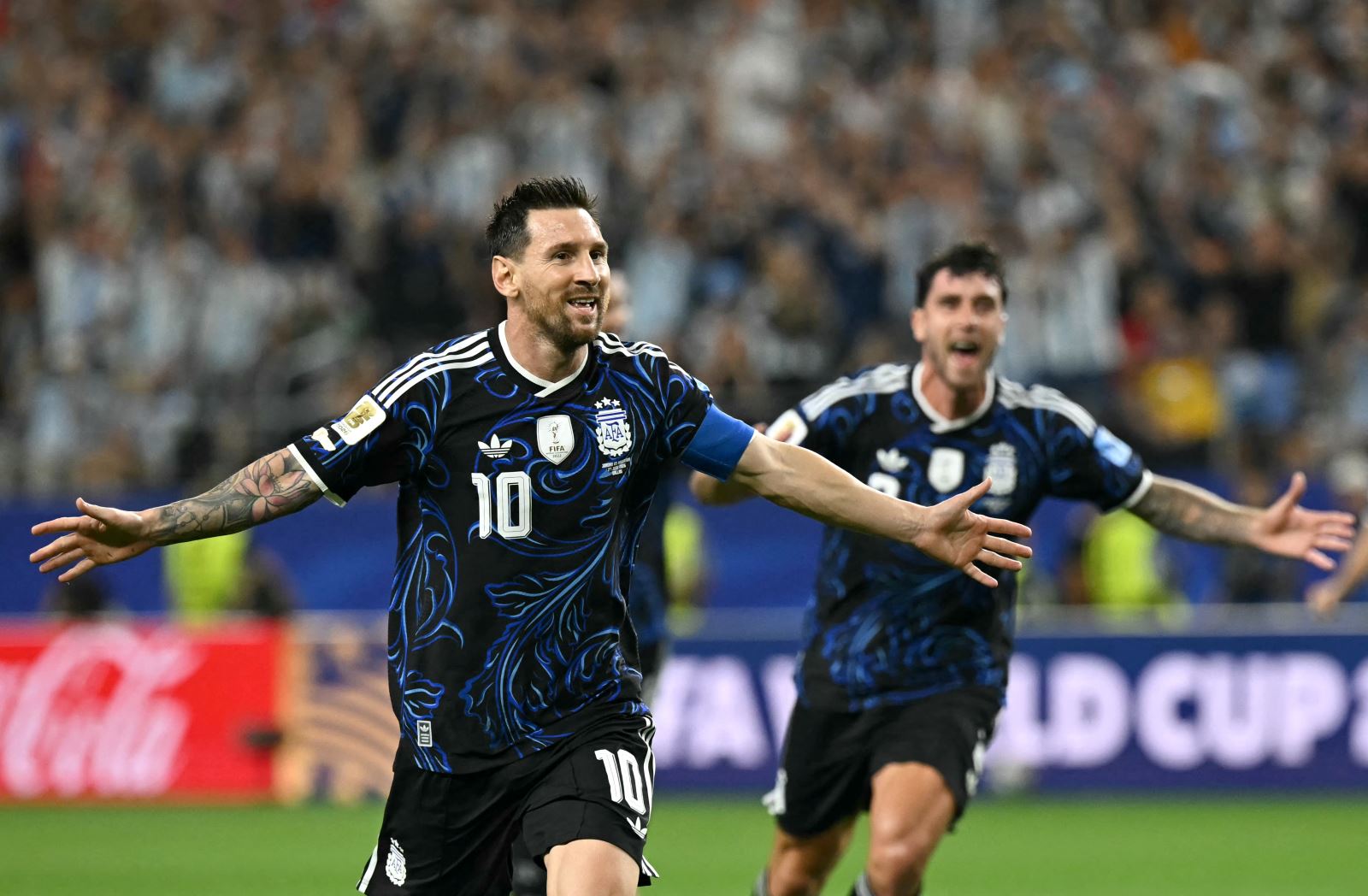
The group stage of the 2026 World Cup saw a total of 215 goals in 72 matches, averaging 2.99 goals per game—the highest rate since the World Cups of the 1950s. This figure clearly reflects the rising trend of attacking football. Many matches were played at a high tempo, with teams willing to adopt a more open style rather than prioritizing safety as in the past.
One of the biggest highlights was the fierce competition among the world's top scorers. With more matches in the tournament, the record of 13 goals in a single World Cup, set by Just Fontaine (France) in 1958, is under threat. Argentina's Lionel Messi leads the scoring chart with six goals. Messi has now raised his total World Cup goals to 19, further cementing his status as one of the greatest scorers in the tournament's history. Close behind are Kylian Mbappé, Ousmane Dembélé (both from France), Vinícius Júnior (Brazil), and Erling Haaland (Norway), each with four goals.
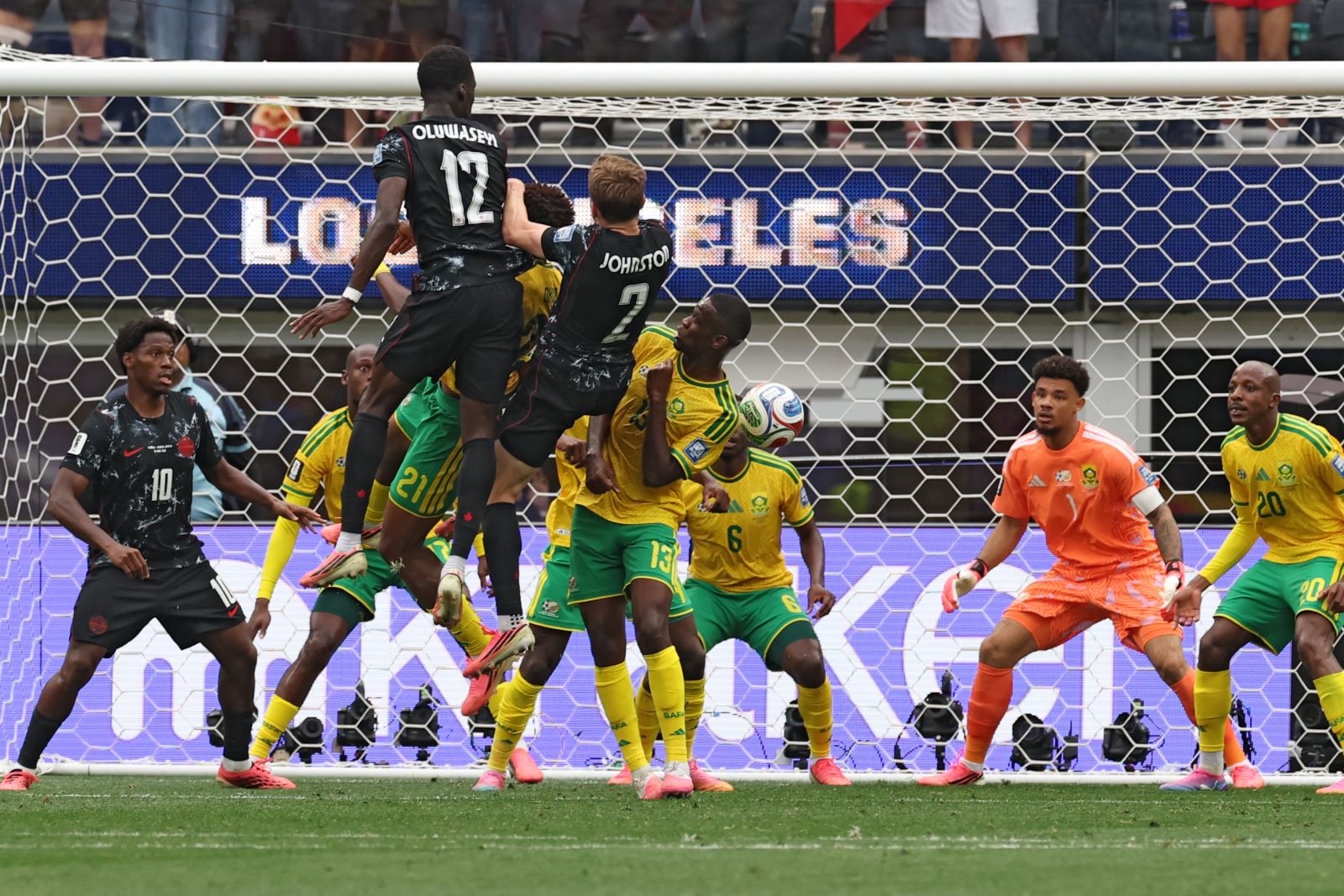
The expansion from 32 to 48 teams sparked mixed opinions before the tournament, but the group stage showed not only one-sided victories but also many intriguing surprises. Germany once beat Curacao 7-1, yet newcomer Cape Verde made a splash by holding both Spain and Uruguay to draws, securing their first-ever spot in the knockout rounds. Additionally, with 32 teams advancing, many of the bigger sides approached the group stage with a more relaxed mindset, contributing to entertaining and attacking matches.
The rule allowing five substitutes continued to prove effective, as many matches were decided by players coming off the bench. A notable example was striker Deniz Undav, who scored a brace after being introduced as a substitute, helping Germany come from behind against Côte d'Ivoire.
Squads of 26 players also gave coaches more rotation options, maintaining high intensity and making a difference in the closing stages of matches.
Alongside the strikers' goal-scoring prowess, the group stage also saw numerous defensive mistakes. Ellyes Skhiri's own goal against the Netherlands was the 12th own goal of the tournament, equaling the record set at the 2018 World Cup.
Furthermore, many individual errors directly led to goals conceded—from Sphephelo Sithole's (South Africa) loss of possession in the opening match, to mistakes by Iraq's goalkeepers, and the risky handling that forced veteran Uruguay goalkeeper Fernando Muslera off the field at halftime in the game against Spain.
Closing the group stage with a record number of goals, plenty of surprises, and an enthralling Golden Boot race, the 2026 World Cup is presenting a new look for the planet's biggest football festival. As the knockout rounds begin, the pressure will intensify, but fans have every reason to anticipate high-quality matches and the setting of new milestones.


Wonderfulshortvideo
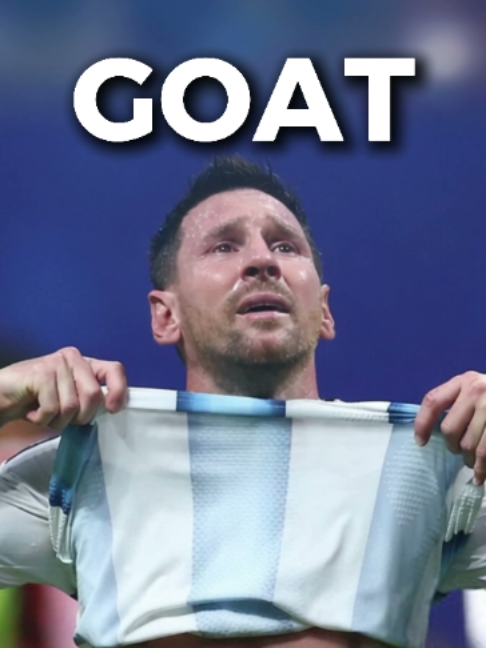
messi goal today messi assist today messi highlights vs egypt enzo fernandez goal today romero goal today argentina goals today argentina 3-2 egypt



“Wonderful player, fantastic player, could not run” 😅
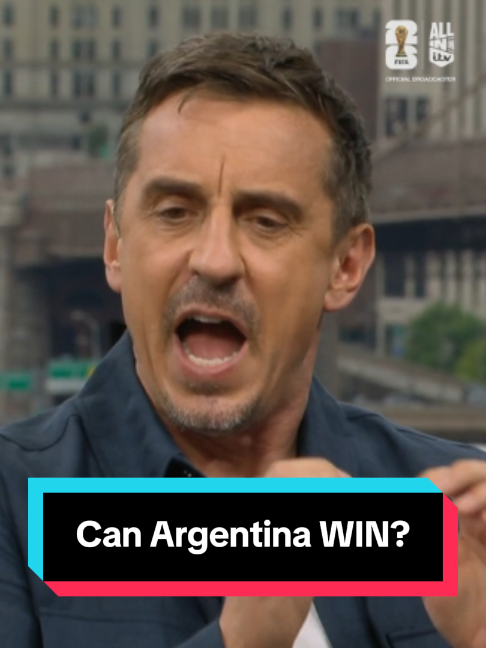
Neville, Keane and Wright DO NOT agree on the future of Argentina in the World Cup 👀
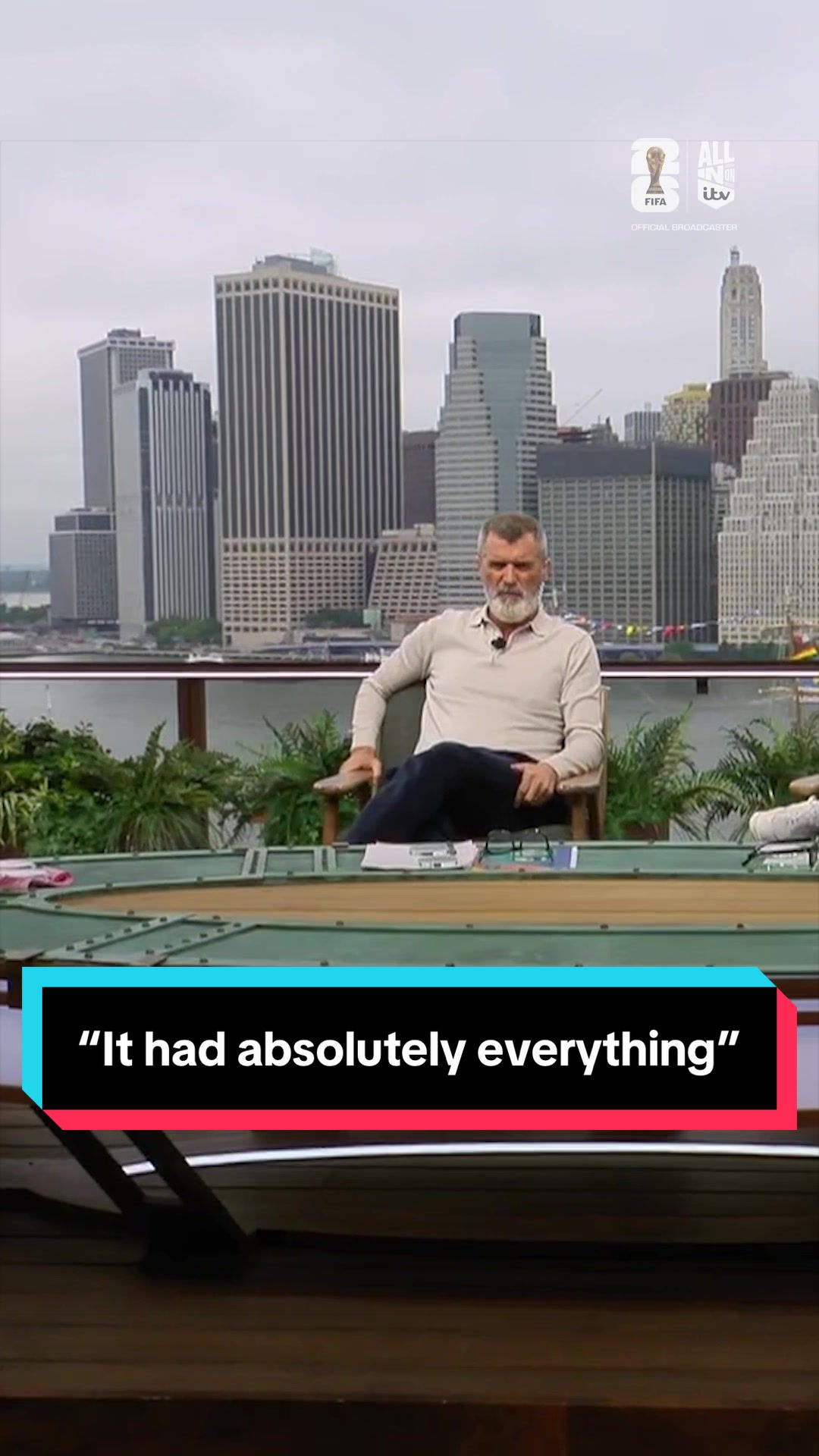
“It gave you everything” 👀
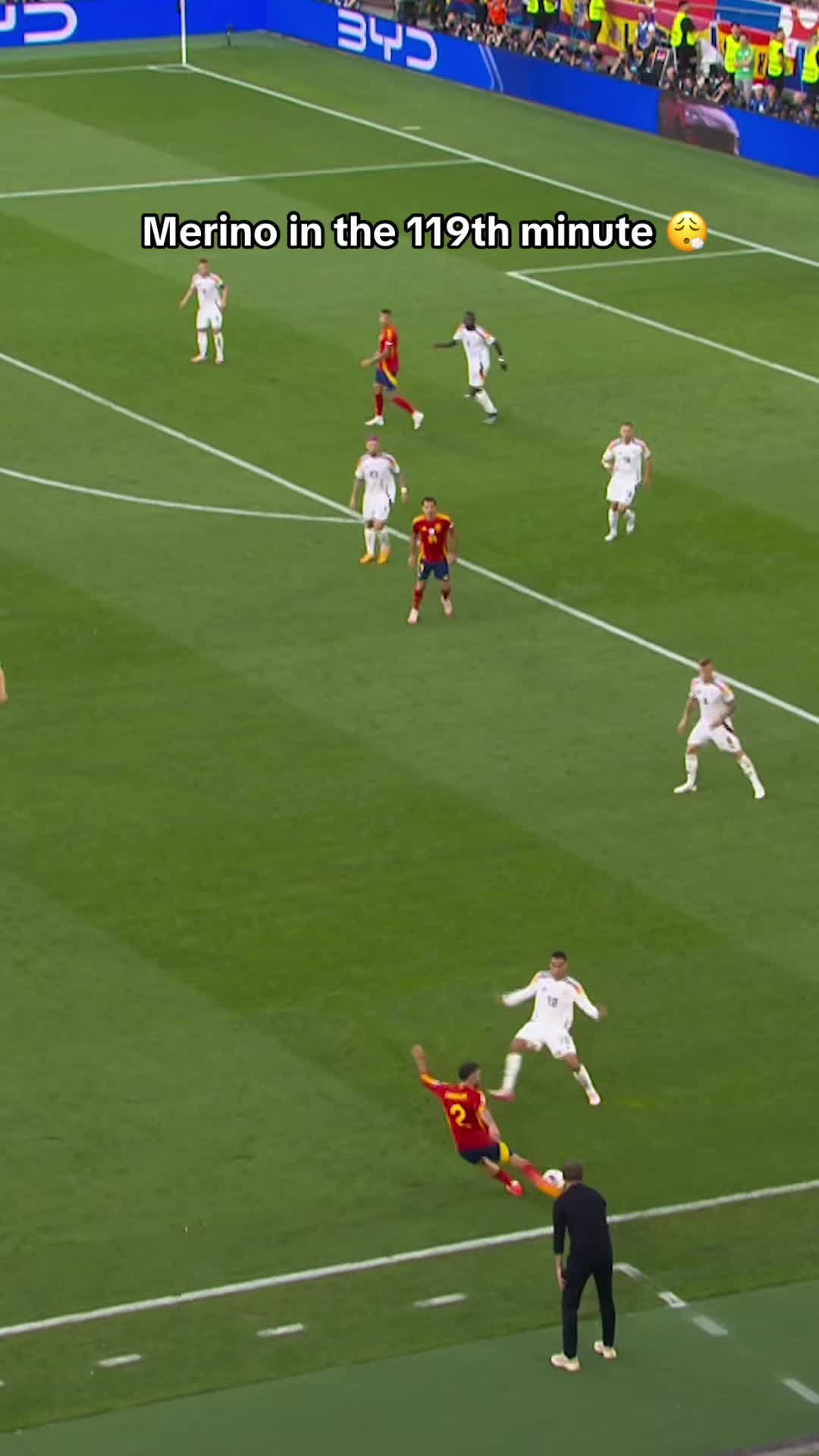
Clutch Merino 😮💨
merino goal today portugal 0-1 spain ronaldo interview today ronaldo retirement retiring
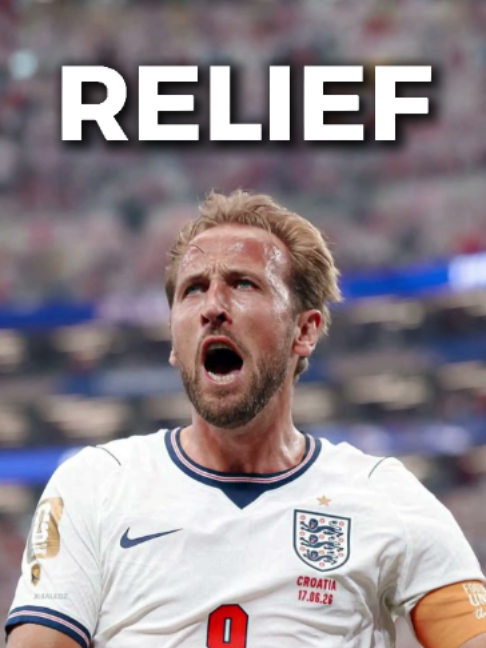
kane goal today kane highlights today england 2-1 congo
 Links
Links
 Contact
 App
App


