



The World Cup's massive wave of attention—how does Yue Super League catch it?


Written by Han Bing. The unprecedentedly large USA-Mexico-Canada World Cup has just ended its group stage. China, as the world's biggest single audience market for the World Cup, has achieved the highest total online reach globally for World Cup content. It is also predictable that as the competition moves into the knockout phase, despite fewer games, the fierce nature of elimination matches will sustain the high level of interest in World Cup discussions.
So here's the question: Yue Super League inevitably faces this massive traffic wave from the World Cup. Whether to embrace it is not the issue—how to embrace it is the key.

World Cup matches are mostly scheduled late at night after midnight, in the early morning, and in the morning, which does not conflict with Yue Super League's evening game times. However, the high concentration of World Cup attention and hot topics can easily crowd out Yue Super League's topics, cross-platform traffic, and sponsor exposure value. Marketing resources for food, beverages, fast-moving consumer goods, and online brands will also tilt toward the World Cup, impacting Yue Super League's off-field dining and cultural tourism economy to some extent.
Yet, from game time slots, audience segmentation, business logic, to event IP positioning, the two tournaments show significant differences. This natural, clear distinction means that the USA-Mexico-Canada World Cup and Yue Super League are not head-to-head competitors in the same track; at most, they are in a "weak competition" as both are football events.
The World Cup is a quadrennial global super event IP. As the largest single audience market for the World Cup, China's viewership, multimedia reach, and social media traffic generate a normal level of high-heat topics during the event, creating a "World Cup month" topic and consumption cycle. However, the USA-Mexico-Canada World Cup's matches are concentrated in early morning and morning hours, leading to dense topics late at night and in the morning, but a scarcity of topics during the afternoon and prime evening hours. Because the game times are unfriendly to the Chinese market, willingness to watch full live broadcasts drops significantly, and fragmented dissemination becomes mainstream. Additionally, the unprecedented size of 48 teams brings extremely diverse and scattered topics.
In contrast, Yue Super League is a city league rooted in Guangdong, with distinct regional advantages. Game times are fixed on weekend evenings during prime time, making it convenient and affordable for local audiences to watch matches. Online platforms have strong regional dissemination, and live broadcasts and related information are highly tied to Guangdong's local Cantonese, Teochew, Hakka languages, and culture. Topic density is concentrated in the afternoon, evening prime time, and late-night snack hours. Compared to the World Cup, it has strong compatibility with weekend leisure, dining, and consumption, without the high barriers of staying up late to watch the World Cup.
The traffic characteristics of the two are completely different: although the World Cup generates massive traffic, it is short-term and explosive, with a high proportion of broad, pan-topic discussions, a strong "bandwagon and spectacle" effect, and a lack of local belonging. In contrast, Yue Super League, due to its format and match times, enjoys longer-term and more sustained traffic heat. Combined with rich cultural tourism services in various cities, it has stronger audience stickiness and higher offline event economic activity.
The underlying emotions of World Cup and Yue Super League fans differ, leading to differences in consumption habits and scale. This year's World Cup schedule, with matches in the late-night hours, results in weak "World Cup economy" during those times. Half of the matches in the morning and early morning fail to generate economies of scale. Yue Super League, on the other hand, features a uniform 8.8 RMB affordable ticket price, low viewing costs, and a unique "ticket stub economy" concentrated in the evening prime time, forming regular weekend leisure consumption. With a long season spanning multiple holidays like May Day, Dragon Boat Festival, and summer vacation, it also attracts out-of-province tourism resources.
For Yue Super League, the so-called "crisis" brought by World Cup traffic is actually far more "opportunity" than "crisis"—it is a chance to accelerate growth by leveraging World Cup traffic.

The World Cup is an unavoidable source of traffic, but the difference in match times and the nationwide enthusiasm for football provide Yue Super League with an opportunity to "redirect" traffic from the World Cup. Expanding Yue Super League's off-field activities and offline economy from a single Yue Super League IP to a dual-event concept of "World Cup + Yue Super League" helps attract World Cup audiences. Creating a parallel atmosphere of "watch the World Cup in the morning, watch Yue Super League in the evening" allows fans who lack emotional belonging when watching the World Cup to fully compensate for that through Yue Super League's unique local culture and urban regional differences during the evening prime time.
Through the well-established Yue Super League "ticket stub economy," in suitable off-field areas, entertainment, interaction, and consumption zones centered on the World Cup can be set up to attract and retain World Cup fans, expanding off-field traffic entry points and guiding previously World Cup-focused fans to the Yue Super League periphery. The new World Cup content in the "ticket stub economy" can use off-field benefits to embrace "passing fans" of the World Cup, including joint promotions with brands in consumption, dining, and cultural tourism partnered with Yue Super League, creating a two-way benefit "traffic diversion" for fans and ultimately forming a consumption loop with the Yue Super League stadium as the terminal.
Compared to the globalized World Cup, Yue Super League's true core competitiveness remains its cultural uniqueness based on Lingnan intangible cultural heritage, dialects, and local homestays. The short-term "World Cup + Yue Super League" concept built during the World Cup always revolves around culture and the unique sense of urban belonging. By capitalizing on the nationwide World Cup topic traffic, Yue Super League can further deepen its grassroots operations—into communities, schools, and enterprises—using World Cup topics to introduce its own culture and urban belonging. To some extent, the World Cup's nationwide football attention is exactly the traffic carrier for Yue Super League to expand its audience base.
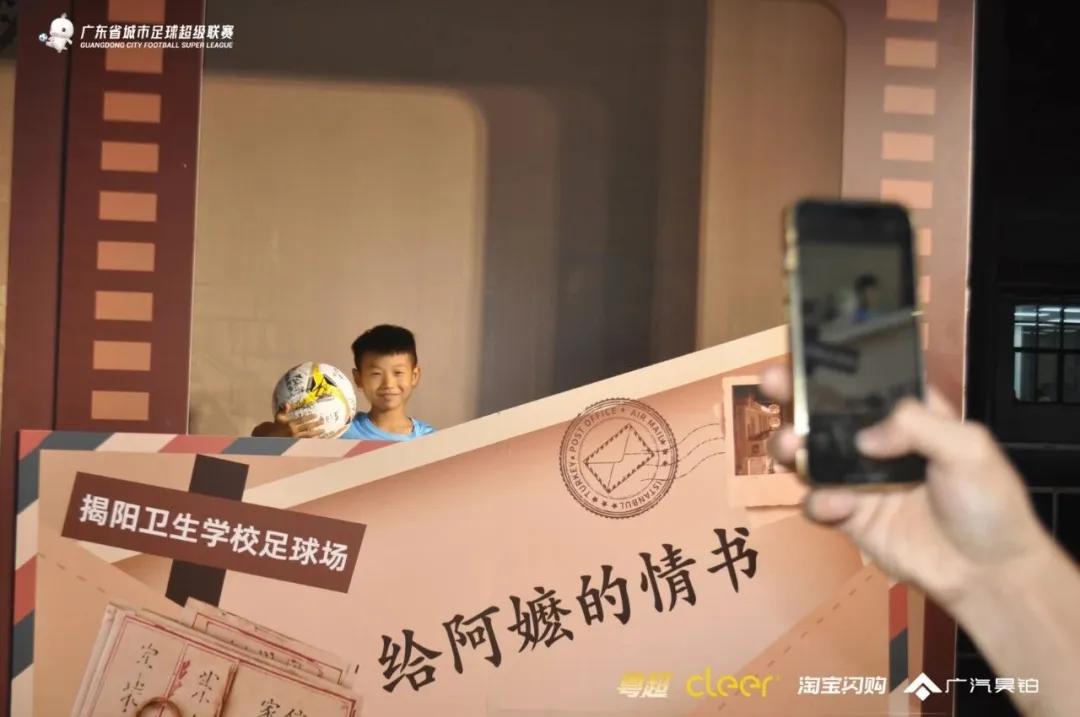
Leveraging national topic traffic for "traffic diversion," Yue Super League has already had a successful precedent with the Teochew dialect film *A Letter to Grandma*. Not only in the four Teochew cities, but also in cities like Dongguan and Shenzhen, cultural performances, related content displays, and linkages with dining and peripheral products closely tied to the film theme achieved good results. The same applies to the World Cup: by using the World Cup's attention and the highly World Cup-linked Yue Super League "ticket stub economy," it is not difficult to bring new audience groups to the Yue Super League.

This World Cup offers Yue Super League a reference case of fan culture stickiness: the "Viking cheer" carefully prepared by Norwegian fans, which successfully drove player-fan interaction. The synchronized rowing motion, combined with a strong rhythmic drumbeat, uniquely tied fans and the team together through Nordic Viking culture. The Norwegians formed a highly recognizable cultural symbol as a team label both on and off the field, further enhancing the sense of belonging between fans and the team.
Notably, Yue Super League's attendance has not been significantly affected by the World Cup. On the fourth day after the World Cup kicked off (June 14), the Yue Super League Zhanjiang home match attracted 32,561 spectators, setting a new attendance record. A week later, the Shaoguan home match drew 14,000 spectators, comparable to the first home match in early May. With a relatively stable on-site audience base, what Yue Super League needs is more spectators and increased attention. The key factors are the matches themselves on one hand, and engaging activities that foster fan interaction on the other.
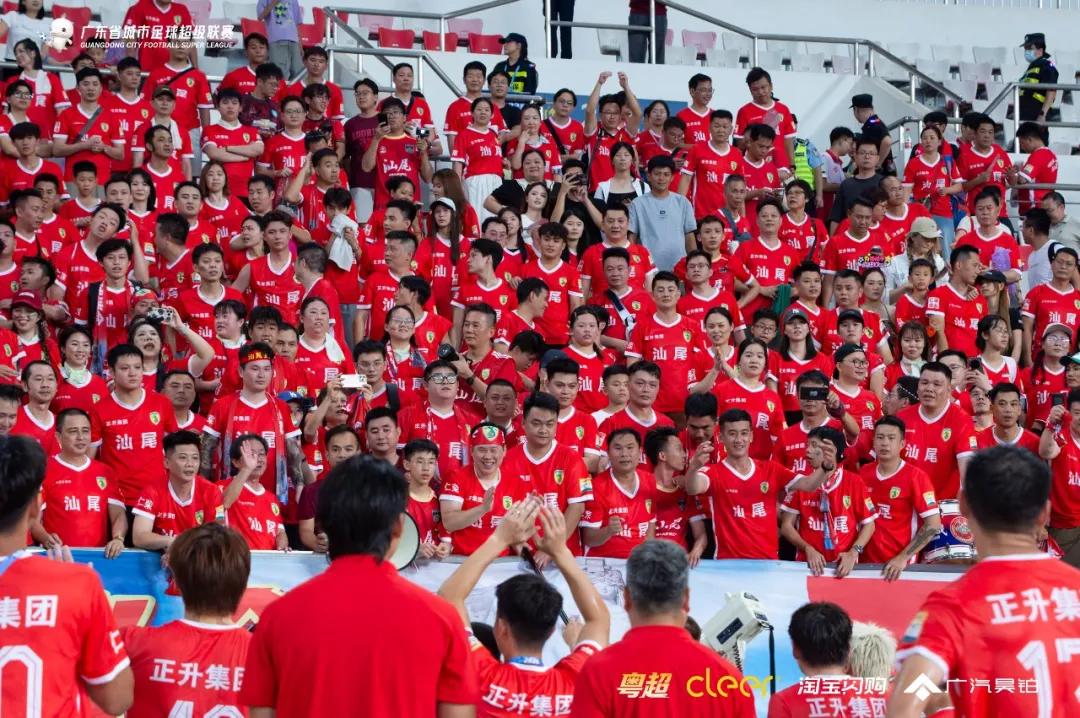
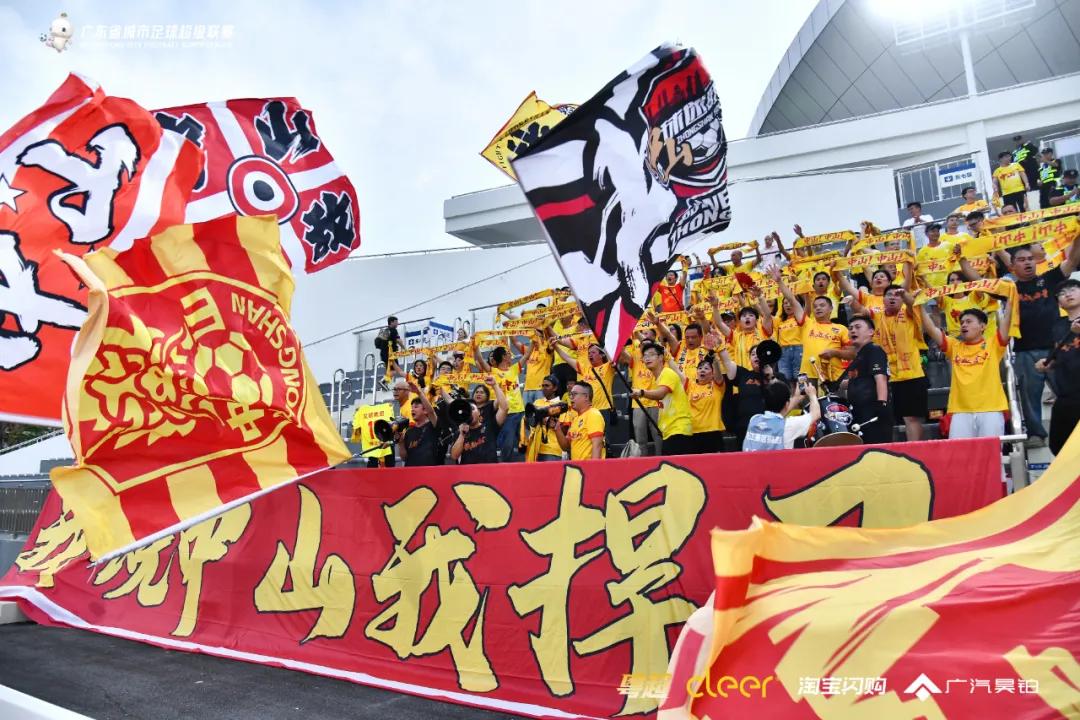
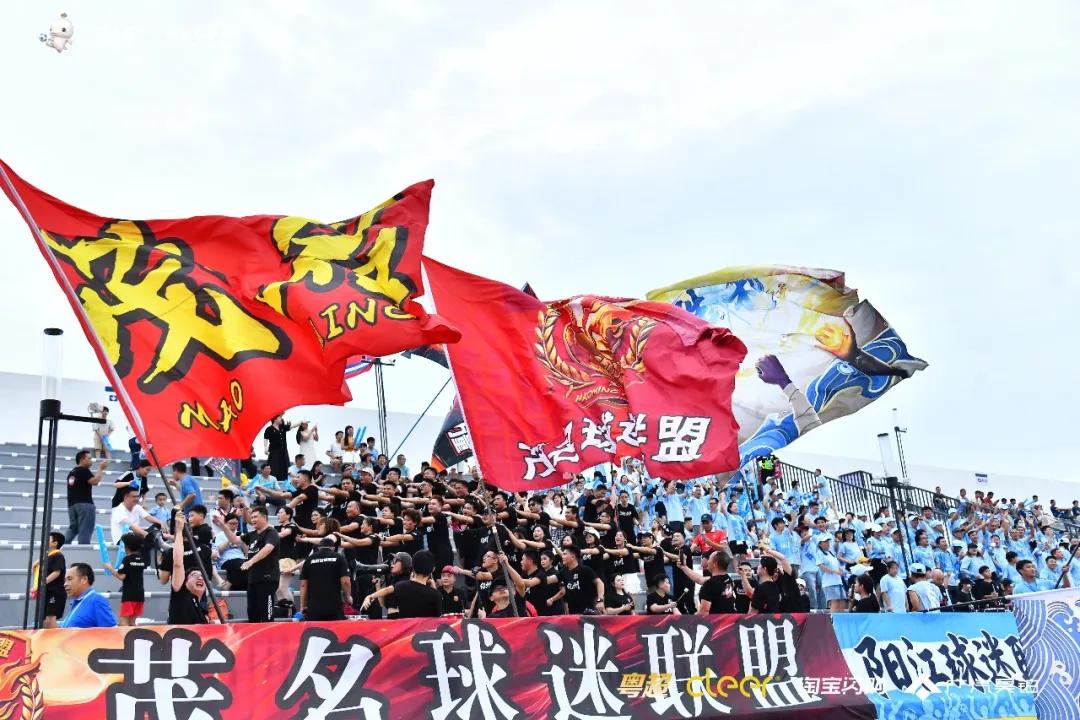
Previously, Yue Super League emphasized culture and urban belonging mainly through on-field intangible cultural heritage displays, mutual gifts of local specialties, and off-field regional dining and cultural tourism activities. These were relatively static and one-way, leaving room for improvement in "fan culture" that can ignite more enthusiasm among on-site audiences. Each Yue Super League city home ground has fan groups and unique cheering slogans, with coordinated clothing, flags, and slogans becoming highlights that attract fans into the stadium and immerse them in the atmosphere during the first half of the season. However, unlike the "Viking thunderclap" of Iceland fans at the Euros or the "Viking rowing" of Norway at the World Cup—cheers with high cultural recognition and easily spread—Yue Super League has yet to create a successful breakout example.
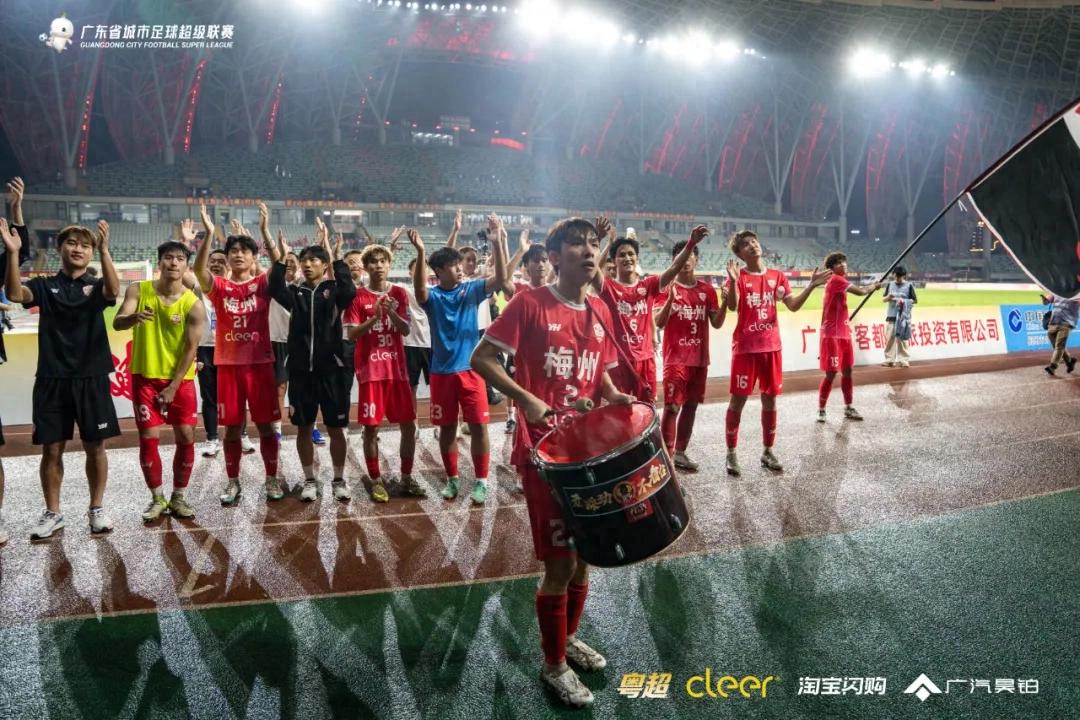
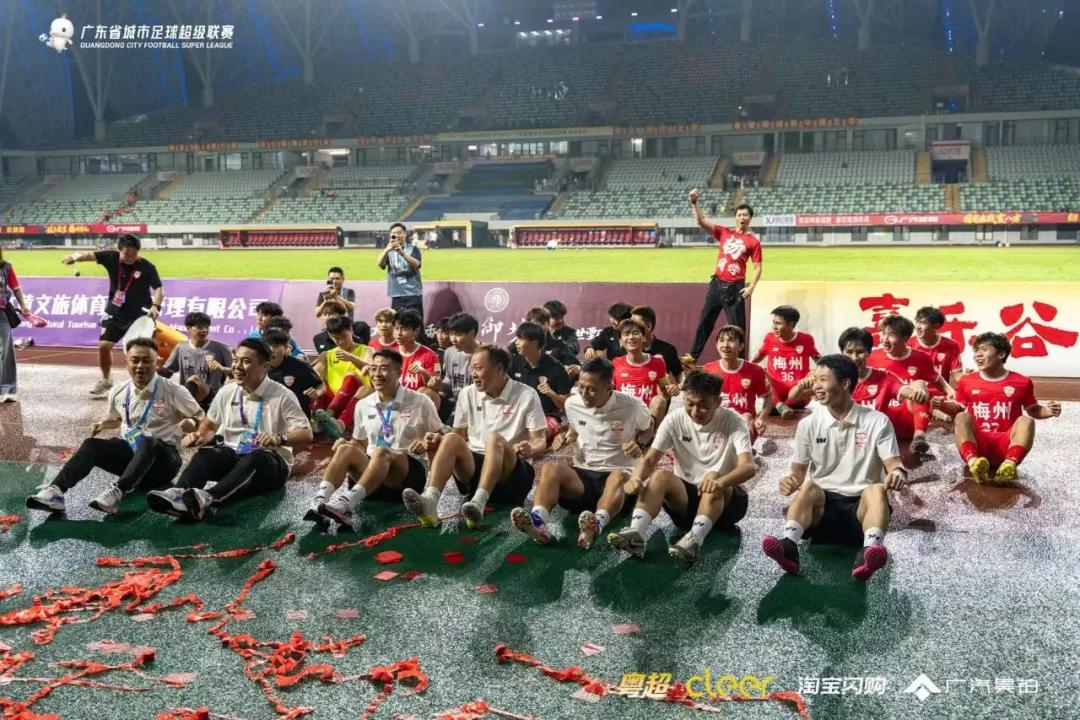
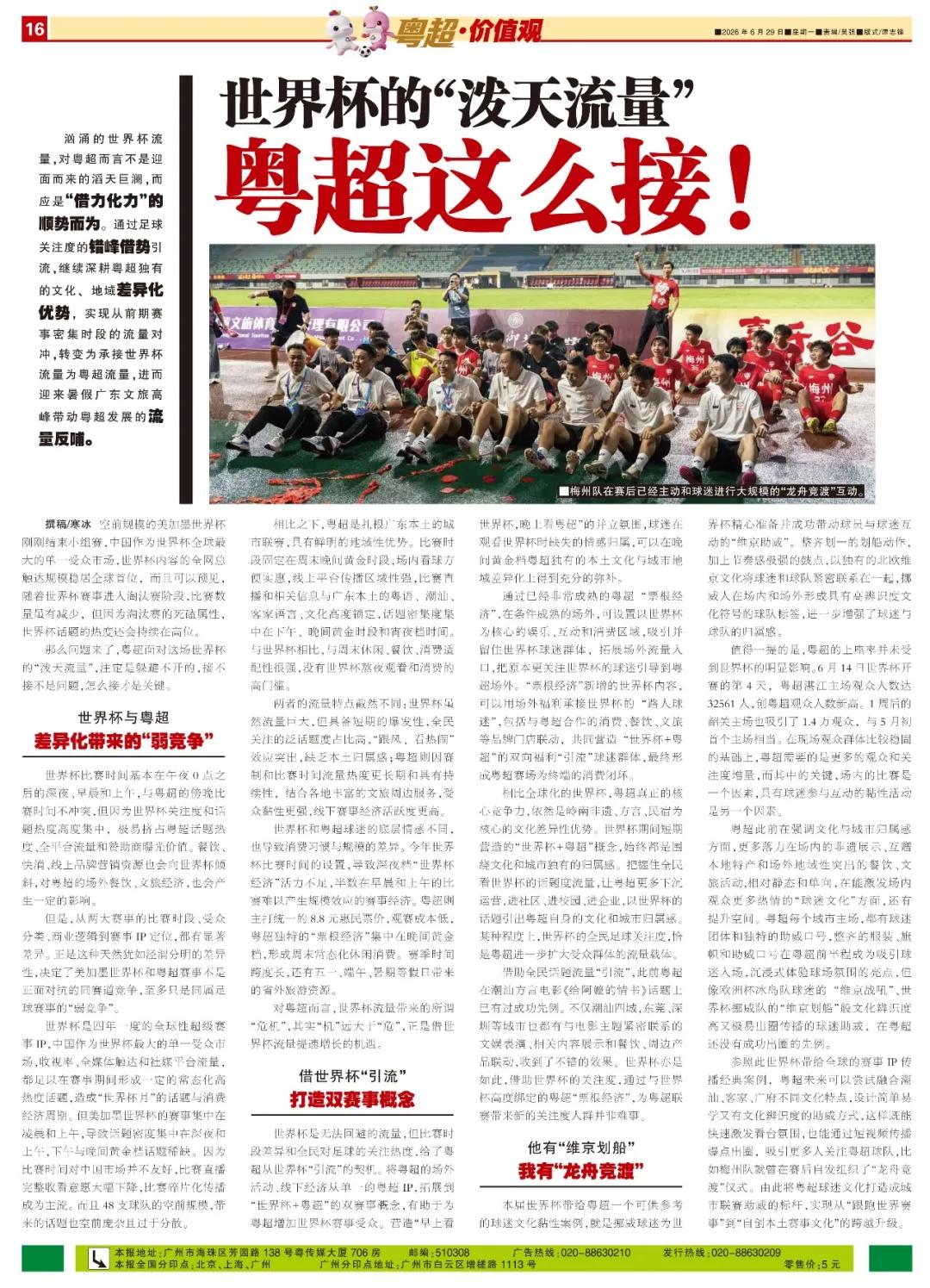
Drawing from classic event IP dissemination cases brought by this World Cup to the world, Yue Super League can try in the future to integrate the cultural characteristics of Teochew, Hakka, and Cantonese groups, designing simple, easy-to-learn cheering methods with cultural recognition. This can quickly ignite the atmosphere in the stands and also generate viral moments through short-video dissemination, attracting more attention to Yue Super League teams. For example, the Meizhou team spontaneously organized a "dragon boat race" ceremony after a match. Through this, Yue Super League can transform its fan culture into a benchmark for city league cheering, achieving an upgrade from "following global events" to "creating its own local event culture."


Wonderfulshortvideo
messi goal today messi assist today messi highlights vs egypt enzo fernandez goal today romero goal today argentina goals today argentina 3-2 egypt



“Wonderful player, fantastic player, could not run” 😅

Neville, Keane and Wright DO NOT agree on the future of Argentina in the World Cup 👀

“It gave you everything” 👀
Clutch Merino 😮💨
merino goal today portugal 0-1 spain ronaldo interview today ronaldo retirement retiring
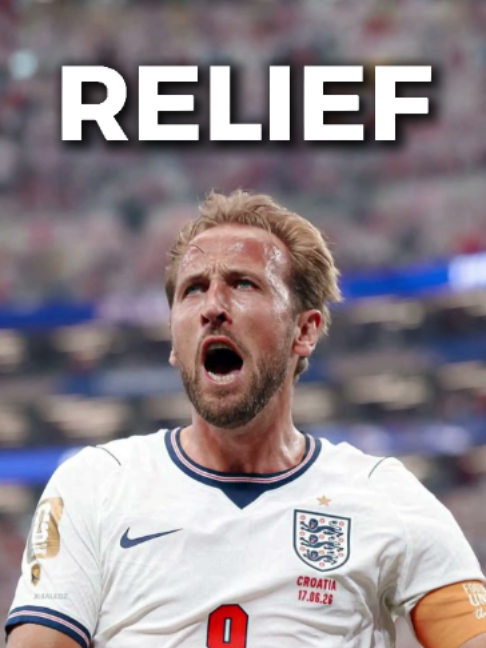
kane goal today kane highlights today england 2-1 congo
 Links
Links
 Contact
 App
App


