



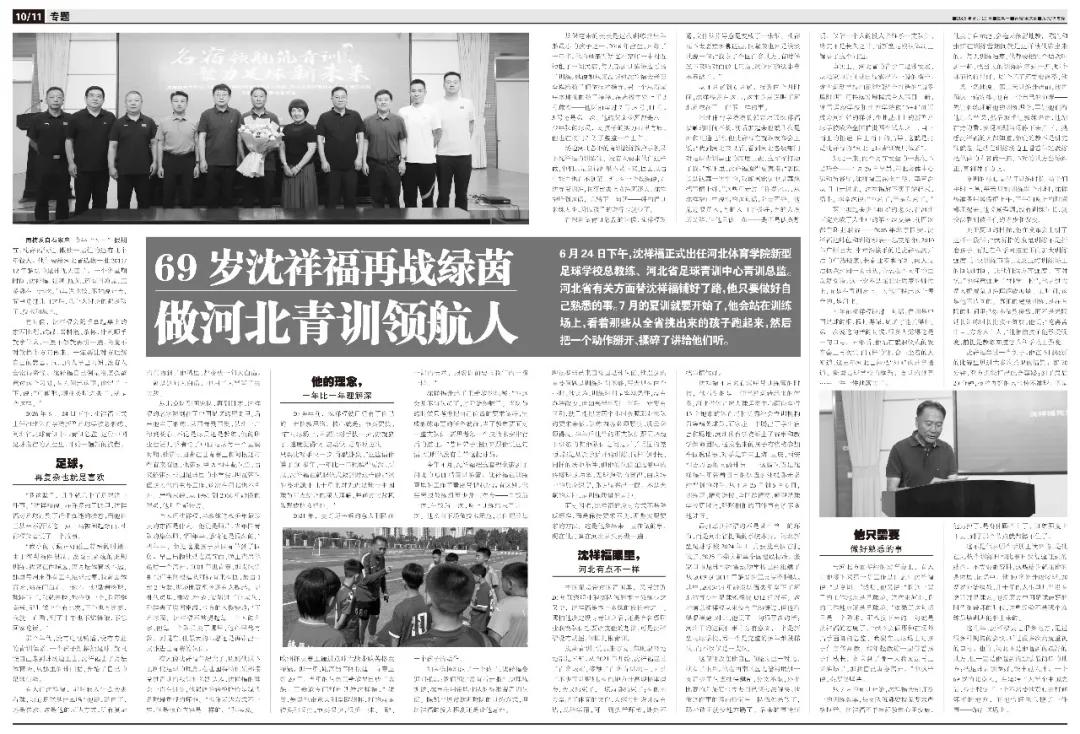
At 69, Shen Xiangfu returns to the football field as a pioneer for youth development in Hebei.



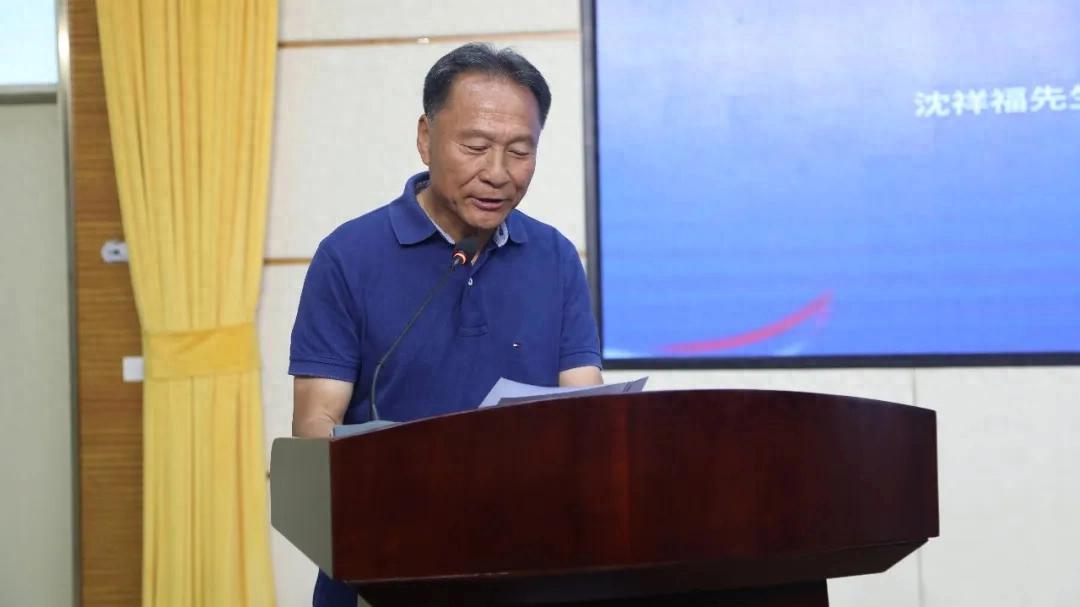
Nan Nan reporting from Shijiazhuang. Before this year's May Day holiday, Shen Xiangfu was extremely occupied, as were several young people working with him. Their mission was to pick top football prospects in the 2011/12 age group for Hebei Province. For more than a week, Shen Xiangfu, Zhang Qi, Chen Kai, and Tian Huanjing shared all three meals together. These were less like meals and more like meetings—after a few quick mouthfuls, their discussions revolved around the kids, skills, and game strategies.
Sometimes, Shen Xiangfu would casually pick up whatever was on the table to illustrate a point—bowls, sauce bottles, teacups, anything handy. If it wasn't clear the first time, he'd repeat it; if the angle was off, he'd adjust and try again, determined to make his meaning understood. His companions were used to it; no one found it strange. Shen Xiangfu himself hadn't paid much attention to this habit. When asked about it, he paused and said, "Maybe so. When I'm deep into discussing business, I just do that."
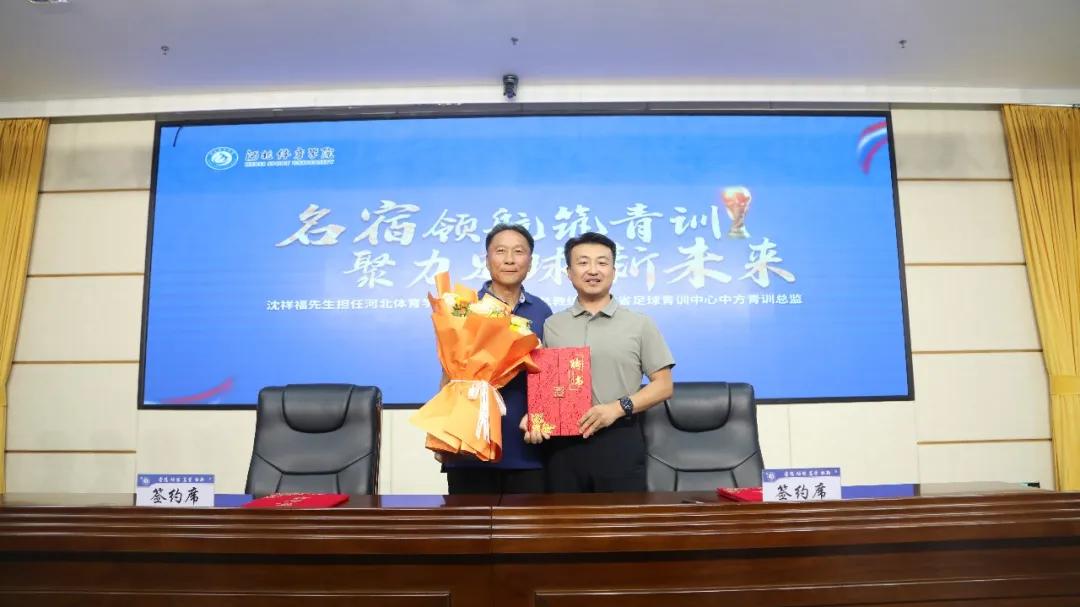
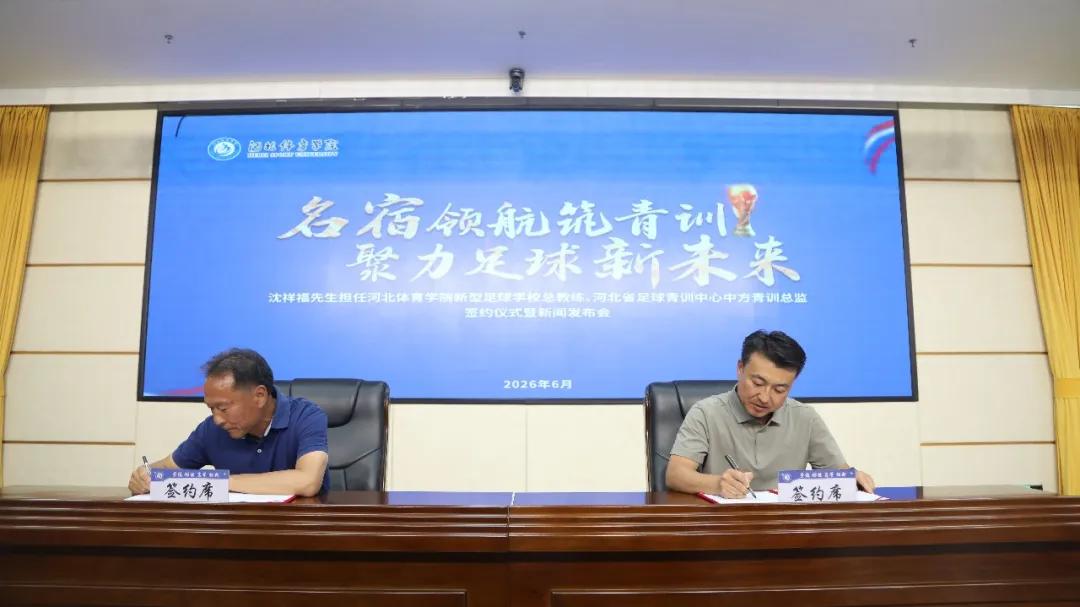
On the afternoon of June 24, 2026, Shen Xiangfu officially became the head coach of the Hebei Sport University New-Type Football School and the youth training director of the Hebei Provincial Youth Football Training Center. This marked the beginning of a new journey for this legendary figure in Chinese football.
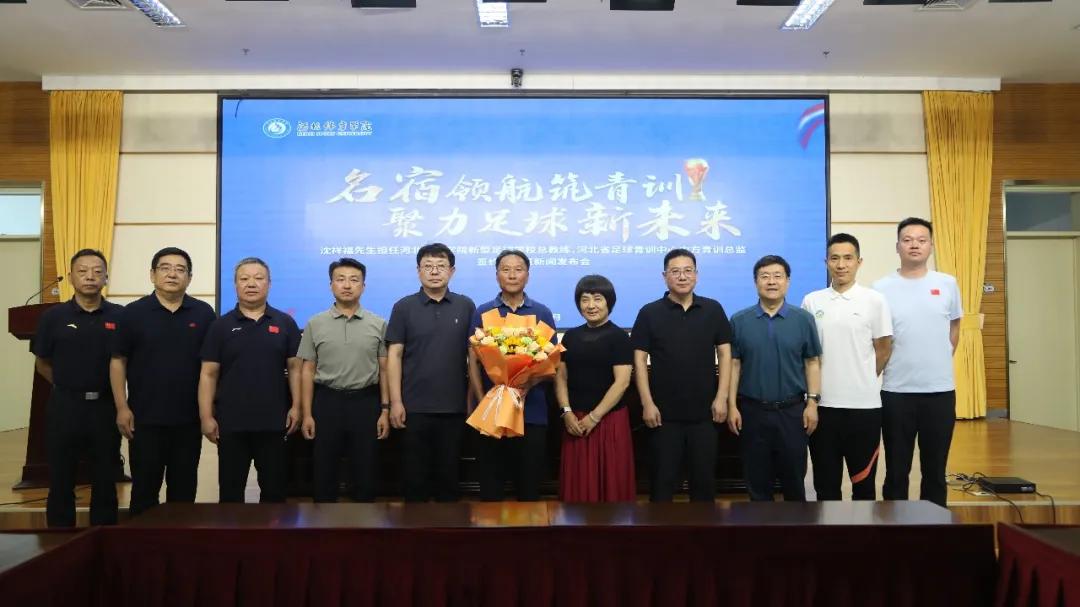

"In my life, I've basically done only one thing—football," Shen Xiangfu said. To many of his disciples, Shen is almost obsessively devoted to the sport, a fact he never denies. When asked why, he smiled and told a story.
"When I was young, I happened to grow up during a special period. Due to objective constraints, I never received systematic formal training. My family lived in Xicheng District, not far from Yuetan Sports Ground. Every weekend, there were workers' football matches there. I would go to the field and stand behind the goal to watch. While watching, I helped retrieve balls that flew off. I was happy if I could pick one up. There were matches in the morning and afternoon. I stayed to watch all day, not feeling hungry at noon and not wanting to go home for lunch."
In those days, there were no TV broadcasts, no professional youth training systems. If a child wanted to get into football, they had to go to the pitch themselves. Shen Xiangfu went to Yuetan Sports Ground and began his football career from behind the goal there.
Someone asked Shen Xiangfu why he went to watch those games back then, and whether he even knew what football was. He replied, "To put it simply, I just liked it." That's his way of expressing things—everything complicated becomes plain talk in his mouth. But that simple phrase is something he has spent most of his life putting into practice.
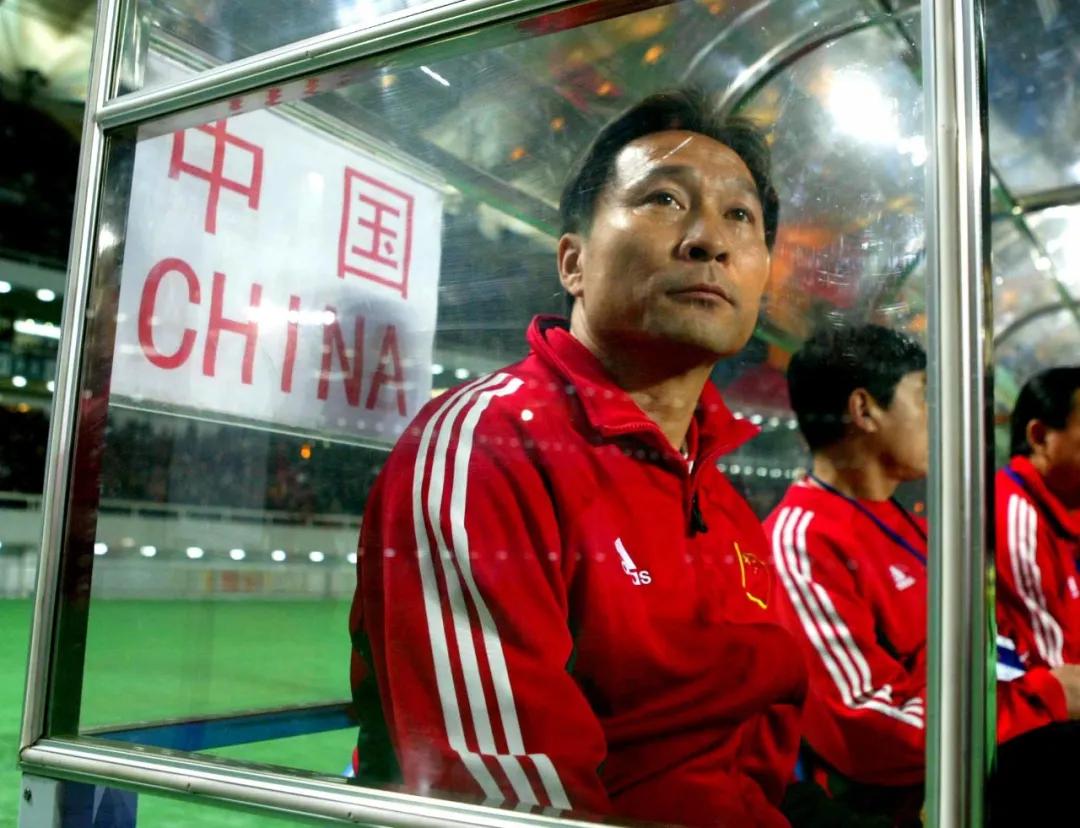
From the Beijing team to the national team, and then to Japan, Shen Xiangfu's name is etched into Chinese football history. Later, he became a coach, leading teams from the national youth to the Olympic squad, and from Beijing, Shanghai, Guangzhou, and Shenzhen to Changchun. Whether as a player or a coach, his career has spanned almost every important era of Chinese football. He coached the national youth team to a competitive match against Argentina at the World Youth Championship, led Jia-A and CSL teams, and later coached elementary school kids in campus football. Now, leading teams has become his main focus, and this time in Hebei is no exception. Strictly speaking, he has coached players born from 1981 to 2016, covering nearly every generation.
Asked what the most precious thing in his coaching career is, Shen Xiangfu said it's a photo—the group photo of the national youth team from back then. "Four and a half years—we had deep bonds." He took that group of kids from the youth team to the Olympic team. In the morning, he stood at the front during roll call; at night, he was the last to leave after room inspection. At the 2001 World Youth Championship, that team competed fiercely with the host Argentina, losing 1-2, and that match is still talked about today. Among those players, Qu Bo, Du Wei, and An Qi made it to the national team; Sun Xiang went to PSV Eindhoven; others gradually left football. Shen Xiangfu doesn't often mention each name, but he knows where every player ended up. To this day, his greatest wish is still to lead another team to the World Youth Championship.
Some say Shen Xiangfu is too old and question whether he can keep up with modern football concepts. Zhang Qi and Chen Kai, who received youth training at France's FC Metz, believe that Shen's ideas have been evolving. They note that the transitions he emphasizes are exactly what modern football values most. "Maybe the way he expresses it is different, but the core is the same," Zhang Qi said.
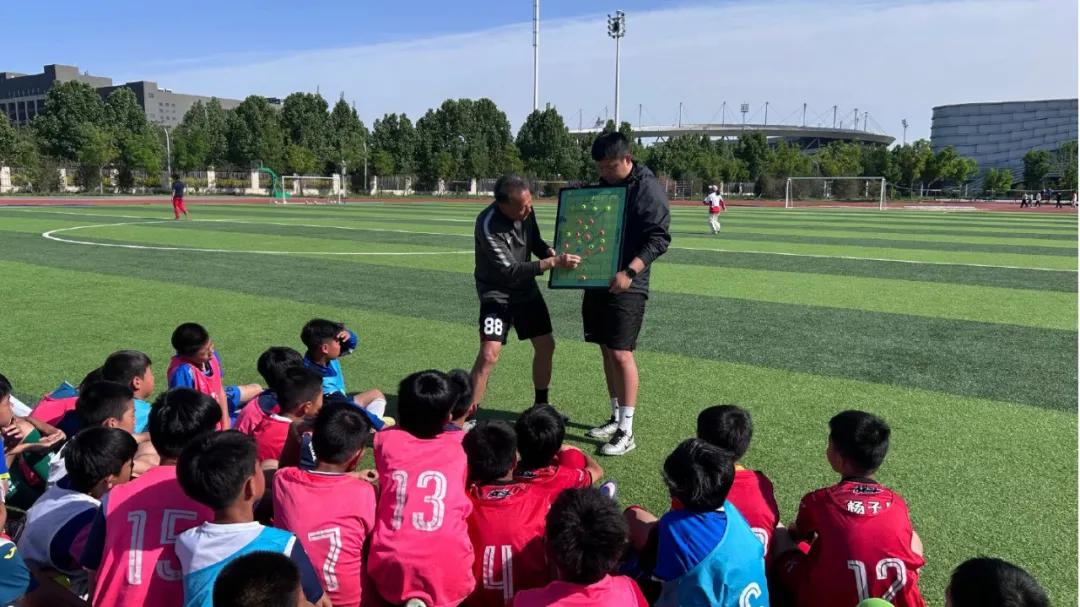

More than 20 years ago, Shen Xiangfu had already developed his own coaching philosophy, with the core being speed. "On the pitch, if you're just one step faster than your opponent, you win. Quick acceleration, fast starts, rapid thinking—if you're one step quicker, you win." He has been saying this for over 20 years, understanding it more deeply each year. That's why he said in his inaugural speech: "My requirements stem from decades of deep understanding of how advanced football combines with the characteristics of Chinese players, accumulated through practical coaching experience."
In 2021, when Roberto Mancini's Italy beat England in the European Championship final via penalties, it had been exactly 20 years since the Argentina World Youth Championship. Former player Wang Xinxin, now a coach himself, called Shen Xiangfu specially: "Coach Shen, Mancini won the Euros with Italy using transitions and counter-pressing—fast tempo, lots of touches, flicks, and deflections—exactly what you used to teach us."
Shen Xiangfu joked with Wang Xinxin: "Now that you're no longer a player, you start thinking. When you were a player, you only focused on your own position and carrying out the coach's tasks. Now as a coach, you have to face an entire team and think about every tactical arrangement." That a former disciple came back to say that meant his coaching hadn't been in vain.
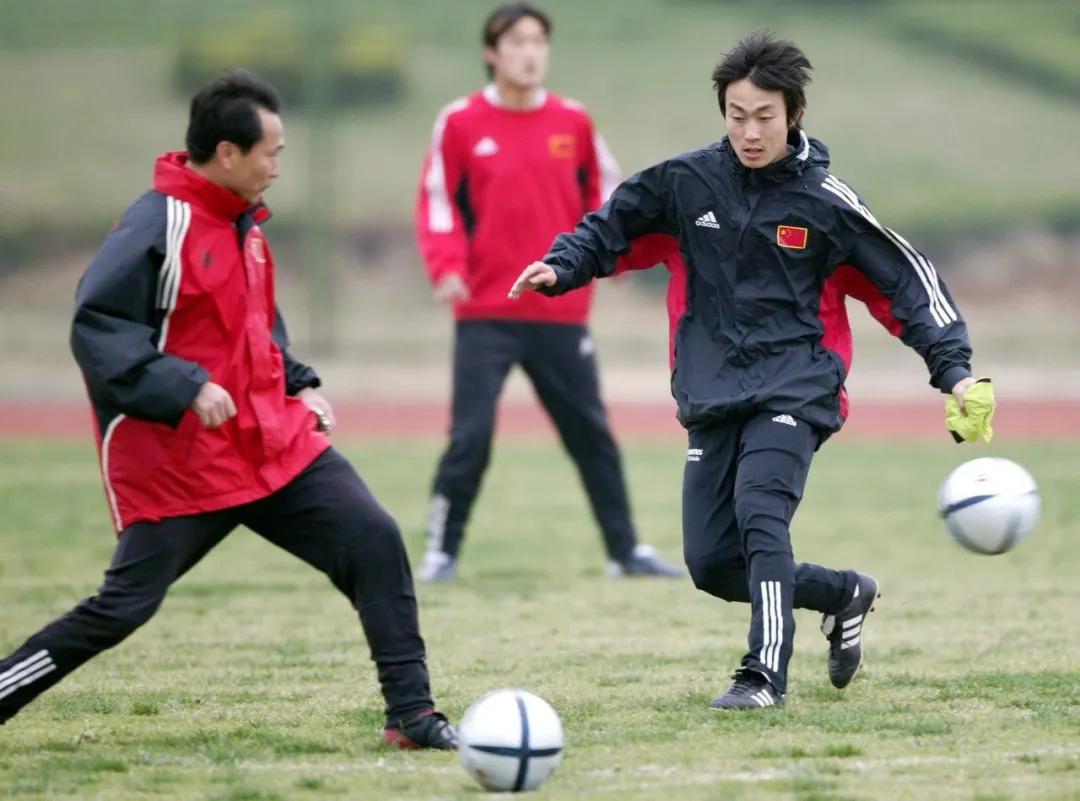
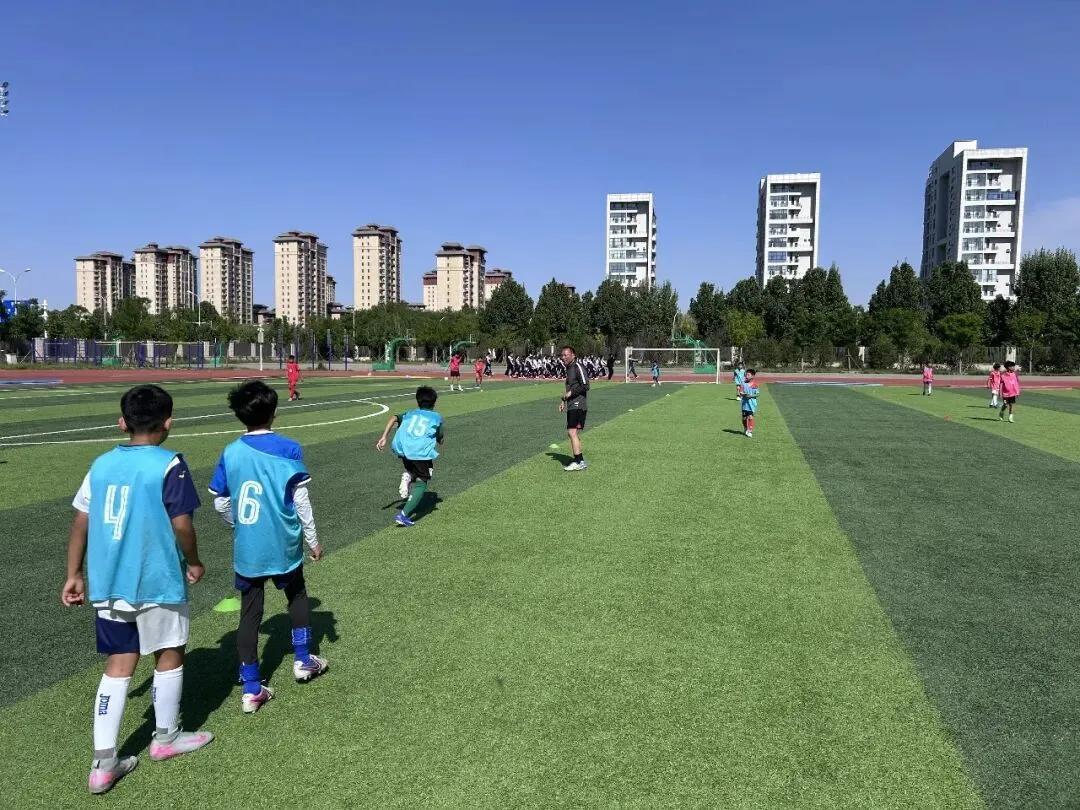
In April this year, Shen Xiangfu brought these concepts to the Hebei U11 elite training camp. His work pace at the camp was no different from that of a professional team. He held at least three meetings with the coaching staff every day—one after breakfast, one after lunch, and one after the evening training session. He personally demonstrated techniques and carefully checked every child's movements.
Whenever a child was eliminated, Shen Xiangfu would press Zhang Qi: "Are we sure we didn't miss something?" Assistant Chen Kai said that Coach Shen treats youth training with the same standards as professional teams. Chen Kai had seen European training methods before, but Shen's level of commitment still surprised him.
Changchang, from Baoding, was one of the youngest children in the camp, born in 2016 and trained for only a year and a half. His mother, Jia Jiao, rented a short-term apartment near Shijiazhuang No.1 High School and came to the training field every day to watch. She said she never imagined Shen Xiangfu would personally provide technical guidance throughout the entire session. Another local child from Shijiazhuang, Zeze, was given jersey number 3 during selection—he had previously worn numbers 7, 8, and 11, but never 3. His father, Yang Lei, who had once been a youth player for the August First team, was confident in his son's abilities but still waited outside the school gate for an entire morning.
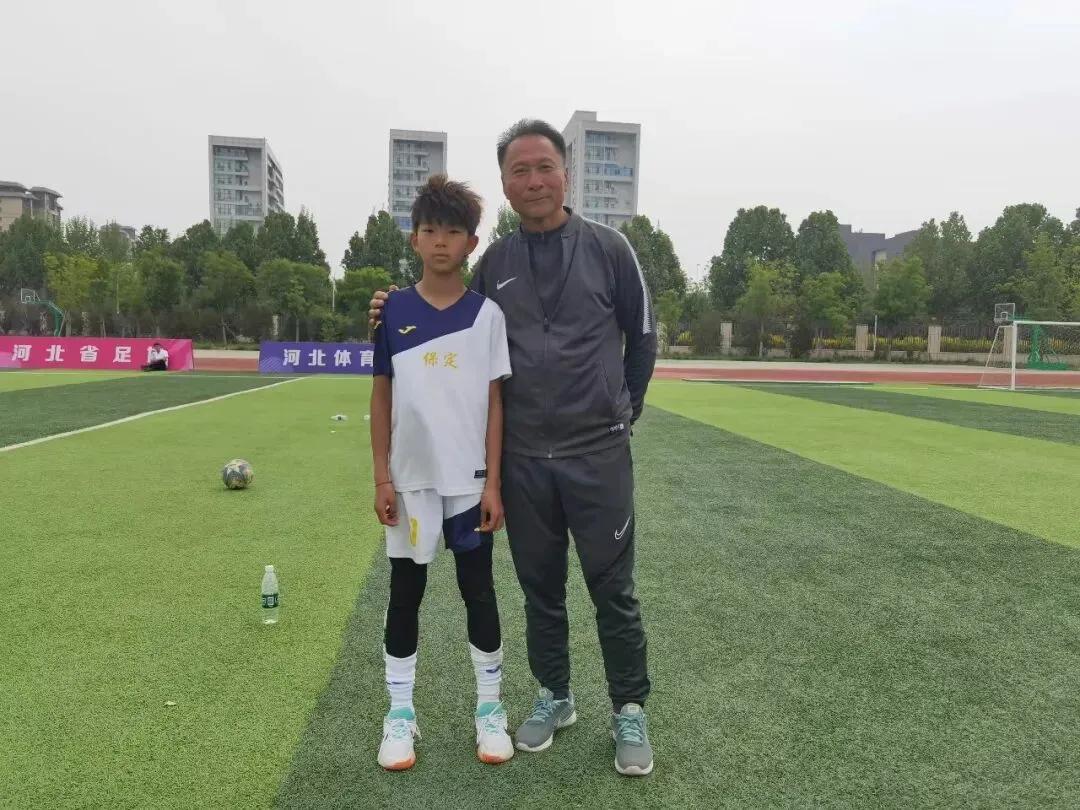
On the sidelines, youth coaches from various parts of Hebei pulled out their phones to record Shen Xiangfu's training sessions. No one asked them to; they simply felt that if they didn't record it, they might never see it again. One coach said that watching Coach Shen's training was more rewarding than attending coaching classes. When Shen heard this, he simply remarked: "Good youth coaches are too few, so children have fewer choices."
When he was youth training director in Shenzhen, Shen Xiangfu found that many players came from campus football programs. His primary challenge was insufficient training time—only two hours a day. He believed that training time was an objective condition that couldn't be changed, but if there had to be a difference after half a year to a year, he had to make those two hours match the demands of professional youth teams—compact, high-quality training content. Six months later, his team showed a clear gap compared to others training under the same conditions. With the same duration and facilities, his team had noticeably higher passing success rates, off-ball movement awareness, and transition speed from attack to defense. It wasn't a gap in talent; it was a gap in training quality.
When facing difficulties, Shen Xiangfu's approach is not to lower standards but to maintain requirements while adjusting the methods to achieve them. This is something he has been doing for years, and now he intends to do it all over again in Hebei.

There are very few local coaches in Chinese football who have led both the national youth and Olympic teams and also coached top-tier professional league teams for nearly 20 years. Shen Xiangfu is one of the best among them. Even after deciding to focus on youth development, various professional clubs tried to change his mind, but Shen stood firm and remained committed to youth training.
Committing to youth development sounds easy, but in practice, every step is uncertain. Starting in 2021, Shen Xiangfu visited many cities, encountered many youth training projects, and saw many plans. In some places, high-level symposiums were held, but once the meeting ended, everything stopped. In others, impressive documents were produced with flawless outlines and policies, but at the execution stage, nothing worked—the document became just a piece of paper. Shen Xiangfu is reluctant to talk much about these experiences. When pressed, he only says lightly: "I've been to many places across the country. Sometimes, I sit down and listen to a few sentences from the other side, and I know whether it's reliable."
From the end of April to the end of June—nearly two months—Shen Xiangfu is still here. That itself shows that Hebei football is doing something different.
Guo Zhiwei, president of Hebei Sport University, hasn't known Shen Xiangfu for long—just a few meetings and phone calls. Yet Shen said at his inaugural press conference: "After coming to Hebei, I saw the high level of importance that all levels of Hebei government place on youth football, which deeply moved me." Privately, Shen put it more bluntly: "President Guo is serious about getting things done. I can feel he truly wants to make it work." Having traveled to many places over the years, this statement from Shen carries significant weight. He has met many people—some with great eloquence, some with impressive résumés—but he only values one thing: whether they are genuinely committed to doing a good job.
When Shen Xiangfu came to Shijiazhuang in April to lead the training camp, he saw a system already in motion. The Hebei Provincial Sports Bureau's Big Ball Sports Center had gathered elite players from 13 cities and outstanding social youth training institutions. Shijiazhuang No.1 High School provided dormitories and fields, and Hebei Sport University sent teams for events and teaching support. Selected children were eligible to participate in national invitational tournaments against peers from Shanghai, Chongqing, Xi'an, and Zhidan County—teams that Shen in previous years would have struggled to arrange matches against. From April 25 to May 6, the training camp, elite selection, national invitational, and new-type football school seminar were carried out seamlessly in a well-coordinated sequence.
What impressed Shen Xiangfu most was not any single component, but the system Hebei provided. The Hebei New-Type Football School was approved as one of the first national pilots in November 2024, and in 2025 it took the lead in drafting national construction standards. The Zhangjiakou Football and Ice-Snow Sports School has already built three complete age-group teams from 2009 to 2014. The 2013/14 team won the U12 championship in the Hebei Youth Football Championship last year. Shen never mentioned these facts himself, but he clearly noticed them. He said simply: "What Hebei is doing is very meaningful—one is the new-type football school, and the other is complete multi-age-group teams, not just a single team."
This statement gains weight when compared to his own experience. He once helped a youth team in the southwest region maintain its structure without any compensation, covering travel expenses for away games out of his own pocket. His reason was simple: if the team fell apart, those kids would have nowhere to play. Later events proved that relying on one person's input to sustain a team was not a long-term solution, whereas the new-type football school system inherently solves this problem.
In fact, Hebei's youth football development had already shown a different character in Zhangjiakou's Chongli district. The combination of ice-snow sports schools and football created a refreshing "post-Winter Olympics" sustainable development model. The "3+4" integrated program between the ice-snow sports school and the Northern College became a provincial model, and the new-type football school built upon it became one of the first two national pilots. Bottom-up promotion and top-down guidance—this is the "Hebei youth football development system" that moved Shen Xiangfu.
Thus, what happened two months ago was no coincidence. On the morning of April 26, at the Hebei Olympic Sports Center athletes' dining hall, Shen Xiangfu was having breakfast. Lee Jang-soo walked in from the entrance. Shen put down his chopsticks, stood up, and waved. Lee said, "You came, so I came."
Two old men, nearly 140 years old combined, met for the fifth time in their lives in Zhengding, Hebei. The previous four times were all in professional leagues—in 2006 at Beijing Guoan, where Shen handed over the coaching position and his training stopwatch to Lee; in 2010 at Guangzhou Evergrande, where Lee took over the team Shen had left behind; and at Changchun Yatai and Shenzhen, where both had coached the same club at different times, their fates intertwining repeatedly. This time, it was not on the sidelines of a professional league but on a youth training field. The stage was set for them by Hebei.
Five years ago, Shen Xiangfu said: "Youth development is the root of Chinese football. If the root goes deep, football can grow strong." When he first said it, many thought it was just a slogan. Five years later, he repeated the same words at his inaugural press conference. Those in the audience knew that over these five years, Hebei had implemented one thing after another—the "3+4" academic pathway, the framework of the new-type football school, the summer training budget... all put into action.
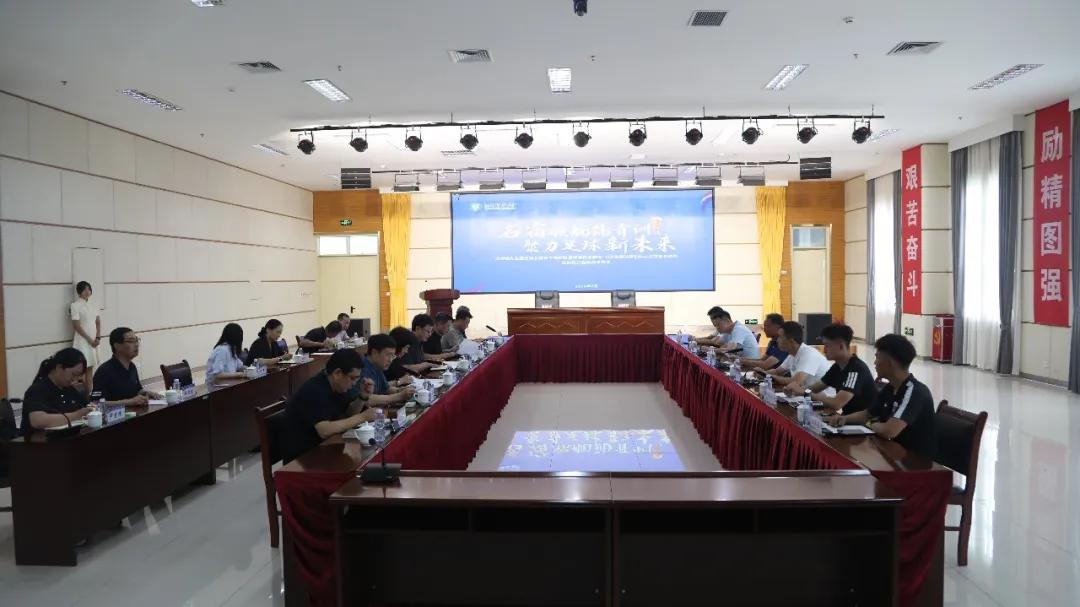

At the signing ceremony with Hebei, someone asked him what his first step would be. Shen said: "Summer training." Then he added: "My workplace for my whole life has been the football field. This time in Hebei, my workplace is still the football field." If that was a statement, his next remark revealed his attitude. "I won't be a director who points fingers from the sidelines. I want to teach the children by example on the field, and grow together with the young coaches. If the day comes when I can no longer step onto the training ground, I will leave on my own." He said this with strong determination.
Starting from July's summer training, Shen Xiangfu will formulate a unified training plan. Every team must strictly follow the requirements. Shen is not worried that young coaches might lack confidence—he will personally demonstrate and teach without reservation. Chen Kai and Zhang Qi were brought up this way during the training camp. After each day's training, he would call the two assistants together to review the day's content: which parts were executed well, which needed adjustment—he'd go through each point. Before the next day's training, he would reconfirm the plan. He has his own rhythm: first, make the coaches understand his training philosophy; then, let them watch how he conducts sessions; then, let the coaches take over while he observes, stopping immediately to correct any mistakes. Those familiar with Shen know that his idea of teaching is not lecturing and leaving—it's standing at the edge of the training field, watching young coaches implement his methods, correcting them on the spot until it's right.
The core of summer training is ensuring adequate training time. Children have only two hours a day during school terms. Shen plans to use the summer vacation to utilize mornings, afternoons, and evenings. He repeatedly emphasizes that without sufficient training duration, it's impossible to see progress and change in the kids.
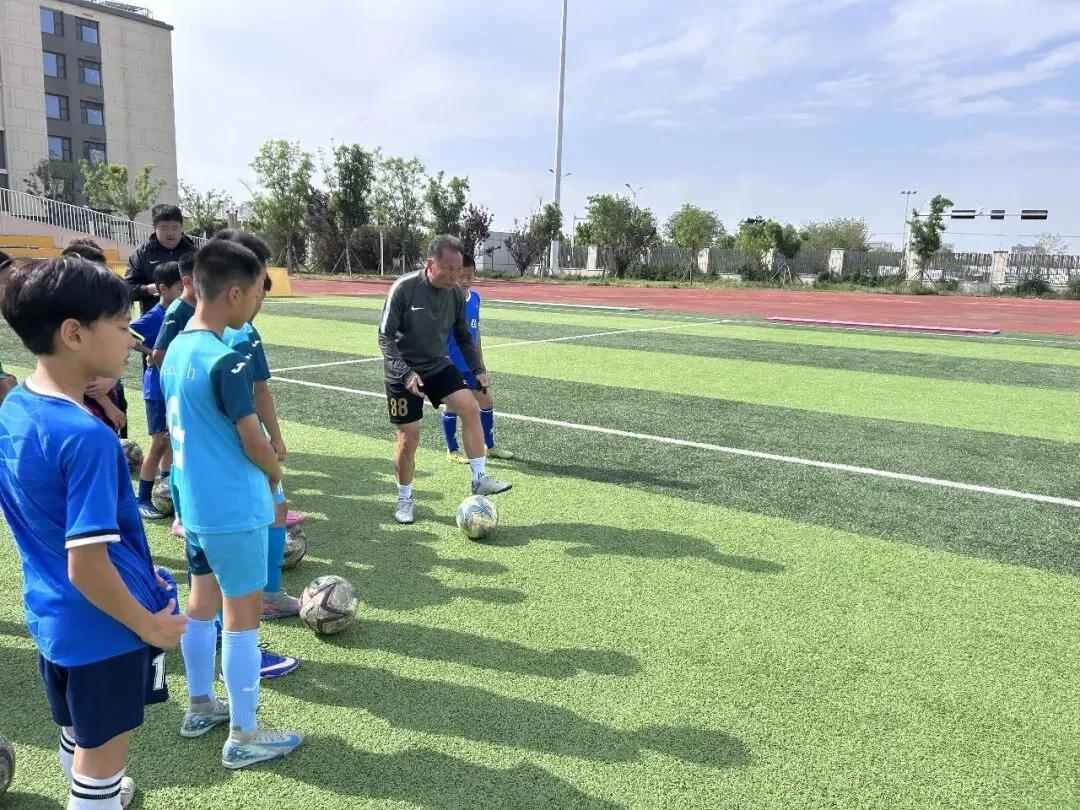
Regarding the goal of summer training, he said at the press conference: "What I mean by 'devil training' is not torturing children, but scientifically controlling the scope to increase training intensity, accelerate the tempo, and reduce intervals on the field, so they adapt to high-intensity, high-confrontation situations." He specifically stressed "scientifically controlled." He has seen too many people misunderstand devil training as simply adding volume and time—something he disagrees with. True devil training is maximizing efficiency within limited time, not endlessly extending hours to burnout kids. He said: "No pain, no gain." He believes children can handle intensity, provided the coach knows how to apply it scientifically.
Shen Xiangfu gave an example. He has seen similar scenes countless times at different levels: for the first 70 minutes, both sides could play combinations; in the last 20 minutes, even the most skilled players couldn't pass accurately. It wasn't a drop in ability—it was physical fatigue. If training intensity isn't high enough, they can't hold up at that critical moment.
This isn't something he read from a manual—it's a conclusion repeatedly verified over countless training days and match days. He doesn't need to check references; these conclusions are embedded in his body and memory. He started playing football in his teens and began coaching in his 30s. Over decades, he has hardly left the football field. He has experienced both the best and worst times of Chinese football. These experiences can't be taught in any coaching course.
In recent years, Shen Xiangfu has been to many places, attended many kinds of high-level meetings, and heard many slogans about "high importance." Perhaps Hebei is not the best place he has encountered, but it is certainly the place with the simplest goal: to do youth football well and produce some talent. A 69-year-old Beijing native, after traveling across much of China, has finally found a place where he doesn't need to worry about navigating bureaucratic hurdles—and he happens to be good at only one thing: standing on the football field.


Wonderfulshortvideo

messi goal today messi assist today messi highlights vs egypt enzo fernandez goal today romero goal today argentina goals today argentina 3-2 egypt



“Wonderful player, fantastic player, could not run” 😅

Neville, Keane and Wright DO NOT agree on the future of Argentina in the World Cup 👀

“It gave you everything” 👀
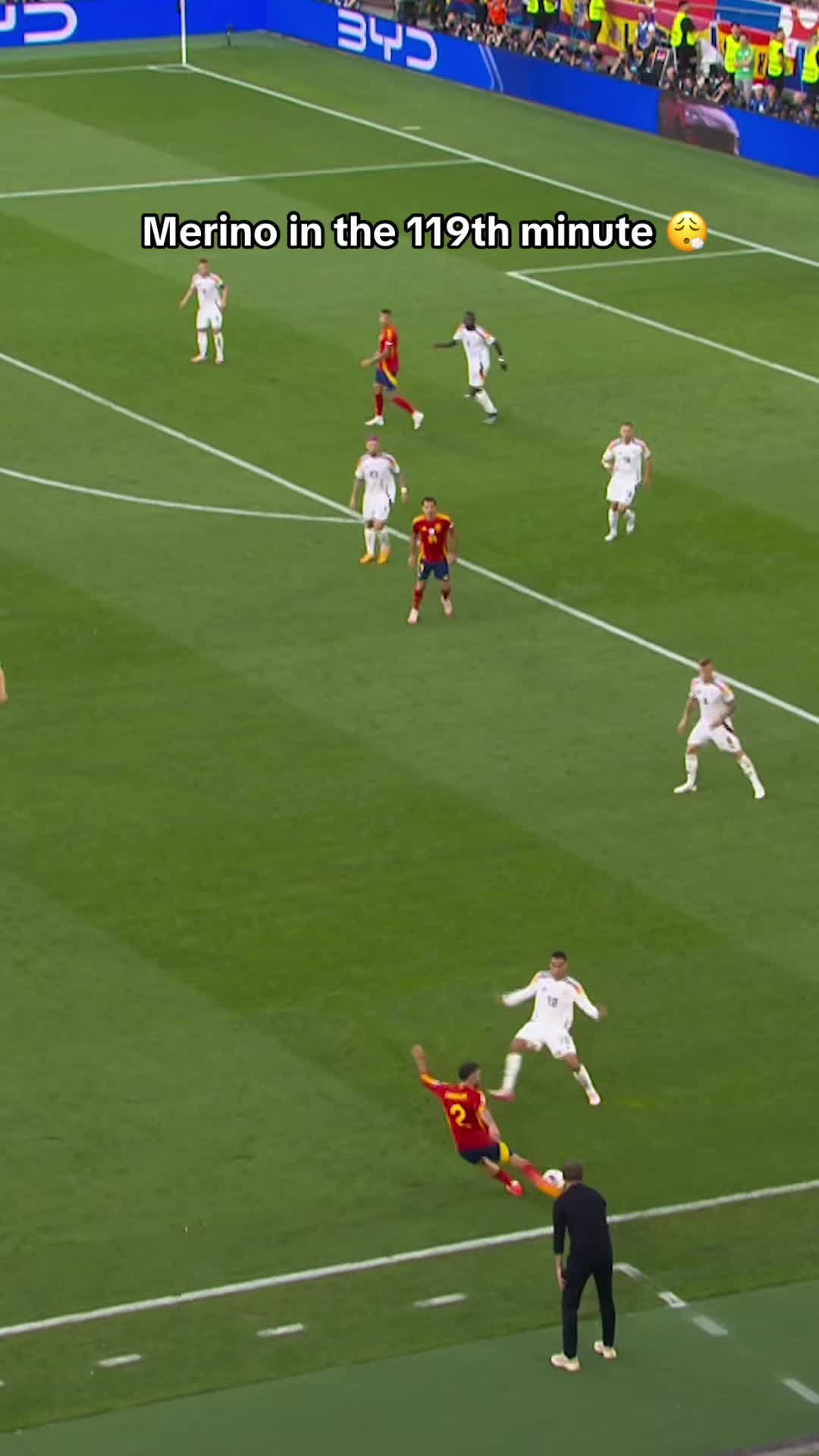
Clutch Merino 😮💨
merino goal today portugal 0-1 spain ronaldo interview today ronaldo retirement retiring

kane goal today kane highlights today england 2-1 congo
 Links
Links
 Contact
 App
App


