



The expansion of the World Cup has led to debates about "watering down" the competition? Those who would otherwise remain unseen now stand in the spotlight.


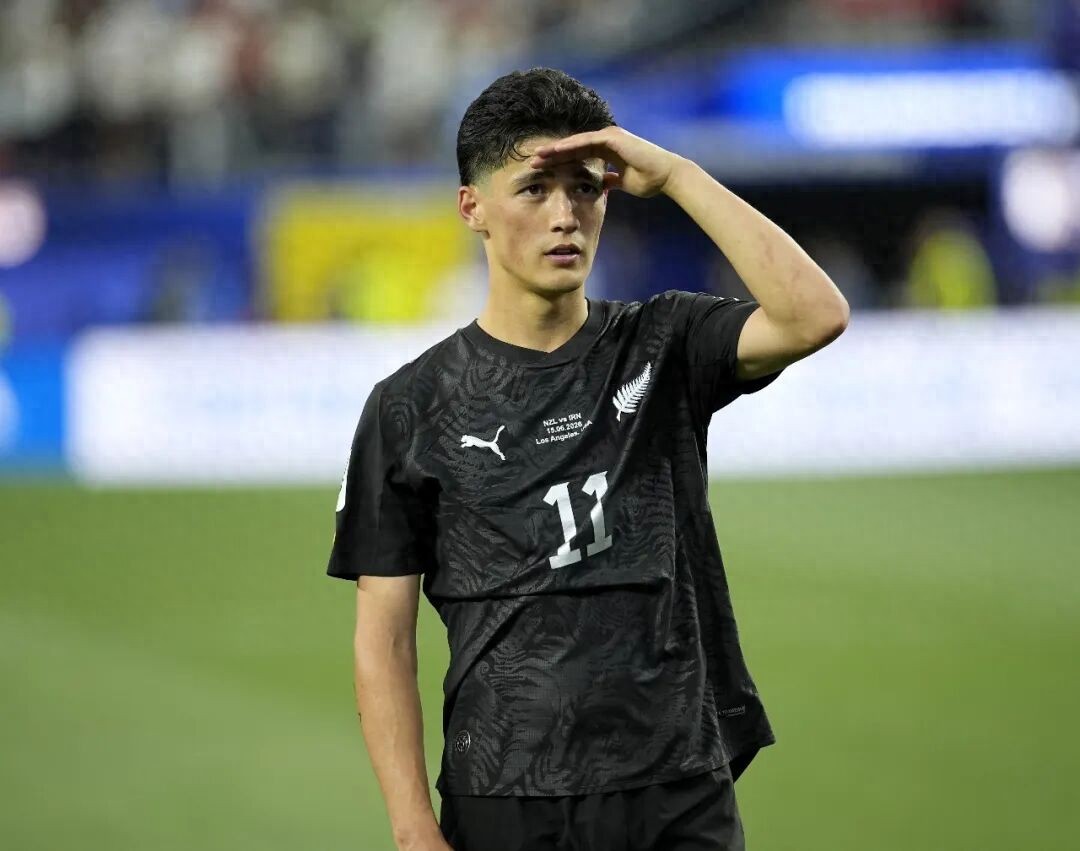
Written by Nan Nan In the final group match against Belgium, New Zealand needed a victory to secure a spot in the knockout stage—a feat the entire world thought impossible. At minute 75, trailing 0-3, Juste collected a pass from Wood and fired a shot that soared far beyond the goal. That was the first time they managed to link up and produce a scoring chance in the entire game. Facing the Red Devils, New Zealand appeared utterly dwarfed.
In the 84th minute, Juste unleashed a volley from the edge of the box, finding the net to score his third goal of the World Cup. He etched his name in history as New Zealand's all-time top scorer in World Cup tournaments. However, his team's resistance only provoked a harsher response from the Belgians, resulting in a 1-5 defeat.

Chinese fans paid special attention to Juste because his mother is Chinese and his father is German. In the opening group match against Iran, Juste became the first New Zealander to score a brace in a World Cup game. Indeed, for New Zealand, participating in the World Cup is an infrequent occurrence, and even when they reach the finals, they remain underdogs.
After the match against Iran, Juste said in an interview: "We proved we can be a dangerous team. Getting a point in the World Cup is tough; you can't be disappointed with that."
Juste should not be disappointed, and neither should New Zealand. Simply standing on the World Cup stage is a success in itself. Yet this kind of success—which might seem trivial to football superstars—requires Juste to give almost everything he has.
In 2019, Juste left New Zealand to join a Danish third-division club. Over the following years, he drifted through European second-tier leagues, playing only one brief season in the top flight. Last season, he was even loaned to an Austrian second-division team. When he transferred to Scottish Premiership side St. Johnstone last summer, few were optimistic about the move. Doubts arose because Juste was physically slight and virtually unknown, and the fierce physicality of Scottish football daunts even Premier League clubs. One season later, Juste delivered 7 goals and 8 assists in 30 league matches, earning the club's Player of the Year award and a spot in the Scottish Premiership Team of the Year. His market value skyrocketed from €300,000 to €1.5 million. He said in an interview: "A year ago, I never dared to imagine I'd reach this point."

His three World Cup goals pushed his value even higher—now Transfermarkt values him at €2.5 million. Beyond the price tag, Juste gave New Zealand fans their first taste of joy at a World Cup. New Zealand first participated in 1982, losing all three matches with 2 goals scored and 12 conceded. In 2010, they returned with three draws. This third appearance brought no victory either, but against Iran, Juste made fans believe a win was possible. New Zealand coach Bazeley said after that match: "That was probably our best performance. We came here to win, and we were so close to making history. No regrets—you can walk off this pitch with pride."
After the heavy loss to Belgium, New Zealand finished bottom of their group and were eliminated. They still haven't secured their first World Cup victory. From 1982 to 2026, nine matches without a win ties Honduras for the longest winless streak in World Cup history. Yet none of that matters—Juste's three goals will not be forgotten. This young man, who once played in the Danish third division, made his name known to all New Zealanders in just three games.
The World Cup should remember his name too. If the tournament only remembers superstars, it becomes no different from any commercial event. That the World Cup can remember Juste—and that we can remember Juste—represents another possibility for how football can be remembered.

Juste and New Zealand have departed, joined by 15 other teams, but each has left its own mark on the United States, Canada, and Mexico in different ways.
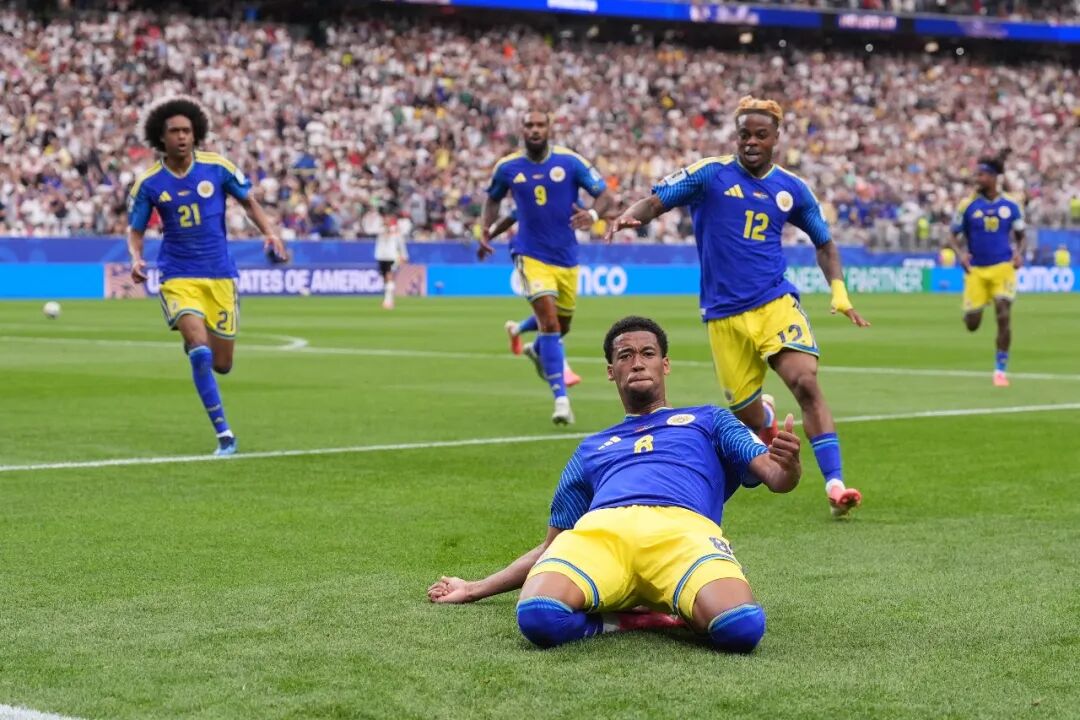
Curaçao, with a population of just 160,000, is the smallest nation ever to qualify for a World Cup. In their opening group match against Germany, Komenencia scored a rebound in the 21st minute—the first World Cup goal in the nation's history. From that moment on, the scoreline became irrelevant. Losing 1-7 to Germany is not unique. But a team from a country of 160,000 people scoring against Germany at the World Cup—that is their history.
The World Cup is a stage for creating brilliance because every team has its own version. Haiti, returning to the tournament after 52 years, lost all three matches but refused to park the bus. Against Brazil, they deployed a five-man defense but pushed the line high and attempted to build from the back. Knowing defeat was certain, they still chose to leave standing tall. Coach Migné said afterward: "Haiti took blows but didn't break. Our players proved they belong on the World Cup stage."
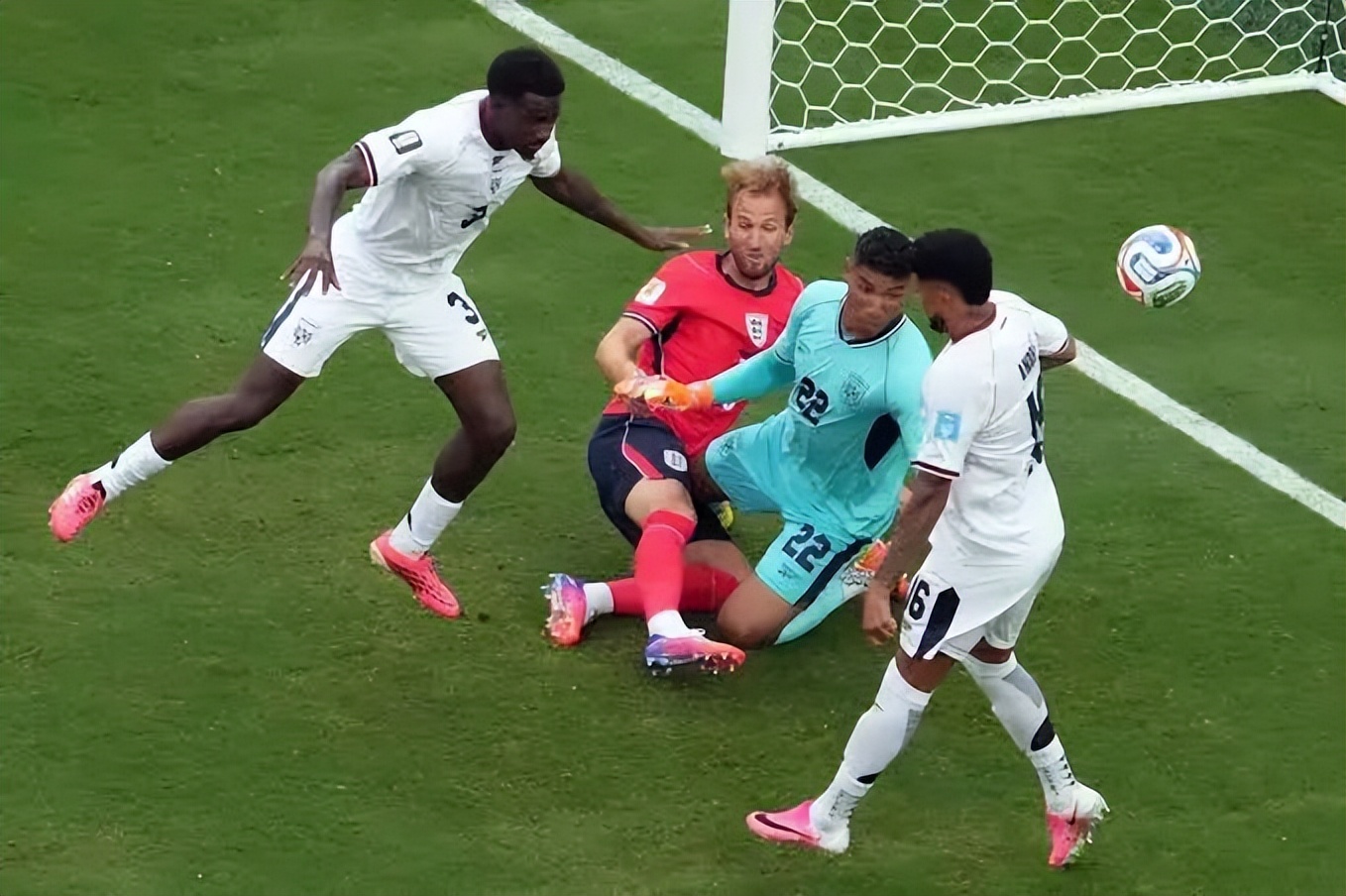
Then there is Panama. They failed to score a single goal in three matches—the first team in four World Cups to exit without a goal. For many Panamanian players, when their next World Cup appearance might come remains unknown. That's why they cherished every minute in North America. The images of Harvey, Bellingham, and Rashford clashing, or Córdoba repeatedly throwing himself in front of England's shots and crosses, may not make highlight reels—but no one can deny they truly happened on the 2026 World Cup stage.
Expansion has allowed more people to see the World Cup, and it has also allowed the World Cup to see those who might otherwise never be noticed—like Juste, like Curaçao. And don't forget Cape Verde and Ouaziani, who stood resiliently like a miracle.
Stars like Ronaldo, Messi, and Mbappé define the height of the World Cup, while people like Juste, Harvey, and Taremi define its breadth. Years from now, looking back at the 2026 World Cup, some may only remember the champions—but others will surely recall Juste with his East Asian face, and Curaçao leaving Neuer helpless.
Football legends can criticize the expansion for lowering the quality of matches, but none can ignore the effort these teams made to reach North America. Every squad fought for their World Cup dream—some, like Iran, fought every single day. In the 48-team era of the 2026 World Cup in the United States, Canada, and Mexico, no one came in vain. The beauty of the World Cup has never been solely about the joy of victory.


Wonderfulshortvideo
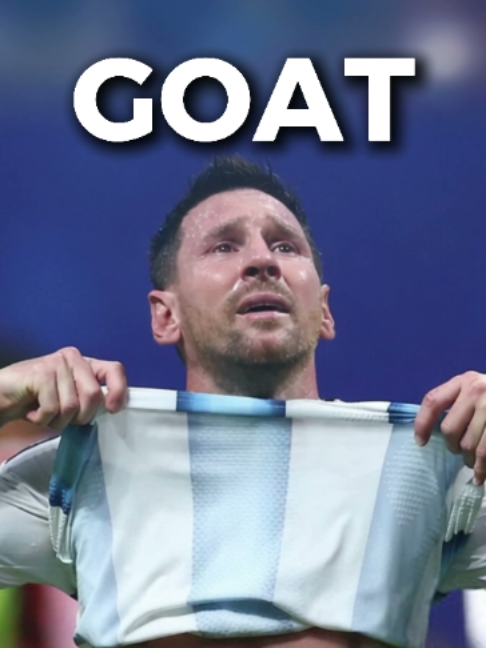
messi goal today messi assist today messi highlights vs egypt enzo fernandez goal today romero goal today argentina goals today argentina 3-2 egypt



“Wonderful player, fantastic player, could not run” 😅
Neville, Keane and Wright DO NOT agree on the future of Argentina in the World Cup 👀
“It gave you everything” 👀
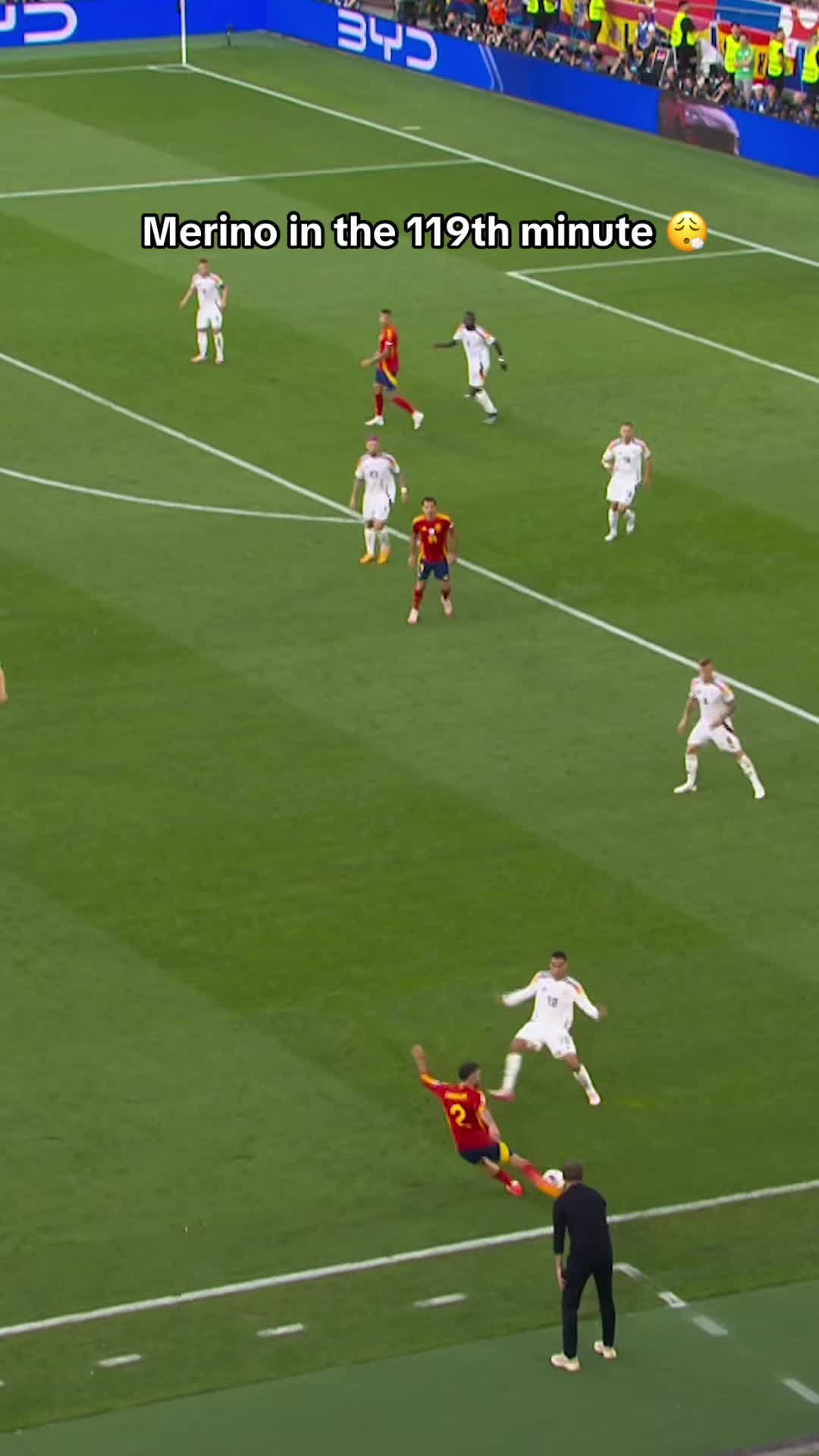
Clutch Merino 😮💨
merino goal today portugal 0-1 spain ronaldo interview today ronaldo retirement retiring
kane goal today kane highlights today england 2-1 congo
 Links
Links
 Contact
 App
App


