



South Korea and Iran suffer cruel elimination! The 32-team field is set, and the traditional World Cup begins tomorrow.



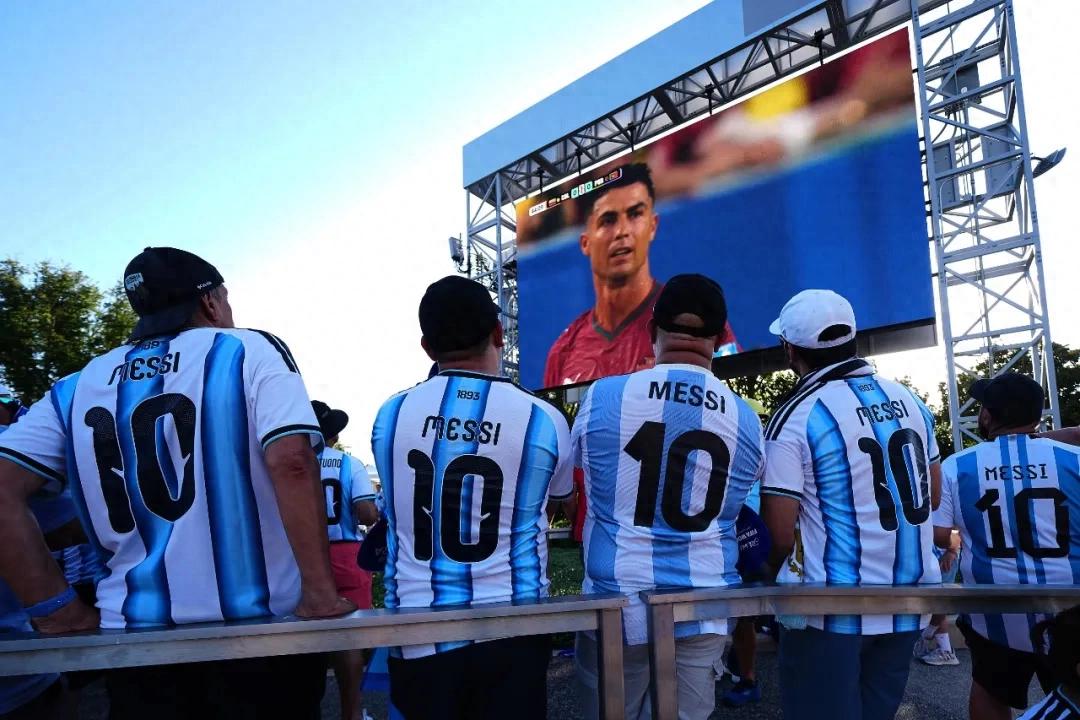
Written by Hanbing As the World Cup group stage concludes, all 32 teams for the USA-Canada-Mexico World Cup have been determined. The expansion has brought an unprecedented number of participating teams, matches, and spectators, but the 72 group-stage games seem to have produced fewer memorable "classic matches" than the usual 48. Only after all 32 teams were decided, with a significantly increased number of strong matchups in the Round of 32, does it mean that the high-quality World Cup we are familiar with has finally arrived.
Only seven of the 32 teams in the USA-Canada-Mexico World Cup are ranked outside the top 32 in the world, the same as the 32-team Qatar World Cup four years ago. Among them, 13 are from Europe, 9 from Africa, 5 from South America, 3 from North America, and 2 from Asia. The nine traditional powerhouses—France, Spain, Argentina, England, Brazil, Netherlands, Germany, Portugal, and Belgium—are all present. Strong teams such as Morocco, Colombia, Croatia, Japan, and Norway form the second tier of challengers. Cape Verde, DR Congo, Ghana, South Africa, Bosnia and Herzegovina, and Canada represent the dark horses that caused upsets in the group stage. The United States, with its "golden generation," hopes to make a breakthrough by leveraging its host advantage.
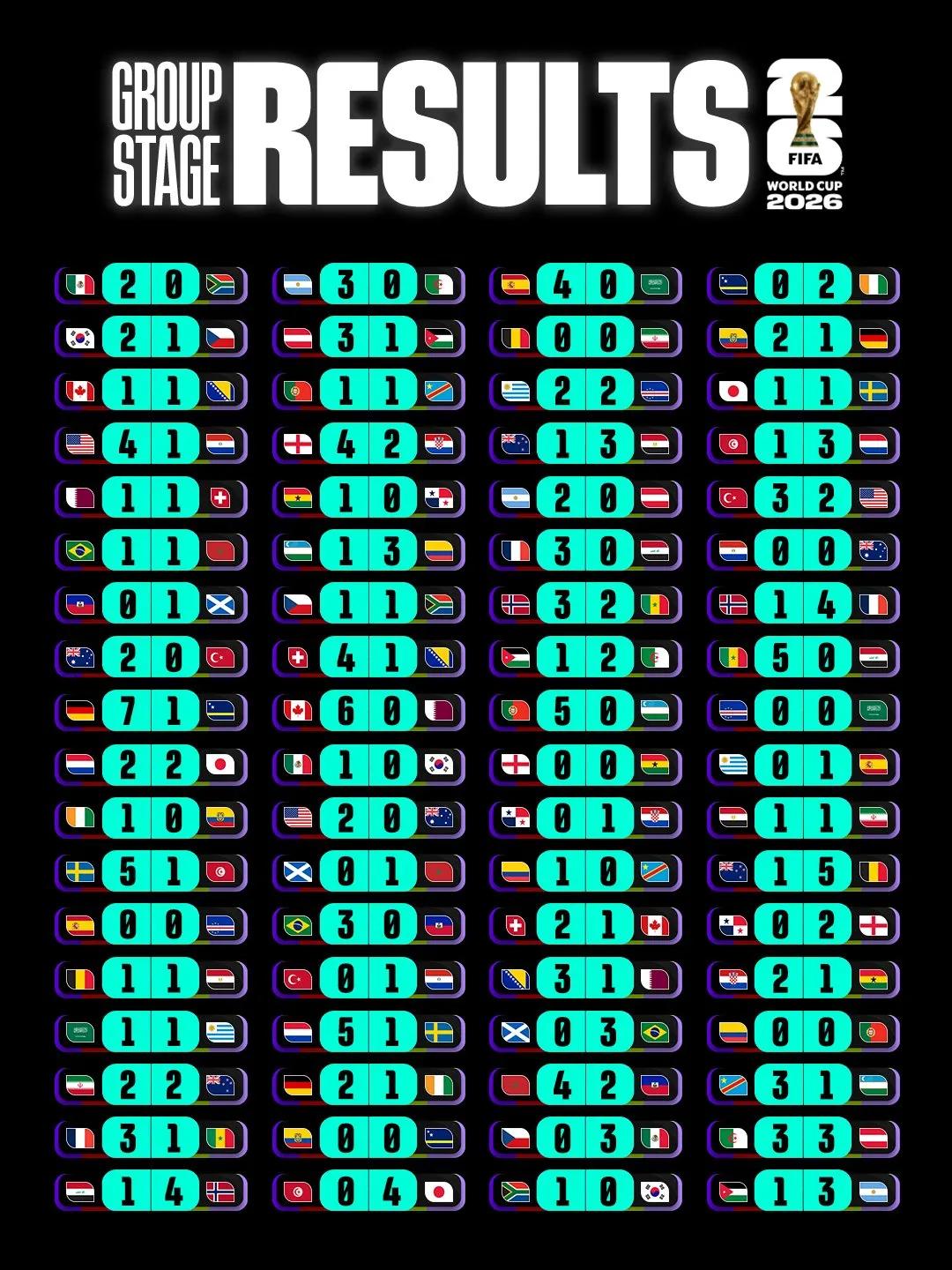
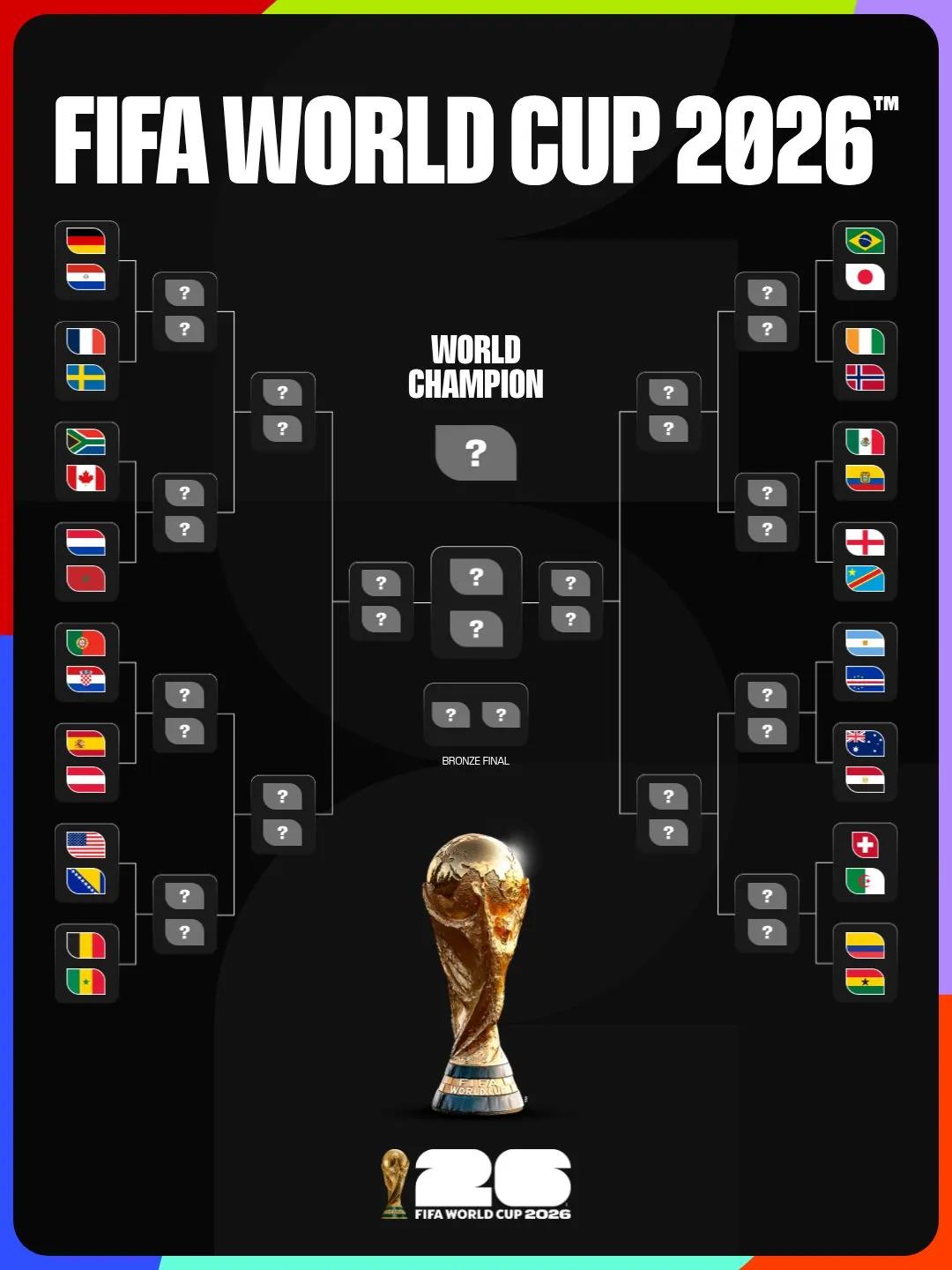
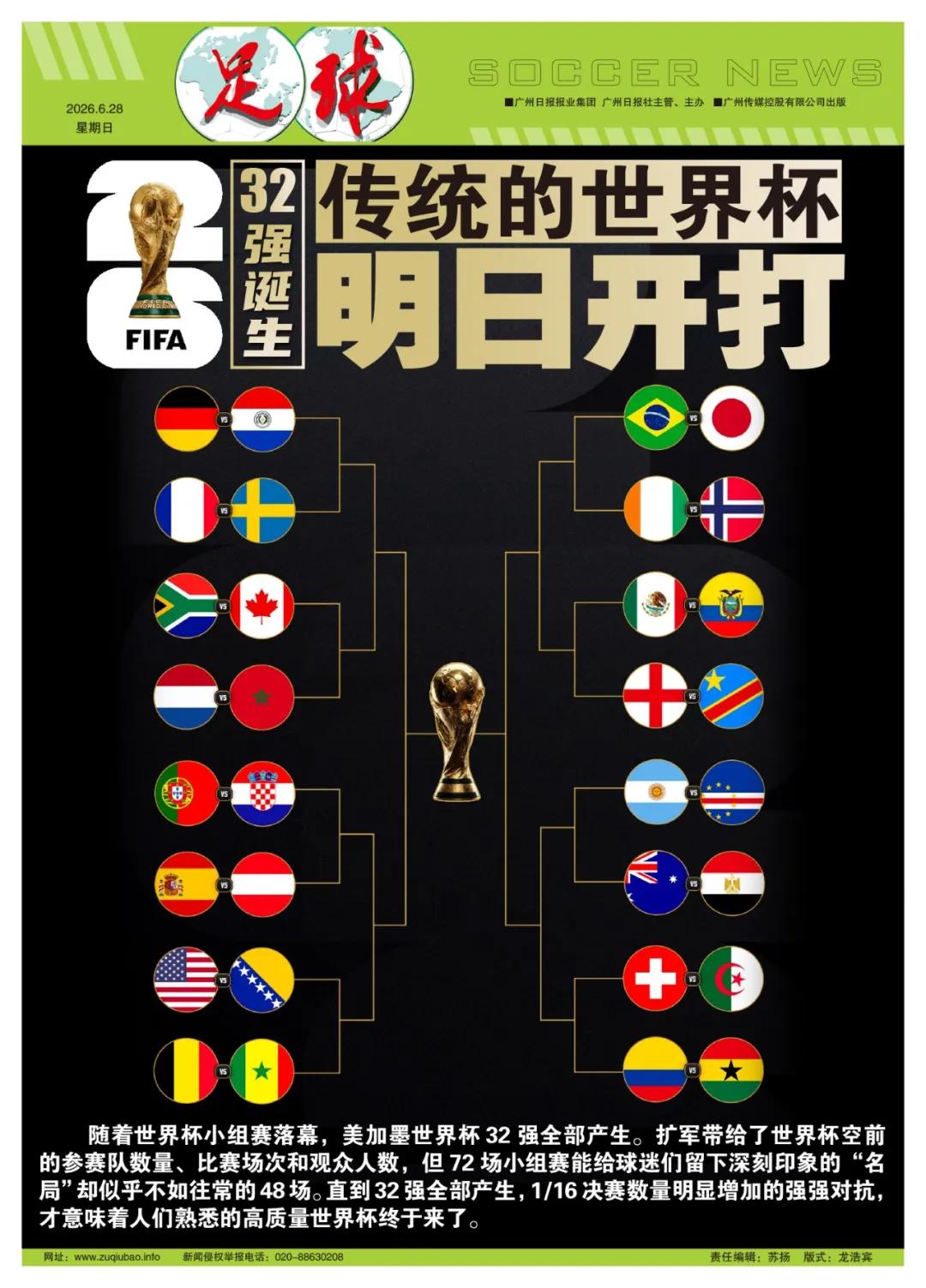
The Round of 32 matchups—France vs Sweden, Netherlands vs Morocco, Portugal vs Croatia, Belgium vs Senegal, Brazil vs Japan—are the kind of strong clashes that used to be common in the group stage, reminiscent of classic matches from four years ago: Netherlands vs Senegal, Argentina vs Mexico, Japan facing both Germany and Spain, Croatia and Belgium vs Morocco, Brazil vs Cameroon, Portugal vs South Korea and Uruguay, which had already brought the World Cup atmosphere to its first climax during the group stage.
In this sense, the Round of 32 of this World Cup is the true beginning of the tournament. At 3 a.m. Beijing time on June 29, South Africa and Canada, two newcomers to the knockout stage, will kick off the World Cup's battle among 32 teams.

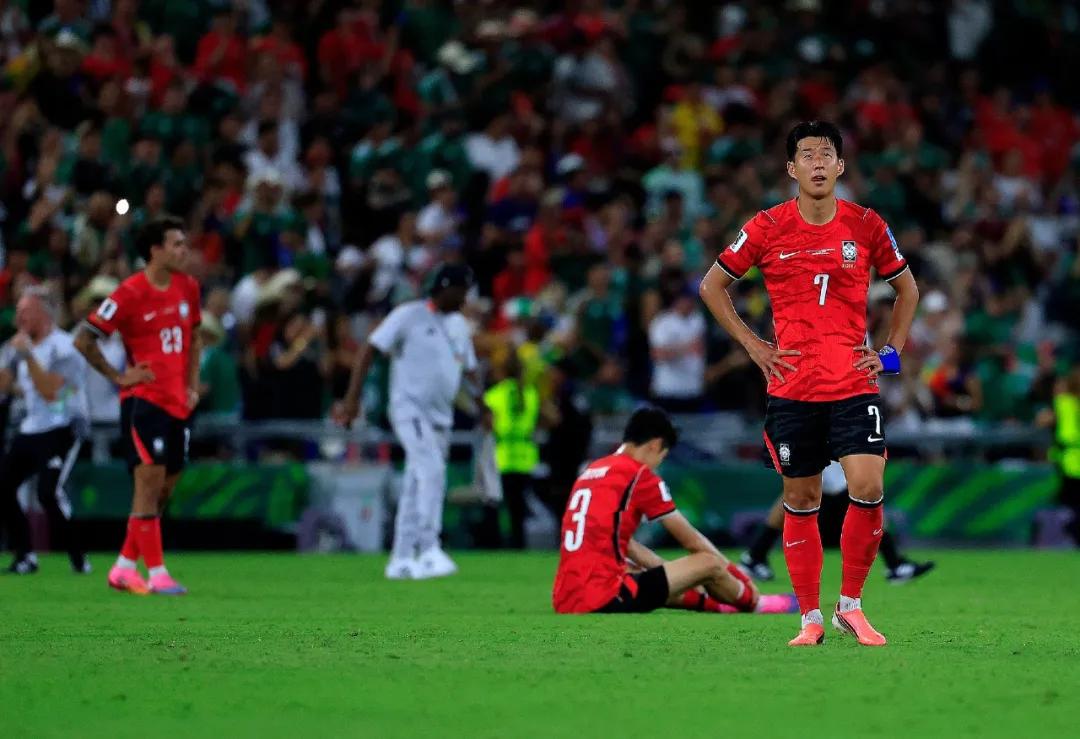
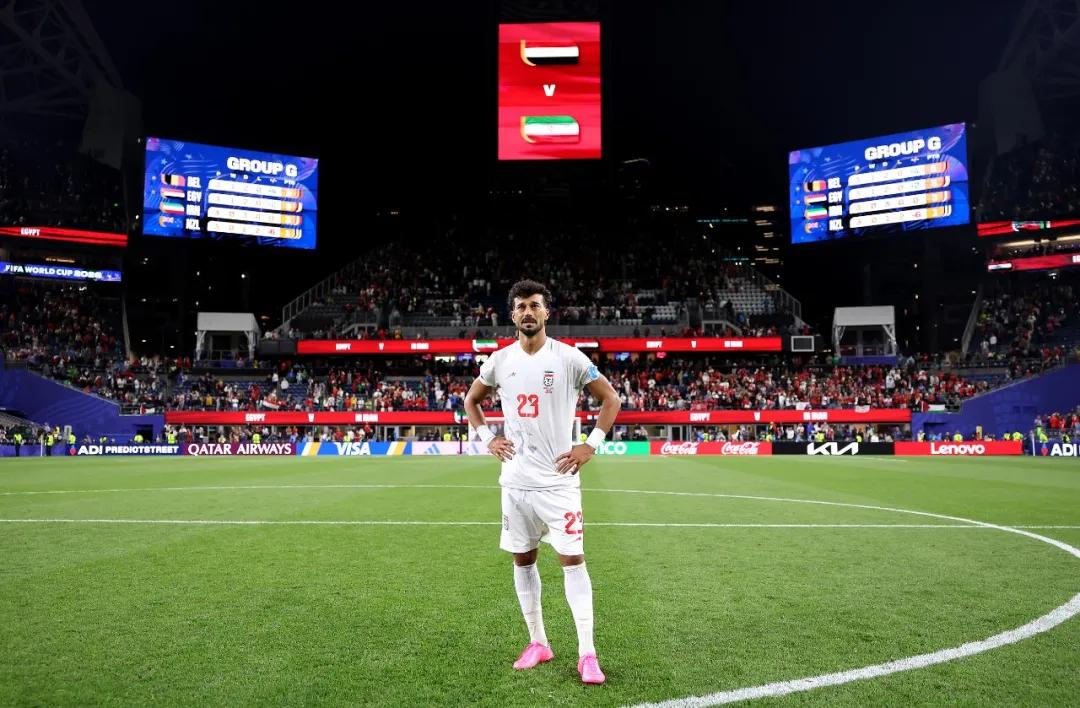
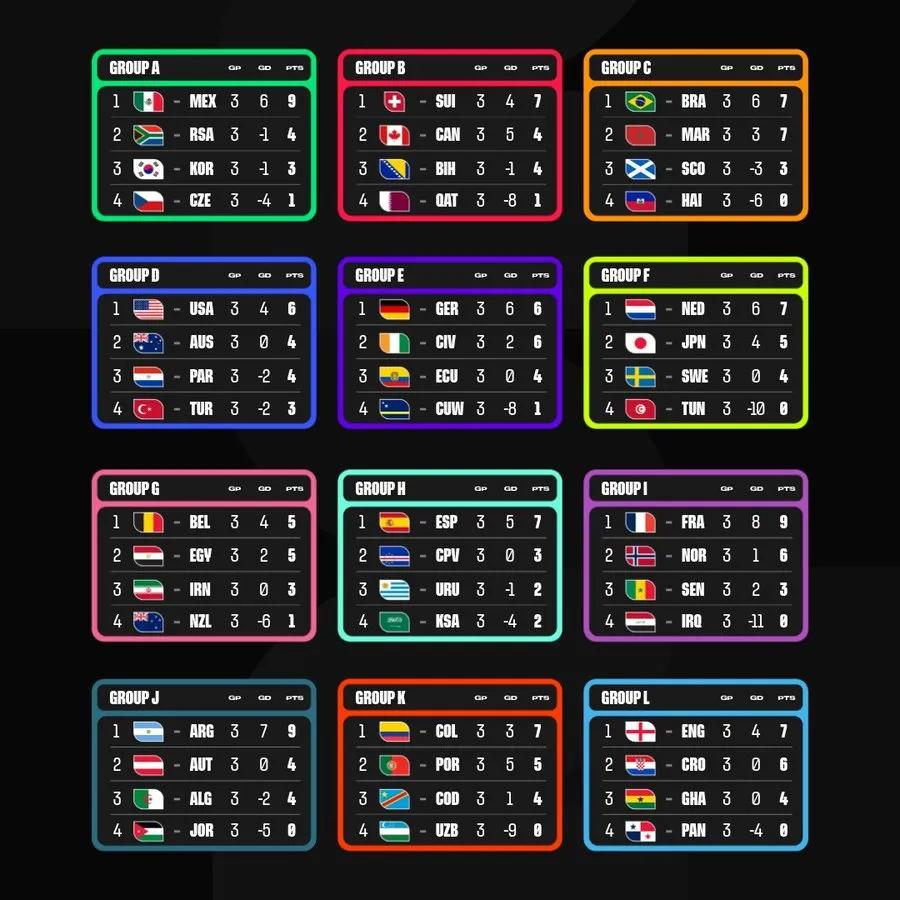
The last six group-stage matches on the 28th involved only four qualification spots, but the bigger focus was on two Asian teams: South Korea and Iran. South Korea's situation was the most agonizing. After their Group A match ended, they endured a long 71-hour wait, only to see their hopes for advancement—through nine third-place team comparisons and eight chances—dashed one by one.
Germany, which had already qualified, unexpectedly lost to Ecuador, sending Ecuador through; Australia and Japan, both needing only a draw to advance, drew their respective opponents, allowing Paraguay and Sweden to overtake South Korea; Iran's narrow draw with Egypt gave them a chance while eliminating one of South Korea's opportunities; Iraq's 5-goal defeat to Senegal allowed Senegal to surpass South Korea on goal difference—only Spain's victory over Uruguay gave South Korea new hope.
Today's three matches concerning the third-place teams completely shattered the three conditions South Korea needed to sneak into the knockout stage. In fact, South Koreans didn't even get to wait for the final round of Group J before being completely "pulled the plug." First, Croatia defeated an already-qualified Ghana, then Uzbekistan, after taking the lead, was overturned by DR Congo—South Korea's hopes of advancing were thus thoroughly dashed. After enduring repeated cycles of hope and disappointment, South Korea was eliminated from the group stage for the third time in the last four World Cups, and this time, they didn't even make it to the 32-team knockout round.
If South Korea's elimination was a disaster of their own tactics and poor performance, Iran's last-minute elimination was a tragic helplessness. Throughout the World Cup group stage, Iran faced unprecedented preparation difficulties, from the delegation's entry to the forced relocation of their training base to Mexico, to having to leave on match day, and being subjected to various hassles at airport security. With their physical and mental state at the limit, luck also did not favor Iran. In their final group match against Egypt, they hit the post twice, missed a penalty, and had a last-minute winner disallowed for offside.
In the final round, Algeria and Austria unsurprisingly "advanced together," causing Iran to be eliminated at the last moment with an unbeaten record in the group stage. Ironically, 44 years ago at the World Cup in Spain, Austria and West Germany had advanced together with a "famous 1-0" match, known as the "Shame of Gijón," which prompted FIFA to reform the final group matches to be played simultaneously. The victim of that "Shame of Gijón" was none other than Algeria.
44 years later, with another reform of the World Cup, the tragedy of multiple third-place teams' fates not being decided simultaneously occurred again. Algeria failed to take revenge on Austria and instead conceded a late equalizer, forcing Iran to swallow the bitter pill of helplessness.

The 48-team World Cup's group stage and knockout stage are actually two different phases. The group stage is more like fulfilling a mission of global coverage, while the Round of 32 is the true competitive starting point. Compared to the previous 32-team group stage, this World Cup enters the knockout stage from the 32-team round, instantly raising competitive attention and appeal. Yet even so, the Round of 32 of this World Cup has already made history: South Africa, Canada, Bosnia and Herzegovina, Ivory Coast, DR Congo, Cape Verde, and Egypt have all reached the World Cup knockout stage for the first time in their history. Norway qualified for the knockout stage after 28 years, and Austria after 44 years, both milestones in their respective team histories.
The four top favorites for the title—France, Spain, England, and Argentina—finished first in their groups and are placed in the four quarterfinal brackets. However, the upper half is significantly tougher than the lower half. France's quarterfinal bracket includes Germany and the Netherlands, as well as last World Cup's biggest dark horse, Morocco. Portugal, which failed to beat Colombia in the final group match to secure first place, is in the same quarterfinal bracket as Spain, host United States, and Belgium, potentially setting up an Iberian Derby in the Round of 16, greatly increasing the difficulty for both teams.
England, whose form fluctuated during the group stage, has in its quarterfinal bracket traditional powerhouse Brazil, Japan carrying the hopes of the Asian Football Confederation, Norway (with Haaland making them a force to be reckoned with), and ambitious host Mexico—their knockout path is not easy either. The defending champion Argentina, led by Messi, ended up in the easiest quarterfinal bracket, thanks in part to Uruguay's poor performance. The veteran World Cup team failed to win any of its three group matches, which led to Cape Verde's miracle of advancing with three draws. Portugal's "lack of ambition" was also a major factor; their inability to beat DR Congo in the opening match and a goalless draw with Colombia in the final match cost them the group lead, dashing the much-anticipated Messi-Ronaldo quarterfinal showdown.
After the lengthy group stage, only 32 knockout matches remain. The long-awaited clashes between title contenders and the increasingly fierce Golden Boot race will all start to be resolved from the Round of 32. The Round of 32 features a "teacher-student duel" between Japan and Brazil, the source of their football tradition; a clash between traditional powerhouse Netherlands and rising star Morocco; and a "Real Madrid Ballon d'Or Derby" between Cristiano Ronaldo and Luka Modric. Meanwhile, the biggest dark horse of the group stage, Cape Verde, faces defending champion Argentina, a highly anticipated match full of talking points. In addition, with South Korea and Iran eliminated, Japan and Australia bear the responsibility of preventing Asian football from being completely wiped out in the 32-team knockout stage.
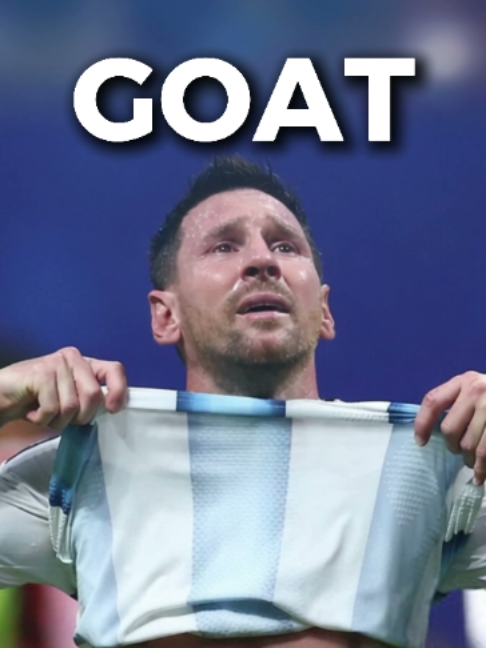
The Golden Boot race among World Cup all-time top scorer Messi, Norway's World Cup all-time top scorer Haaland, France's World Cup all-time top scorer Mbappé, England's World Cup all-time top scorer Kane, and last year's Ballon d'Or winner Dembélé will also intensify. In the final group match, Haaland and Messi both conserved their energy, storing enough stamina for the knockout stage. However, Messi, in just 30 minutes as a substitute, still managed a stunning free-kick goal, further extending his own newly set World Cup all-time scoring record and increasing his lead in this year's Golden Boot standings to two goals. As for Portuguese superstar Cristiano Ronaldo, who broke a 10-match goal drought in the second round of the group stage and became the first player to score in six consecutive World Cups, he will give his all from the Round of 32 onward in his "final quest for the World Cup trophy."
The biggest themes and suspense of this World Cup—whether it's the true twilight of the gods, the historic coronation of a new king, or the emergence of a real dark horse—will all unfold in the knockout stage starting from the Round of 32. The familiar World Cup officially returns from this moment.


Wonderfulshortvideo
messi goal today messi assist today messi highlights vs egypt enzo fernandez goal today romero goal today argentina goals today argentina 3-2 egypt



“Wonderful player, fantastic player, could not run” 😅
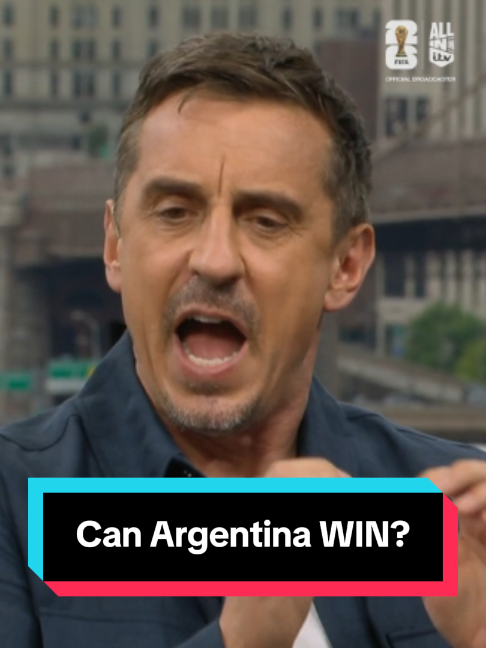
Neville, Keane and Wright DO NOT agree on the future of Argentina in the World Cup 👀
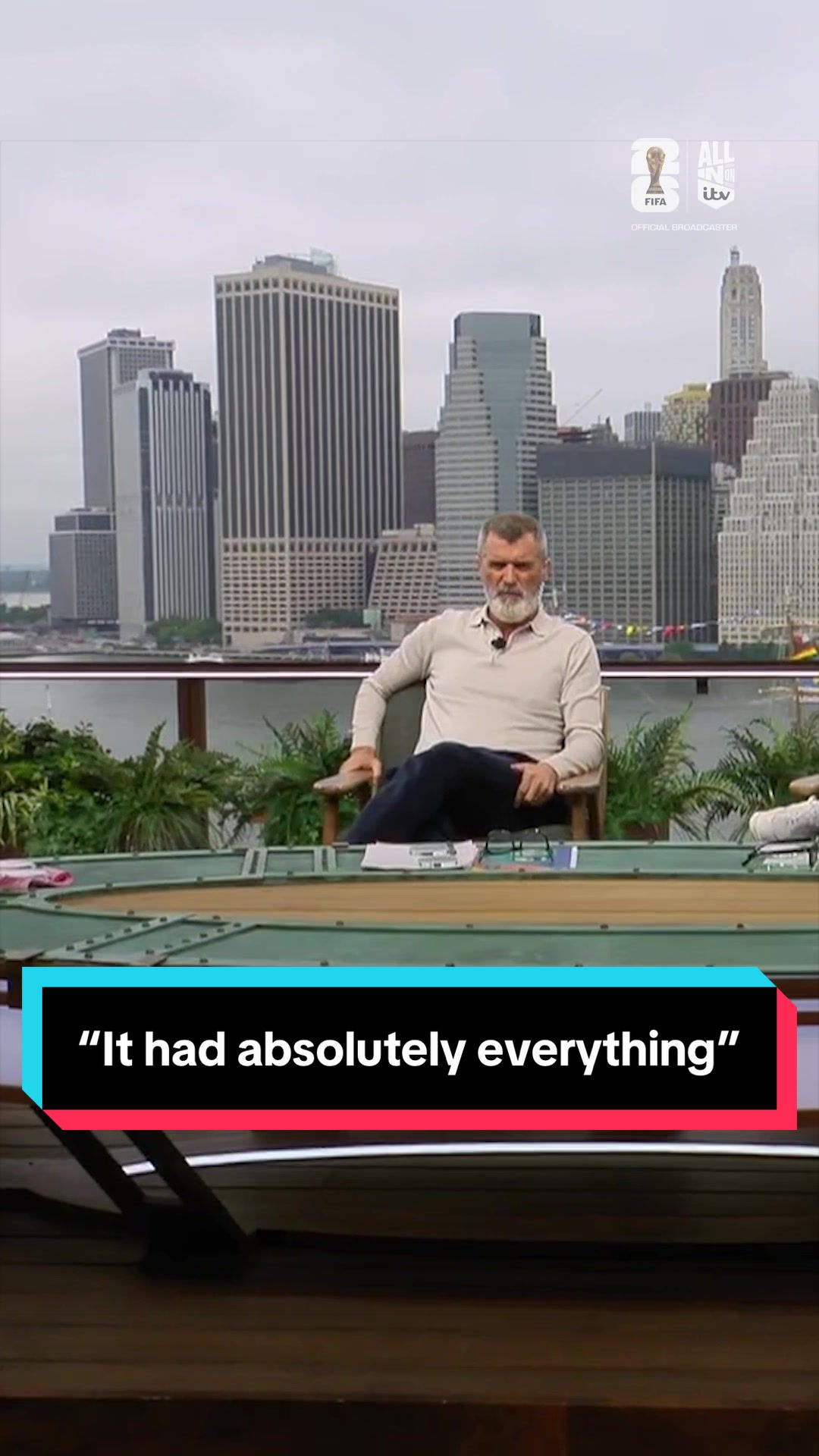
“It gave you everything” 👀
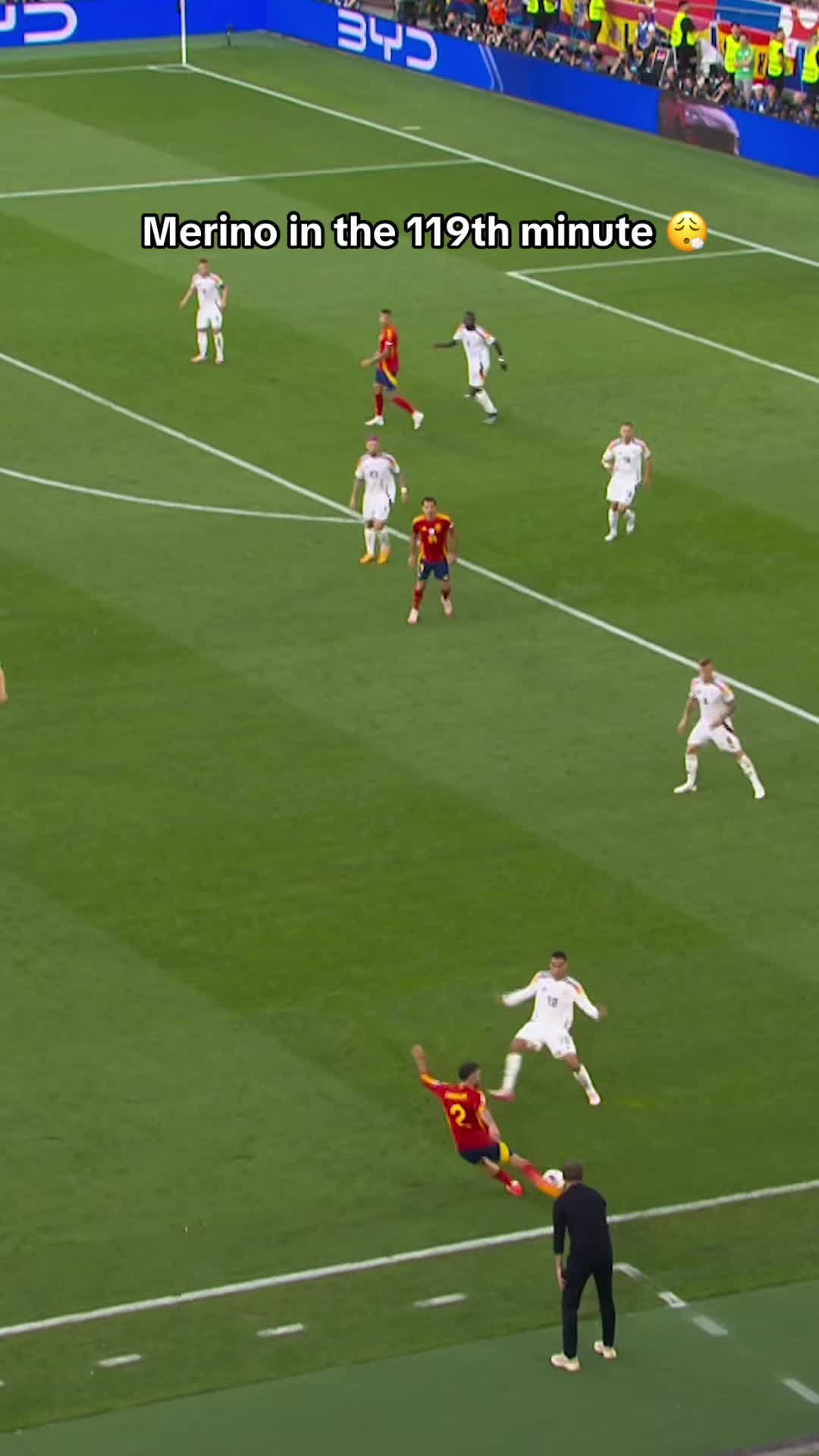
Clutch Merino 😮💨
merino goal today portugal 0-1 spain ronaldo interview today ronaldo retirement retiring
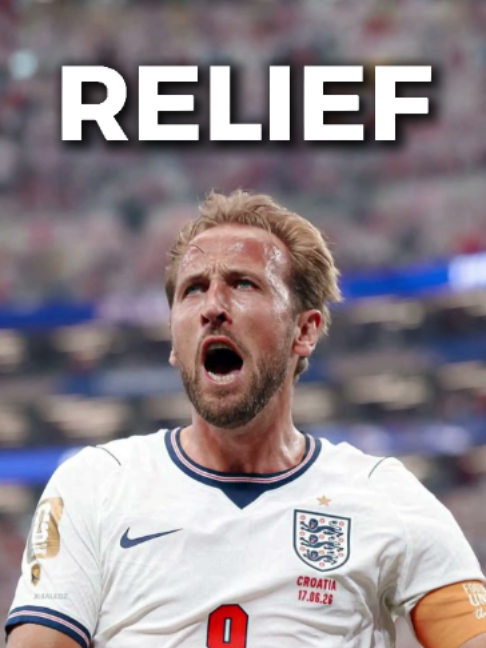
kane goal today kane highlights today england 2-1 congo
 Links
Links
 Contact
 App
App


