



The Rubik's cube in coach Kim Sang Sik's hands



Following the 2024 ASEAN Cup victory and the journey to qualify for the 2027 Asian Cup, Vietnam's national team is undergoing a much-needed transition. Many important figures have now moved beyond their prime, giving way to a younger, more energetic and hungry generation.
In the list of 28 players called up for the June 2026 training camp, the South Korean coach has shown steadfastness in his youth rejuvenation philosophy by firmly removing veterans whose form has declined, making room for talents who are at the peak of their desire.
Despite having outstanding individuals, coach Kim Sang Sik still faces the challenge of balancing ages. Do Hoang Hen and Nguyen Tai Loc are now 32, while Nguyen Xuan Son has reached 29. These are clearly cards for short-term goals in the ASEAN Cup and Asian Cup 2027. However, the South Korean coach has skillfully implemented a comb-like strategy by interweaving naturalized players with young talents like Nguyen Dinh Bac, Nguyen Ngoc My, and especially Ngo Dang Khoa.
Coach Kim Sang Sik's decision to deploy his forces is not merely a personnel change but evidence of a strong generational transition. The core of this Vietnamese team consists of faces who have proven their mettle through international youth tournaments, such as Khuat Van Khang, Tran Trung Kien, and Nguyen Nhat Minh. The coaching staff's goal is to create an environment for young players to learn modern football thinking from their South American-origin counterparts.
Besides the young core that has already been called up to the national team, the emergence of standout domestic players like Dinh Quang Kiet, Pham Gia Hung, and Nguyen Tran Viet Cuong is attracting special attention from experts. Pham Gia Hung, a striker developed from the PVF academy, brings hope for a modern center-forward with an ideal height of 1.82m. Meanwhile, Nguyen Tran Viet Cuong provides additional tactical versatility for the Vietnamese team. With the ability to play well both as a striker and a winger, along with aerial skills and diverse finishing, Viet Cuong is expected to enrich the team's attacking options.
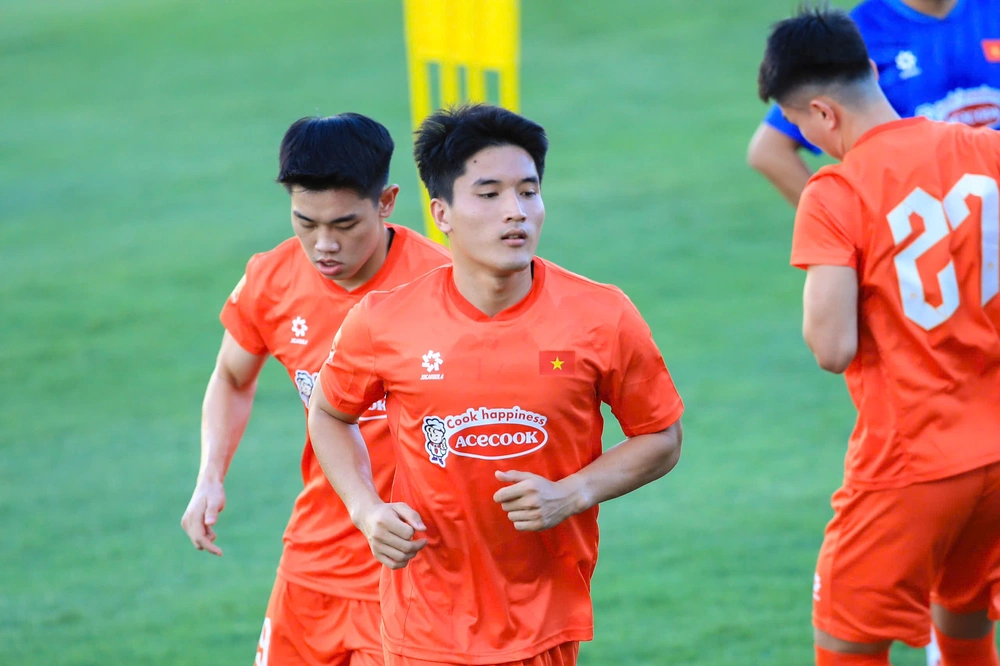
U23 players like Dinh Bac (left) and Ngoc My (right) are seen as a fresh breeze for the Vietnamese national team. Photo: Hoang Linh
More importantly, the ASEAN Cup is no longer a tournament where the Vietnamese team only thinks about short-term results. It is also a platform to build the core for bigger future goals. Because after the ASEAN Cup comes the 2027 Asian Cup, the 2030 World Cup qualifiers, and a series of other international tournaments. To maintain competitiveness, one cannot wait until the old generation retires to start renewing the squad.
Recall that in the 2024 ASEAN Cup, 25 out of 26 registered players were used by coach Kim Sang Sik. This "Rubik's cube rotation" approach ensured that each player sent onto the field maintained relatively good fitness, and the Vietnamese team also ensured a blend of experience and youth while fostering healthy competition.
The 2024 ASEAN Cup victory, with the brilliance of Doan Ngoc Tan, Nguyen Van Vi, Nguyen Dinh Trieu, Tuan Hai, and Hai Long, brought delightful surprises to both fans and opponents. Therefore, fans are hoping that under the guidance of coach Kim Sang Sik, future tournaments will see many names leaving their mark. Who knows, perhaps Dinh Quang Kiet, Pham Gia Hung, and Nguyen Tran Viet Cuong will be similar versions.
With a rejuvenated squad full of youth and quality additions from foreign-origin players, fans are anticipating a more fiery and effective appearance of the Vietnamese national team in their journey to conquer new heights.


Wonderfulshortvideo
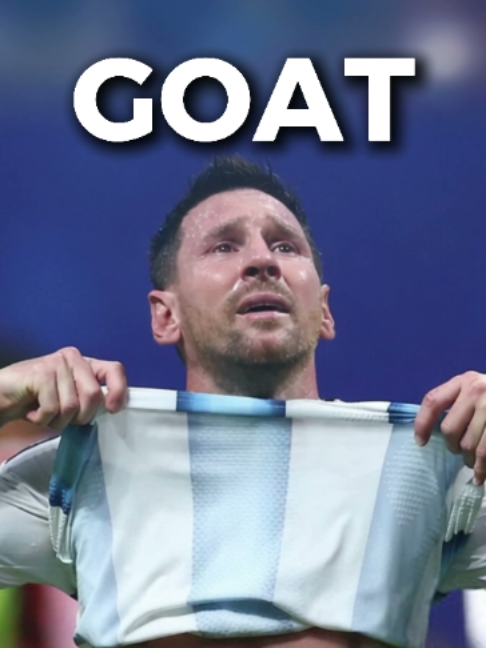
messi goal today messi assist today messi highlights vs egypt enzo fernandez goal today romero goal today argentina goals today argentina 3-2 egypt



“Wonderful player, fantastic player, could not run” 😅

Neville, Keane and Wright DO NOT agree on the future of Argentina in the World Cup 👀
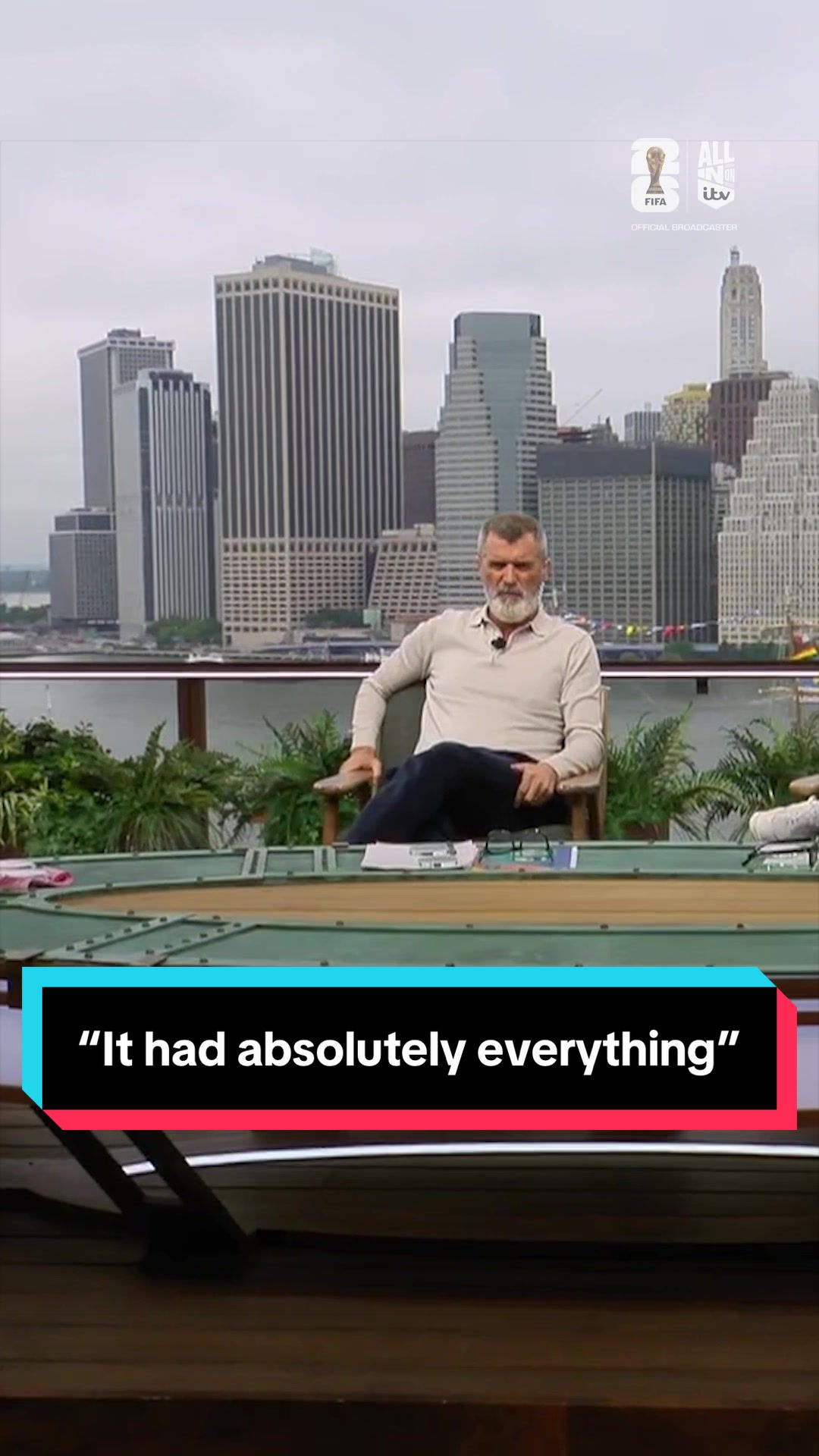
“It gave you everything” 👀
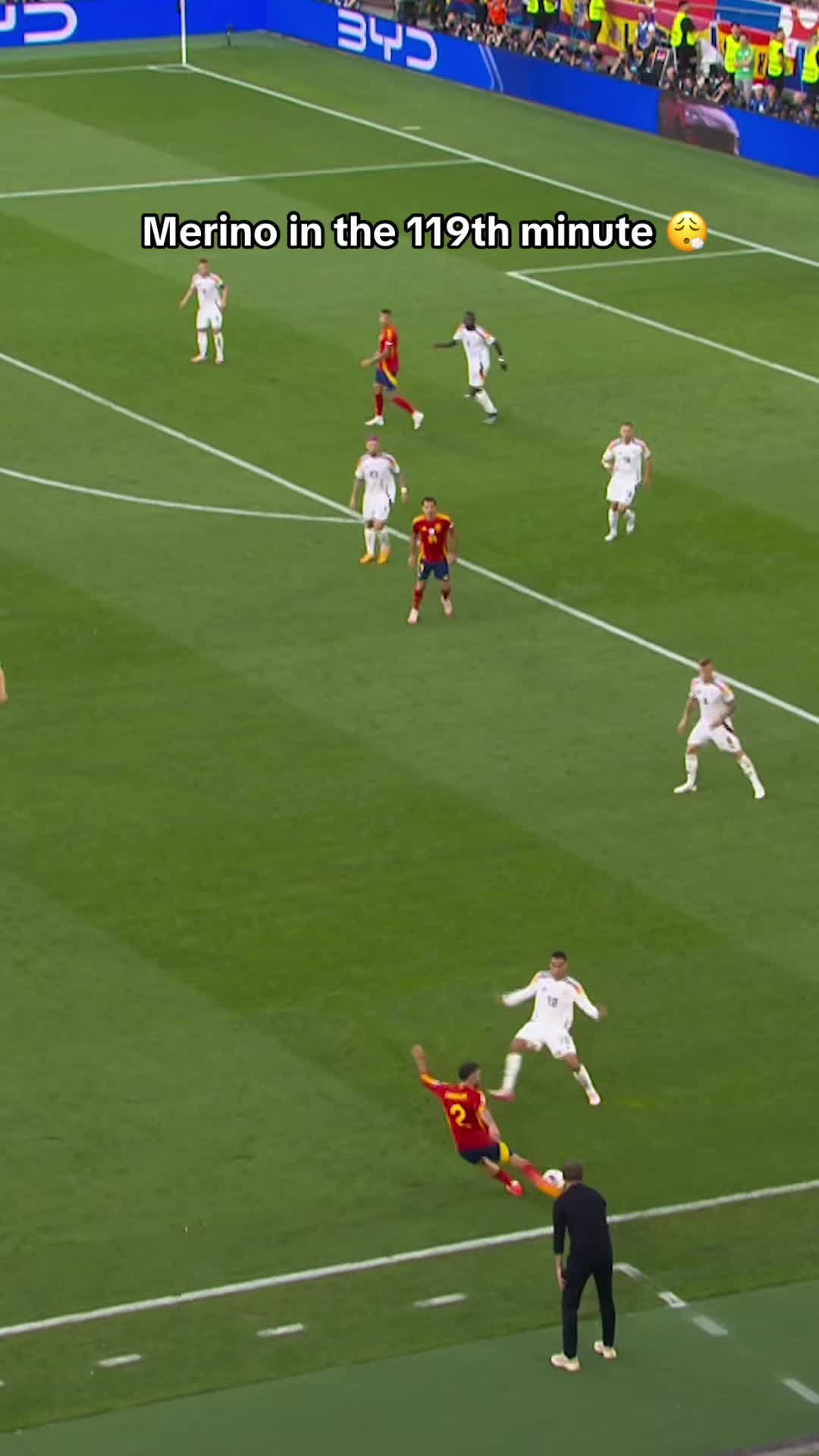
Clutch Merino 😮💨
merino goal today portugal 0-1 spain ronaldo interview today ronaldo retirement retiring

kane goal today kane highlights today england 2-1 congo
 Links
Links
 Contact
 App
App


