



Only 2 of 9 Teams Advance! The "Expansion Dream" and "Harsh Reality" of Asian Football in the 2026 World Cup



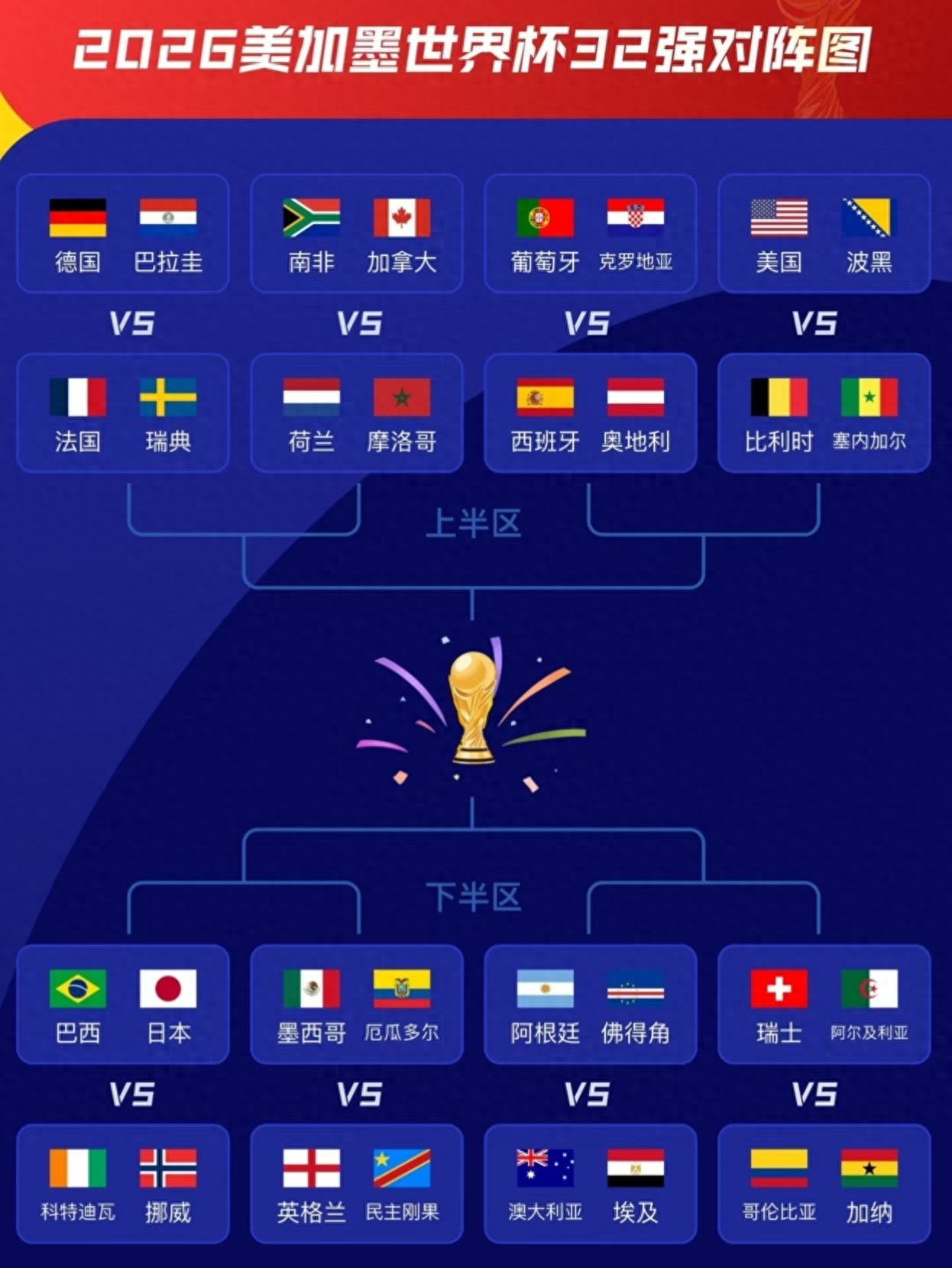
The group stage of the 2026 World Cup in the United States, Canada, and Mexico has concluded, with the AFC's record-breaking nine participating nations seeing only Japan and Australia advance to the 32-team knockout round. This outcome not only represents a major drop from Asia's performance in the previous Qatar World Cup but also lays bare the harsh reality behind the expansion bonuses. The increase in slots has not led to a qualitative leap in competitiveness; instead, it has fully revealed the structural fractures and systemic deficiencies within Asian football.
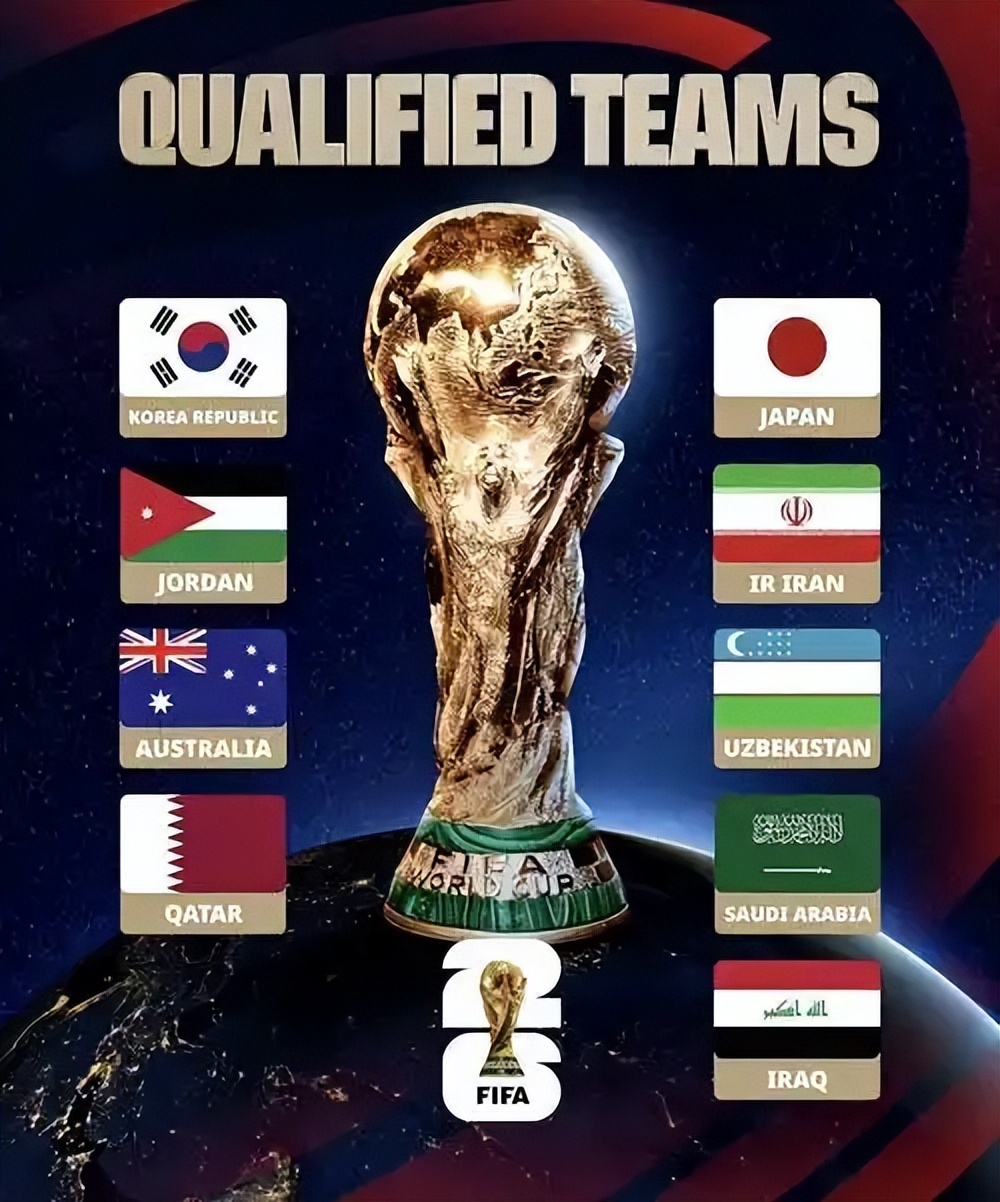
The widespread failure of the Asian teams in this tournament stems primarily from severe imbalances in player development and a lack of talent reserves. Among the nine teams, only Japan and Australia have established mature overseas player systems and youth training networks. With a large contingent of Europe-based players and a well-honed possession-based tactical approach, Japan demonstrated strong tactical execution and composure under pressure in the group stage, becoming Asia's sole "technical benchmark" and the only one among the nine Asian teams not relying on counter-attacking football. In contrast, traditional powerhouses like South Korea and Iran face talent gaps, with a shrinking number of young players going abroad. Teams from West Asia and Central Asia have long been constrained by insular domestic leagues and weak youth systems, often crumbling under the high-intensity physical and technical demands posed by opponents from Europe, the Americas, and Africa. The three consecutive losses suffered by Jordan, Iraq, and Uzbekistan are a direct reflection of this fragile foundation. If you fear attacking, you will never learn to attack. Apart from occasionally defending deep and stealing points, such teams have virtually no competitiveness.
The change in the tournament's expansion format has also subtly raised the bar for Asian teams to advance. This edition introduced eight additional slots for the "best third-placed teams" in group stages, seemingly offering more margin for error. However, the overall improvement of African and CONCACAF teams has made competition for these spots unprecedentedly fierce. The generally poor attacking efficiency and unfavorable goal differences of Asian teams became fatal disadvantages when compared horizontally. South Korea and Iran, both with three points, were unfortunately eliminated precisely because they failed to show enough competitiveness in crucial matches and ultimately lost out to other third-placed teams from different confederations. This demonstrates that simply increasing the number of slots cannot compensate for a lack of real strength. The expansion brings more participation rather than a substantive boost in competitiveness.
A deeper issue lies in the structural weaknesses of Asian football in tactical systems and physical confrontation. Apart from Japan, most Asian teams rely on overly simplistic tactics, often heavily dependent on counter-attacking. Once opponents figure out their patterns and intensify high pressing, mistakes in ball distribution from the midfield and defense become frequent, while positional attacks lack reliable scoring methods. Moreover, Asian players often suffer from insufficient stamina during high-intensity transitions, frequently collapsing defensively in the second half—a true reflection of inadequate squad depth. Additionally, vulnerability in aerial defense remains a common weakness, with set pieces and long balls repeatedly becoming opponents' scoring weapons. These shortcomings are not merely tactical errors by individual teams but a concentrated manifestation of Asian football's long-term lag behind world-class standards in youth training philosophies, league quality, and talent development mechanisms.
The painful experience of the 2026 World Cup serves as a profound wake-up call for Asian football. The window of opportunity opened by expansion is closing, and true competition has long been unfolding off the pitch. To establish a foothold on the global stage in the future, Asian nations must abandon short-sighted, quick-fix mindsets and invest deeply in youth development, elevate domestic league standards, and perfect talent selection and overseas player programs. Only then can they genuinely convert slot advantages into victories when the next expansion or format change arrives, instead of once again becoming footnotes to the "expansion dream."
In my personal view, although Australia narrowly made it to the round of 32, the Socceroos also represent a counter-attacking style—unable to hold the ball effectively or organize attacks. The path forward for Asian teams is embodied by Japanese football: dare to attack and defend fiercely, combine speed and agility with technical skill, persist in youth training, adopt the school football route, and encourage players to go abroad. This is also true for Chinese football. Instead of copying this or that, we would be better off calmly learning from Japan—how to commit to youth development, follow the campus football path, and encourage overseas stints. Chinese players must be brave enough to hold the ball, organize attacks, and play threatening passes. If they remain forever afraid of possession, organization, and decisive passes, they will stay stuck in place and struggle to truly improve!
Watch the World Cup on Migu Video!#PenAndBallChattieWorldCup2026#


Wonderfulshortvideo

messi goal today messi assist today messi highlights vs egypt enzo fernandez goal today romero goal today argentina goals today argentina 3-2 egypt



“Wonderful player, fantastic player, could not run” 😅

Neville, Keane and Wright DO NOT agree on the future of Argentina in the World Cup 👀

“It gave you everything” 👀
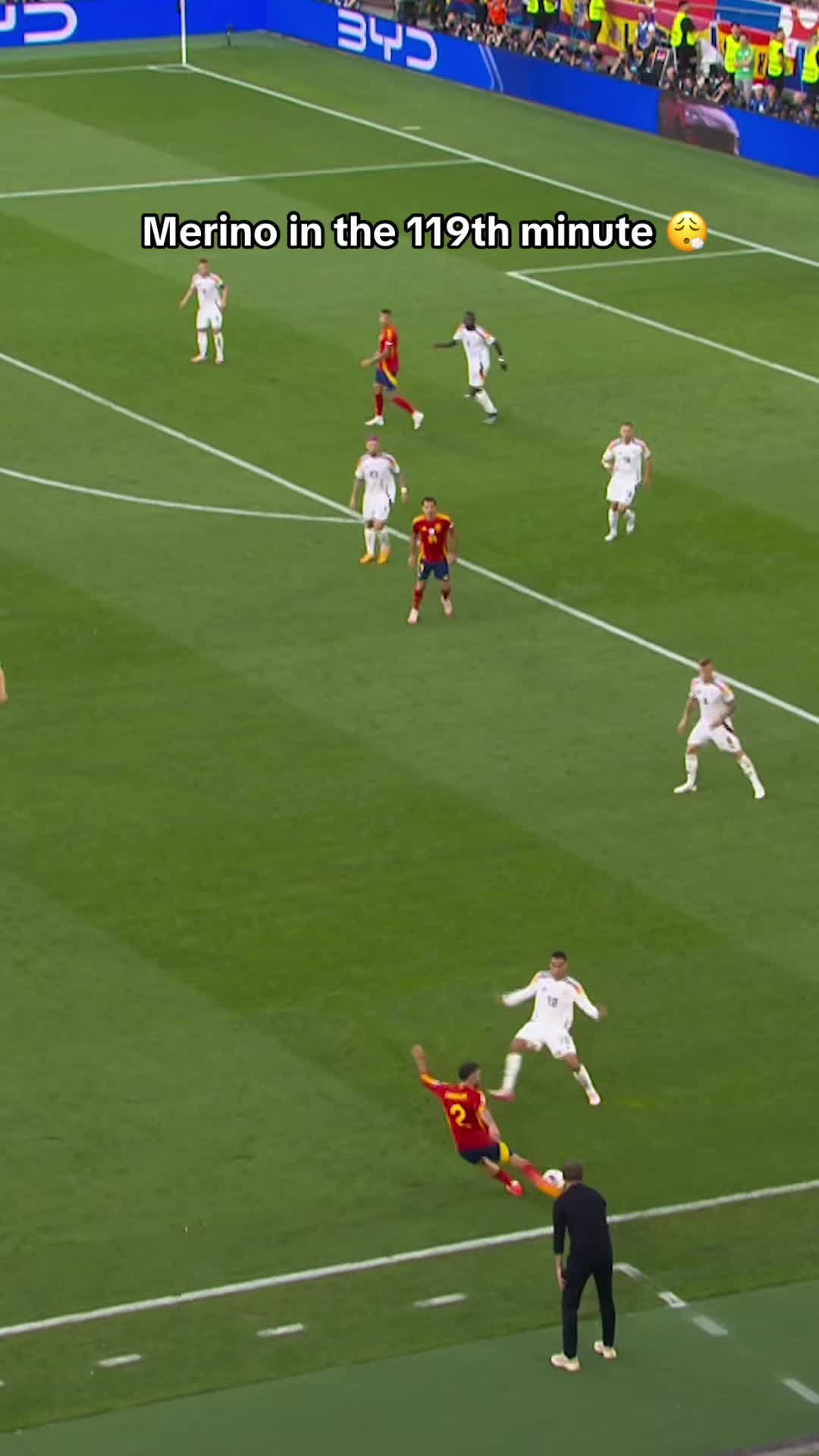
Clutch Merino 😮💨

merino goal today portugal 0-1 spain ronaldo interview today ronaldo retirement retiring

kane goal today kane highlights today england 2-1 congo
 Links
Links
 Contact
 App
App


