



World Cup 2026: Victory in the Hearts of Fans


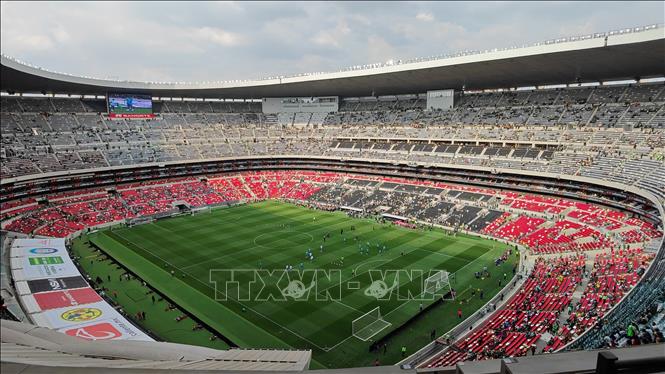
According to a TTXVN correspondent in Japan, since their first World Cup appearance in 1998, Japanese fans have turned cleaning the stands into a distinctive cultural practice. After the final whistle, regardless of whether their team wins or loses, they bring garbage bags to collect paper cups, food wrappers, and other discarded items.
This image has become so familiar that many people around the world may not know a single Japanese player's name, but they clearly remember the fans who always leave the stands spotless after each match.
Not only the fans, but Japanese players also maintain a similar habit. After their stunning victory over Germany at the 2022 World Cup, images of the Japanese team's locker room were shared, showing it tidy and clean. Towels were neatly folded, water bottles arranged in rows, and the floor was spotless. On the table, there were 11 origami cranes symbolizing the 11 starting players, along with thank-you notes in Japanese and Arabic addressed to the host nation Qatar. After being eliminated by Croatia in the round of 16, the Japanese players did the same again.
The value of these actions goes far beyond simply keeping clean. It creates an appeal around Japanese cultural values and behavioral norms; moreover, this habit is gradually spreading to many parts of the world.
At the 2018 World Cup in Russia, after witnessing Japanese fans cleaning the stands, Senegalese fans also performed the same action after their team's matches. A video capturing this received millions of views on social media. By the 2022 World Cup in Qatar, Moroccan fans continued the trend, gathering together to collect trash after games.
The 2026 World Cup will once again be an opportunity for these images to appear before billions of viewers worldwide. Japan, Senegal, and Morocco — the nations that created the "stand-cleaning effect" in previous World Cups — will all take part in this year's tournament.
This spread shows the power of a seemingly small action. In the era of global social media, positive images can transcend national borders with just a few clicks. If more and more fans around the world follow the Japanese example, cleaning the stands could become a shared culture of international football. Thus, even if they haven't yet won on the sports field, Japan has already won the hearts of fans worldwide.


Wonderfulshortvideo
cristiano Ronaldo training


Cristiano Ronaldo 966 & 967 GOAL
Cristiano Ronaldo and Portugal in World Cup 2026
Rashford ⚽️
Cristiano Ronaldo 6x World Cup
My POV of THAT Raphinha goal
Jermaine Defoe is the new Woking manager
 Links
Links
 Contact
 App
App


