



The 'dark horse' teams that could shake up the 2026 World Cup



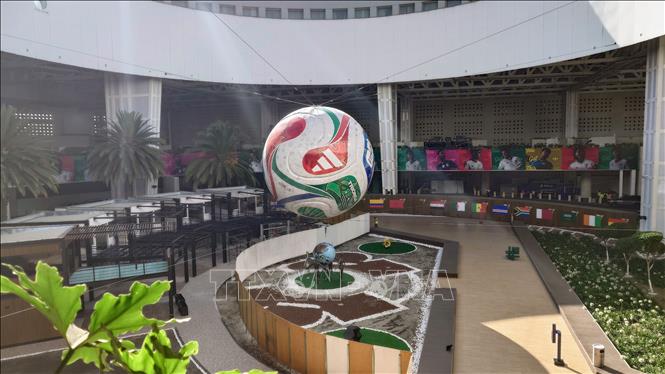
The largest World Cup in history, with 48 participating teams, will still be a stage for the giants and familiar title contenders. However, the increased number of teams also means more opportunities for miraculous journeys and new phenomena in the tournament.
Here are the dark horse teams that could make a splash at this year's World Cup.
Norway
After a long 28-year absence, Norway has finally returned to the World Cup. According to Fox News, Norway is one of the highest-performing teams in Europe. They dominated their qualifying group, which included Italy, and remained unbeaten throughout their journey to the biggest football festival on Earth.
Another notable factor is striker Erling Haaland, who for many years had to watch the World Cup on TV while other superstars shined. During the qualifying stage, Haaland exploded with 16 goals in just 8 matches, averaging 2 goals per game—an almost unimaginable rate in modern football.
Norway didn’t scrape through to the World Cup by a narrow margin. They entered the tournament in a completely dominant fashion, with Haaland as the driving force, seemingly possessing endless energy.
In this year's finals, Norway is in Group I with France, Senegal, and Iraq. Their goal is to finish second in the group. Beating Senegal and picking up points against France is entirely feasible for a squad that also boasts stars like Martin Ødegaard and Alexander Sørloth supporting Haaland. If they advance past the group stage into the knockout rounds, Norway will become a team no one wants to face.
Colombia
Colombia boasts stars like James Rodríguez and Luis Díaz, along with an attack capable of beating any opponent in the world on a good day. Their qualifying campaign has already proven that.
Group K pits Colombia against Portugal, DR Congo, and Uzbekistan. This is a group where Colombia has every chance of finishing top. Under coach Néstor Lorenzo, the team no longer relies solely on James Rodríguez’s moments of brilliance to unlock games.
Luis Díaz’s breakthroughs, the relentless pressing in midfield, and a solid defense have turned Colombia into a well-rounded unit. James Rodríguez remains the conductor, but he no longer has to carry the entire burden on his shoulders.
This July, James Rodríguez will turn 35. In recent years, he has wandered through several clubs, from Rayo Vallecano to León and then Minnesota. Though no longer at his peak, his magical left foot can still make a difference with exquisite free kicks or passes that tear apart opposing defenses.
However, Colombia’s top star now is Luis Díaz. After moving from Liverpool to Bayern Munich, he quickly rose to become one of the most dangerous wingers in Europe. His tally of 26 goals and 19 assists across all competitions is clear proof of his peak form. After helping Bayern Munich win the Bundesliga, Luis Díaz enters the World Cup as one of the most exciting players to watch in the tournament.
Below is a video of the Los Angeles (USA) metro system unveiling new public transportation systems ahead of the FIFA World Cup 2026 (source: Xinhua):
Morocco
Morocco once reached the World Cup semifinals in Qatar. They defeated Spain, knocked out Portugal—and they did it through an extremely tight tactical system and a nearly perfect defensive organization that left top coaches worldwide spending days studying how to break it.
That tactical core remains largely intact, even though coach Walid Regragui left the team in March. His successor is Mohamed Ouahbi, former U23 coach, a name most fans had never heard of just a few months ago.
On paper, that might worry the "Atlas Lions" supporters. But in reality, Morocco’s system has become so deeply ingrained in the squad that the team’s identity lies not on the coaching bench but within the players themselves.
Achraf Hakimi knows his role. So does Youssef En-Nesyri. This group of players went through the historic 2022 World Cup together and reached the semifinals. A change on the sidelines cannot erase the tactical habits honed over years.
Morocco will open Group C with a match against Brazil. This is one of the most anticipated group-stage games. If they beat or hold the Seleção to a draw in their opener, Morocco will send a strong statement to the entire tournament.
Japan

The pressing system built by coach Hajime Moriyasu is among the most disciplined in international football. Japan's "pressing traps" feature suffocating pressure, lightning-fast transitions, and a near-unbreakable team structure.
Players like Kaoru Mitoma and Takefusa Kubo bring outstanding technical quality. But it is the collective strength that creates a style of play that makes every opponent wary. Japanese players are now present in nearly all top European leagues, and their talent is now complemented by vast experience.
In Group F, Japan will face the Netherlands, Tunisia, and Sweden. This is no easy group, but their chances of advancing are entirely feasible. And if they get past the group stage, a cohesive, disciplined unit like Japan will become a team no one wants to meet in the knockout rounds.
Senegal
In their first World Cup appearance in 2002, Senegal shocked the football world by beating defending champions France 1-0. The West African team then topped a tough group featuring Denmark and Uruguay. The "Teranga Lions" marched all the way to the quarterfinals.
Nearly a quarter of a century later, Senegal enters their third consecutive World Cup with the status of being considered Africa’s strongest team, even if not yet fully officially recognized. They are also regarded as one of the dark horses capable of springing surprises in the race for the title.
Senegal remained unbeaten throughout qualifying. Earlier this month, when announcing a preliminary 28-player squad, coach Pape Thiaw emphasized: "When we come to the tournament, we bring big dreams and the ambition to achieve greatness."
Veteran striker and captain Sadio Mané (34) is likely playing in his final World Cup. He has indicated he will retire from the national team after this tournament. Although age has somewhat dulled the explosive pace that was once his trademark, Mané remains an extremely dangerous player with world-class ball-handling skills, sharp tactical vision, leadership qualities, and vast experience. In January, he was voted the Best Player of the Africa Cup of Nations (AFCON).


Wonderfulshortvideo
messi goal today messi assist today messi highlights vs egypt enzo fernandez goal today romero goal today argentina goals today argentina 3-2 egypt



“Wonderful player, fantastic player, could not run” 😅
Neville, Keane and Wright DO NOT agree on the future of Argentina in the World Cup 👀
“It gave you everything” 👀
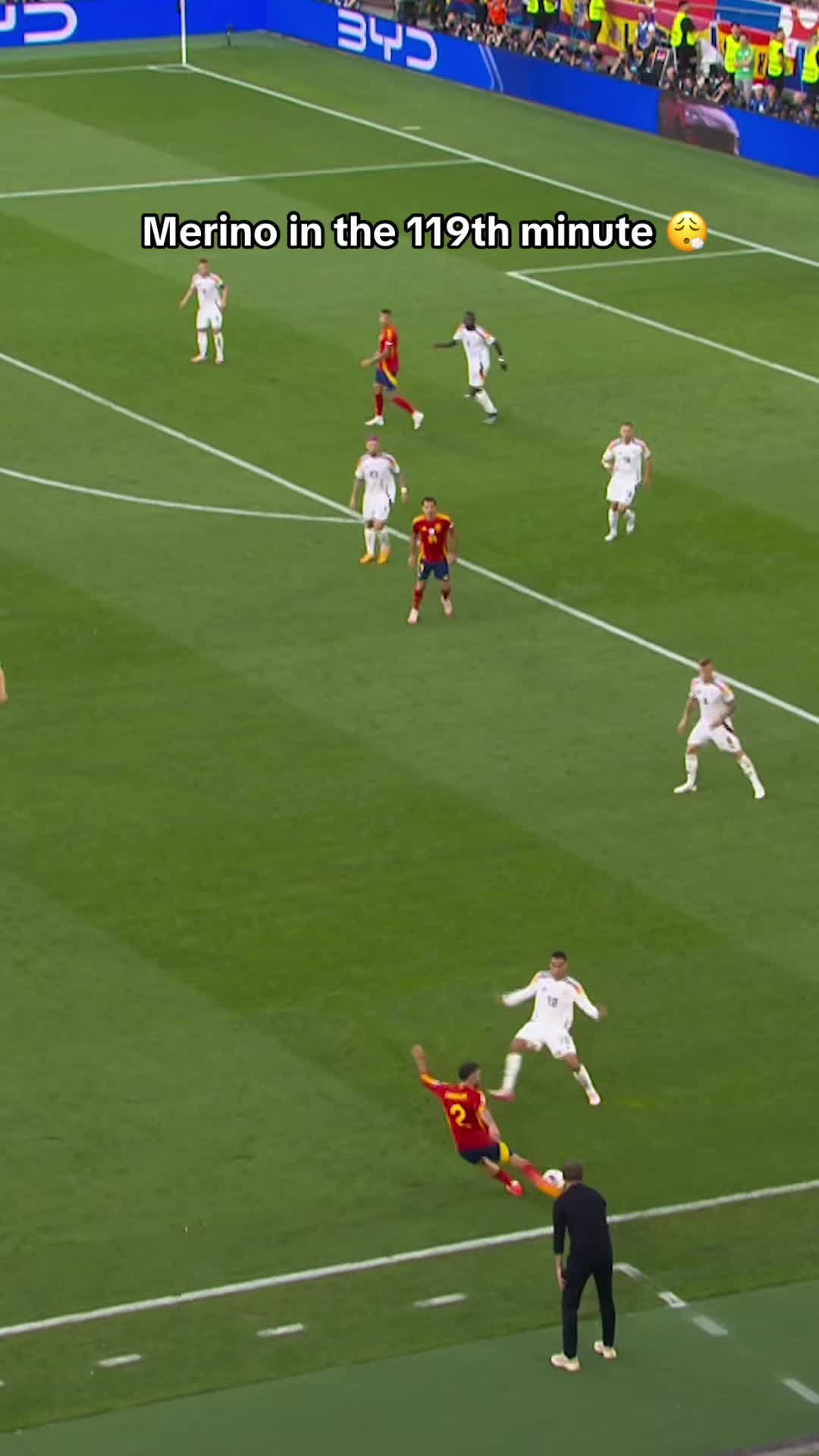
Clutch Merino 😮💨
merino goal today portugal 0-1 spain ronaldo interview today ronaldo retirement retiring
kane goal today kane highlights today england 2-1 congo
 Links
Links
 Contact
 App
App


