



"Master" Enrique, the Cruyff of Paris Saint-Germain?


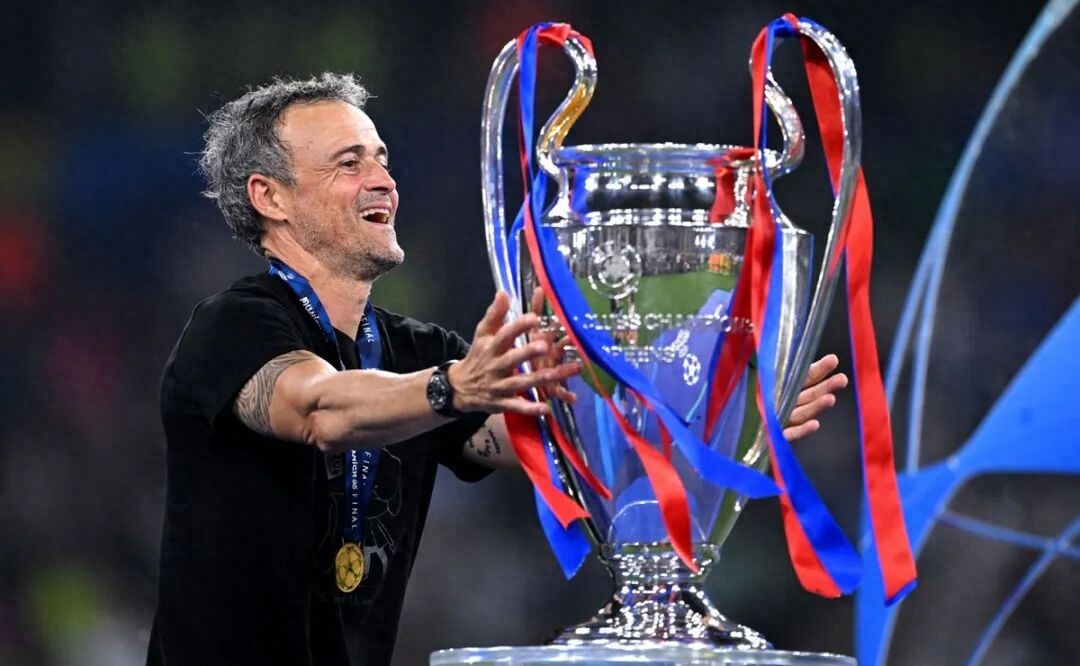
Written by Han Bing After winning the Champions League in consecutive years, Enrique has become the most successful coach in PSG's history. In just three seasons, he has secured 12 trophies for the club, surpassing Blanc's 11, making him the coach with the most and highest-value titles. The Qatari royal family is never stingy with rewards; before the Champions League final, they had already prepared a new contract with a mega annual salary of 20 million euros, which is a 66.7% increase over Enrique's current salary, plus doubled championship bonuses.
Enrique deserves such a super contract, but the deeper intention of PSG's management is not just to reward success—it is to make the coach the highest-paid figure in the dressing room, surpassing Ballon d'Or winner Dembélé (18 million), thereby completing control over the last domain of the locker room. The contract extends until the summer of 2030, and the Qatari royal family hopes Enrique can build a "Dream Team" that dominates Europe in Paris, much like Guardiola did at Barcelona and Manchester City. However, this "Dream Team" differs from Guardiola's: here, there are no superstars, only the team. Or rather, there is only one superstar—Enrique himself.
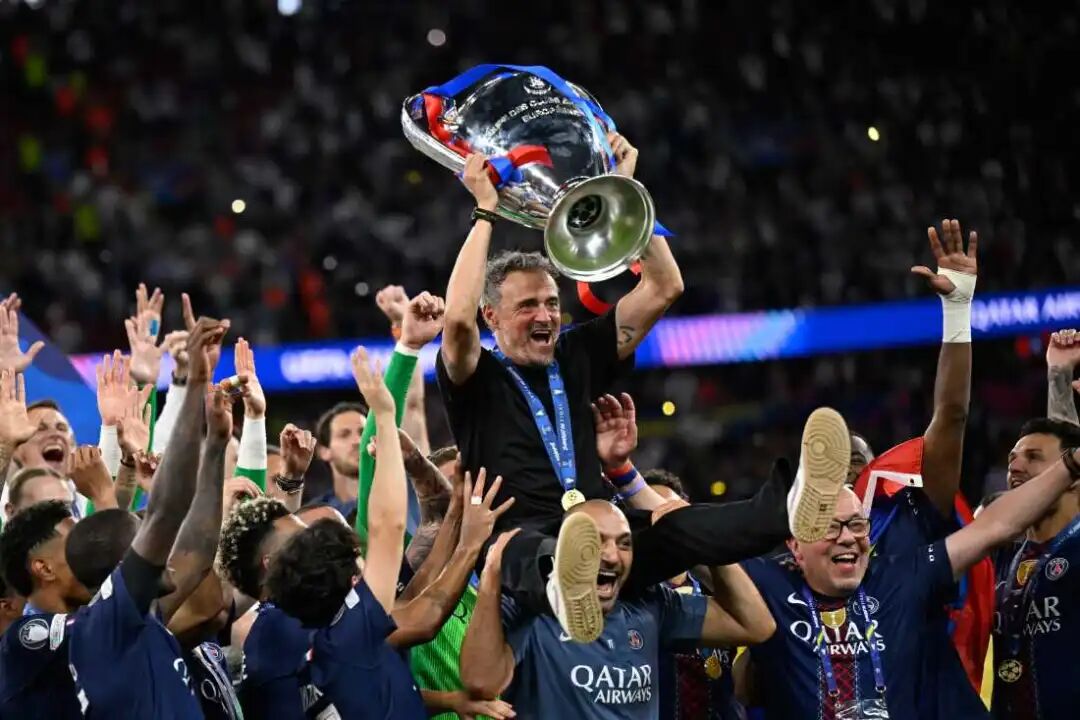

After PSG's title defense, some busybodies revisited the clip of Enrique "educating" Mbappé during a personal tactical training session. The Spanish coach used the example of basketball legend Jordan, whom Mbappé admires, emphasizing that even Jordan, who was given unlimited shooting freedom, was still one of the best defenders on the team and even passed that spirit on to his teammates. Enrique hit the nail on the head: "Do you think being a leader only requires scoring goals? You are gifted, but that's not enough for me. A true leader helps the team on defense. You need to be at the front of the defensive system, pressing opponents alongside your teammates. That's the key to how a team operates. Defend like Jordan to earn the title of leader."
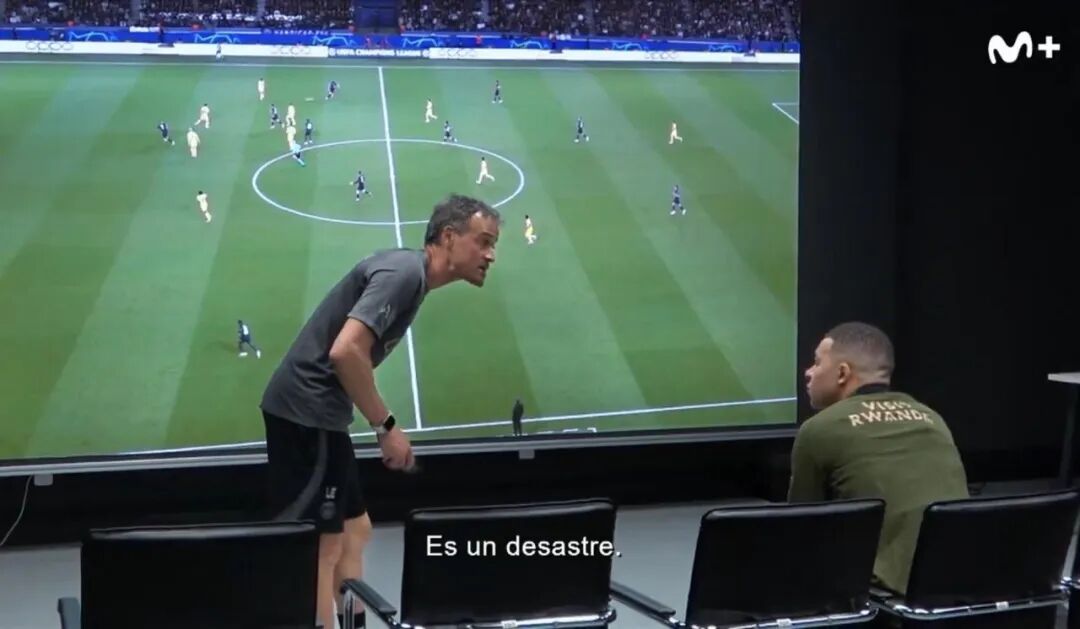
Unfortunately, by then Mbappé was already preparing to transfer to Real Madrid and would not listen to Enrique's advice. But his departure did not bring losses to PSG; instead, it turned the team into a true collective: players who aligned with the coach's philosophy and were willing to give their all for victory formed a genuine unit.
Although PSG's attacking football is flashy and their goals are plentiful, Enrique's philosophy has always been that defense is more important than attack. His principle is to enter a defensive state as quickly as possible and regain possession as fast as possible—that is decisive. In Enrique's view, a match may last 90 minutes on the surface, but the truly critical moments consist of several 5-to-10-second intervals after losing the ball: "You have to give 100%, 120% effort to win back the ball, because there is no better opportunity to launch a new attack. Pressing, counter-pressing, winning the ball back immediately after losing it—this part of the game is what I enjoy immensely."
Neves stated that Enrique demands players give 100% effort in attack and 120% in defense. Dembélé also emphasized Enrique's zero-tolerance policy: "The coach constantly reminds us that anyone who doesn't want to defend can be replaced at any time."
This defense-first attacking football has turned PSG players into versatile assets: Hakimi and Mendes can both exploit the flanks, capable of playing roles from full-back to winger; Dembélé can play any position in the forward line; Doué can play both in midfield and as a striker; Mayulu and Kvara are versatile from midfield to center-forward; and Beraldo has transitioned from defensive midfielder to a playmaking midfielder. The tactical versatility makes PSG difficult for opponents to predict, but more importantly, the principle of defense first has never changed.
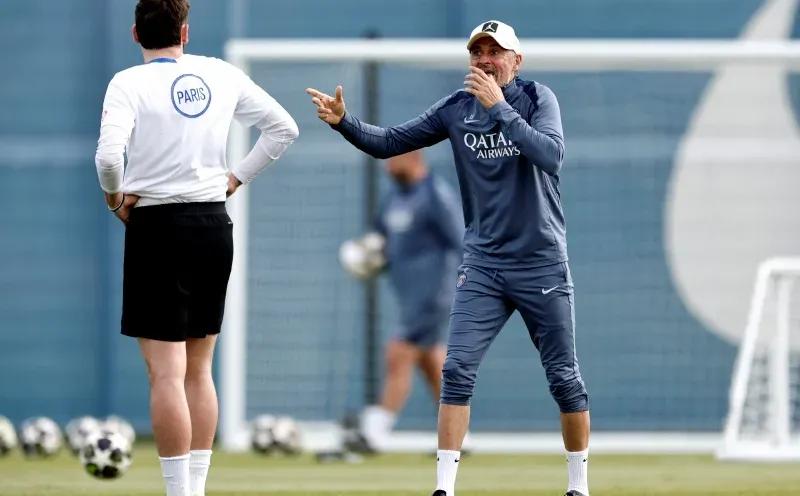
Now, Enrique still maintains his habit from the past three years: walking barefoot across the training center lawn every morning, cycling to the training ground, and explaining tactics on the large screen he requests. More often, Enrique stands on a platform beside the training field, looking down, as the players constantly feel the coach's extreme attention to detail, strict discipline, and precise control.

Enrique is a follower of Stoicism, an ancient Greek philosophy. Stoicism emphasizes living in accordance with natural laws, achieving inner peace by distinguishing between what is controllable and what is not. Compared to his high-pressure management in the previous two seasons, Enrique has become more relaxed with the dressing room this season. While the goal of winning consecutive Champions League titles remains unchanged, Enrique's attitude has undergone some fundamental changes. He emphasizes that victory depends on the players themselves: "Focus on the elements you can control, such as training and match attitude, values; ignore uncontrollable variables, such as refereeing decisions. Do not dwell on things you cannot control, and you will find inner peace."
This season, he has given players more rest and free time, as well as more communication, to alleviate the pressure imposed by public opinion. He has built an honest relationship with the players, able to criticize them publicly or defend them publicly. He always pays attention to injured players, helping them overcome psychological pressure as soon as possible. PSG is not free from injuries, but Enrique's locker room management focuses more on helping players find inner peace. Coupled with the relatively low pressure of Ligue 1's schedule on PSG, injuries have had a very limited impact on the team.
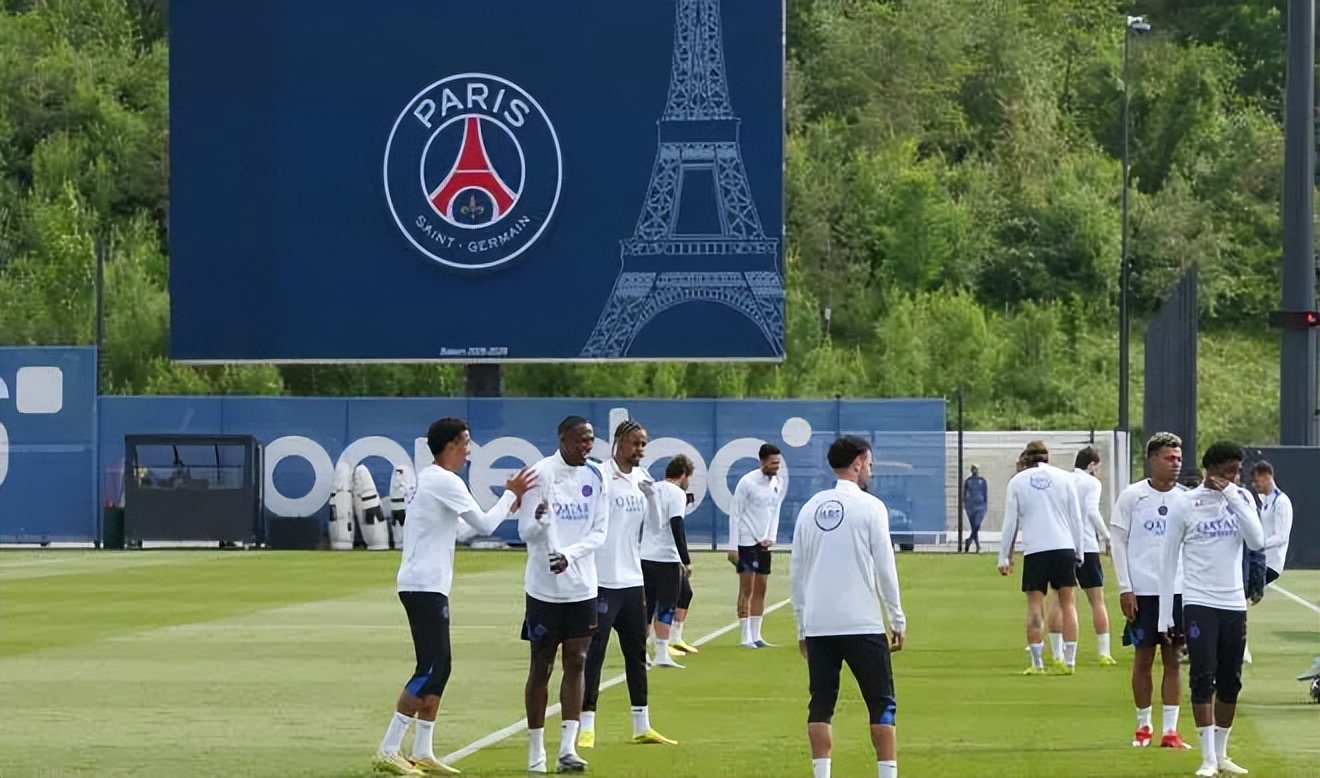
After Mbappé's departure, there are no more factional conflicts in the PSG dressing room. Young players have been given the same opportunities as the stars, and no one is marginalized for anything other than their training attitude and performance. PSG legend Raí, a Brazilian, deeply understands this: "The PSG locker room hasn't had such an atmosphere for a long time. The youngsters are very dynamic, and everyone can talk freely with the coach."
PSG has completely integrated its tactical and management model from the youth academy to the first team, including Enrique's Stoicism. The tactical style Enrique has built for PSG—high pressing, constant movement, rhythm control, flexible position switching, and positional awareness—can be seen across all age groups. Few coaches can, in such a short time, unify their tactical style from top to bottom, thereby establishing a solid foundation for promoting young talent and internal development. The club's management has done a lot of work in this regard, also because they highly identify with Enrique's football philosophy. Saying that Enrique is to Paris what Cruyff was to Barcelona might be a bit of a stretch, but in terms of practical influence, Enrique has become a "master" in Paris.
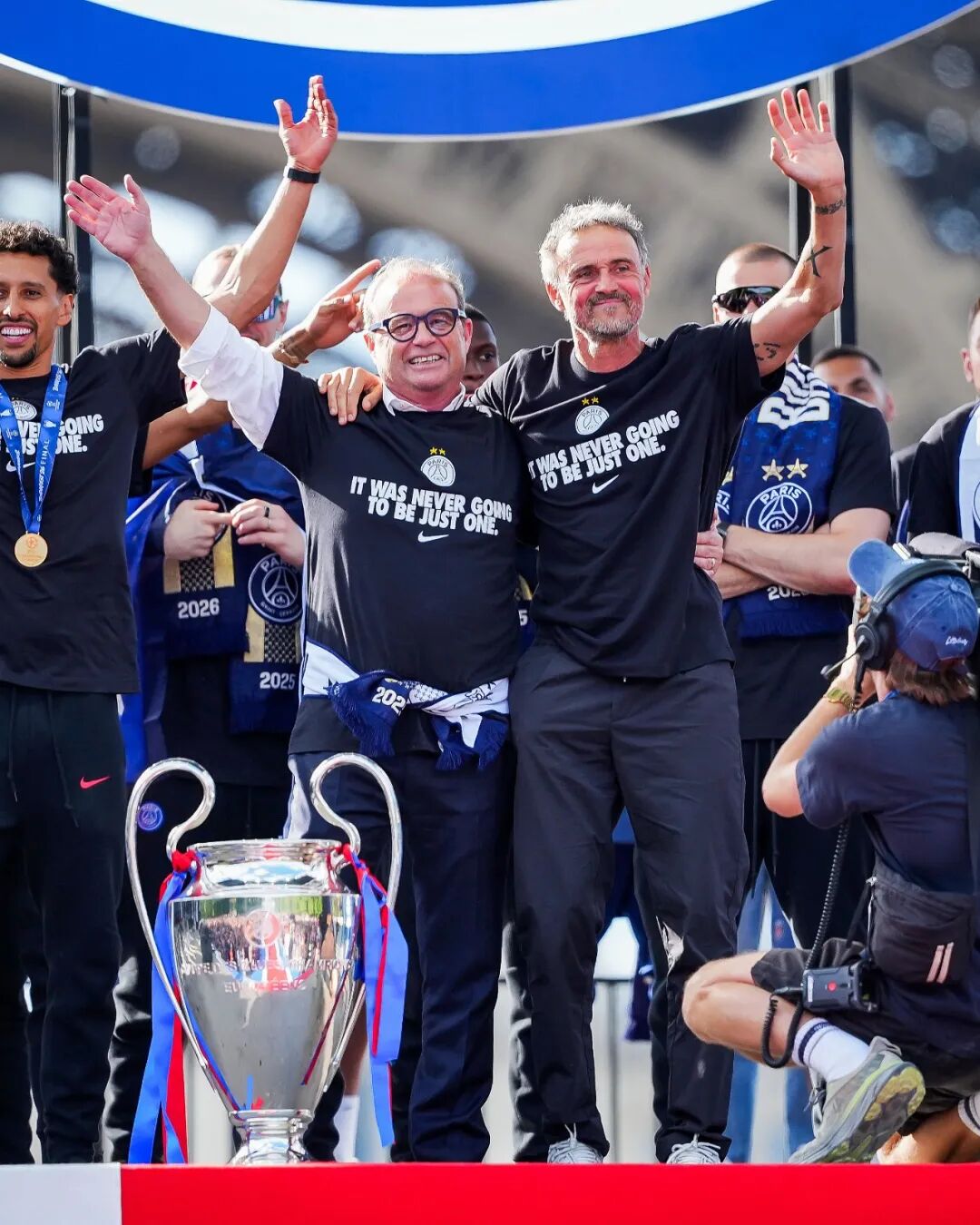
As Marquinhos put it: Enrique is honest and straightforward, never hiding anything, but he also jokes with the players and encourages them. After winning the consecutive title, Enrique performed a traditional Georgian dance in public, causing the players to burst into laughter—it was an imitation of his Georgian favorite, Kvaratskhelia. However, the order and professionalism between coach and players remain sufficiently serious. Dembélé's words might be the perfect summary of PSG's success: "People see the goals and victories, but they don't see the discipline behind them. Every player knows his responsibilities, and this clarity gives the team confidence. Enrique has not only built a team but has also shaped a spirit."


Wonderfulshortvideo
messi goal today messi assist today messi highlights vs egypt enzo fernandez goal today romero goal today argentina goals today argentina 3-2 egypt


“Wonderful player, fantastic player, could not run” 😅
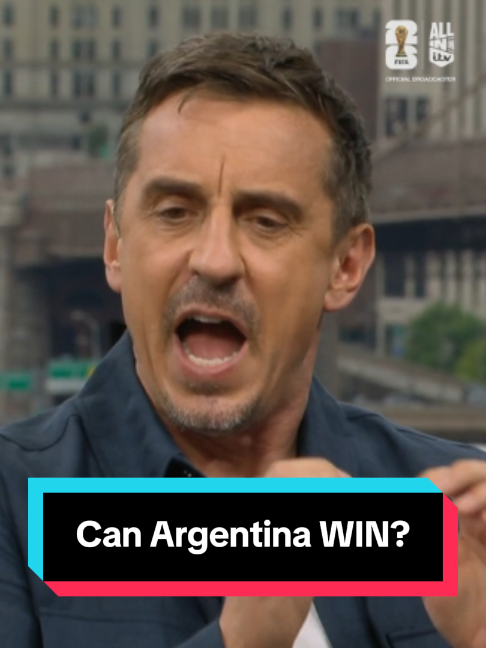
Neville, Keane and Wright DO NOT agree on the future of Argentina in the World Cup 👀
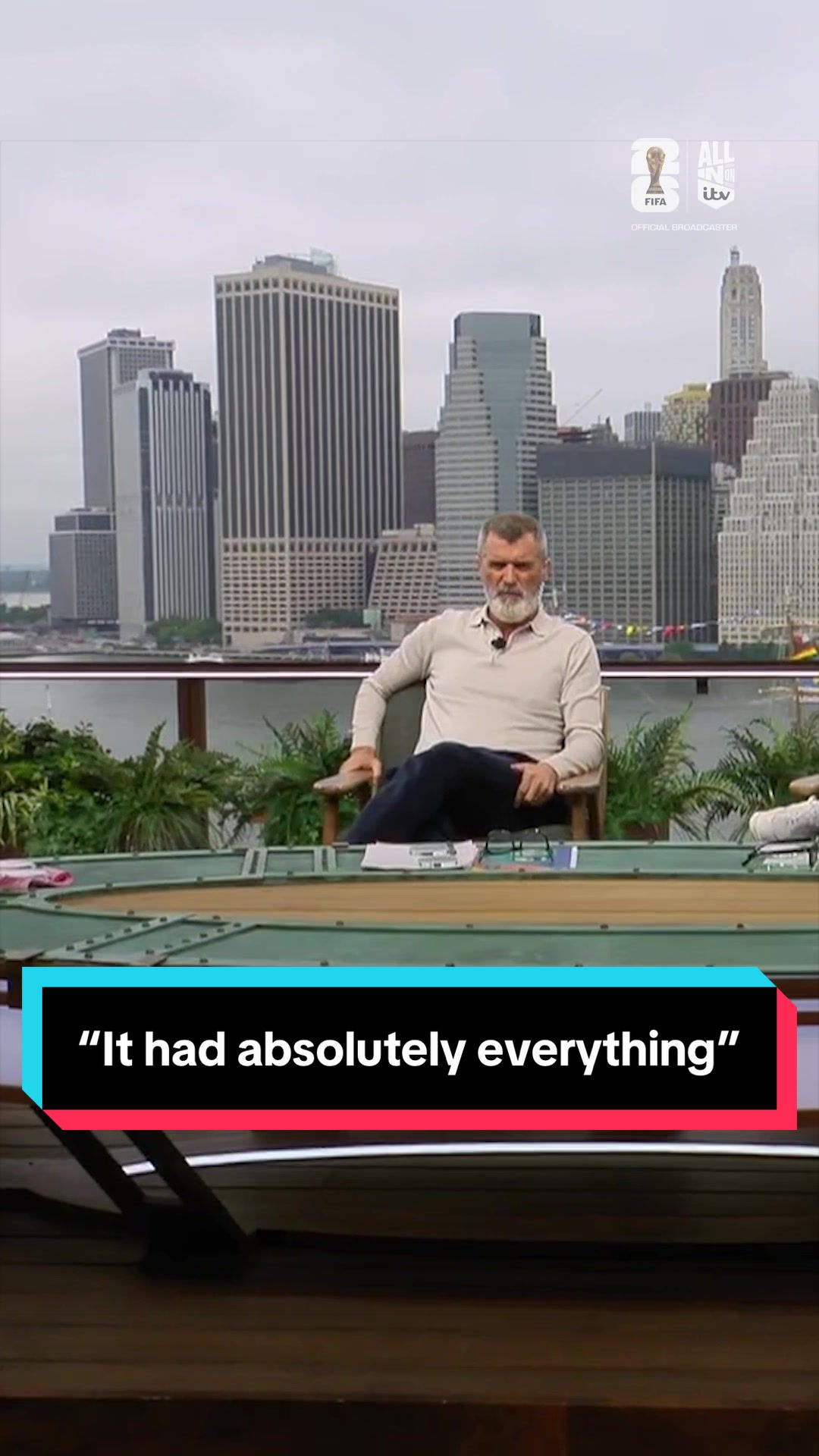
“It gave you everything” 👀
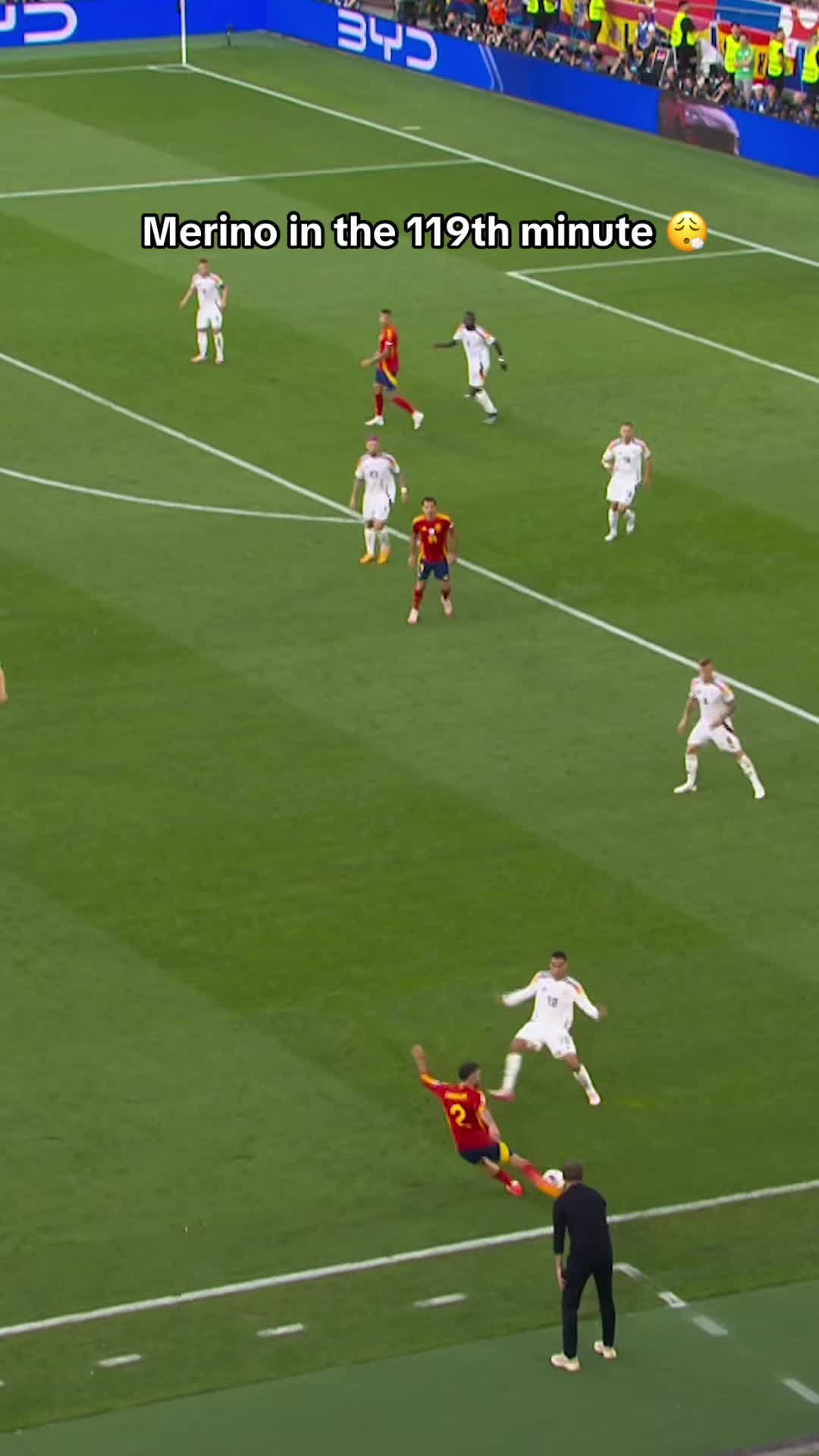
Clutch Merino 😮💨
merino goal today portugal 0-1 spain ronaldo interview today ronaldo retirement retiring
kane goal today kane highlights today england 2-1 congo
 Links
Links
 Contact
 App
App


