



Revenue surges, but Manchester United still needs to borrow.



Manchester United is demonstrating signs of financial recovery due to a significant improvement in on-field results under Michael Carrick, even as it continues to grapple with debt burdens, the expense of dismissing coach Ruben Amorim, and missing out on Champions League 25/26 bonuses.
Manchester United has issued a rare positive signal regarding its financial situation after years of instability, as the Old Trafford club raises its revenue forecast for the 2025/26 season despite not qualifying for European competition and still needing to borrow additional funds to maintain operational cash flow.
According to the third-quarter financial report, the Red Devils' full-season revenue is now expected to be between £655 million and £665 million, higher than the previous forecast. Notably, MU's core operating profit is projected at £200 million to £210 million, indicating a significant improvement in the club's operational and revenue-generation performance.
The biggest factor behind MU's turnaround is its on-field performance. Under Michael Carrick's leadership, the team finished third in the Premier League, thereby receiving an estimated domestic prize of £191.5 million, the third highest in the league and an increase of over £55 million compared to last season.
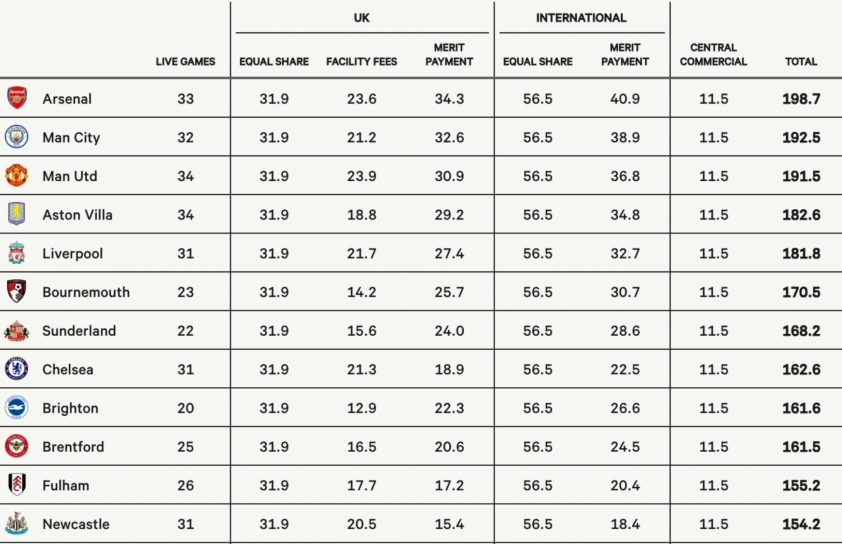
What is noteworthy is that this growth occurred while MU had no revenue from the Champions League or Europa League. Last season, their run to the Europa League final brought in about £31 million. Therefore, nearly matching the record revenue of the 2024/25 season is considered a significant achievement.
MU's commercial revenue remained stable at over £245 million, even though the club lost its training kit sponsor after the contract with Tezos expired. The absence from the Champions League also caused Adidas to cut approximately £10 million from the sponsorship deal, but growth in retail revenue partially offset the loss.
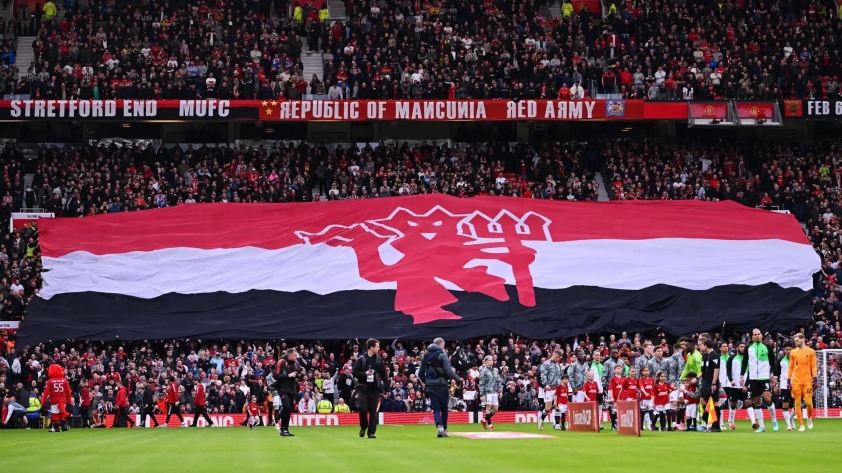
Matchday revenue also came as a big surprise. MU played eight fewer matches at Old Trafford compared to the same period last season, yet total ticket revenue only dropped 4%. On average, the club earned up to £7.4 million per match, a sharp increase from the previous £5.1 million and reportedly the highest in Europe this season.
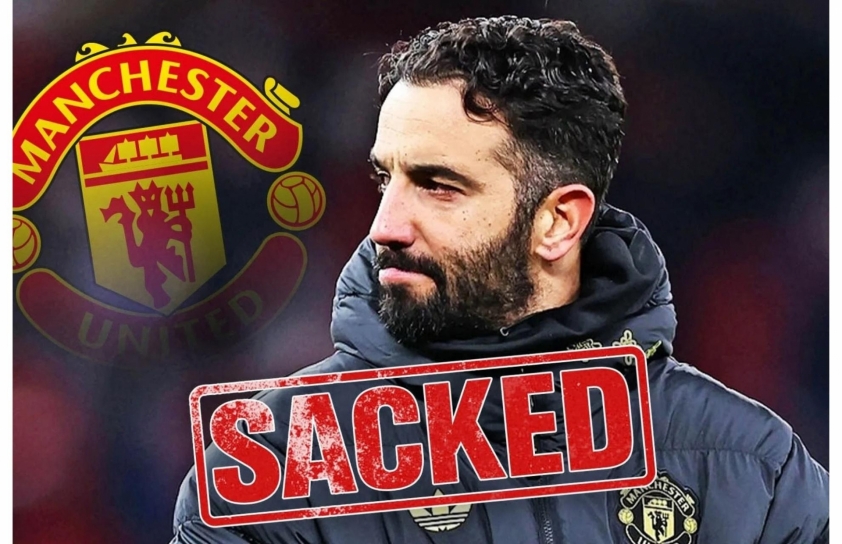
However, MU's financial picture is not entirely bright. The cost of sacking Ruben Amorim and his coaching staff back in January cost the club nearly £22 million. Meanwhile, loan interest in the first nine months of the season reached £55.7 million, a consequence of the long-standing debt from the Glazer era.
MU also continues to rely on short-term loans. As of the end of March, the club had drawn a total of £260 million from its revolving credit facility, £100 million higher than at the end of last season. Additionally, the Red Devils had to sell a portion of future transfer fees upfront to obtain nearly £40 million in immediate cash.
Nevertheless, the outlook ahead is more positive for the Manchester reds. Returning to the Champions League next season promises at least £70 million in prize money, not to mention revenue from cup nights at Old Trafford and the new training kit sponsorship deal with Betway.
If it continues to maintain its position among Europe's elite, MU can gradually escape the financial spiral that has persisted for years. But if success comes only in short bursts, Old Trafford will take a long time to fully balance its books.


Wonderfulshortvideo
messi goal today messi assist today messi highlights vs egypt enzo fernandez goal today romero goal today argentina goals today argentina 3-2 egypt



“Wonderful player, fantastic player, could not run” 😅

Neville, Keane and Wright DO NOT agree on the future of Argentina in the World Cup 👀

“It gave you everything” 👀
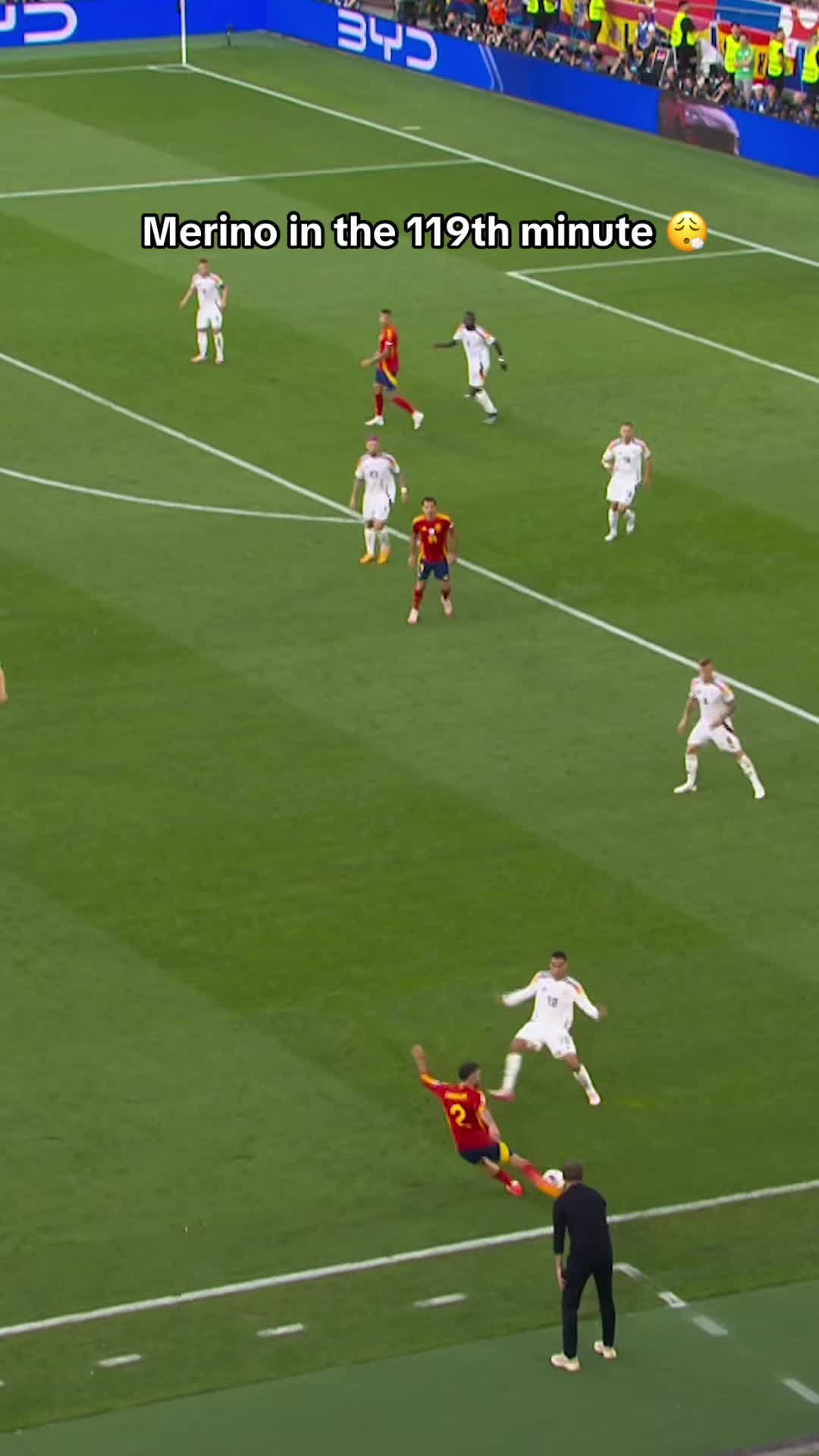
Clutch Merino 😮💨
merino goal today portugal 0-1 spain ronaldo interview today ronaldo retirement retiring

kane goal today kane highlights today england 2-1 congo
 Links
Links
 Contact
 App
App


