



A summer of surprises in European football: many first-ever titles in a century, and even more dark horses from small towns


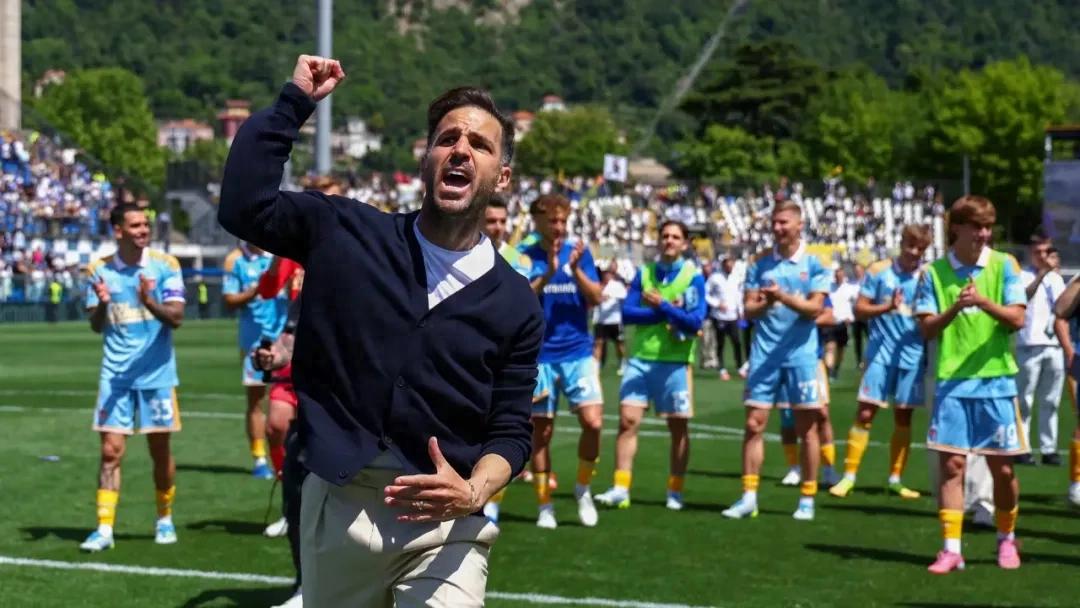
Written by Han Bing The World Meteorological Organization and other institutions have jointly issued a warning that 2026 might be the hottest year ever recorded. However, in the world of football, the just-concluded season saw a "cold wave" of underdog stories sweeping from Europe to South America—from small clubs like Thun, Torreense, and Belgrano toppling giants to win their first-ever top-tier titles in a century, to dark horses from small towns in Europe's top five leagues. Como, a club from a town of fewer than 90,000 people, surpassed Milan and Juventus to secure a Champions League spot; Elversberg, a newly promoted Bundesliga side from a town with a population of just 13,000; and Le Mans, a small club invested in by Real Madrid goalkeeper Thibaut Courtois, all epitomized this trend of upsets.
Bayern Munich enjoyed a glorious season by winning a domestic treble, but another German club drew almost as much attention: Elversberg, founded in 1907, not only earned its first-ever promotion to the Bundesliga in 119 years, becoming the 59th new club in the league, but also set a record as the "smallest club" in Bundesliga—and even among Europe's top five leagues—as its home town has a population of only 13,000, far below the previous record held by Hoffenheim. Eighteen years ago, when Hoffenheim first reached the Bundesliga, its town Sinsheim had 36,000 inhabitants, earning it the nickname "Hoffenheim Village."
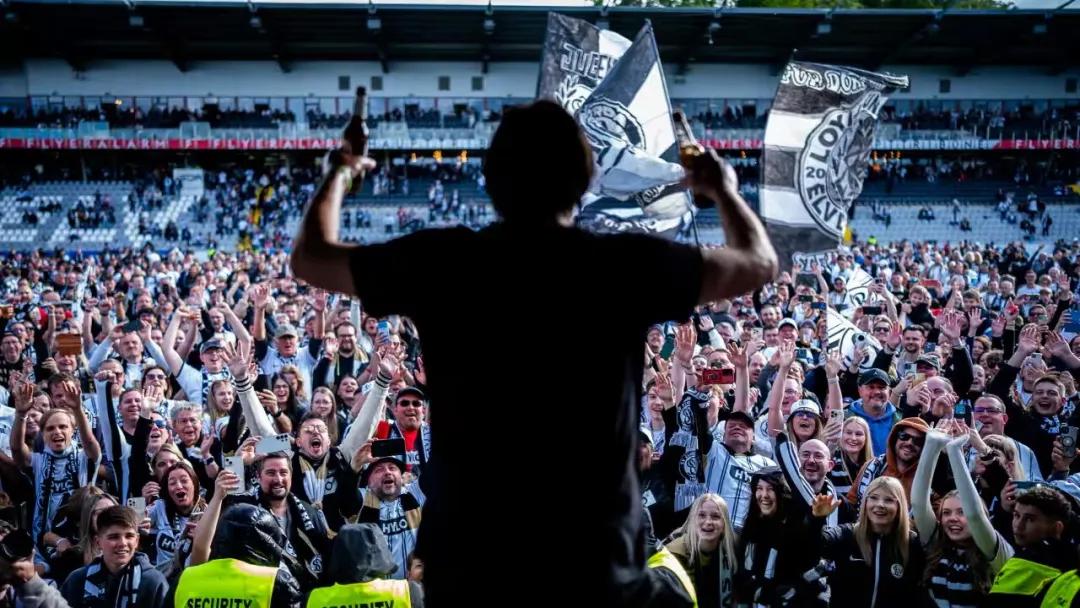
Elversberg's town population is just one-third of Sinsheim's, not only breaking the Bundesliga record but also surpassing the French club Sochaux to set a new record for the smallest town hosting a top-five league club. Five years ago, Elversberg was still a fourth-tier regional league team. This marks their third promotion in five seasons. To meet Bundesliga requirements, the club expanded its stadium capacity from 10,000 to 15,000 this summer, enough to accommodate the entire town's population.
This season, two major dark horses in Europe's top five leagues stood out: Bournemouth, which finished sixth in the Premier League ahead of Chelsea and Tottenham, comes from a town with a population under 200,000; Como, which finished fourth in Serie A, securing a Champions League spot ahead of Milan and Juventus, has a population of fewer than 90,000; and Villarreal, which thrashed Atlético Madrid on the final matchday to claim third place in La Liga, has a town population of just 54,000.
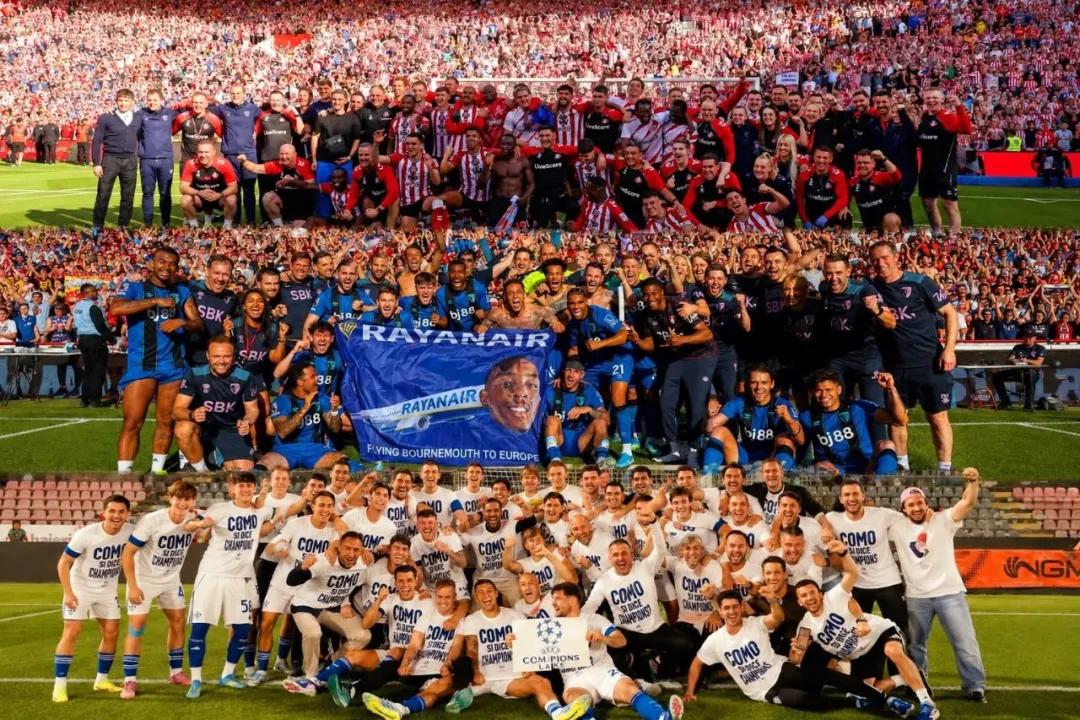
In the Swiss Super League, Thun—which overcame the three giants of Basel, Young Boys, and Grasshoppers to win its first-ever top-flight title in 128 years—hails from a town of only 44,000 people!
Other major European leagues also saw their share of upsets, with the biggest being Torreense, a lower-division side that defeated Sporting CP in the Portuguese Cup final to claim the club's first-ever Portuguese national top-tier title in 109 years. This is also the first time in the 92-year history of the Portuguese Cup (since the professional league was founded in the 1934/35 season) that a lower-division team has won it. Torreense is located in a western suburb of Lisbon, with a population of about 80,000. The last time a lower-division club won a domestic cup in any of Europe's seven major leagues (the top five plus the Portuguese and Dutch leagues) was Guingamp in the 2008/09 season, when they were in Ligue 2.
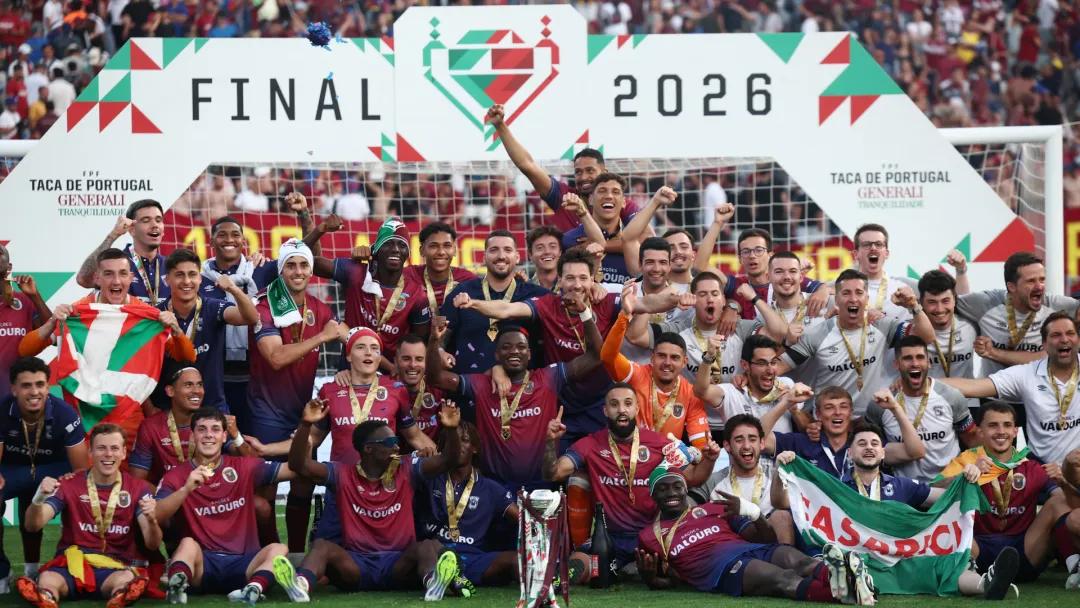
After their triumph, Torreense will participate in the new season's Europa League as a second-division team. The last time a lower-division club from Europe's seven major leagues played in a European competition was Go Ahead Eagles, a Dutch second-division side that entered the 2015/16 Europa League after winning the UEFA Fair Play award for the 2014/15 season—unfortunately, they had been relegated from the Eredivisie that season and were eliminated in the qualifying rounds.
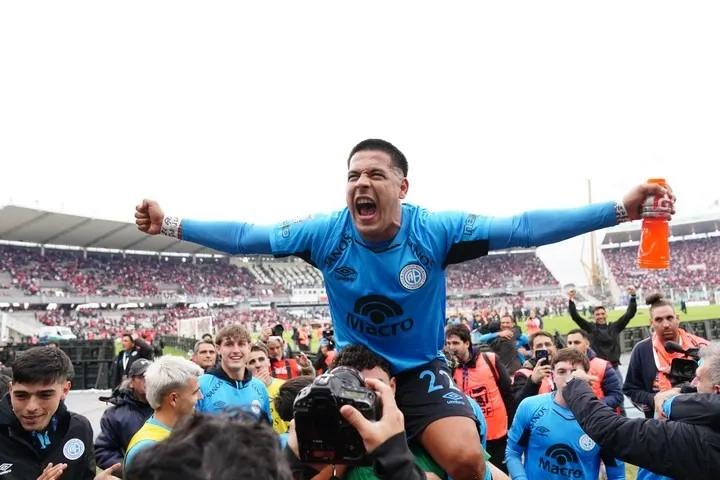
In South America, the biggest upset of the season came from Belgrano de Córdoba, a club from Argentina's inland city of Córdoba, which twice came from behind to beat River Plate and win its first-ever top-flight league title in 121 years. The two clubs have a long-standing rivalry. In 2011, River Plate's first-ever relegation was caused by Belgrano, with current Belgrano coach Zielinski then at the helm, and the goalkeeper Olave, who saved a penalty that sent River Plate down, is now Belgrano's goalkeeper coach.
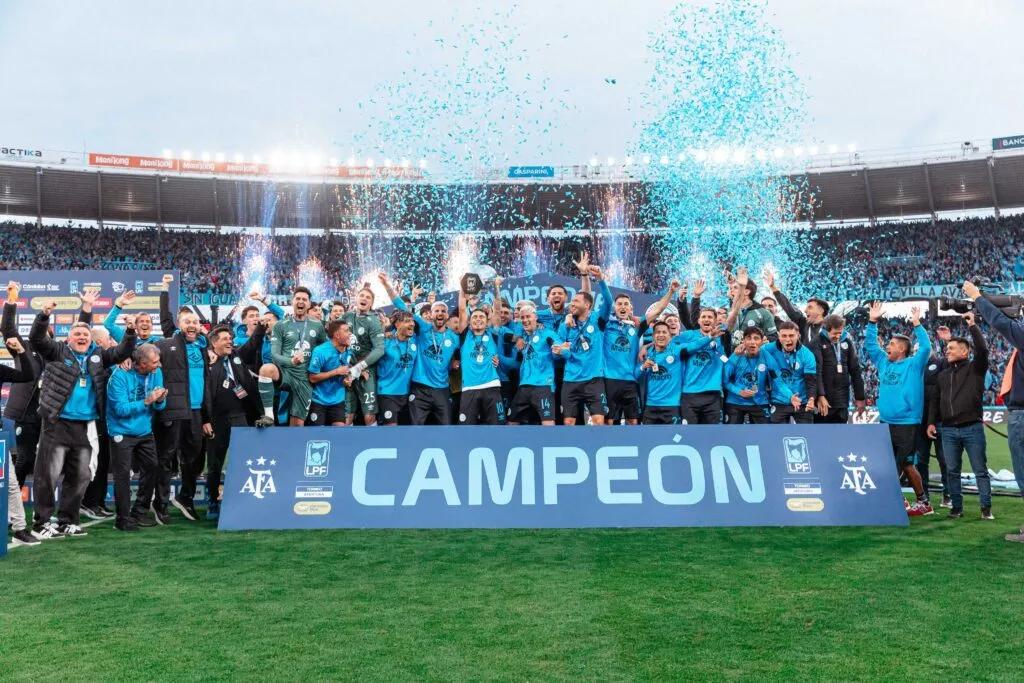
Argentina's football resources are extremely unevenly distributed. In the first 135 years, league titles were concentrated in three major cities: Buenos Aires, La Plata, and Rosario. Last year, the Argentine league returned to a single-round-robin format with 30 teams divided into two groups; the top eight from each group advanced to a single-elimination knockout stage, which increased the chances for smaller clubs to cause upsets. Last year, the capital club Platense won its first title in 120 years. This year, the final was held in Córdoba, and Belgrano de Córdoba took advantage of home ground to realize their dream.
In the regular season, Belgrano finished fifth in their group. In the knockout stage, they were extremely lucky. First, they ended a 20-year winless streak against their local rivals Talleres de Córdoba, which also led to the dismissal of Talleres coach Carlos Tevez. In the semifinals, substitute goalkeeper Fernández made several brilliant saves and helped the team win on penalties against Argentinos Juniors to reach the final. With favorable timing, location, and support, Argentina finally gained a fourth city to host a league champion.


Wonderfulshortvideo
messi goal today messi assist today messi highlights vs egypt enzo fernandez goal today romero goal today argentina goals today argentina 3-2 egypt



“Wonderful player, fantastic player, could not run” 😅

Neville, Keane and Wright DO NOT agree on the future of Argentina in the World Cup 👀
“It gave you everything” 👀
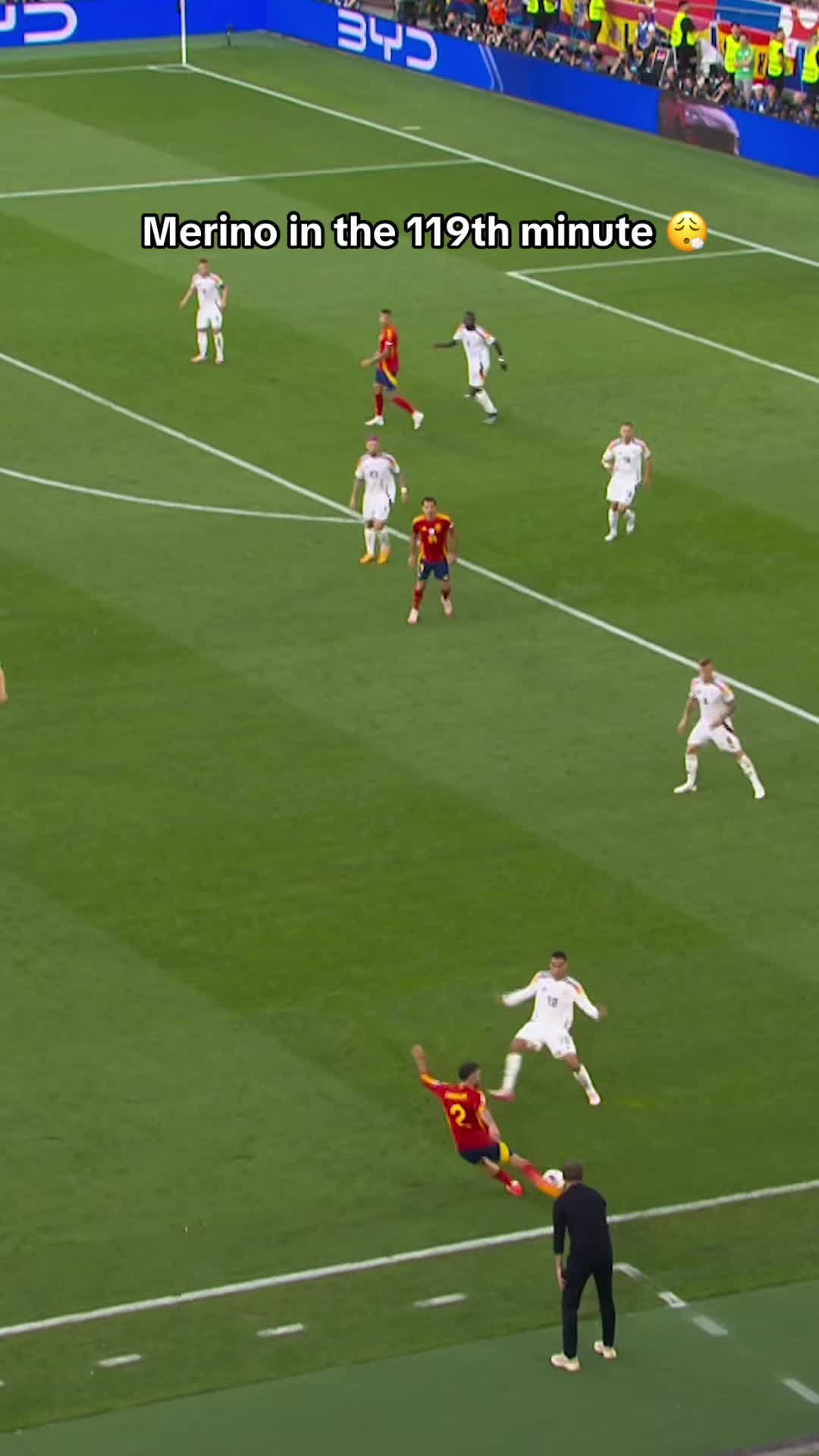
Clutch Merino 😮💨
merino goal today portugal 0-1 spain ronaldo interview today ronaldo retirement retiring
kane goal today kane highlights today england 2-1 congo
 Links
Links
 Contact
 App
App


