



Sunderland's unexpected revival under Regis Le Bris



Amid a top-flight landscape where high-profile coaches with strong personalities frequently make headlines, Regis Le Bris takes a markedly contrasting approach.
He avoids stirring controversy with his statements or cultivating a flashy image off the pitch. Yet it is precisely this calm demeanor that has laid the foundation for one of the most remarkable stories in English football over the past season.
Patience and organization as the cornerstones
In the summer of 2024, when Le Bris left Lorient to take charge of Sunderland, few believed he would have such a significant impact. At that point, Le Bris was starting almost from scratch. He did not bring his own close-knit staff but instead worked with the existing framework at the club.
Rather than trying to make an immediate mark through sweeping changes, Le Bris opted for a more cautious approach. He once admitted that he wanted to "gradually convey ideas and philosophy" to the team. This patience helped Sunderland avoid the sense of upheaval that often accompanies a managerial change.
Le Bris gradually built his influence not only in the dressing room but also within the club's operational structure. One of the biggest turning points came in January 2025, when Sunderland decided to sign Enzo Le Fee on loan from AS Roma.
This was no random deal. Le Bris had worked with Le Fee when the player was still at Lorient's academy and knew the French midfielder's capabilities well. Le Fee's impact was immediate. The Frenchman brought creativity and control over the tempo of the game, qualities Sunderland had been lacking. More importantly, this transfer sent a signal that Sunderland was no longer just a newly promoted side trying to survive in the Premier League.
Le Fee's presence, along with the role of sporting director Florent Ghisolfi, helped convince Granit Xhaka to move to the Stadium of Light from Bayer Leverkusen. That signing held special significance for Sunderland. Not only did it add experience and class to the midfield, but Xhaka also elevated the profile of the project Le Bris was building. The former Arsenal captain later admitted he was persuaded by the seriousness of Sunderland's development direction, as well as Le Bris's coaching style, which reminded him of Arsene Wenger.
Building on that foundation, Sunderland continued to upgrade the squad through a series of notable signings, including Nordi Mukiele, Brian Brobbey, and Habib Diarra.
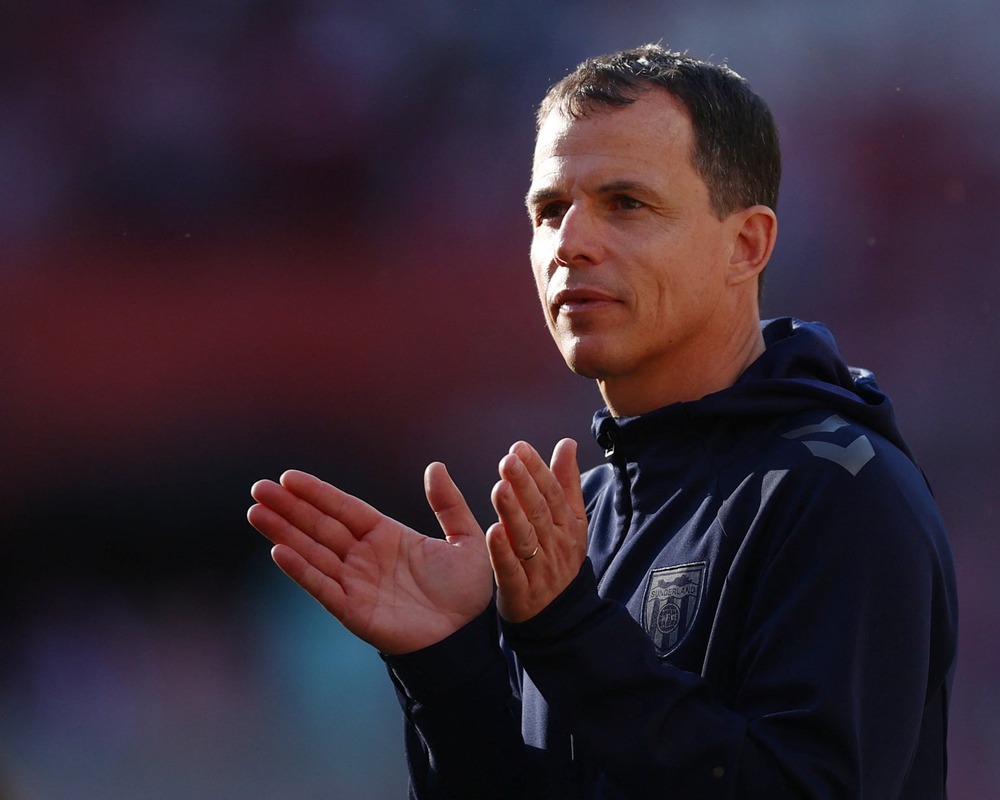
Regis Le Bris guides Sunderland to Europa League qualification for next season
Le Bris's tactical imprint
The most striking aspect of Le Bris's work this past season lies in his ability to organize the team's play. Sunderland did not dominate possession excessively, but they always maintained a clear tactical structure and a consistent level of intensity.
Le Bris built the team to be energetic, with organized pressing and rapid transitions. Without the ball, Sunderland proactively applied pressure in midfield rather than dropping deep into a defensive shell. When they won the ball back, they launched attacks at high speed, exploiting the movement of their forward players.
Xhaka's arrival was particularly crucial to this system. The Swiss midfielder not only brought experience but also helped Sunderland control the tempo of games better. Meanwhile, Le Fee served as the creative link between midfield and attack, while Mukiele provided defensive solidity.
One of the most noteworthy aspects of Sunderland this season has been their mental stability. For newly promoted sides, the usual target is simply survival. In fact, Le Bris set a 40-point goal from the start of the season, and Sunderland reached that milestone by early March.
But rather than resting on their laurels, they maintained good form through the final stretch of the season to finish seventh and secure a Europa League spot. What makes Sunderland highly regarded is not just the results, but the clear identity they established in a short period. Le Bris has been central to that process. He is not the type of manager who enjoys media exposure or attracts attention through a strong personality. However, beneath his calm exterior lies a coach with very high demands for organization, discipline, and collectivism.


Wonderfulshortvideo
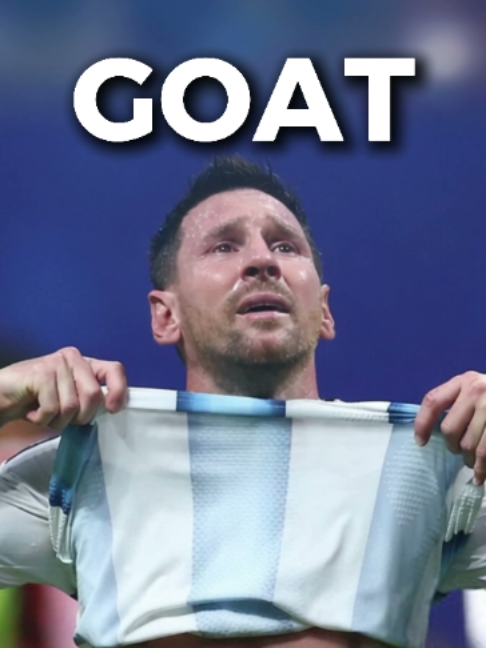
messi goal today messi assist today messi highlights vs egypt enzo fernandez goal today romero goal today argentina goals today argentina 3-2 egypt


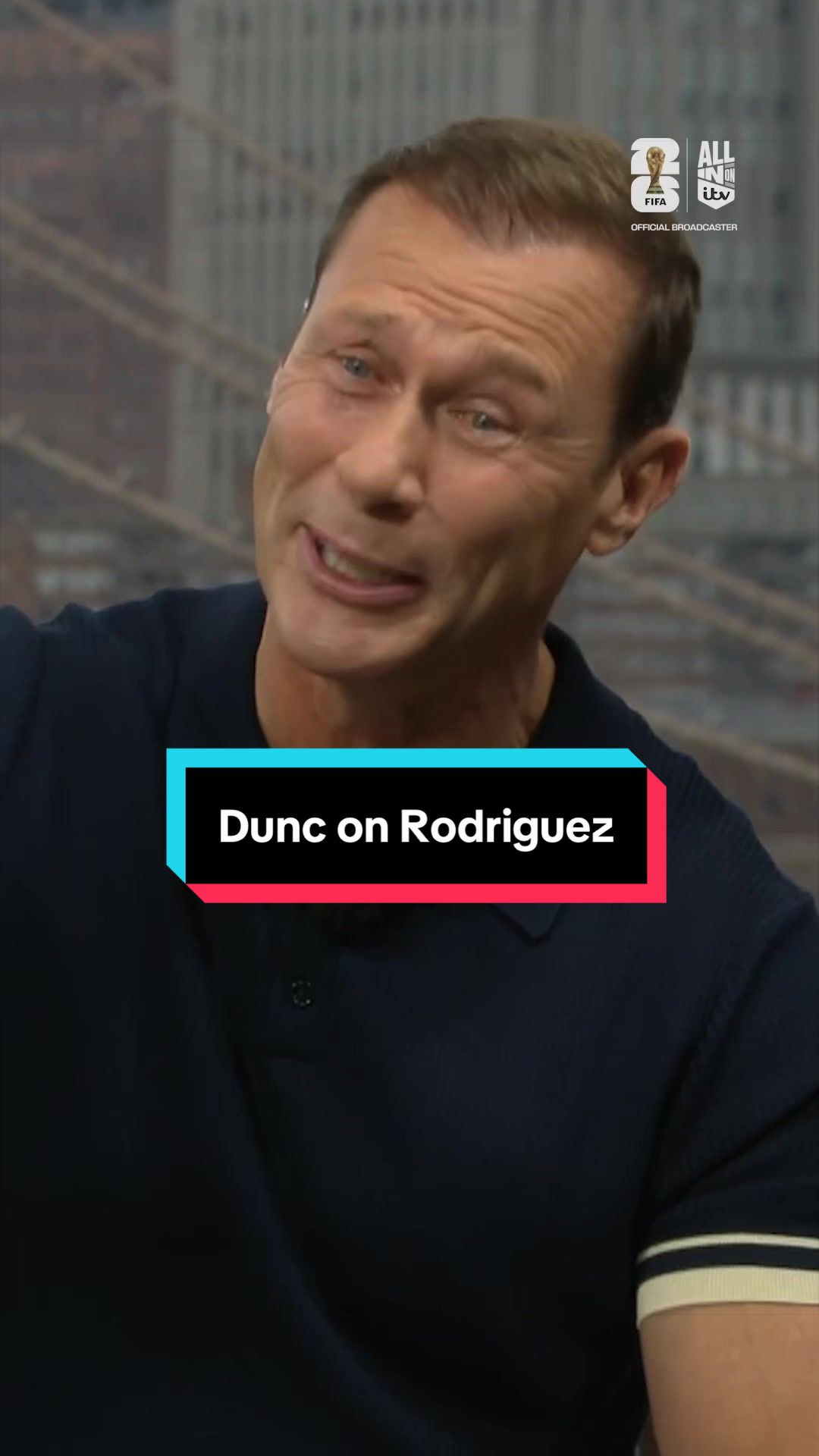
“Wonderful player, fantastic player, could not run” 😅
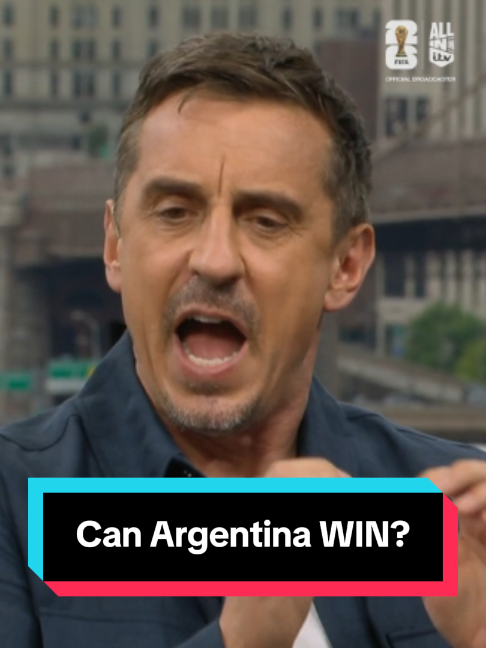
Neville, Keane and Wright DO NOT agree on the future of Argentina in the World Cup 👀
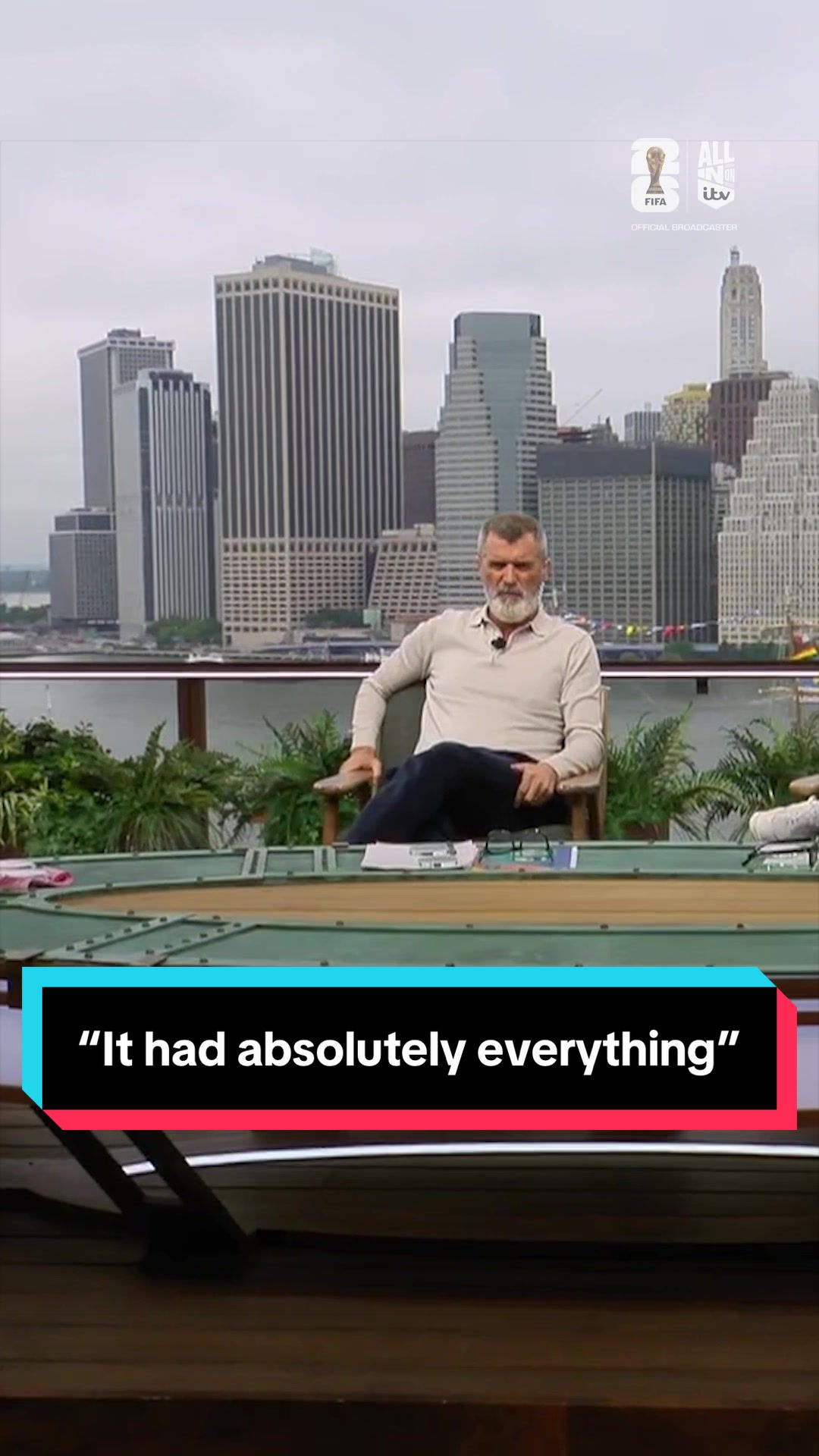
“It gave you everything” 👀
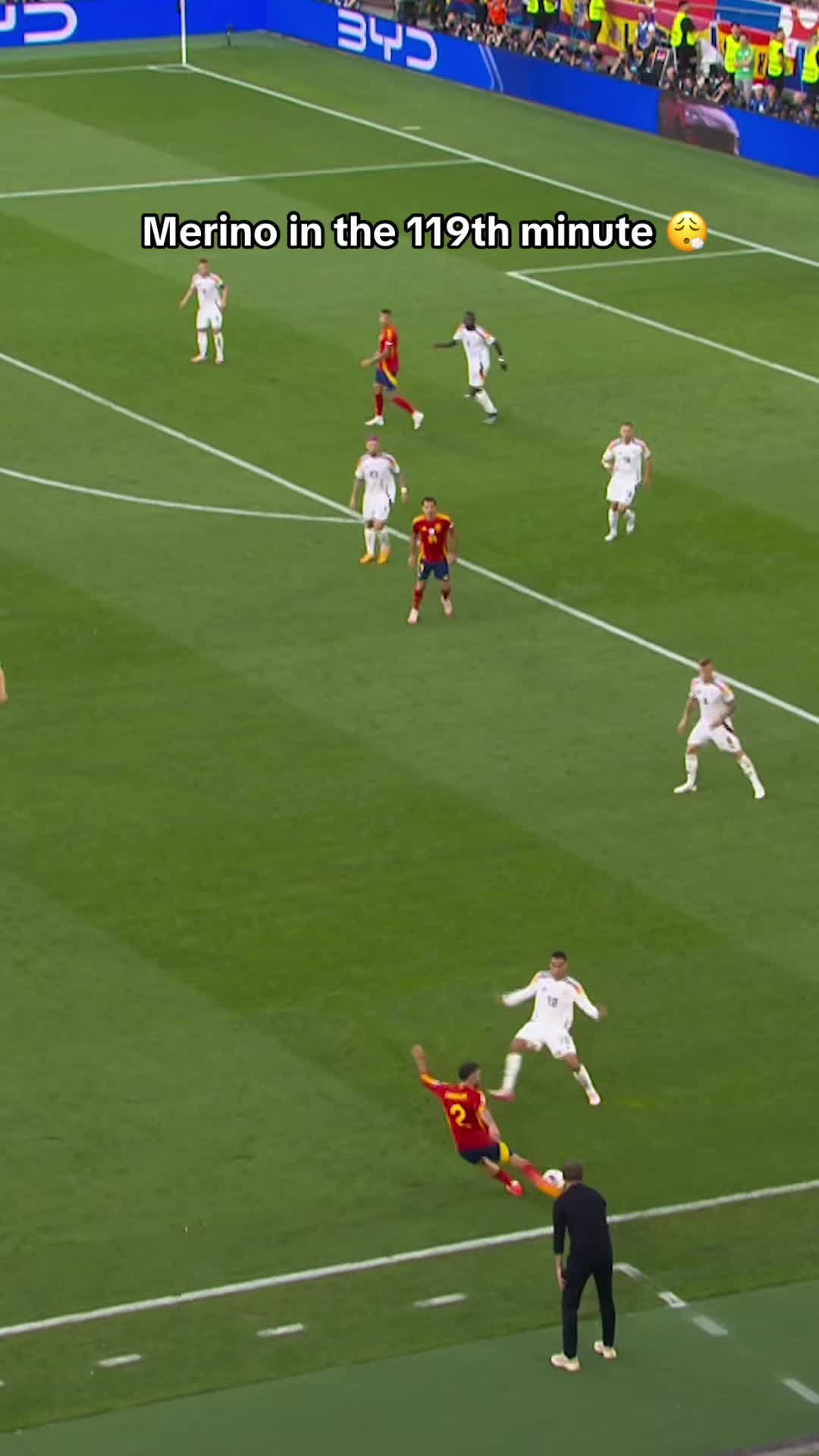
Clutch Merino 😮💨
merino goal today portugal 0-1 spain ronaldo interview today ronaldo retirement retiring
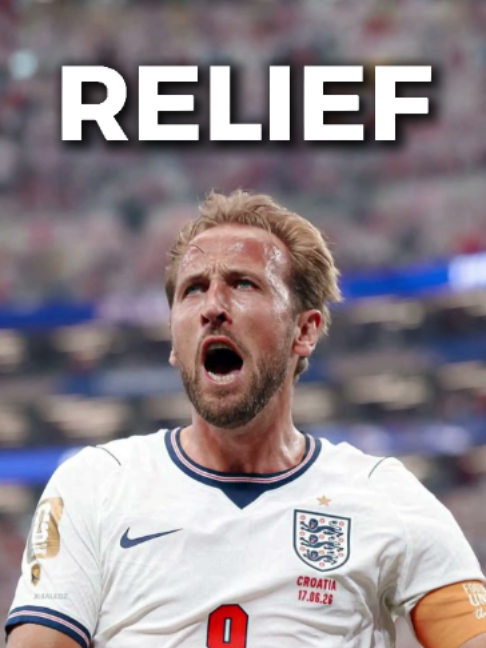
kane goal today kane highlights today england 2-1 congo
 Links
Links
 Contact
 App
App


