



Monopolizing the Premier League's Big Six! European giants usher in an era of young coaches



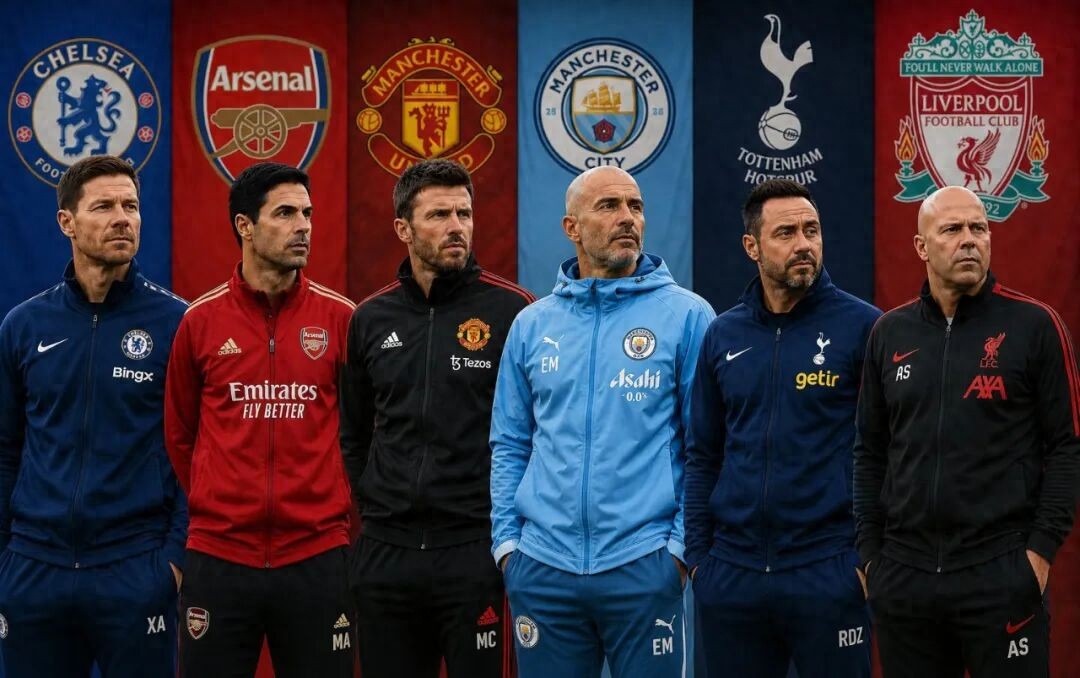
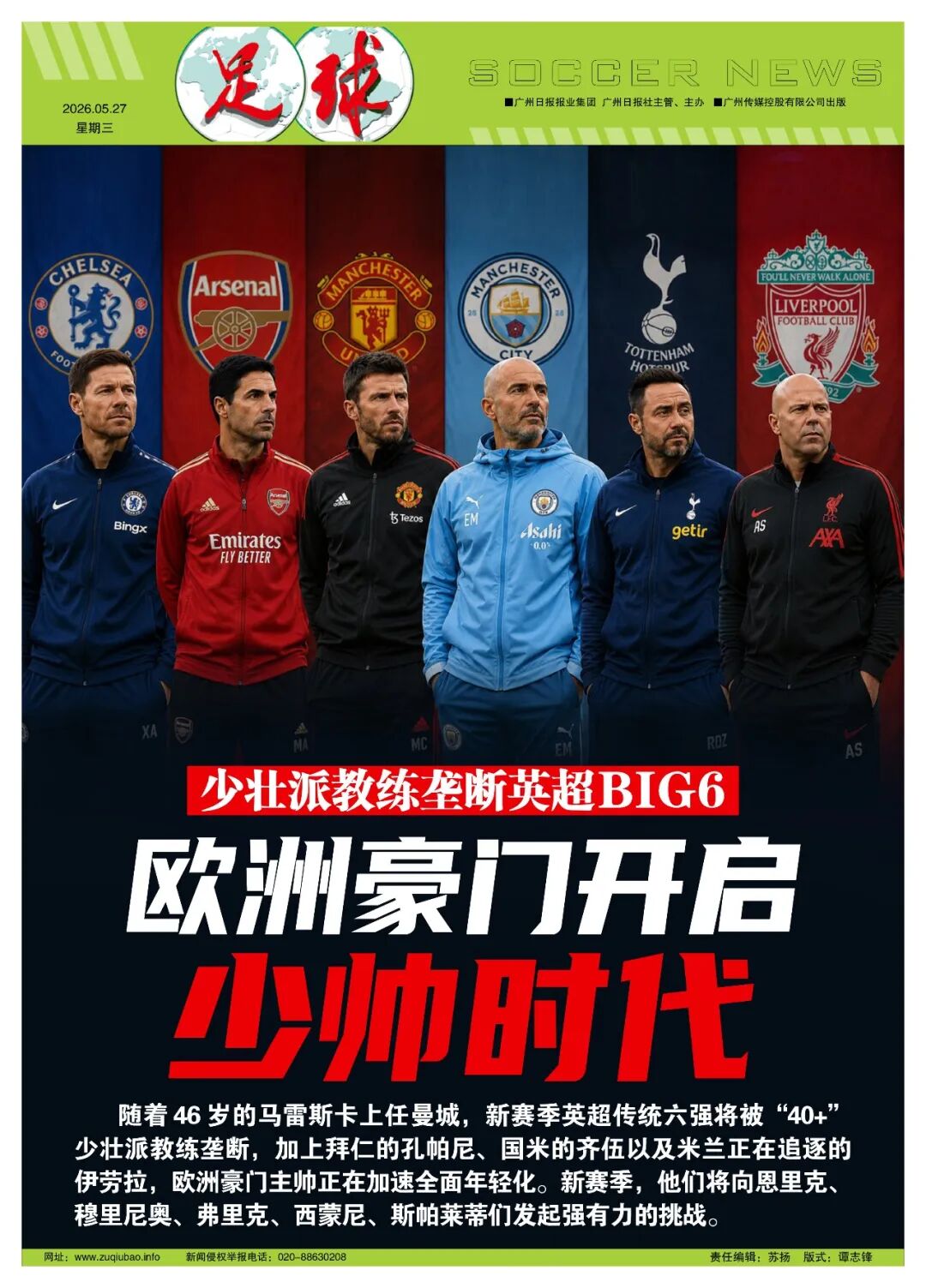
Written by Han Bing As 46-year-old Maresca takes charge at Manchester City, the Premier League's traditional six giants will be entirely led by "40+" young coaches. Arteta, fresh from guiding Arsenal to the league title, new Chelsea boss Alonso, and Carrick, now confirmed at Manchester United, are all 44. Tottenham's new coach De Zerbi is 46, while Liverpool's Slot is 47.
Turning to continental Europe, Bayern's coach Kompany just turned 40, Chivu, who led Inter Milan to a double, is 45, and Iraola, pursued by AC Milan, only turned 44 in June…
The head coaches of European giants are rapidly being rejuvenated across the board, with veteran coaches over 50 being phased out faster. Outside the giants, there are many emerging young coaches in the top five leagues waiting for a call from a big club. The new season will be a key moment for the "dominance" of young, rising coaches, who will pose strong challenges to Enrique, Mourinho, Flick, Simeone, Spalletti, and others.
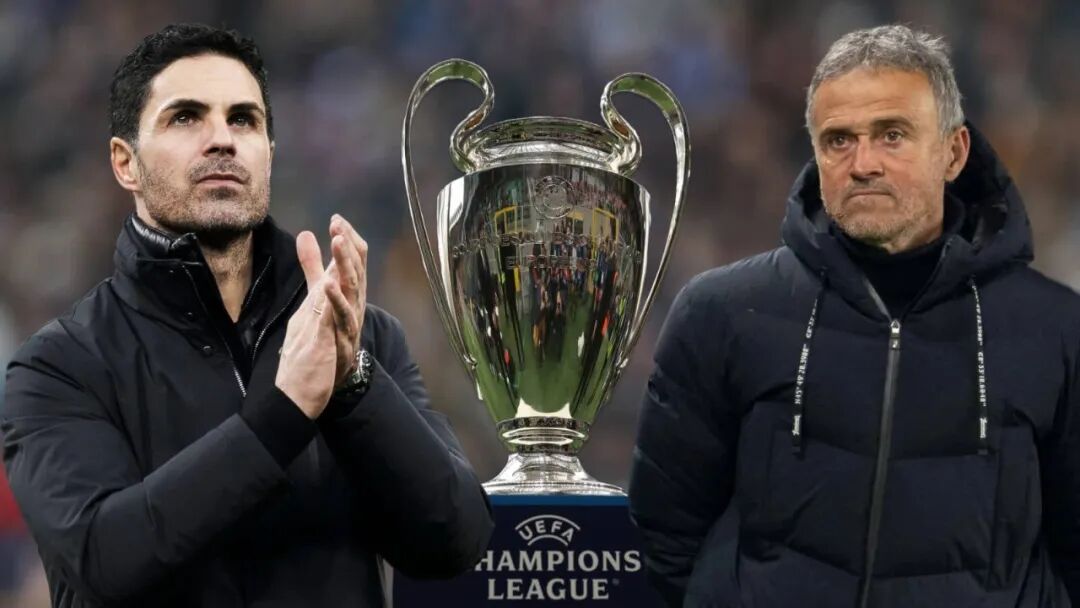

With Maresca taking over Manchester City, the "40+" young coaches have completed their monopoly over the Premier League's traditional six giants — a new era has begun. At the start of the season, the Big Six still had "50+" coaches like Guardiola (City) and Franck (Tottenham), but with Carrick, De Zerbi, Alonso, and Maresca successively in place, the traditional Big Six have been fully rejuvenated.
Compared to Arteta, who has already coached Arsenal for seven seasons, and Liverpool, Chelsea, and Manchester United, which have started their own rejuvenation over the past two seasons, Guardiola's departure ended his long 10-year tenure at the Sky Blues.
In fact, six months before Guardiola's departure, Manchester City had already begun searching for his successor. Maresca, who served as an assistant under Guardiola and won the 2022/23 Champions League with the team, is known as one of Guardiola's most favored disciples. He is familiar with the Manchester City environment, highly aligned with the club's culture, and has sufficient knowledge of the age-group teams, making him the ideal candidate for a smooth transition and to build on the legacy.
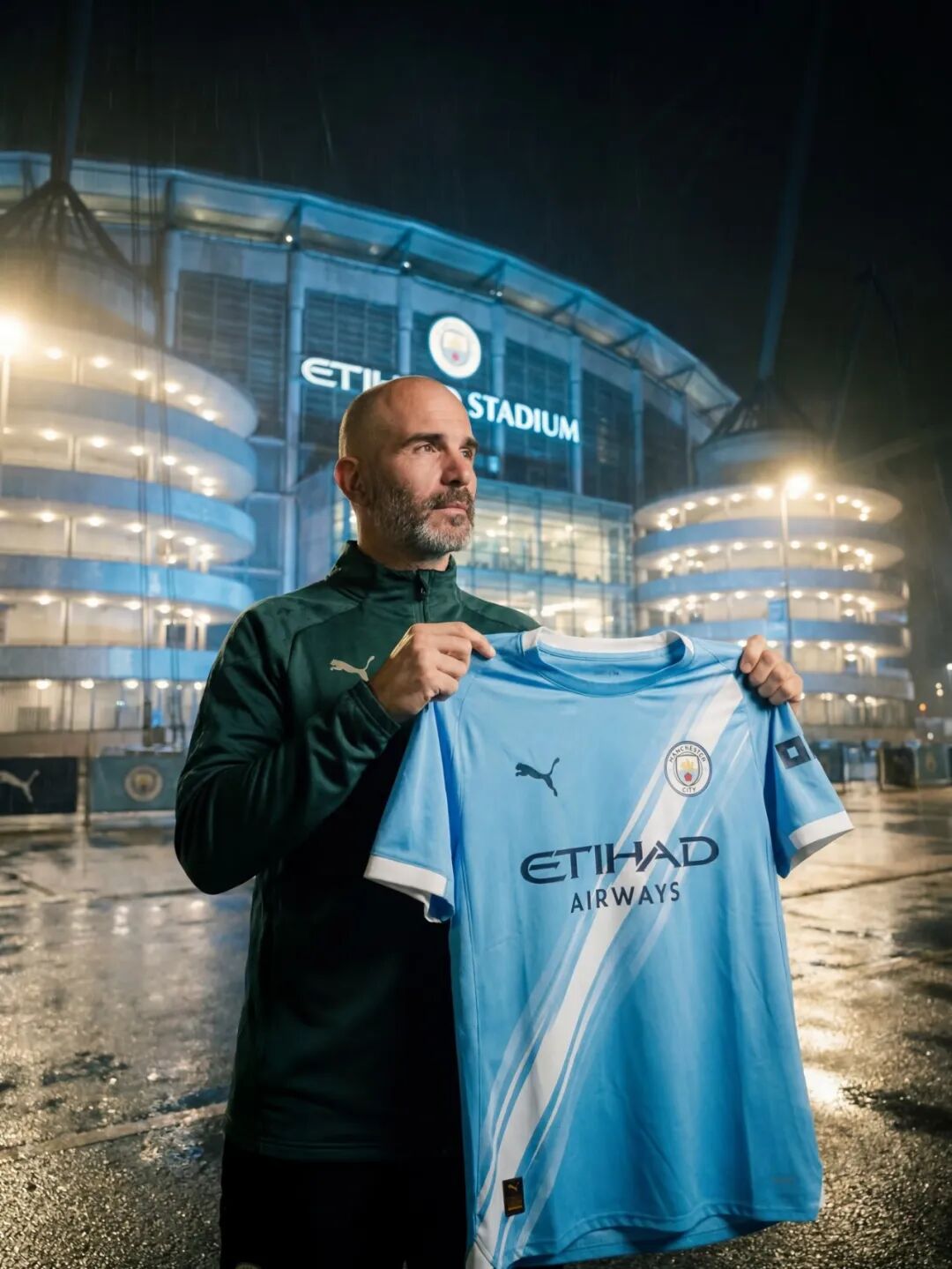
Manchester City's choice of Maresca fully learned from the painful lessons of Manchester United after the Ferguson era. The transition began smoothly with changes in the sporting director and the first-team squad: Viana replaced Begiristain, while Guehi, Semenyo, and others took over from Walker, De Bruyne, Gundogan, and other previous-generation core players. Few top clubs have such ample time and foresight in selecting a new coach, and even the rejuvenation of the sporting director and the first team had already prepared the ground for a similarly young head coach.
Maresca's appointment will not be as rushed and unsupported as Moyes's was back then. This is a decisive foundation for Manchester City to maintain their tactics, dressing-room atmosphere, and title-contending strength in the new season.
Maresca's arrival completes the final piece of the puzzle in the rejuvenation of the Premier League's traditional six giants' coaches. With Klopp and Guardiola successively stepping down, the new season's competition among the Big Six will be an arena for young coaches. Using Arteta as a successful precedent, Alonso and Maresca have both received more power under the "Manager" definition. They have greater say in the summer transfer market, laying the foundation for building the team entirely according to their own will. Slot and De Zerbi have also been given enough time, giving Liverpool and Tottenham, which nearly collapsed this season, a chance to breathe.
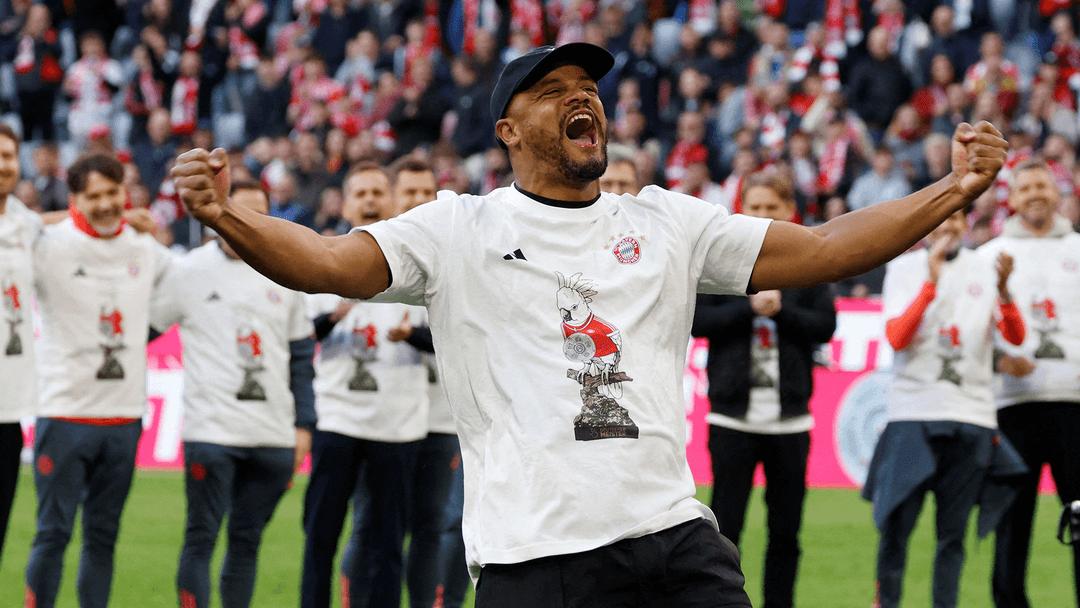

In the four major continental leagues, 40-year-old Kompany has proven his ability to start a new dynasty at Bayern; after Chivu led Inter to a double; the just-turned-39 Fabregas led the small-town team Como to the Champions League for the first time in its history; and their city rivals, AC Milan, have also set their sights on the young Spanish coach Iraola.
Although the three La Liga giants still insist on prioritizing experience, with Real Madrid choosing the former Mourinho over Arbeloa, the youth movement among top-club coaches is unstoppable.
Fabregas, who led Como to their first Champions League appearance, was already a target for major clubs last year, and in the new season he is one of the hottest emerging talents. The managerial positions at traditional European giants are open to this young Spanish coach — his rise is only a matter of time.
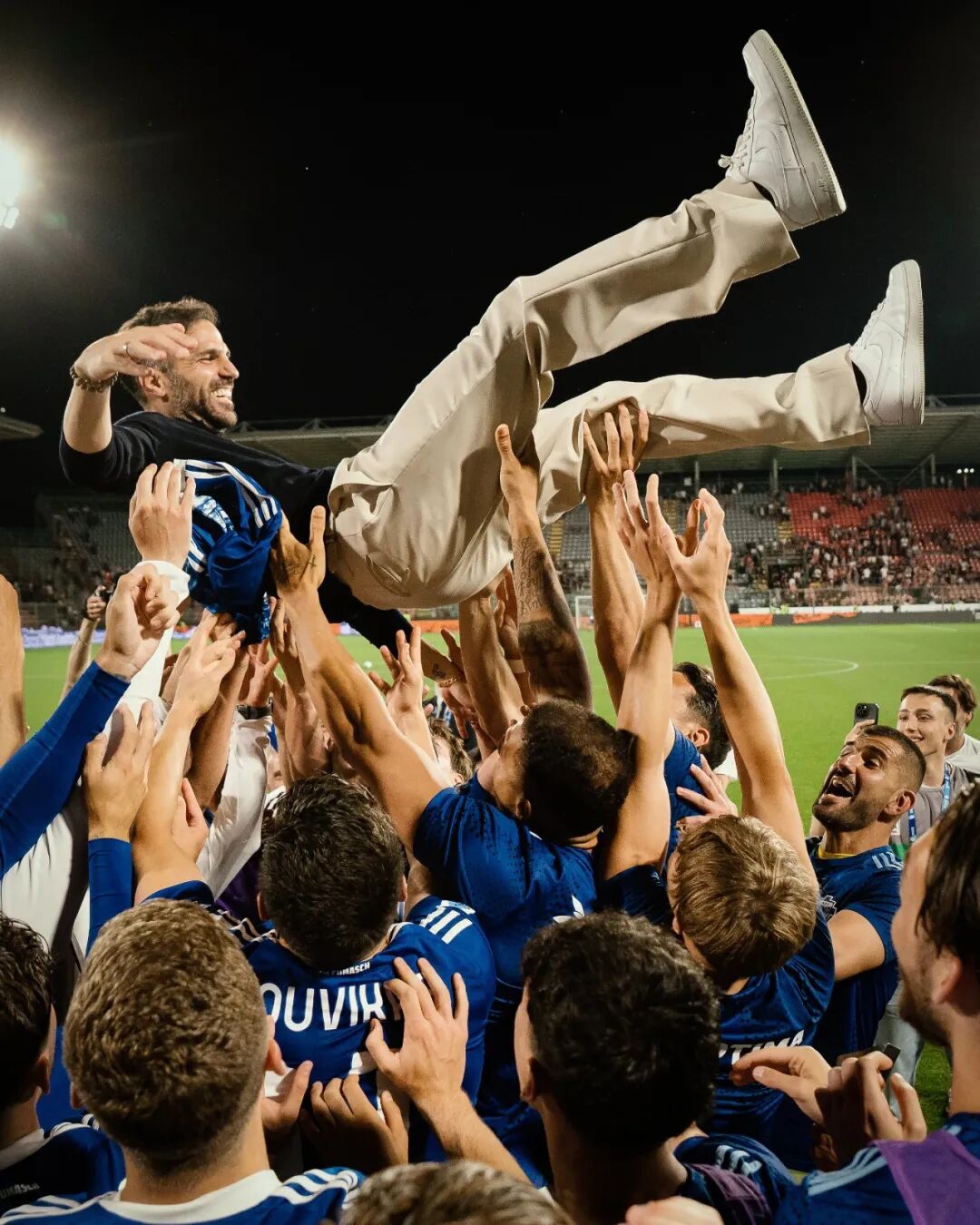
There are few traditional top clubs still led by senior coaches; once results falter, the future priority in coach selection will be young managers. In the Premier League, Andrews (Brentford, 45), Hürzeler (Brighton, 33); in La Liga, Giráldez (Celta, 38); in the Bundesliga, Werner (RB Leipzig, 38), Hoeneß (Stuttgart, 44); in Ligue 1, Sade (Lens, 47) — all are waiting for their chance.
Furthermore, even though Villarreal achieved their second-best historical result — third place in La Liga — under veteran coach Marcelino, they still chose to change managers, driving rejuvenation like Athletic Bilbao and Real Sociedad. The former replaced the old coach Valverde with the 43-year-old German young coach Terzic, while the latter hired American coach Maturana (48) last summer, who led the team to defeat Atletico Madrid and win the Copa del Rey. In addition, Falière (37), who finally won a title at Porto, and Van Persie (42) at Feyenoord are also waiting for invitations from the top five leagues or even big clubs.
As emerging young coaches take more and more managerial positions at top clubs in the five major leagues, the metabolism of the European football coaching world is at a critical juncture, entering the next era.


Wonderfulshortvideo
messi goal today messi assist today messi highlights vs egypt enzo fernandez goal today romero goal today argentina goals today argentina 3-2 egypt



“Wonderful player, fantastic player, could not run” 😅
Neville, Keane and Wright DO NOT agree on the future of Argentina in the World Cup 👀
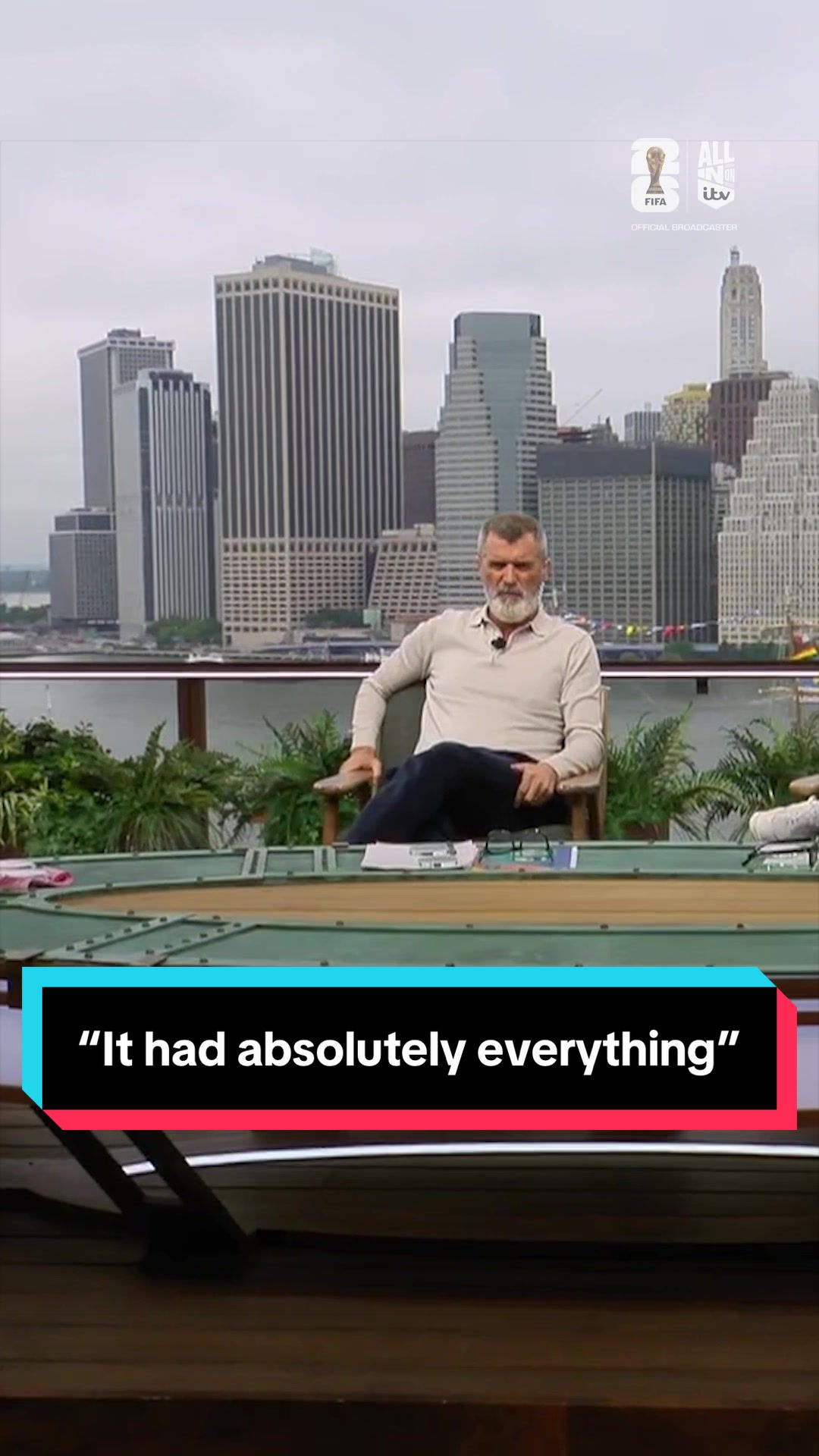
“It gave you everything” 👀
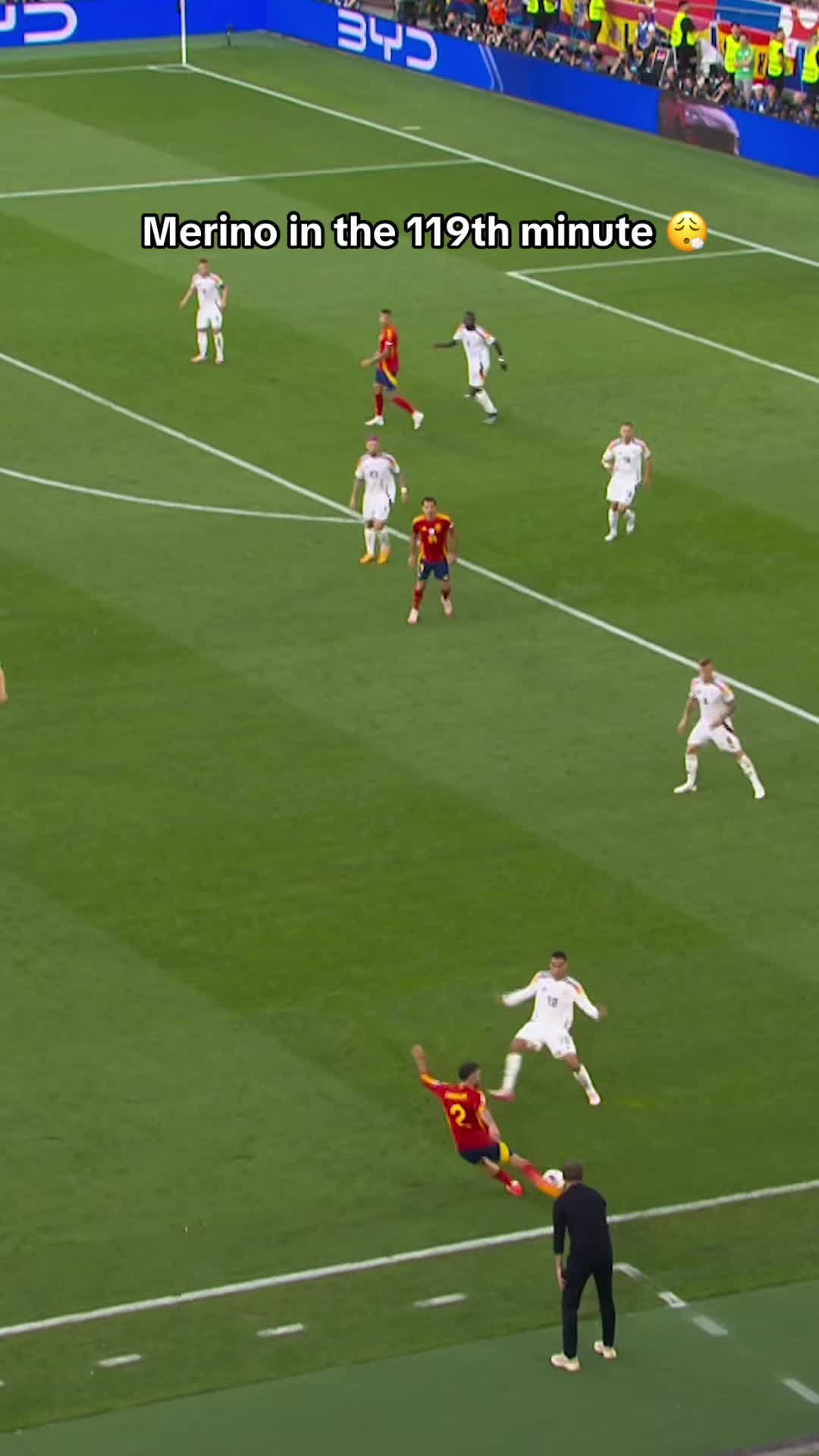
Clutch Merino 😮💨
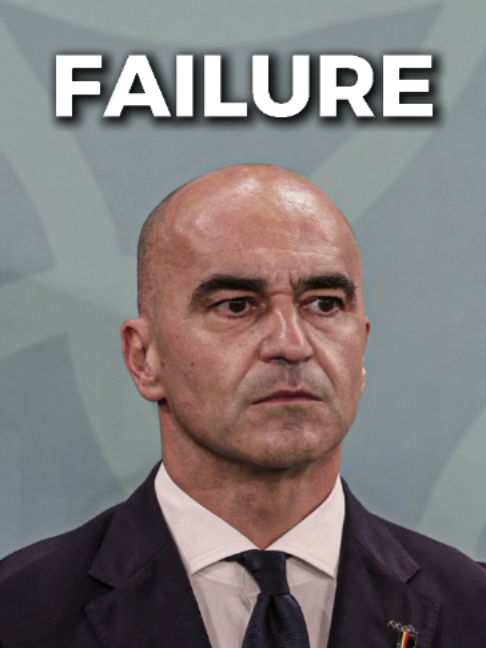
merino goal today portugal 0-1 spain ronaldo interview today ronaldo retirement retiring
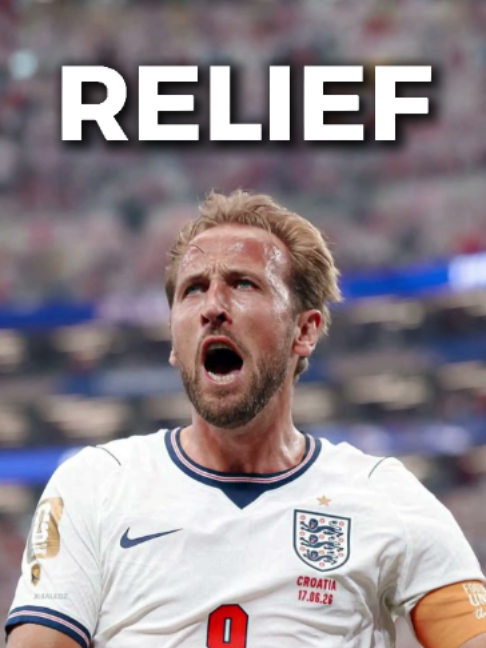
kane goal today kane highlights today england 2-1 congo
 Links
Links
 Contact
 App
App


