



The "most cautious" Allegri couldn't secure Milan's Champions League qualification.


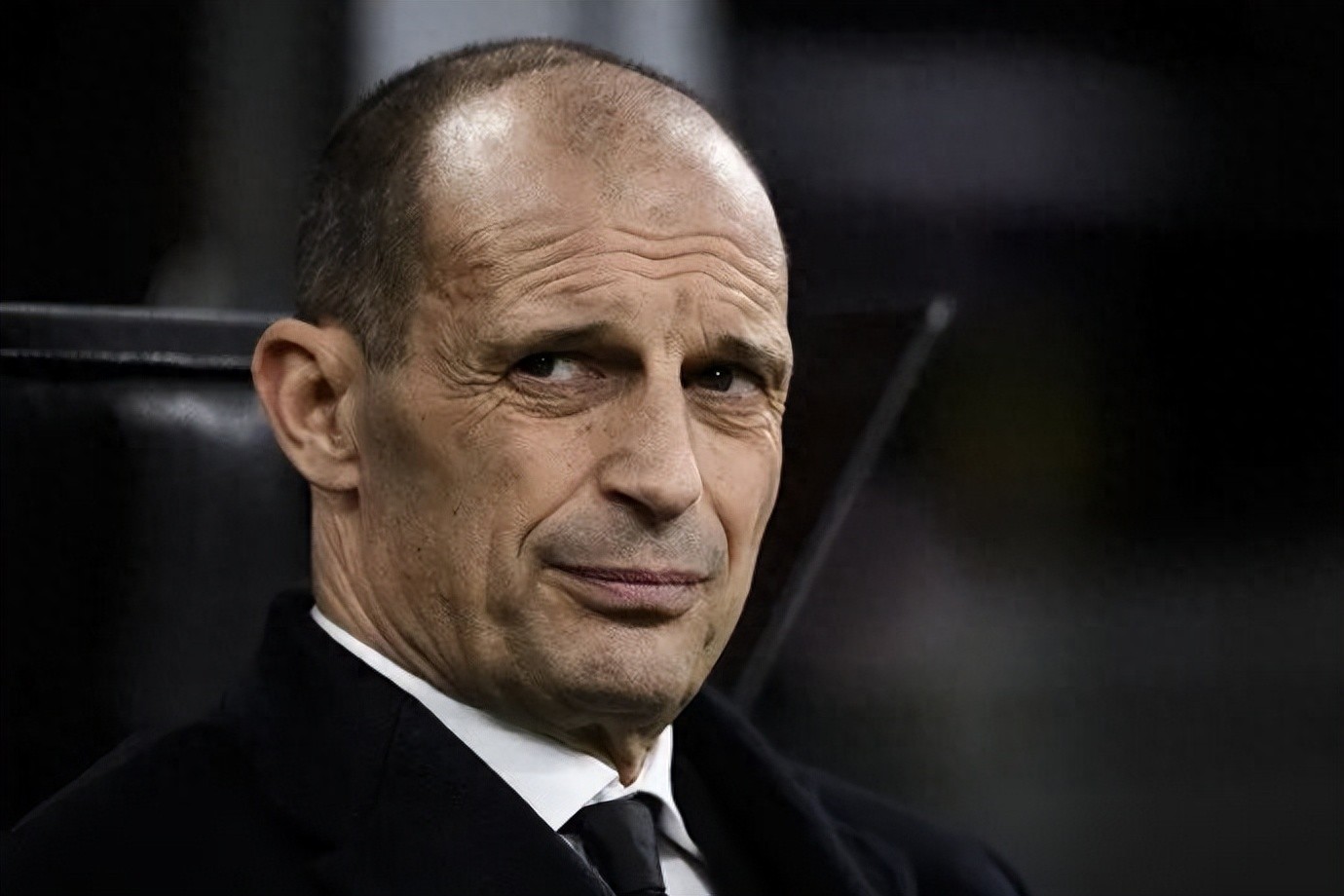
Written by Felipe. In the 38th round of the 2025/26 Serie A season, AC Milan lost 1-2 at home to Cagliari. The moment the final whistle blew, the atmosphere at San Siro was unusually oppressive, with constant boos directed at the players, coach, and management. The Rossoneri fans in the stands clearly understood that Roma and Como had secured their victories, making it inevitable that the red-and-black team would miss out on the Champions League for the second consecutive year.
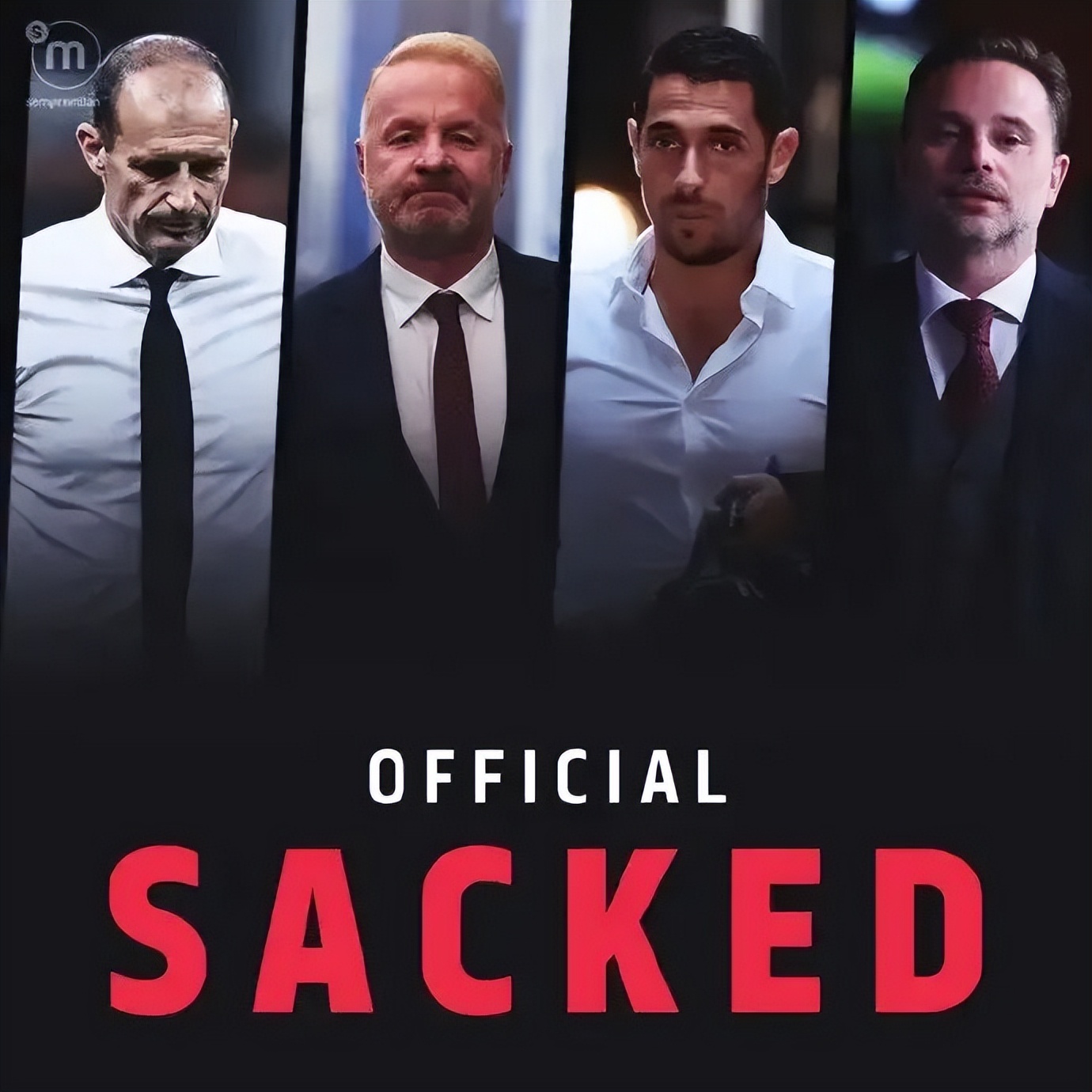
After another disappointing season, early on May 26th Beijing time, AC Milan officially announced that head coach Massimiliano Allegri had been dismissed. At the same time, club CEO Giorgio Furlani, sporting director Marco Tare, and technical director Geoffrey Moncada also left their positions. Allegri's second stint at Milan was officially declared a failure.
When he returned to Milanello at the age of 58, the veteran coach was filled with youthful ambition, vowing to save the crumbling edifice. He did not demand a Champions League qualification bonus in his contract, believing that leading the red-and-black to a UCL spot was a given, not a bargaining chip. Twelve months later, amid the thunderous boos at San Siro, he was defeated by his former club and left in disgrace. Just like 11 years ago, Allegri's story with the Rossoneri ended abruptly once again.

Last summer, Allegri, who had been unemployed for a year, returned to Milan, completing his coaching career's "second stint hat trick," as he had done previously at Grosseto and Juventus.
However, the AC Milan he took over was riddled with issues.
In terms of results, the team finished 8th in Serie A in the 2024/25 season, missing out on the Champions League for the first time since the 2020/21 campaign and also failing to qualify for European competitions for the first time in nine years, sinking to nearly its lowest point in a decade. In terms of squad, Milan had inherent deficiencies. Besides a major overhaul in midfield and defense, the No. 9 position had no one other than Santiago Gimenez. At the management level, there was a division of power: one faction consisted of veteran partners CEO Furlani and technical director Moncada—who had driven out legendary captain and former technical director Paolo Maldini—while another faction was new sporting director Tare, and even club advisor Zlatan Ibrahimovic, a RedBird Capital partner, wanted to interfere with first-team affairs. Add to that a locker room chaos that two consecutive managers had failed to control, and describing Milan at that time as a "mess" was quite appropriate.
For a turbulent team seeking stability, turning to an old hand to save the day was undoubtedly a safe bet—football history has proven this countless times, and it held true for Italian football. And wasn't "stability" precisely Allegri's middle name? When he took over Milan's coaching reins after 11 years, few expected him to drastically transform the old club amid such chaos. But to merely secure a fourth-place finish and a Champions League spot? Probably no one doubted his ability to stabilize the situation.
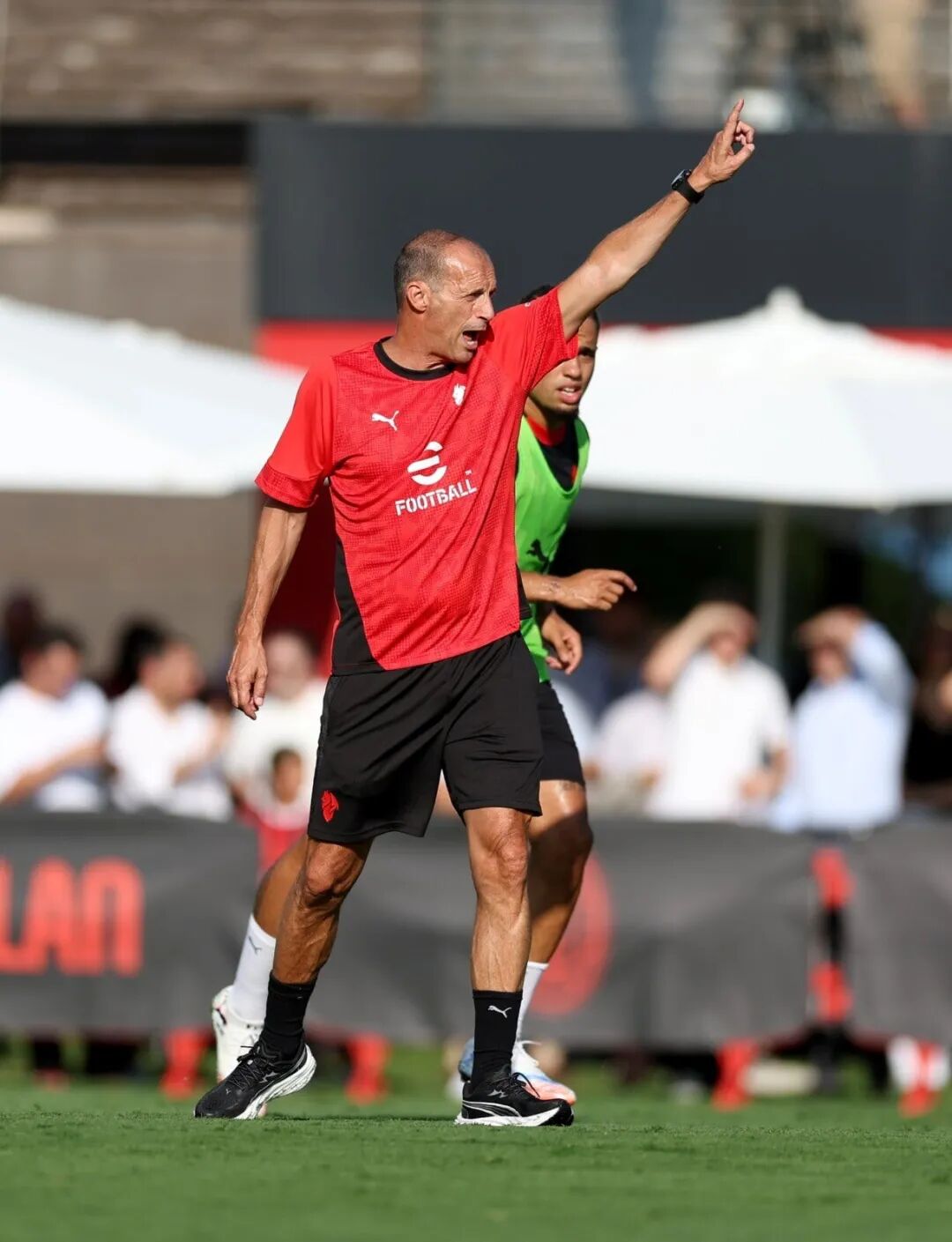

If you ask where the surprising results of the first two-thirds of the season came from, Allegri as head coach certainly deserved credit. He re-infused his own football philosophy into this Milan side. The red-and-black no longer indulged in trading blows with opponents as they had under the later stages of Pioli's tenure, as well as under Fonseca and Conceição.
After a brief adjustment period at the start of the season, Allegri and his team showed unexpectedly good momentum. Their extremely conservative and pragmatic style made AC Milan one of the best defensive teams in Europe at one point. After the last match in March, Milan sat second in the league after 30 rounds. They even went on a 24-match unbeaten run—winning all first-leg encounters against Inter Milan, Napoli, Como, and Roma. Although they were weak against smaller sides, in big matches, Allegri's Milan always knew how to use their trademark compact counterattack to hit opponents where it hurt, delivering a fatal blow.
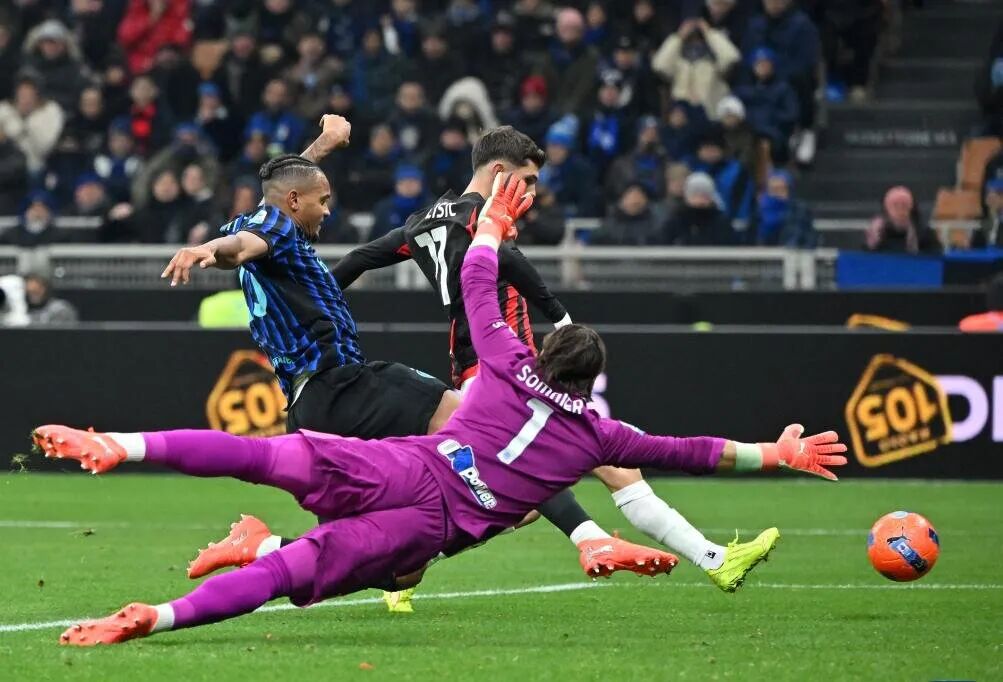
After 30 rounds, the red-and-black had 18 wins, 9 draws, and 3 losses for 63 points, leading 5th-place Juventus by 9 points. If this momentum continued, the Champions League spot seemed all but secured. Beneath this thriving facade, when did hope begin to show signs of crumbling?
In April, as Serie A entered the final eight rounds of the sprint, AC Milan suddenly ran out of steam: starting with a 0-1 away loss to Napoli in Round 31, which cost them second place, the team went 1 win, 1 draw, and 4 losses over six rounds, beginning a free fall in the standings. Even in their sole victory—a 2-1 away win over Genoa in Round 37—when Nkunku won a penalty while the game was deadlocked, Allegri uncharacteristically faced the penalty spot but covered his face with his hands.
After that match, Milan still held the initiative in the top-four race. But in the final round against Cagliari, Milan took the lead in the 2nd minute but eventually collapsed, with Allegri's former Sardinian club shattering Milan's Champions League dreams. In the dying moments of the game, when Cagliari had a counter-attack one-on-one chance, no Milan player attempted to chase back; instead, they all appealed to the referee for a handball. More disheartening than being outplayed was the complete mental breakdown. From Furlani to Allegri to the players, everyone seemed to have resigned themselves, just waiting for the referee to blow the final whistle and deliver the verdict.
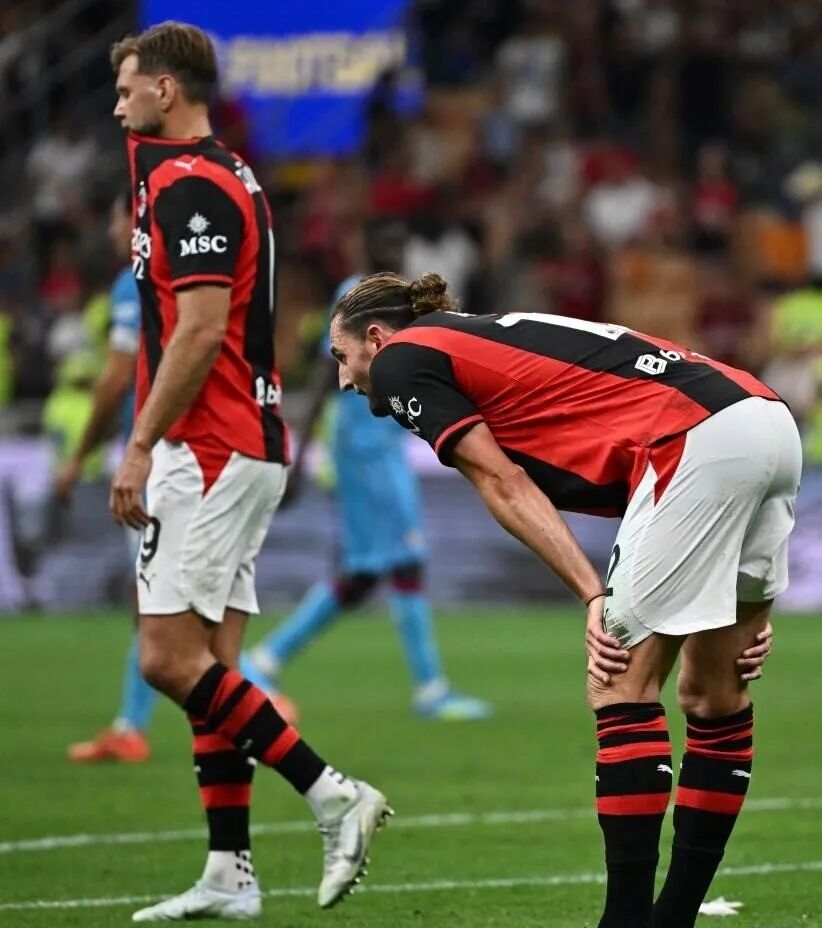

Success was due to Allegri, and failure was also due to Allegri. When opponents figured out the 3-5-2 formation with its cruise-control rhythm, Milan's attack became stuck. At the same time, Allegri tailored his personnel selections rigidly, forcing unsuitable players into his predetermined tactical framework and sticking to fixed rotation choices, often resulting in 1+1<2—everything felt awkward.
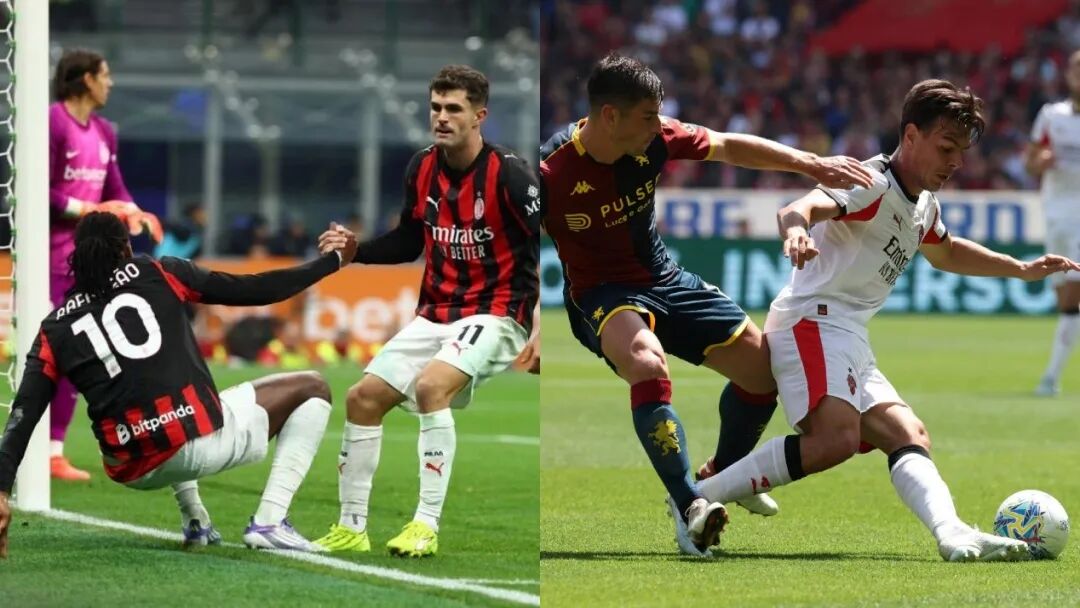
Allegri wasn't without ideas for change, but with the management's lack of support, he had limited cards to play. With Gimenez sidelined for a long period, and Nkunku, who could fill in as a striker, playing intermittently due to injuries, Allegri was forced to push wingers Leão and Pulisic into the two-striker positions of the 3-5-2, clutching at straws. Although Füllkrug joined on loan in the winter window, it was too little too late. After the away match against Lazio, Leão and Pulisic argued in the locker room. Though Allegri defused the incident, their on-field performances proved that forcing a square peg into a round hole simply doesn't work.
In Round 32, at home against Udinese, Allegri abandoned the 3-5-2 for the first time this season and switched to a four-man defense, hoping to reverse the previous round's slump. However, a humiliating 3-0 defeat quickly made him declare the formation change a failure, realizing that Milan simply lacked the personnel to smoothly transition between three and four defenders. Modrić's injury in the home match against Juventus in Round 34 was a devastating blow. Yashari, who had dreamed of playing for Milan since childhood, let down Allegri's trust, losing the ball in his own half and conceding the first goal away to Sassuolo, digging an even deeper hole for Milan.
Failure was not solely Allegri's fault. The transfer team, led by former CEO Furlani and former technical director Moncada, knowing full well the shortage of a proper center-forward, chose to sign Nkunku in the summer window. In the winter window, Milan again missed out on Mateta due to ridiculous medical issues, finally scrambling to bring in Füllkrug on loan. With a weak forward line, relying on goals from defenders was hardly a long-term solution. Even a clever housewife can't cook without rice, let alone a "worried" housewife?
One of Furlani's key arguments for pushing out Maldini was that the Milan legend had misjudged the De Ketelaere transfer, wasting over €30 million in transfer funds. However, since Moncada was promoted from chief scout to technical director in August 2023, the two allies spent over €100 million combined on Gimenez, Yashari, and Nkunku. Yet it is highly questionable whether the on-field value of these three players amounts to even half of that expenditure. Add to that the €15 million-level counterproductive signings of Emerson and Estupiñán—if "Accountant Furlani" was eventually fired for failing to stem the team's asset losses, perhaps it could have happened even earlier.
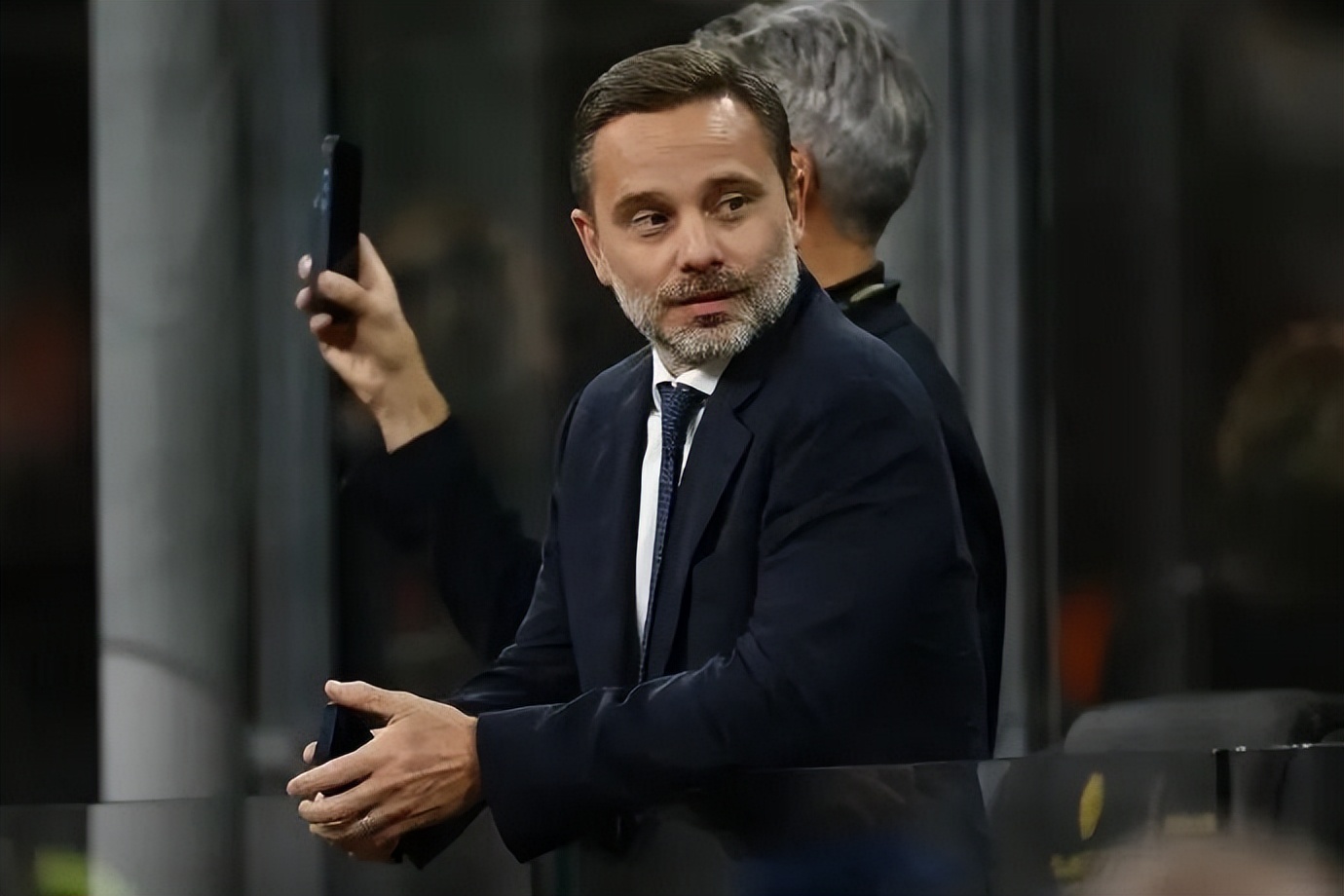
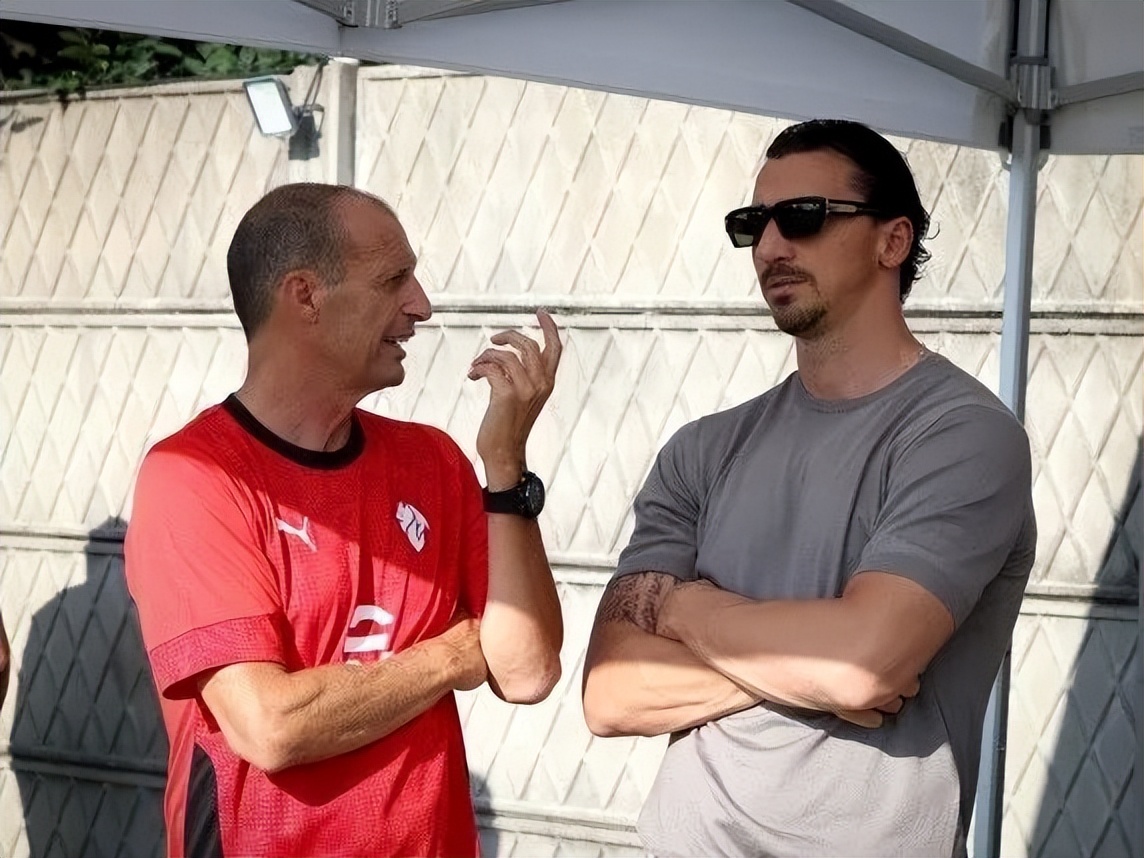
Before Milan's away match against Genoa, Italian media reported that Ibrahimovic had frequently called Leão and Fofana, providing tactical instructions over the head of the head coach. The disunity in the locker room had become inevitable as results worsened. "I think after leaving Milan, Allegri will find it hard to get other opportunities. The direction of football is no longer what he hopes it to be," said Cassano, a persistent critic of Allegri, near the end of the season. In the Italian media, even his private conversations with Ibrahimovic would revolve around Allegri.
Yet Allegri is hardly as unemployable as Cassano described. Multiple Italian outlets reported that he had already received an offer from Napoli. Eleven years ago, Allegri left Milan for the first time and then moved to another Italian powerhouse, taking over from Conte. If De Laurentiis ultimately decides Allegri is the right man, then history might be repeating itself.
The mutual falling-out once again might be a relief for Allegri. He no longer has to engage in political infighting with the white-collar executives from RedBird, nor pretend to get along with Ibrahimovic—whom he had disliked since his first Milan stint—just as he left the power struggle between Galliani and Barbara 11 years ago. Milan's trophy cabinet is not lacking in silverware, and the "outdated product" Cassano spoke of has six Serie A titles to his name—if he wants, he can find his next job soon.
But when will the storm at Milanello calm down? No one knows...


Wonderfulshortvideo
messi goal today messi assist today messi highlights vs egypt enzo fernandez goal today romero goal today argentina goals today argentina 3-2 egypt


“Wonderful player, fantastic player, could not run” 😅
Neville, Keane and Wright DO NOT agree on the future of Argentina in the World Cup 👀
“It gave you everything” 👀
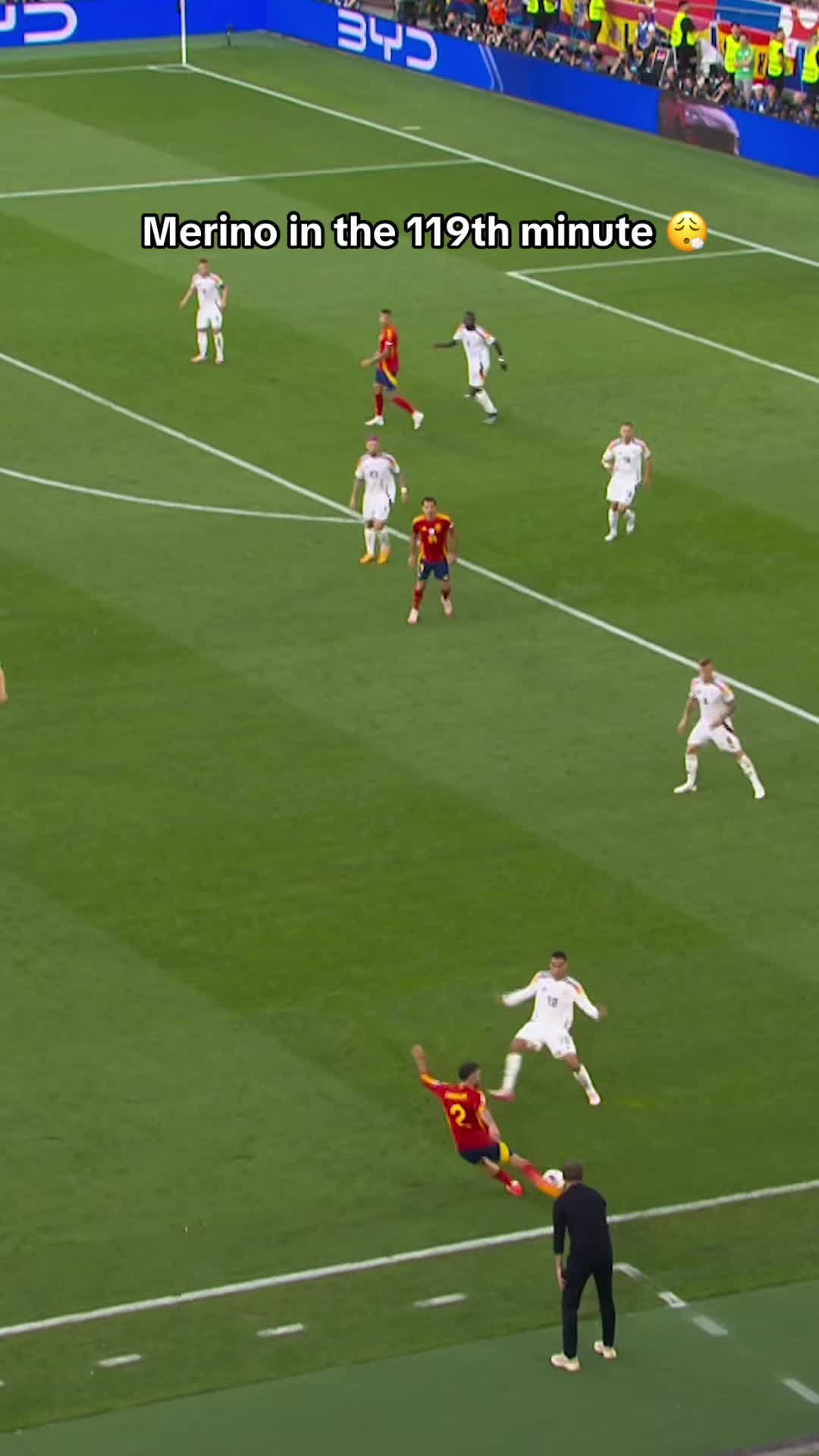
Clutch Merino 😮💨
merino goal today portugal 0-1 spain ronaldo interview today ronaldo retirement retiring
kane goal today kane highlights today england 2-1 congo
 Links
Links
 Contact
 App
App


