



The most expensive World Cup ever? Final premium ticket prices surge 7-fold + official secondary platform charges 30% commission.



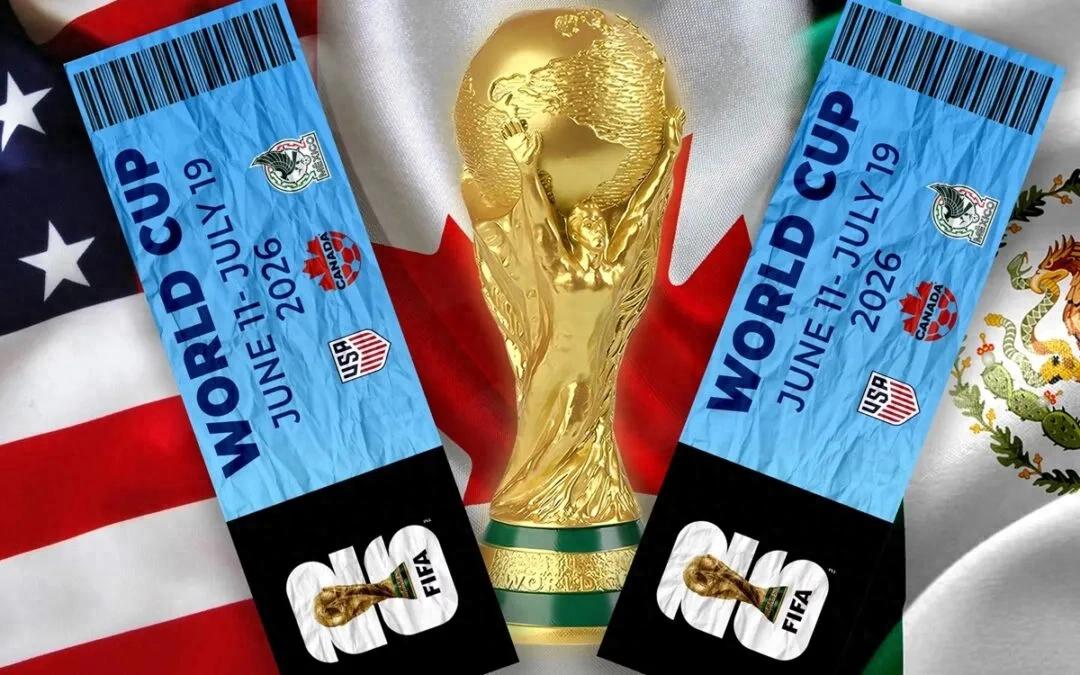
Written by Han Bing FIFA President Gianni Infantino has repeatedly claimed: the 2026 World Cup in the USA, Canada, and Mexico will be the greatest World Cup ever. Whether it will be the greatest remains unknown, but from the perspective of ticket prices, it is undoubtedly the most expensive World Cup ever, without exception. If considering fans' expenses for transportation and accommodation, this conclusion becomes even more certain. Even Forbes magazine in the USA has questioned: this is not a football World Cup, but a "greedy" World Cup.
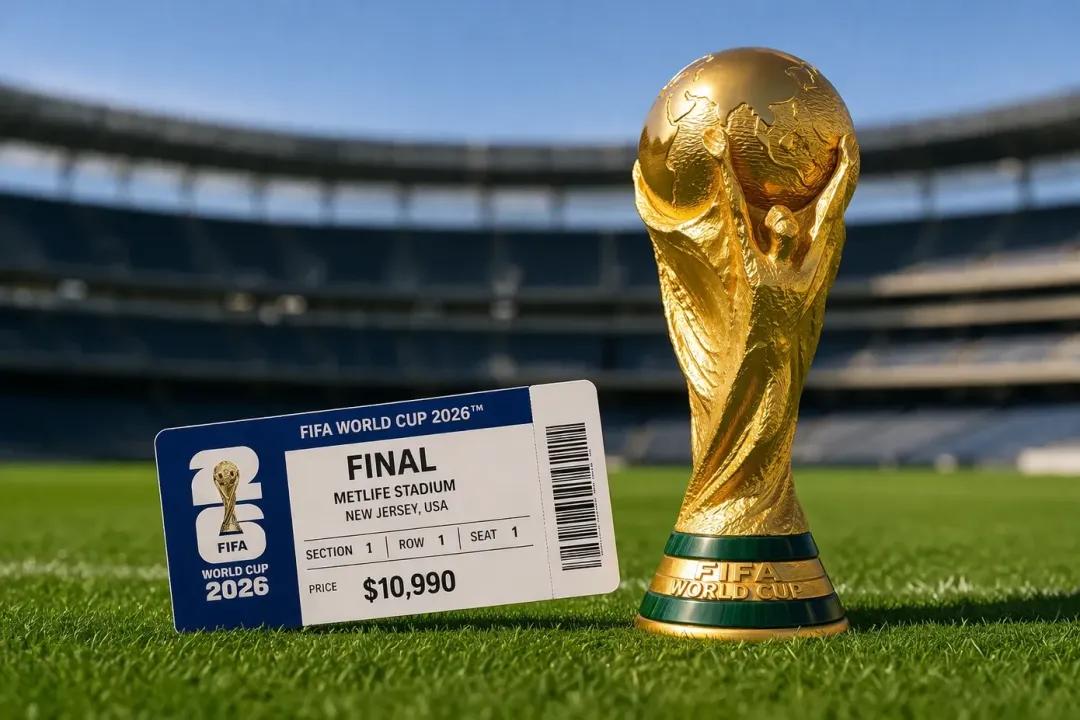
Last Wednesday, FIFA launched the fourth and final phase of World Cup ticket sales. The most media attention naturally focused on the final ticket prices, which directly broke into five-digit figures. The premium first-tier ticket price for seats in the lower second-tier section of MetLife Stadium reached $10,990, a 72.5% surge compared to the initial sale price in October last year ($6,370). The starting prices for second-tier tickets ($7,380) and third-tier tickets ($5,785) saw even more staggering increases, far exceeding the $4,210 and $2,790 from October last year, with third-tier ticket prices even doubling. When the USA, Canada, and Mexico submitted their joint bid in 2017, the promised maximum final ticket price was only $1,550, now exceeding seven times that amount.
In previous World Cup finals, the highest ticket price never exceeded $2,000. The most expensive ticket for the final of the Qatar World Cup four years ago was only $1,607, and for the 2018 Russia World Cup it was $1,100. For the 1994 USA World Cup 32 years ago, the highest final ticket price was just $1,500. Adjusted for inflation, that equals $3,308 in 2026, less than one-third of the actual selling price. Ticket prices for that USA World Cup ranged from $25 to $475, while for the 2022 Qatar World Cup they were $70 to $1,600.
In comparison, the lowest ticket price for the 2028 European Championship will be below £30 (approx. $35), accounting for 15% of all tickets, with another 25% priced at £60 (approx. $70) or lower. This means that the cost for fans to buy two tickets for the 2028 European Championship could be even lower than the parking fee for the 2026 World Cup. Data from Just Park.com shows that for the World Cup match between Netherlands and Japan on June 14 in Arlington, Texas, parking spot prices reached $125.
FIFA has implemented a North American dynamic pricing model for the USA-Canada-Mexico World Cup, ending the previous traditional fixed-price model. Additionally, FIFA has launched an official secondary ticket platform, forcing many fans to purchase resale tickets at prices far above the listed rates. FIFA charges a 30% commission on each ticket sold through this platform, with 15% levied on both buyer and seller. There is no cap on resale ticket prices, leading to skyrocketing secondary market prices, with listings reaching up to 10 times the original price.
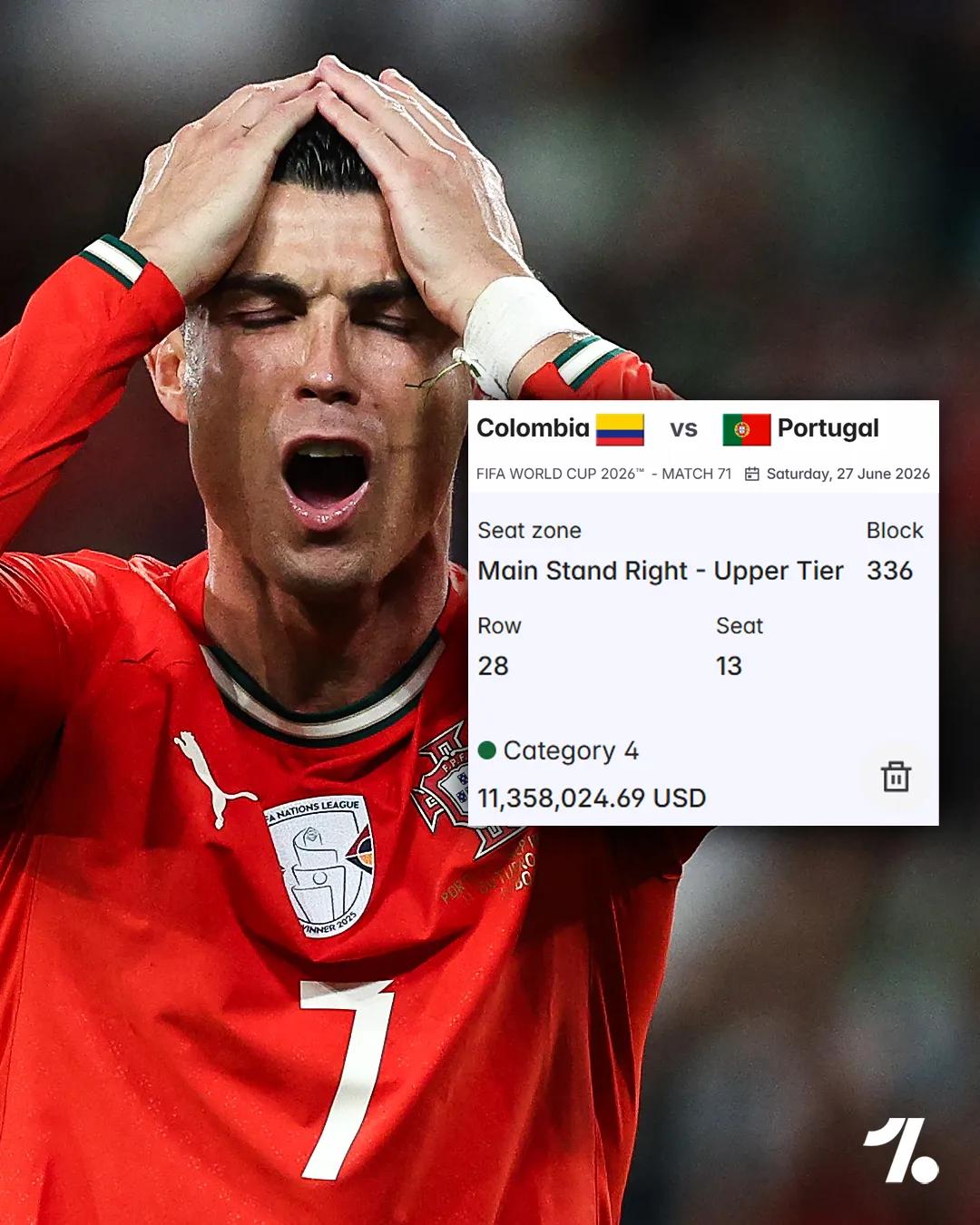
For the group match between England and Ghana, the face value of a first-tier ticket is $600, but on the secondary platform the lowest price is $1,208, with the highest listing reaching $29,900—50 times the face value. The most outrageous is a fourth-tier ticket for Scotland vs. Brazil, with a face value of $60, listed on the secondary platform at $11.362 million. A fourth-tier ticket for Colombia vs. Portugal was also listed up to $11.358 million. Although these are clearly unrealistic and unlikely to sell, they sufficiently demonstrate the chaos on this secondary platform. FIFA could have imposed price caps on resale tickets, but greed has led to completely失控 ticket prices.
Moreover, The Athletic has reported that fans discovered FIFA secretly altering ticket categories. Fans who had purchased tickets found their seats downgraded—first-tier tickets became second-tier tickets. Many seats that should belong to the first-tier area, particularly those on the edges, were actually reserved for VIP packages. FIFA also did not provide free tickets for assistants of disabled fans using wheelchairs; assistants must purchase tickets at full price and may not be seated next to the disabled fans they are assisting. Although complaints about excessively high World Cup ticket prices have been submitted to the EU, the constraints or potential penalties on FIFA are very limited.
Greedy FIFA has driven ticket prices high, and the host local governments are even more greedy. A New Jersey state legislator has proposed a bill to impose a temporary surcharge during the World Cup on hotels, transportation, retail, and sports betting around MetLife Stadium, which hosts the most matches. This would increase the sales tax rate by 3%, bringing the total rate to 9.25%. The Massachusetts transportation authority has also temporarily quadrupled the train fare for往返 between Boston and Gillette Stadium from $20 to $80. Even for regular NFL, MLS games, and concerts at that stadium, the往返 train fare is only $20.
In summary, the 2026 World Cup is becoming a畸形 event where FIFA and the host nations "harvest" fans to make huge profits. European and American media even believe: FIFA's如此肆无忌惮的 greed may ultimately deter fans due to outrageous prices, leading to poor attendance as a backlash.


Wonderfulshortvideo
Ganglion cyst removed


Ganglion cyst removed
User SportScoop has posted a video.
User SportScoop has posted a video.
Replying to @Computer says no.
Replying to @Computer says no.
User SportScoop has posted a video.
 Links
Links
 Contact
 App
App


