



OFFICIAL: Tottenham legend with 143 goals appointed as manager



Former Tottenham striker Jermain Defoe has officially begun his professional coaching career by taking the head coach position at Woking, a club competing in the National League.
Recently, the official website of Woking, a club playing in the English Fifth Division, announced the appointment of Jermain Defoe as head coach. Notably, this appointment occurred on the same day that Tottenham, Defoe's former club, announced the departure of manager Igor Tudor and his coaching staff.
Previously, Defoe had been approached to return to Tottenham in an assistant role, amid Tudor's difficulties. The former England international also previously worked in coaching at the academy of the London club. However, instead of returning to Spurs, Defoe decided to take on the job of leading Woking's first team.
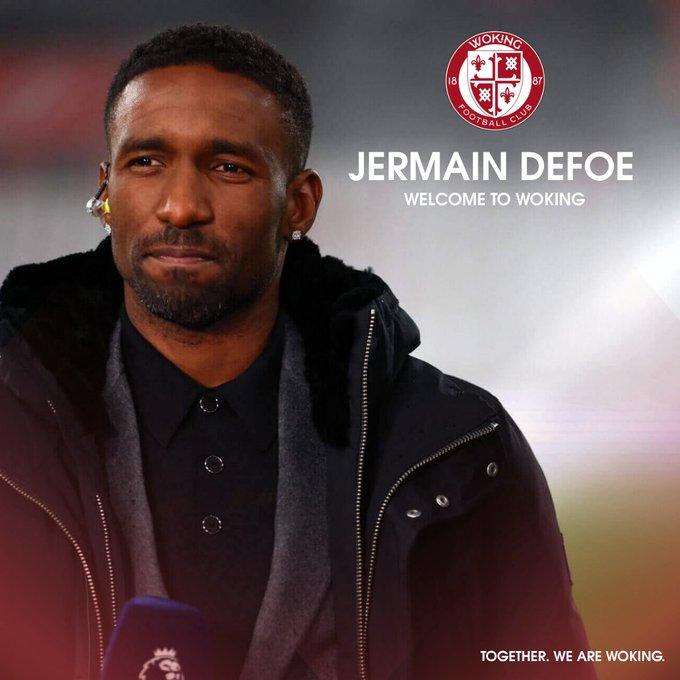
Defoe's previous first-team coaching experience is relatively limited, as the strategist born in 1982 only briefly served as interim coach within a four-person coaching team at Rangers, after Steven Gerrard left in 2021.
“Woking is a club with rich tradition and great potential. I am very excited to become part of this project and eager to start the work,” Defoe shared.
Currently, Woking is positioned in the middle of the English Fifth Division standings, about nine points away from the top seven group. This is seen both as a challenge and an opportunity for Defoe to demonstrate his managerial abilities in his coaching career.
Jermain Defoe is one of the most outstanding and consistent strikers in English football over the past two decades. He began his career at West Ham before establishing his reputation at Tottenham, considered his peak period. During his two spells with the London club, Defoe scored a total of 143 goals in 363 appearances, thereby becoming one of the greatest scorers in the club's history.
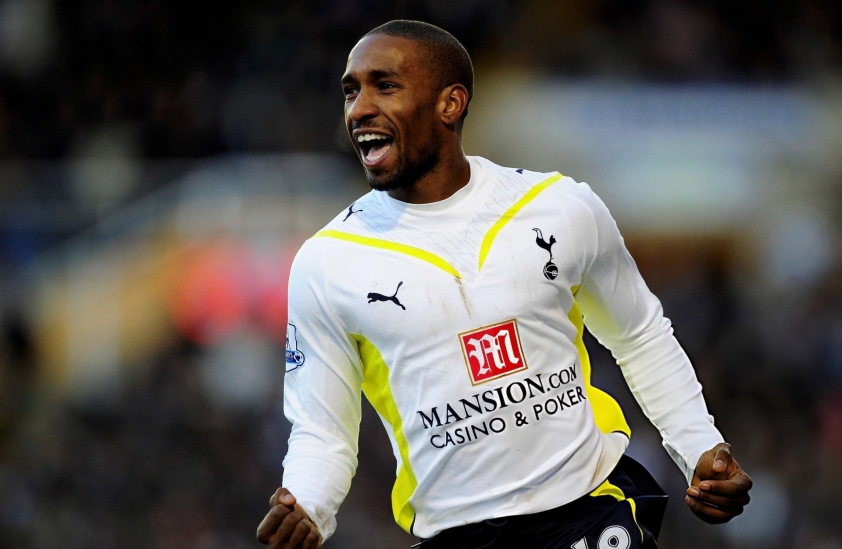
Besides Tottenham, Defoe also played for many clubs such as Portsmouth, Sunderland, and Rangers, and scored 20 goals in 57 appearances for the England national team. With his enduring contributions, he deserves to be regarded as an icon of modern English football.


Wonderfulshortvideo
Arsenal goal today arsenal 2-1 chelsea arteta interview arteta press conference


The movement is electric ⚡️
Mbappe injury mbappe surgery real madrid 0-1 getafe mbappe return date mbappe edit
de bruyne edit de bruyne passing kdb edit kdb passing highlights rodrygo kevin de bruyne neymar kevin de bruyne
tottenham relegation tottenham relegated
bruno assist today bruno goal today bruno highlights bruno interview bruno edit
Rodrygo ACL tear acl injury rodrygo injury real madrid 0-1 getafe
 Links
Links
 Contact
Address:UNIT 1804 SOUTH BANK TOWER, 55 UPPER GROUND,LONDON ENGLAND SE1 9E
Number:+85259695367
E-mali:[email protected]
 App
App


