



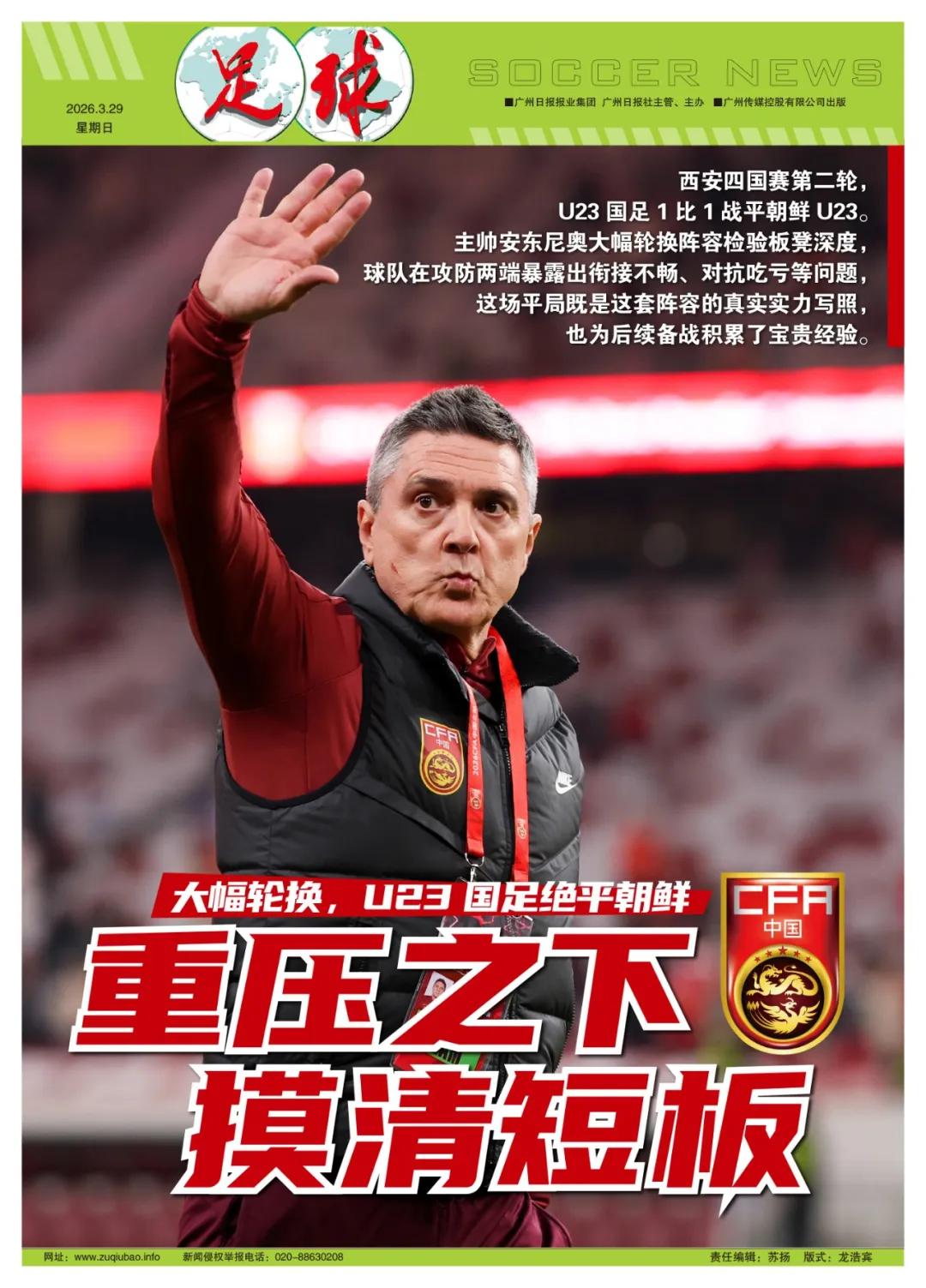
U23 National Team Draws with North Korea: Identifying Weaknesses Under Pressure



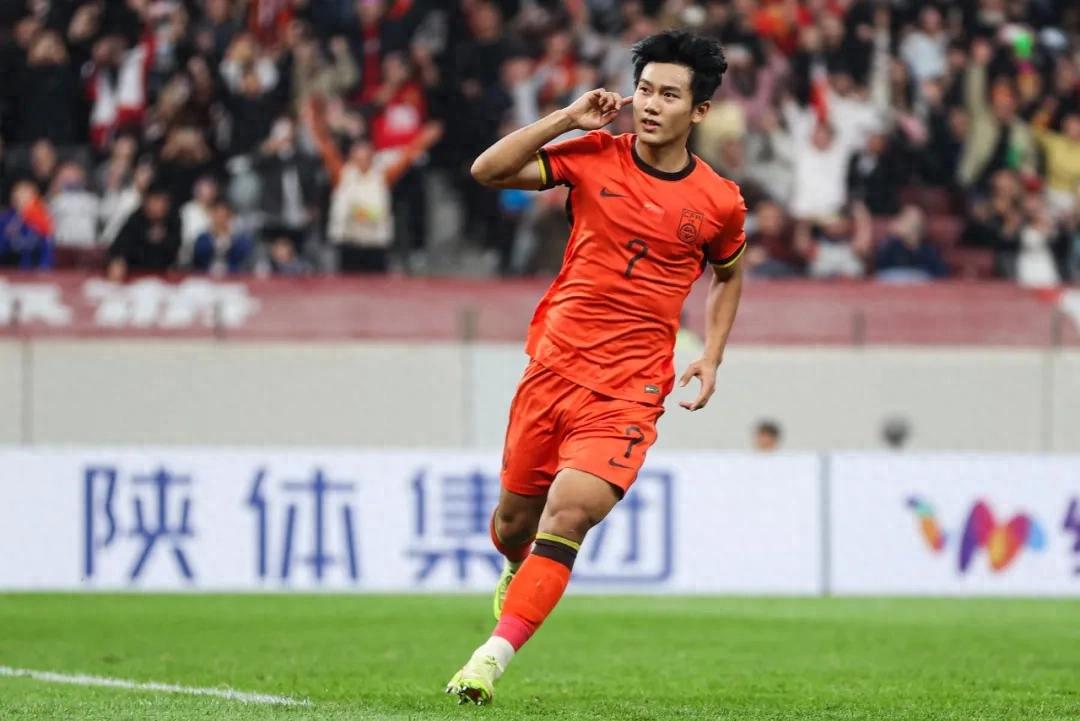
Report by Lu Mi in Xi'an On the evening of March 28, the Chinese U23 men's football team faced the North Korean U23 team at the Xi'an International Football Center for the second round of the Xi'an International Youth Football Championship. After 90 minutes of play, the Chinese team, trailing behind, equalized via a penalty kick, ultimately drawing 1-1 with their opponent. Compared to the first round against Thailand U23, head coach Antonio made extensive rotations to test the squad's depth. The team exposed issues such as poor coordination between offense and defense and struggles in physical contests. This draw reflects the true capability of this lineup and also provides valuable experience for future preparations.

In this match, Antonio's intention to test players was clear. The starting lineup saw six changes compared to the first round against Thailand, aiming to evaluate more players and enrich tactical combinations. The goalkeeper position switched from Yu Jin Yong to Yao Hao Yang; on the defensive line, Shi Song Chen replaced He Yi Ran, with Peng Xiao, Zhang Ai Hui, and Wang Shi Qin continuing; the midfield retained key players Chen Ze Shi and Bao Shi Meng, while the forward line used Li Xin Xiang and Liao Rong Xiang instead of Xiang Yu Wang and Wang Bo Hao from the first round. The team maintained its established formation, specifically countering North Korea's four-back attacking system. The captain's armband was worn by Mu Ta Li Fu, guiding newer players with veteran experience.
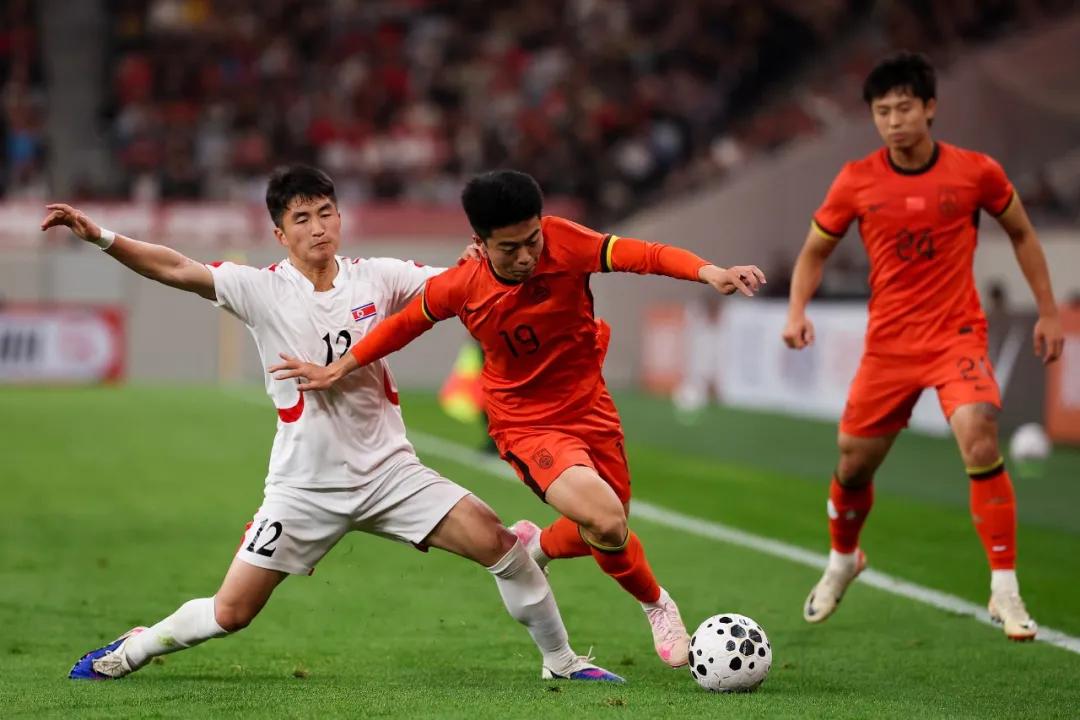
From the opening phase, the Chinese team felt a markedly different intensity compared to the first round against Thailand. The North Korean U23 players were physically robust, with smooth passing and tight transitions from defense to attack. The Chinese team's pressing was ineffective, with low interception efficiency, quickly falling into defensive passivity. Compared to the maneuvering against Thailand, the team's offensive rhythm was also slow, lacking默契 in passing and movement, with timing of coordination still being摸索, and offensive推进 lacking层次. The right flank defense became a key area targeted by the opponent. North Korean wing players were adept at both attacking and defending, combining speed and physical advantage, granting the opponent multiple free kicks and corners in the opening十几 minutes, putting the defensive line under immense pressure.
"The opponent's physical contest was very strong, and their physical condition was excellent, putting us under considerable pressure. Moreover, the team currently lacks absolute core players, and some players are not yet fully familiar with the team's tactical approach. However, as mentioned before, the team's system construction is continuously progressing and gradually完善ing," Antonio stated.
In the 22nd minute, North Korea quickly breached the Chinese defense with a long pass from the left flank, and their forward连续攻门 broke the deadlock. This conceded goal exposed weaknesses in defensive coordination and flank protection. Compared to the first round, the rotated defensive line was不够及时 in covering and positioning when facing high-intensity冲击. After falling behind, China attempted to加快进攻节奏, sustaining pressure in the opponent's half, but forward配合 lacked efficiency, with multiple attacks ending fruitlessly. In the 37th minute, Peng Xiao left due to injury, replaced by He Yi Ran, testing the defense with another personnel change.
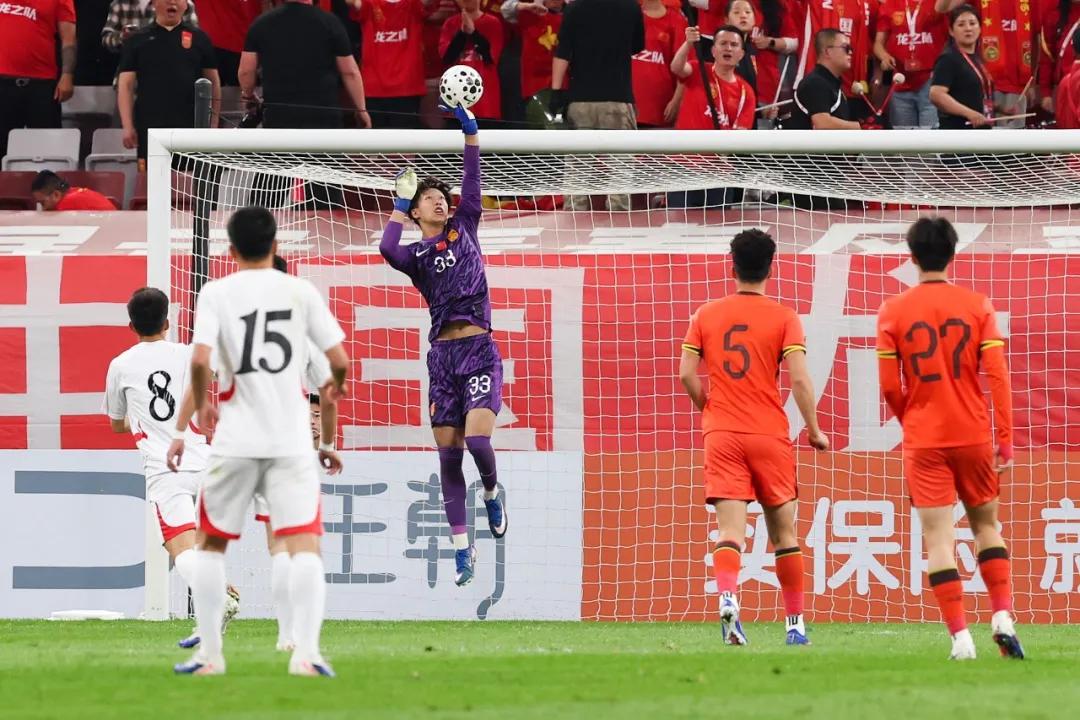

Antonio did not make immediate substitutions in the second half. The team remained under对手压制, contrasting sharply with the improved state seen in the second half against Thailand in the first round. Until the 55th minute, Antonio made a batch substitution, bringing in Xiang Yu Wang, Zhang Ying Kai, Yang Hao Yu, and Wei Zi Xian, replacing key players like Chen Ze Shi and Bao Shi Meng,反而进一步加大练兵力度. After the changes, China's offensive压迫性有所提升, but传跑节奏不统一,进攻效率未能明显改善,始终未能扭转被动局势. In the 73rd minute, Antonio continued adjustments, bringing in Yi Mu Lan and Du Yue Zheng,至此用完全部7个换人名额,全方位考察球员实战能力.
Throughout the match, North Korea held overall advantages in stamina, physical对抗, and tactical awareness. China frequently lost possession in midfield and defense, giving对手大量反击机会. North Korea launched 17 shots overall, but lacked机会把握能力,未能扩大比分, allowing China to侥幸守住防线. Regarding this, the North Korean head coach also expressed遗憾, stating his team created many进攻机会 but failed to capitalize, thus not securing the win.
In dire circumstances, the youth team displayed the same拼搏韧性 seen in the first round. Li Xin Xiang, receiving a pass from Mu Ta Li Fu, broke into the penalty area and created a penalty. Xiang Yu Wang calmly converted the spot-kick, helping China艰难扳平比分. This goal was both a result of the players'坚持不放弃 and a reward for the efforts during the练兵过程.
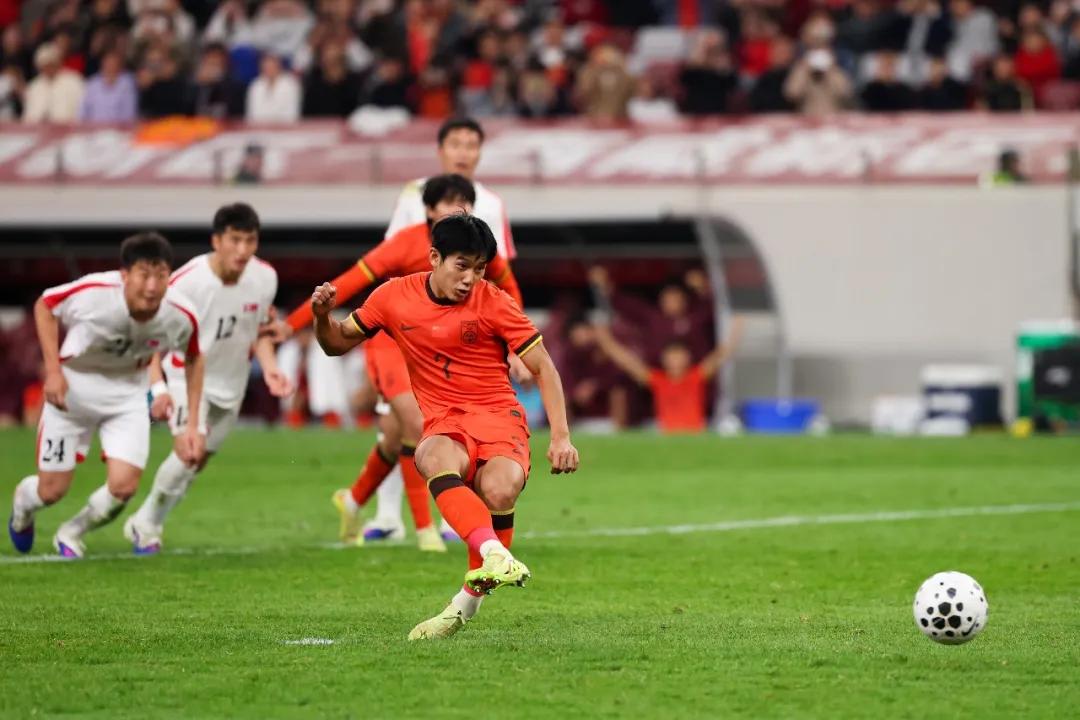
Looking at the entire match, this performance contrasted sharply with the first round against Thailand. In the first round, team配合 was relatively流畅, with more balanced攻防两端. Facing North Korea, which possessed superior physical and tactical素养, China exposed issues like对抗不足,传接粗糙, and节奏滞后. The大幅轮换阵容 achieved the练兵目标, giving more players实战机会, but also led to a decline in整体默契度, causing断层 in攻防衔接.
"Even though some matches are viewed as invitation or friendly games, for us, every match is an international competition and must be taken seriously." This draw was not without意义. Antonio completed阵容考察 through大规模轮换, identifying the team's短板 under高强度对抗. The players equalized in逆境, also锤炼了心理素质与比赛韧性. Compared to the顺风顺水 of the second half in the first round, the应对与调整 under被动局面 in this match更贴近亚洲正式比赛的残酷竞争环境.


Wonderfulshortvideo
Arsenal goal today arsenal 2-1 chelsea arteta interview arteta press conference


The movement is electric ⚡️
Mbappe injury mbappe surgery real madrid 0-1 getafe mbappe return date mbappe edit
ronaldo almeria ronaldo buying new club ronaldo owner ronaldo manchester united owner
de bruyne edit de bruyne passing kdb edit kdb passing highlights rodrygo kevin de bruyne neymar kevin de bruyne
Never gives up 💪
tottenham relegation tottenham relegated
 Links
Links
 Contact
Address:UNIT 1804 SOUTH BANK TOWER, 55 UPPER GROUND,LONDON ENGLAND SE1 9E
Number:+85259695367
E-mali:[email protected]
 App
App


