



A Major Transformation in China's Youth Training! This is a brand-new football youth training system.



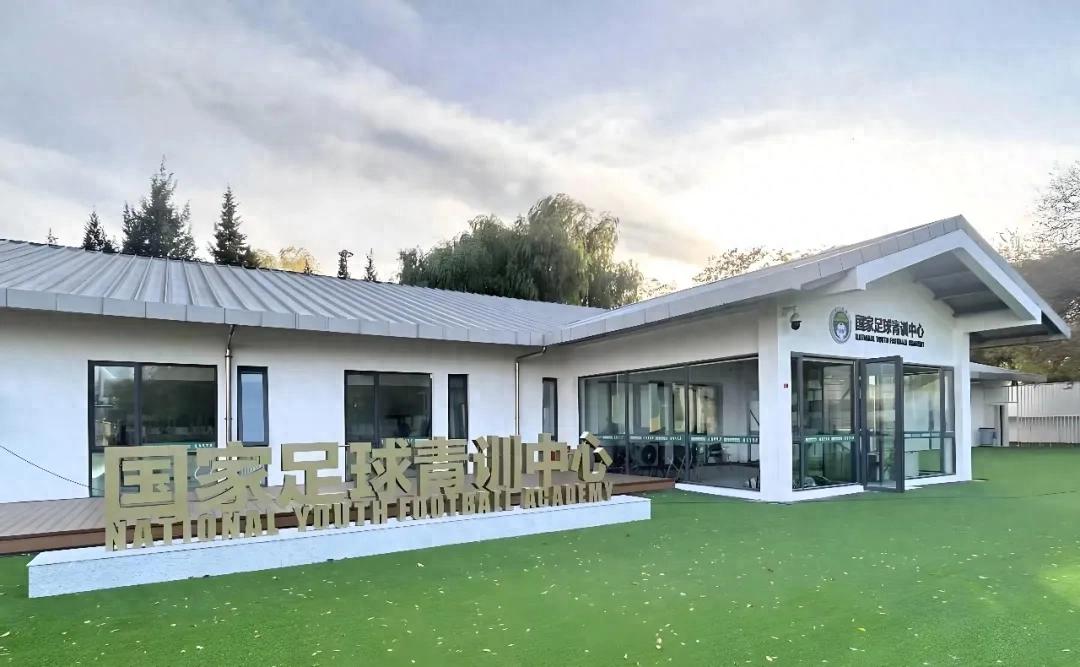
Chief reporter Chen Yong reports. On March 5, 2026, at the Fourth Session of the 14th National People's Congress, Premier Li Qiang, while outlining the government's tasks for 2026 in the Government Work Report, proposed accelerating the reshaping of the football youth training system. According to the reporter's understanding, the core of reshaping the football youth training system is leveraging the advantages of the new nationwide system to promote the construction of a five-tier youth training center network.
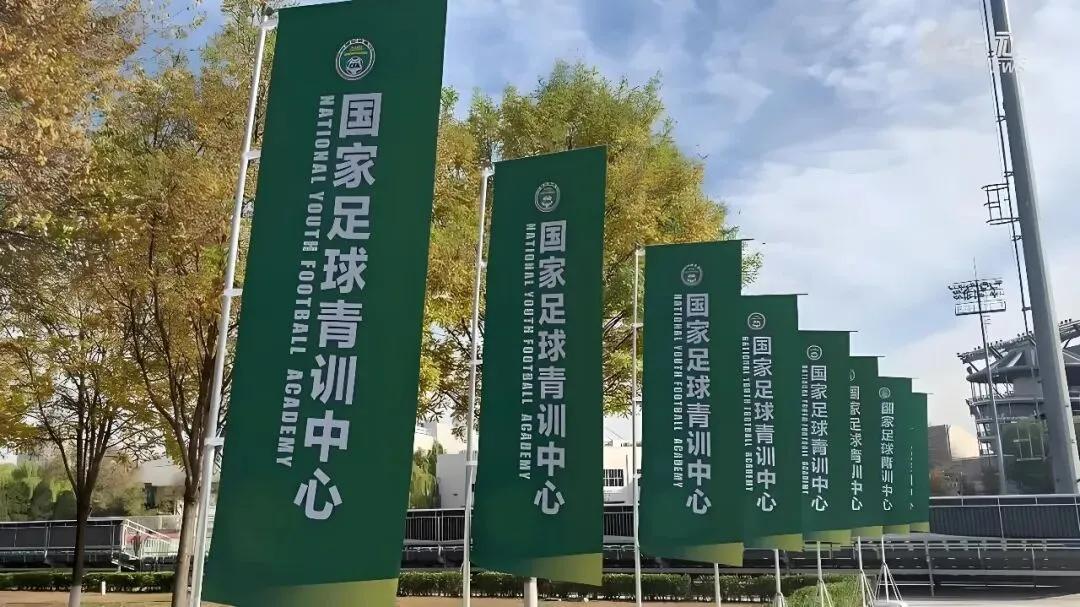
With the National Youth Training Center commencing operations on November 15, 2025, and networking with five regional youth training centers in Suzhou, Shenzhen, Chengdu, Dalian, and Xi'an, the current focus of the five-tier youth training center construction has shifted to the provincial, municipal, and county-level centers.
What is the five-tier youth training center system? Why is it being built? How will the development path of these centers unfold? These are questions of concern to all football professionals and enthusiasts.

On January 8, 2026, the U15 national youth team for the 2001 age group was formally established and began its first selection and training camp. On March 15, they commenced their second training camp. Prior to the formation of the U15 national youth team, the Chinese Football Association had been comprehensively tracking players of this age group for two years, relying on the regional youth training center camp system.
It might be said that for the primary school age group up to 12 years old, formal competitions are mainly local events and invitation tournaments. Starting from age 13, players participate in national competitions, namely the local preliminaries, regional tournaments, and national finals of the China Youth Football Tournament. Thus, for the 13 and 14 age groups, training camps at various levels serve as the preparatory system for building the corresponding national youth teams.
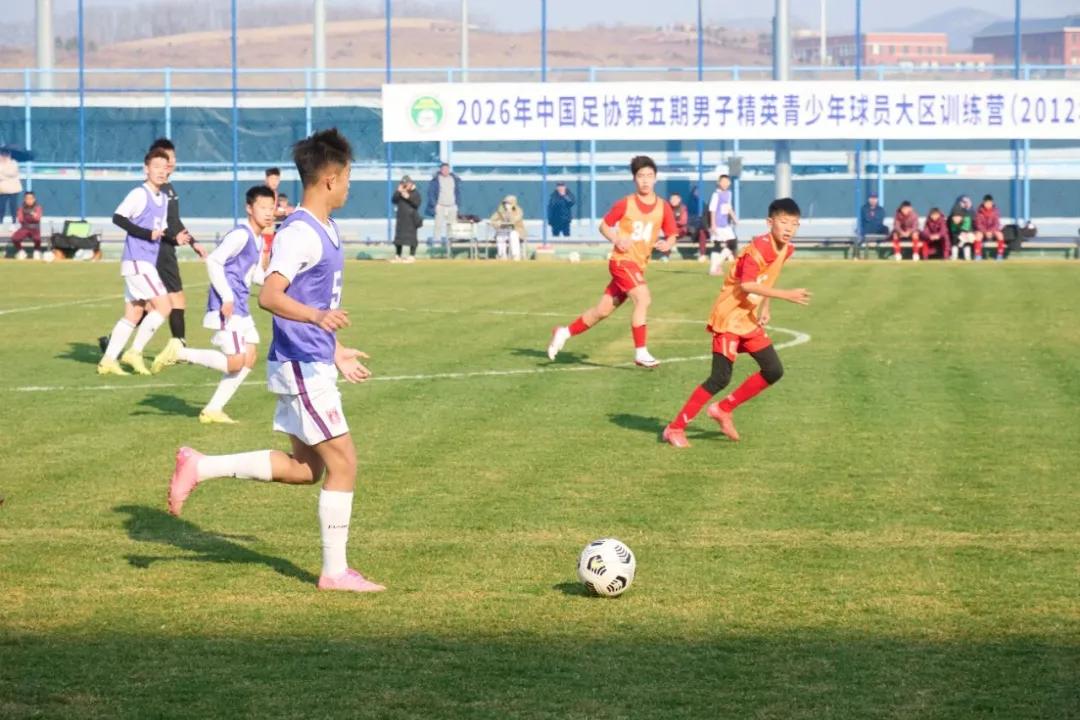
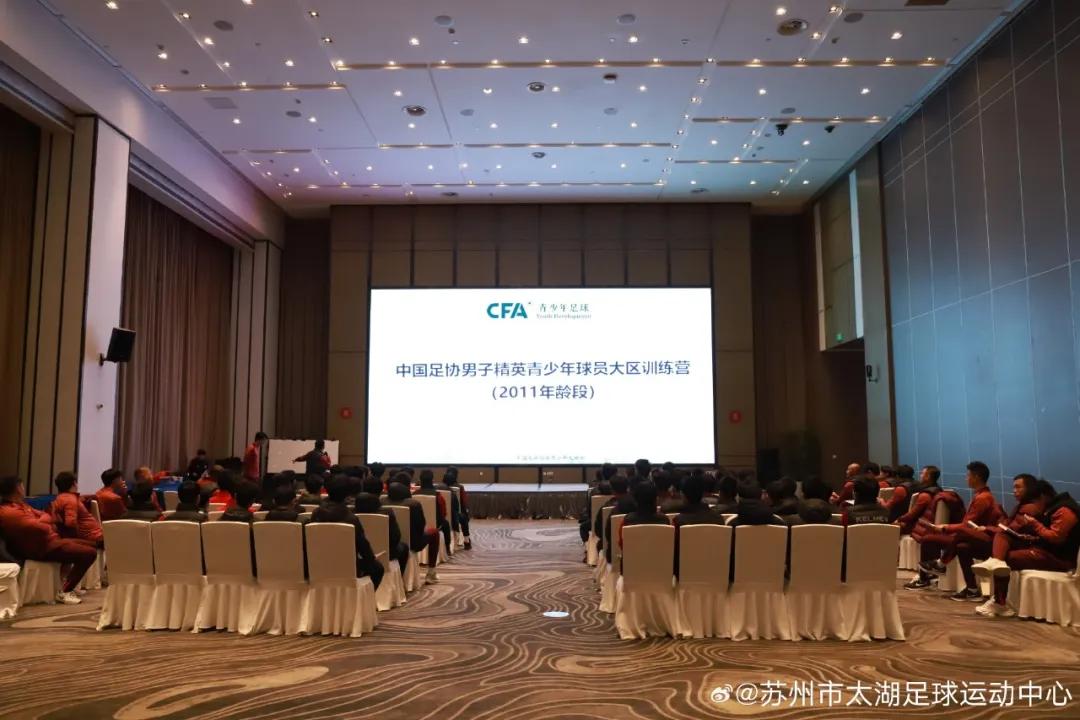
Training camps are categorized based on their selection scope and functions as follows: (1) Regional training camps and regional intensive training camps, managed by regional youth training centers, selecting talent from within their region; (2) North and South zone training camps, formed on the basis of regional camps; (3) Training camps for younger age groups born in the latter half of the year, e.g., camps specifically for 2011-born players with birthdays from July 1 onwards, to provide fairer competition opportunities; (4) National elite training camps, formed based on the above camps, e.g., the 2025 camp participants were the prototype of the national youth team.
The various levels of training camps operate in a rolling, tiered manner. For instance, the 2025 camps targeted the 2011 and 2012 age groups, the 2026 camps target the 2012 and 2013 age groups, while the 2011 age group transitions to the national youth team (or national youth selection team) structure. Each level of training camp maintains a clear talent database to support subsequent selections, and international exchange is an important criterion. In the two years before a national youth team is formed, each age group organizes 7 to 8 training camps per year, totaling 15 to 16 over two years.
The U17 Asian Cup is held annually. The Chinese Football Association forms a national youth selection team at the U15 age level, meaning three national youth team structures are maintained before the year's U17 Asian Cup. After the U17 Asian Cup concludes, the national youth team (U18/19) begins formation to prepare for the biennial U20 Asian Cup. For example, the 2007 age group national youth team was formed in August 2025 as the U18 national youth team. After the U20 Asian Cup, the U23 national team forms. For Olympic age groups, it targets the quadrennial U23 Asian Cup (Olympic qualifiers), i.e., the Olympic team; for non-Olympic age groups, it participates in the Asian Games, i.e., the Asian Games team. The current U23 national team is still the 2003 age group, tasked with this year's Asian Games, while the 2005 age group Olympic team has not yet been formed.
Of course, there is considerable overlap in personnel across the various national teams. For example, during the March international match window, the senior national team called up 9 U23 players, including 4 U21 players. The U23 national team called up 16 U21 players. Combined, the senior and U23 national teams called up 20 U21 players, who are future Olympic team players.
One of the crucial tasks of the National Youth Training Center and regional youth training centers is the construction of the various national teams. Another is daily operational guidance and data coordination for the lower-level youth training centers.
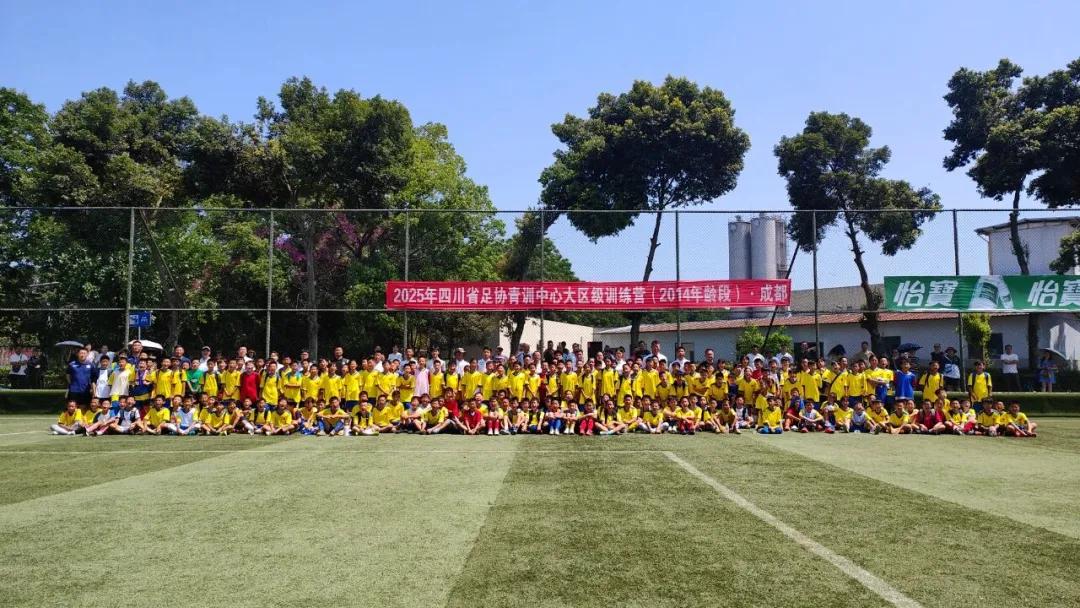

Although the work of the National Youth Training Center and regional youth training centers still requires further refinement, the system framework is largely complete. The focus for the coming period will be on constructing the provincial, municipal, and county-level youth training centers.
The ongoing construction of the Jinan Yellow River Grand Stadium is a professional football stadium. Its ancillary projects encompass the Shandong Provincial Youth Training Center, Jinan Municipal Youth Training Center, Shandong Women's Football Base, Shandong Taishan Football Club Base, and Luneng Football School Base. Beyond the全面推进 of the main stadium, the core of the配套设施 is the construction of the Shandong Provincial Youth Training Center, which is of paramount importance.
From September 8 to 10, 2025, State Councilor Shen Yiqin conducted inspections in Jinan, Weifang, Qingdao, etc., visiting sports schools, football-focused schools, football clubs, and local football associations to investigate youth training conditions, and held discussions with local government and youth training机构 representatives. She emphasized leveraging the advantages of the new nationwide system, combining proactive government with effective market forces, scientifically planning, and因地制宜推进各级足球青训中心建设. By establishing a batch of youth training centers through government efforts, they should lead,示范, and drive the healthy and coordinated development of various football youth training机构.
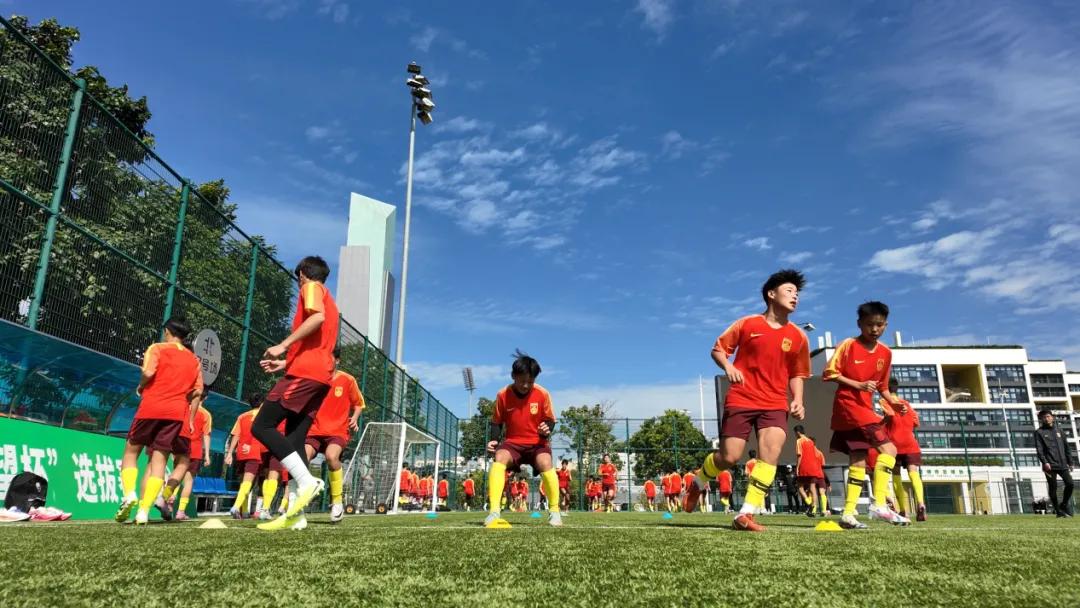
The current focus is on the construction standards and functions of the provincial, municipal, and county-level youth training centers. The National Youth Training Center serves national teams and coordinates nationwide youth training work, including the construction of各级青训中心. Regional youth training centers serve training camps and younger age group national teams, while guiding the construction of下一级青训中心. The functions of these two major centers emphasize service and support, rather than being registered youth training机构.
Theoretically, the construction standards and functions of provincial, municipal, and county-level youth training centers are similar to the National Youth Training Center: coordinating youth training work within their jurisdiction, guiding the construction of youth training centers in their area, and supporting the development of provincial, municipal, and county/district teams. However, these three levels of centers更需要承上启下,推荐优秀球员 to higher-level centers. In other words, they essentially perform部分足球工作 of local sports bureaus or部分青训工作 of football associations.
The焦点在于 whether youth training centers should function as registered youth training机构. Normally, this is not the primary focus. The government's youth training机构 functions一方面面向体校, with sports schools providing registered youth training services, and secondly involve共建 with schools, professional clubs, and社会青训机构. Youth training centers actually provide保障和服务 to all youth training机构 within their jurisdiction. In areas where school football,社会青训, and professional youth training are well-developed, the youth training center should not承担注册青训机构功能, but rather provide these机构 with a better system, better集训, and better保障. However, in cities and counties with limited conditions, the youth training center can directly function as a youth training机构.
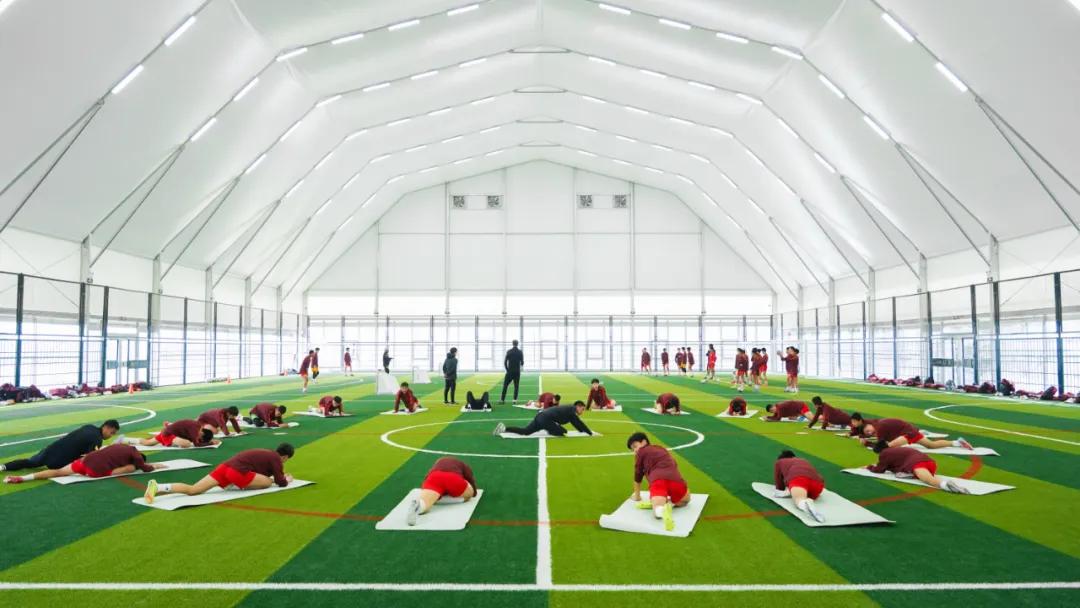
The current难点在于 the provincial, municipal, and county-level youth training centers constitute a massive project. Achieving完善至少需要三到五年时间. A参考案例 is the China Youth Football Tournament. Its national finals have always operated well, but the quality of local preliminaries has consistently been problematic. After four years of operation, the focus for the 2026 tournament, besides尽可能提升高质量比赛的场次, remains on the local preliminaries.
From a practical standpoint, the construction of provincial, municipal, and county-level youth training centers有必要分为三大板块: For about 10 provinces/municipalities with strong economic development, balanced regional growth, and solid youth training foundations, implement最高标准的建设,同时确保所有地市或者至少8个地市的青训中心达到高标准建设, with real-time跟踪 by the General Administration of Sport of China, the Chinese Football Association, and the National Youth Training Center. For about 10 provinces/municipalities with good economic development (but uneven regional development) and较好的青训发展, implement高标准建设,同时确保5个以上地市的青训中心达到高标准建设, with定期跟踪. For other provinces/municipalities with limited conditions, carry out youth training center construction因地制宜.
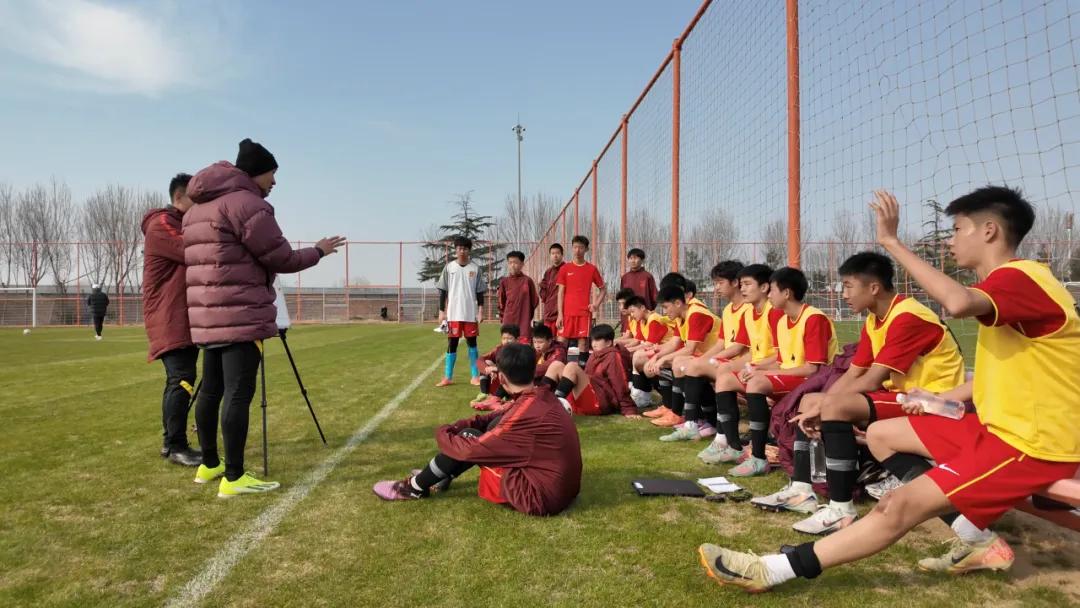

The construction of the five-tier youth training center system represents, on the global stage of youth football development, an entirely new体系.
Worldwide, the mainstream direction of youth training systems is based on school football, with the youth training systems of professional and amateur clubs as the core,构建7到10级的俱乐部赛事体系, and corresponding青训体系. Chinese football originally intended to follow the club youth training path. Unfortunately, the instability of professional clubs prevented this youth training system from scaling up and forming a pyramid structure; instead, it faced challenges and even破坏. For example, the恒大足校, built over more than ten years, now lacks a顶级载体 from a professional club. The富力足校, once one of the four prominent football schools, has实质解散. The华夏幸福青训 and天津权健青训, which once aggressively recruited coaches and players, have vanished.
Thus, leveraging the advantages of the nationwide system has become a new出路 for Chinese football youth training. In fact, China's robust economic development and vast territory can accommodate more systems. Just as football competitions in绝大多数国家 are club-based, China, alongside club competitions,完全可以打造一套完善的行政区划赛事体系, namely city leagues.
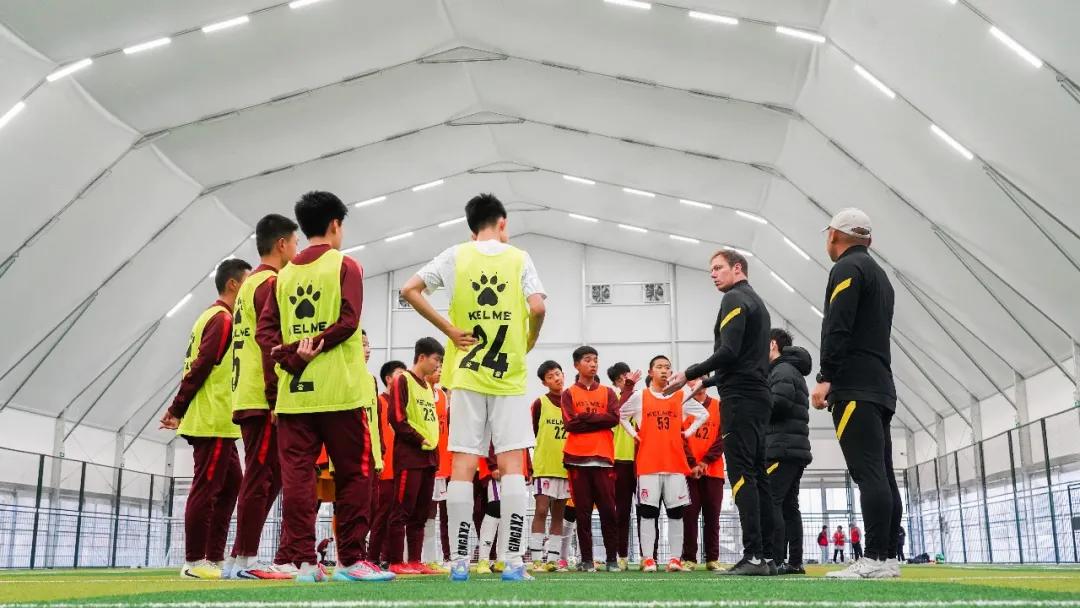
This全新体系 of five-tier youth training centers does not violate the规律 of football运动. Its construction重在青训工作统筹,重在以更出色的软硬件提供更好的保障, and does not entail the government大包大揽 all training work.实际上, the根基 of the five-tier youth training体系 remains school football,社会青训机构, professional club youth training, and部分政府主导的青训机构 like sports schools,只是在这一基础上进行更精英的培养.
Currently, school football is developing rapidly, naturally showcasing its青训功能;社会青训机构发展更是堪称迅猛, with成绩不断突破, together with school football构筑了坚实的青训基石; professional club youth training focuses on elite training for older age groups based on the above and provides就业出路 for youth football; sports bureaus and football associations also have their own青训机构 like sports schools and their own梯队;此外, the rise of city leagues或许会打开青训的另一扇窗.
All of this requires comprehensive统筹—this is precisely the立意 of the five-tier youth training centers.


Wonderfulshortvideo
Kvaratskhelia and Ronaldo 🫶


🇪🇸 Spain 🆚 Argentina 🇦🇷
Arsenal goal today arsenal 2-1 chelsea arteta interview arteta press conference
When Diogo Costa saved EVERY penalty he faced in the shoot-out 🤯🤯🤯
The movement is electric ⚡️
Mbappe injury mbappe surgery real madrid 0-1 getafe mbappe return date mbappe edit
ronaldo almeria ronaldo buying new club ronaldo owner ronaldo manchester united owner
 Links
Links
 Contact
Address:UNIT 1804 SOUTH BANK TOWER, 55 UPPER GROUND,LONDON ENGLAND SE1 9E
Number:+85259695367
E-mali:[email protected]
 App
App


