



Issue: The entire Serie A has to... "argue" with Fabregas



Since guiding Como to Serie A in 2024, manager Cesc Fabregas has consistently found himself in the spotlight of verbal disputes, ranging from fellow coaches to officials and the press. The recent episode with Gian Piero Gasperini is merely another element in the prolonged series of conflicts.
After the Como-Roma 2-1 match, Gasperini expressed dissatisfaction with Fabregas's team's management of tempo and on-field situations, implying that Como had been "too clever" in exploiting stoppages. He left the pitch without shaking hands with his counterpart. Fabregas immediately reacted, calling it a disrespectful act. A minor detail, yet enough to ignite debate, because for Fabregas, every clash seems easily escalated into a matter of principle.
Since last season, Fabregas had a spat with Alessandro Nesta regarding how Italian teams defend with man-marking. Later, he continued to clash with Igor Tudor, then coaching Juventus. Tudor hinted that Como was granted significant power in the transfer market and possessed considerable resources relative to its status as a small club. Fabregas countered right in the press conference, correcting the manner of address and asserting that not everyone understood Como's operational structure. In the encounter with Napoli, Fabregas exchanged words with Antonio Conte. When Conte claimed Como players were time-wasting and feigning injuries, the Spanish coach instantly retorted that injury situations could happen to any team. Not a major explosion, but enough to highlight the image of a Fabregas always ready to respond.
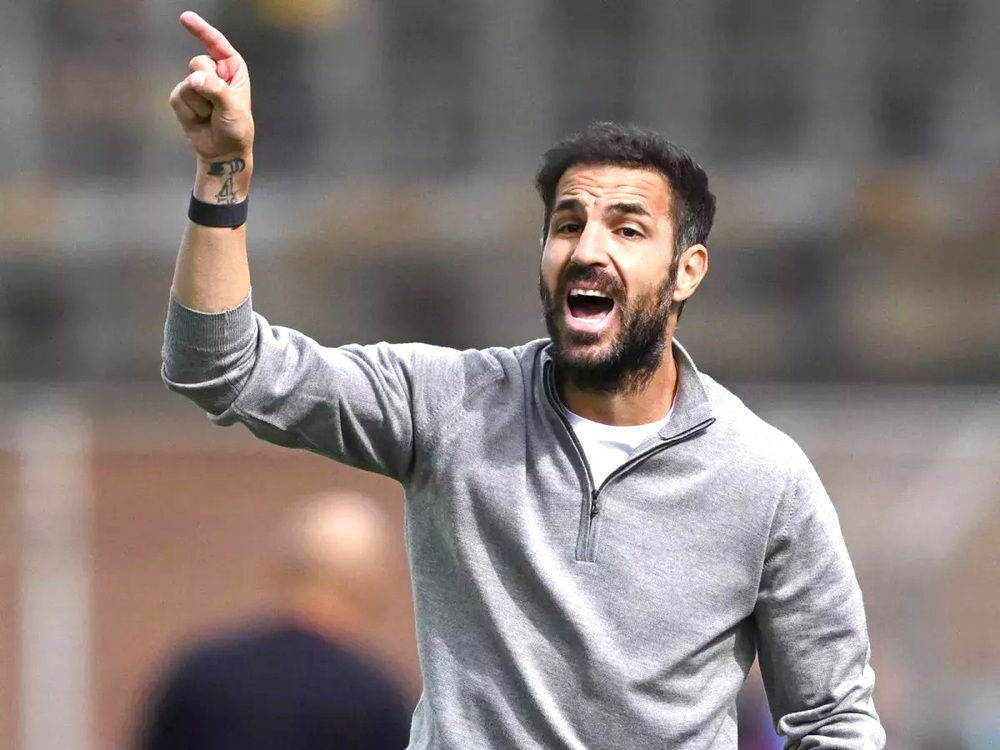
Fabregas is ready to argue with anyone in Serie A
The list extends further with clashes involving Bologna's coaching staff, sarcastic remarks about "result-oriented" football in Italy, and especially a multi-episode verbal battle with Max Allegri. In the first leg, Allegri left without waiting for a handshake, and Fabregas publicly reminded the media of that. In the return leg, tensions escalated with a scuffle, followed by harsh words and a suspension for Allegri. From a tactical disagreement, the story turned into a personal confrontation.
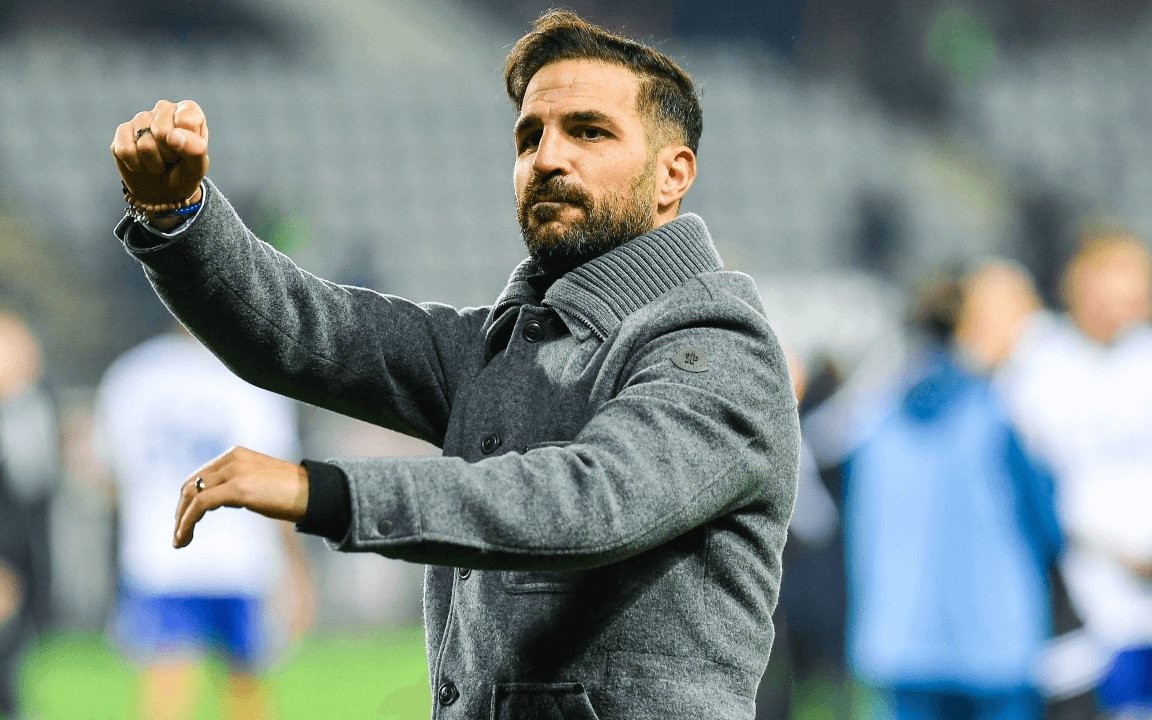
Not only with colleagues, Fabregas also stirred public opinion by implying that Cagliari intentionally kept the grass long and didn't water it to hinder Como's technical style. He stated that Cagliari wanted to turn the match into a physical and counter-attacking battle, but Como had prepared an alternative plan. That statement was seen by supporters as proof of sharp tactical thinking, while critics viewed it as a sign of suspicion and blame-shifting.
From another perspective, Fabregas represents the new-generation coach model: Having conquered peaks with Arsenal, Barcelona, and the Spanish national team, influenced by multiple football cultures, pursuing proactive and controlling play. He calls himself "a Como man," speaks with passion, and avoids neither social media nor the press. Yet, that strong personality also constantly drags Cesc into endless verbal wars.
Perhaps, for Fabregas, football is not just tactics but also a battle of intellect and psychology. He provokes, gets provoked, and never chooses silence. In a league rich in tradition and ego like Serie A, Fabregas's presence acts like a potent catalyst: Stirring, controversial, and forcing everyone to react. And thus, whether loved or hated, almost the entire Serie A has at least once had to... debate with Fabregas.


Wonderfulshortvideo
Kvaratskhelia and Ronaldo 🫶


🇪🇸 Spain 🆚 Argentina 🇦🇷
Arsenal goal today arsenal 2-1 chelsea arteta interview arteta press conference
When Diogo Costa saved EVERY penalty he faced in the shoot-out 🤯🤯🤯
The movement is electric ⚡️
Mbappe injury mbappe surgery real madrid 0-1 getafe mbappe return date mbappe edit
ronaldo almeria ronaldo buying new club ronaldo owner ronaldo manchester united owner
 Links
Links
 Contact
Address:UNIT 1804 SOUTH BANK TOWER, 55 UPPER GROUND,LONDON ENGLAND SE1 9E
Number:+85259695367
E-mali:[email protected]
 App
App


