



The Premier League's penalty for Chelsea is too lenient.



Christian Purslow argues that the penalty imposed on Chelsea is excessively lenient, casting serious doubt on the Premier League's sense of justice.
Former executive Chelsea, Christian Purslow, has openly criticized the penalty that the London club received from the Premier League, stating that this decision is "too lenient" and lacks consistency compared to previous precedents.
Previously, Chelsea was fined £10.75 million and given a one-year transfer ban that was suspended, after admitting to past financial violations. These breaches involved over £47 million in undisclosed payments, which occurred during the period when the club was owned by billionaire Roman Abramovich.
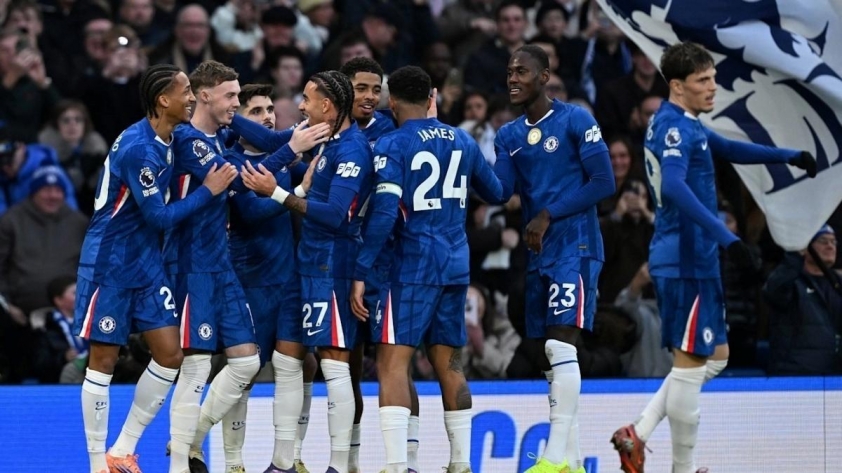
According to the investigation findings, from 2011 to 2018, numerous third-party payments related to the club were made to players, unregistered agents, and other intermediaries without proper disclosure.
Nevertheless, Chelsea did not face a points deduction penalty that has previously plunged many Premier League clubs into crisis. This has left Christian Purslow dissatisfied. Speaking on a podcast, he commented: "The extent of leniency in this case is overly generous and does not align with previous precedents."
Purslow emphasized that the nature of the violations directly relates to transfer activities, making the imposition of a ban entirely reasonable. However, suspending the entire penalty renders the decision lacking in deterrent effect. “This is a series of violations in transfer operations. But the complete suspension of the ban is clearly too lenient,” he added.

Not only that, this former executive also believes the ruling for Chelsea could make other clubs feel unjust. Teams like Everton FC or Nottingham Forest have faced heavier penalties, despite having actively cooperated with the authorities during the investigation.
In conclusion, Purslow asserts this is one of the most serious breaches in the Premier League in recent years. He argues that without sufficiently strong and consistent penalties, England's top league could risk losing its fairness—a core element that underpins its value and reputation.


Wonderfulshortvideo
Kvaratskhelia and Ronaldo 🫶


🇪🇸 Spain 🆚 Argentina 🇦🇷
Arsenal goal today arsenal 2-1 chelsea arteta interview arteta press conference
When Diogo Costa saved EVERY penalty he faced in the shoot-out 🤯🤯🤯
The movement is electric ⚡️
Mbappe injury mbappe surgery real madrid 0-1 getafe mbappe return date mbappe edit
ronaldo almeria ronaldo buying new club ronaldo owner ronaldo manchester united owner
 Links
Links
 Contact
Address:UNIT 1804 SOUTH BANK TOWER, 55 UPPER GROUND,LONDON ENGLAND SE1 9E
Number:+85259695367
E-mali:[email protected]
 App
App


