



Keeping Casemiro could be a 'deadly trap' for MU



Casemiro's future at Manchester United has become a hot topic as the Brazilian midfielder signaled his departure after the season ended. However, things are gradually changing in an unexpected way.
Under the guidance of Michael Carrick, Casemiro demonstrated near-peak form with 7 goals and extremely solid midfield control. Not only playing a ball-recovery role, the former Real Madrid star also became a tactical anchor helping Man United maintain a top 3 position. This has fueled increasingly strong calls from fans to keep him.
In the locker room, support for Casemiro is also significant. Captain Bruno Fernandes and some teammates like Cunha have publicly expressed their wish for the 1992-born midfielder to stay with the team for at least another season. English media even revealed that Man United is considering opening negotiations for a short-term contract extension.
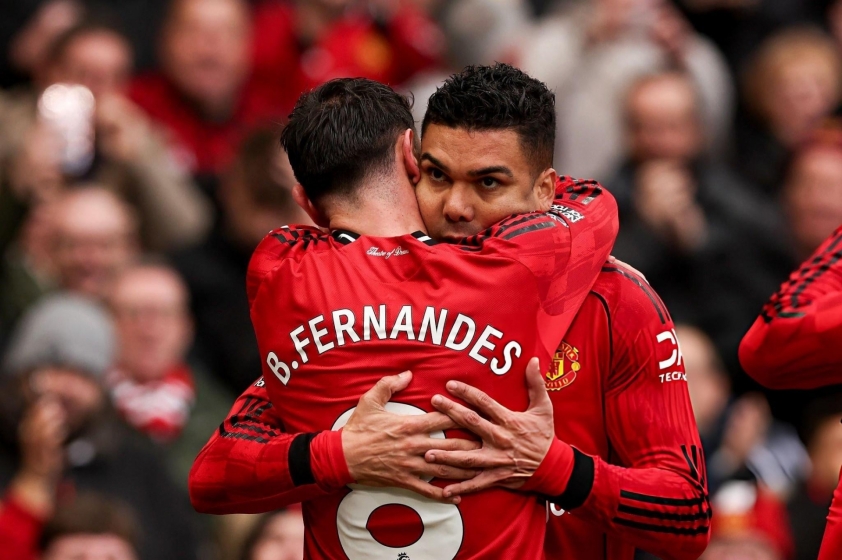
However, behind this seemingly ideal scenario lie numerous hidden risks that could trap the Red Devils in a strategic "pitfall".
The first issue lies in the salary budget. Casemiro is currently one of the highest-paid players in the team. In the context where Man United needs to streamline finances for rebuilding, continuing with an aging player could limit the ability to recruit young targets like Carlos Baleba, Elliot Anderson, or Adam Wharton. These are all highly promising names, fitting the long-term direction.
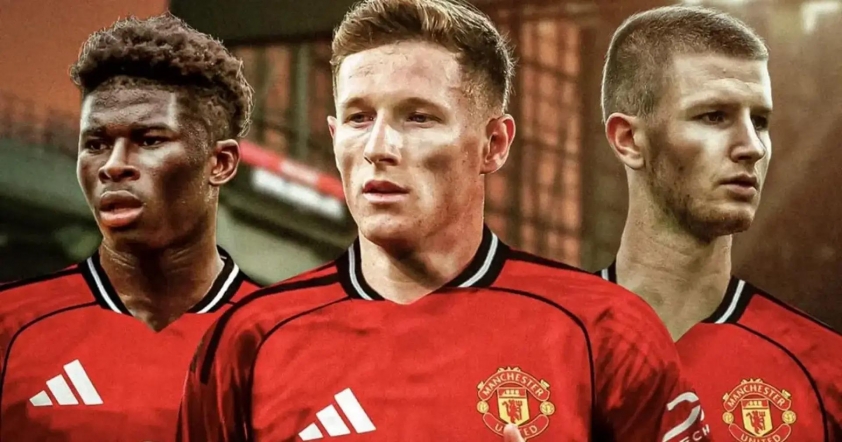
Additionally, the personnel equation becomes complicated. When Casemiro performs at a high level, benching him is nearly impossible. This means new signings or young players will have limited playing opportunities, affecting their development and the succession plan.
Moreover, dependence on a player past his career peak always carries significant risk. At over 30 years old, Casemiro's performance could suddenly decline. If this scenario occurs, Man United would not only face tactical imbalance but also bear a large salary burden for a player no longer meeting expectations.
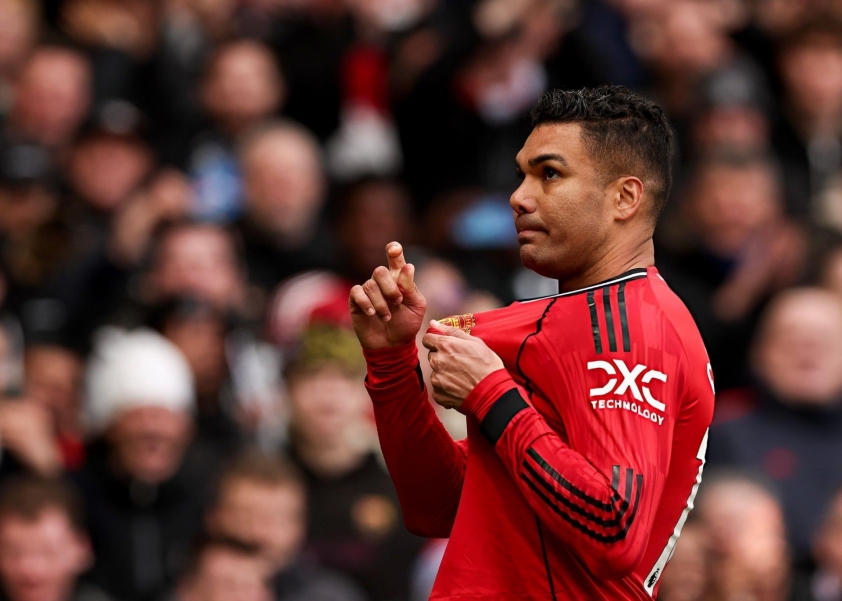
Clearly, keeping Casemiro is a decision heavily influenced by emotion, especially since he is playing exceptionally well and contributing greatly to current results. However, top-level football always demands long-term vision and necessary coldness.
Manchester United's leadership must carefully weigh immediate benefits against future strategy. Sometimes, saying goodbye at the right moment is not a loss, but a necessary step toward a new cycle of success.


Wonderfulshortvideo
Kvaratskhelia and Ronaldo 🫶


🇪🇸 Spain 🆚 Argentina 🇦🇷
Arsenal goal today arsenal 2-1 chelsea arteta interview arteta press conference
When Diogo Costa saved EVERY penalty he faced in the shoot-out 🤯🤯🤯
The movement is electric ⚡️
Mbappe injury mbappe surgery real madrid 0-1 getafe mbappe return date mbappe edit
ronaldo almeria ronaldo buying new club ronaldo owner ronaldo manchester united owner
 Links
Links
 Contact
Address:UNIT 1804 SOUTH BANK TOWER, 55 UPPER GROUND,LONDON ENGLAND SE1 9E
Number:+85259695367
E-mali:[email protected]
 App
App


