



Fans grow impatient as AFC delays sanctions against Malaysia's national team.



While rulings from FIFA and the Court of Arbitration for Sport (CAS) have confirmed violations by Malaysian football in the player naturalization case, Southeast Asian supporters continue to anxiously await an official move from the Asian Football Confederation (AFC).
This puzzling delay not only makes Vietnamese fans restless ahead of the match withMalaysiaat the end of March, but also fuels doubts about the transparency of Asian football's governing body.
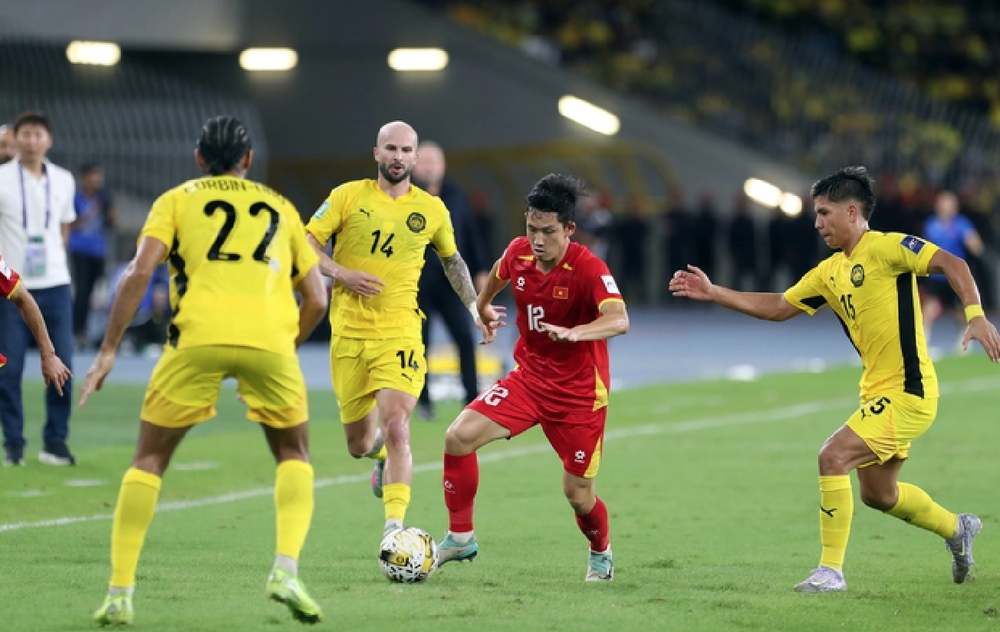
Vietnam's national team remains impatiently waiting for AFC to issue an official penalty against Malaysia. Photo: VFF
Recently, the atmosphere in Southeast Asian football has become hotter than ever. Not due to a top-tier match or a high-profile transfer, but because of the puzzling delay byAFCin handling the scandal of Malaysia's football illegal player naturalization.
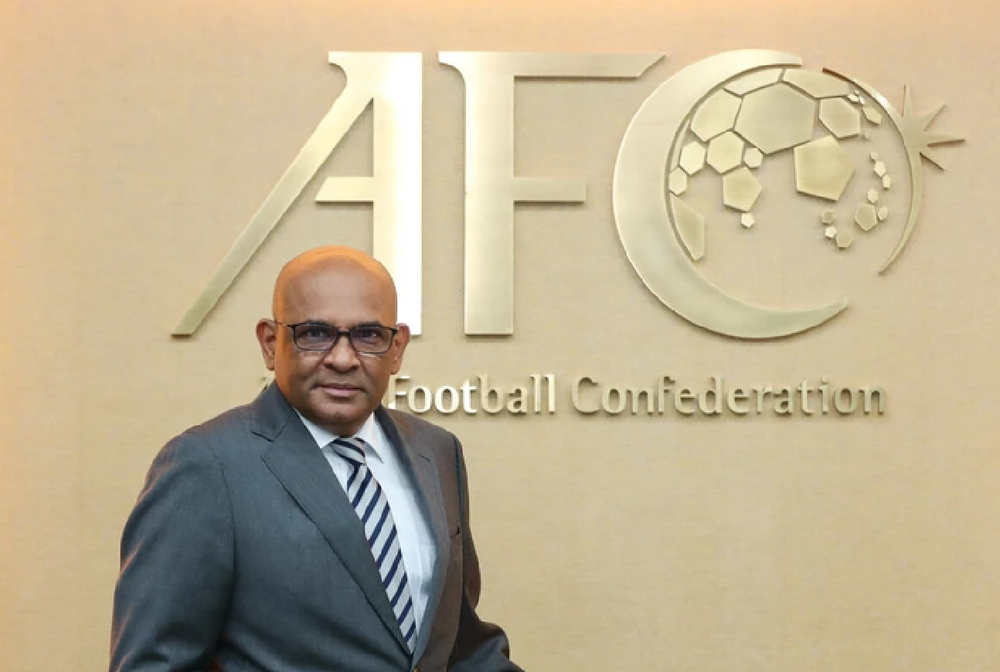
Mr. Datuk Windsor has been the focus of attention for many Vietnamese fans for months. Photo: AFC
What makes public opinion hard to accept is that the violation has almost been legally concluded. FIFA rejected the appeal from the Football Association of Malaysia (FAM) and issued related penalties. Subsequently, the world sport's highest judicial body, the Court of Arbitration for Sport (CAS), also upheld the ruling.
Malaysian football has been confirmed to have violated regulations in naturalizing several players improperly. However, what stirs public outrage is that AFC has yet to issue a penalty decision regarding Malaysia's national team matches in the Asian Cup qualifiers.
That silence has persisted month after month and becomes even more puzzling as the 2027 Asian Cup qualifiers draw near. The match between Vietnam and Malaysia at the end of March is thus overshadowed by unresolved controversies.
Not only Vietnamese fans are upset; international media has also begun to speak out. Several Indonesian newspapers like Superball and Bola have openly criticized AFC for its procrastinating attitude in handling the case. Even the Indonesian MSN page suggested that this delay might be creating "a new scandal" in Asian football management.
AFC did not handle Malaysia's case as swiftly as they did with Timor Leste in 2017. At that time, Timor Leste's national team was found to have illegally naturalized nine Brazilian players. AFC immediately intervened and issued penalties quickly, including forfeiting matches and disqualifying the team from the Asian Cup qualifiers.
But in Malaysia's case, everything unfolded completely differently. Despite clear rulings from FIFA and CAS, AFC continues to postpone the final decision. This discrepancy raises suspicions that are hard to ignore.
AFC's headquarters are located in Kuala Lumpur, and the organization's Secretary General, Mr. Datuk Windsor John, is also Malaysian. For many fans in the region, this creates a sense of "playing the game while refereeing it."
Of course, those suspicions might just be emotions from fans. But in sports, transparency is always as crucial as professional rulings. In principle, investigating to uncover the full root cause of the incident is necessary. However, that process does not conflict with issuing penalties based on existing rulings.
FIFA acted swiftly by forfeiting Malaysia's friendly matches within the FIFA Days system. So why can't AFC take similar action?
If a national federation can prolong the handling of violations through appeal procedures and behind-the-scenes lobbying, the fairness of tournaments will be questioned. Even Malaysian media recently pressured FAM, but no satisfactory answer has been given.
In reality, identifying the "mastermind" of the recent incident, as reported by media, does not affect what Malaysian football has already violated.
In this context, pressure now not only mounts on FAM but also converges on AFC. Asian football's governing body faces a credibility-defining choice: either act decisively to uphold regulations, or remain silent and confront an ever-growing wave of skepticism.


Wonderfulshortvideo
Kvaratskhelia and Ronaldo 🫶


🇪🇸 Spain 🆚 Argentina 🇦🇷
Arsenal goal today arsenal 2-1 chelsea arteta interview arteta press conference
When Diogo Costa saved EVERY penalty he faced in the shoot-out 🤯🤯🤯
The movement is electric ⚡️
Mbappe injury mbappe surgery real madrid 0-1 getafe mbappe return date mbappe edit
ronaldo almeria ronaldo buying new club ronaldo owner ronaldo manchester united owner
 Links
Links
 Contact
Address:UNIT 1804 SOUTH BANK TOWER, 55 UPPER GROUND,LONDON ENGLAND SE1 9E
Number:+85259695367
E-mali:[email protected]
 App
App


