



Liverpool manager acknowledges ironic reality after a season of 'blockbuster' signings.



Manager Arne Slot forced to accept new reality as Liverpool considers major strategic changes.
When the transfer window closed on Monday, September 1st, the prospect of Liverpool entering a transitional season seemed almost unimaginable. After completing a £125 million deal to sign Alexander Isak – a target they pursued throughout the summer from Newcastle – the reigning Premier League champions appeared ready for a new era of dominance.
The Reds started the season with three consecutive wins, including a 1-0 victory over Arsenal at Anfield. With Isak in the squad, Liverpool was expected to accelerate strongly after a transfer window many described as "historic".
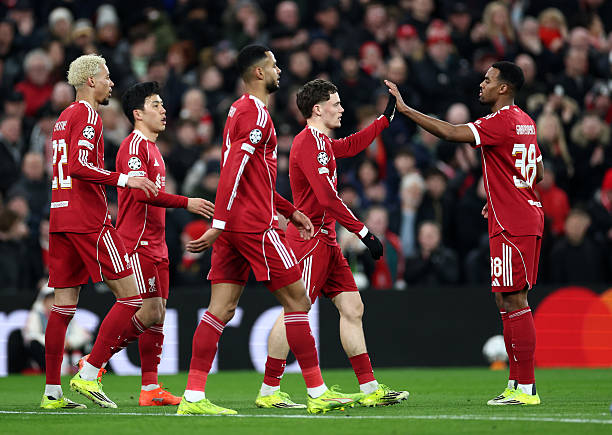
Liverpool is experiencing a deeply disappointing season.
Milos Kerkez was signed for £40 million as a future prospect for the left-back position. On the opposite flank, Jeremie Frimpong was recruited to add speed, versatility, and energetic attacking width. In goal, Giorgi Mamardashvili is poised to provide high-quality competition for Alisson Becker.
In the center-back position, Liverpool believes they have "snatched" one of Europe's finest defensive talents under 21, Giovanni Leoni. Meanwhile, the massive Isak deal continued the club's ambitious streak following two earlier headline signings: Florian Wirtz for £116 million and Hugo Ekitike for £79 million.
Liverpool's failure to sign Marc Guehi from Crystal Palace – with a £35 million agreement canceled last-minute – was seen as a minor detail, especially as many were still stunned by the scale of the Isak deal.
However, by late November, things had changed significantly. Liverpool endured its worst run of form in 71 years. Nine defeats in 12 matches led many to question whether Arne Slot was still the right person to lead the team forward.
Nearly four months later, it can be said that instability still lingers, though sometimes it is exaggerated as if existing only on social media.
Recently, Slot candidly spoke about Liverpool being "in a transitional phase" and the club needing Champions League revenue to complete the rebuilding process that began in the 2025 transfer window.
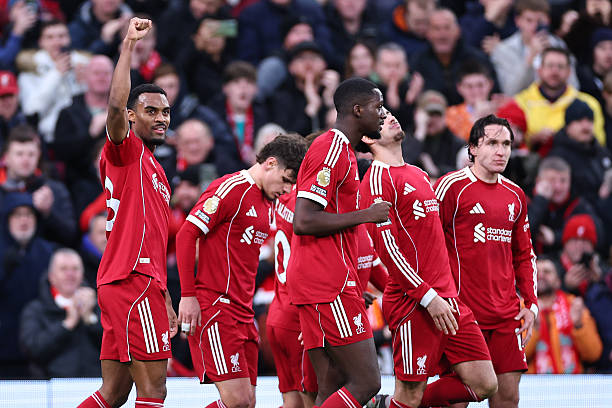
Liverpool invested heavily this season, but the results are far below expectations.
We know we are in a transitional phase, and the transition will proceed more smoothly with financial resources," Slot told TNT Sport last week regarding the importance of securing a Champions League spot.
It's unclear exactly when Liverpool shifted from being title contenders to a team in a rebuilding process, but the atmosphere within the corridors of power at Anfield has clearly changed.
Last summer, as English champions, Liverpool spent £440 million in a historic transfer window, demonstrating a determination to build a new dynasty. That was a strong statement of ambition, even though player sales helped recoup around half of that amount.
Nevertheless, the message was clear: Liverpool had no intention of resting on its laurels. This was further emphasized when the club broke the British transfer record twice – first with Wirtz in June and then with Isak in September.
The enormous scale of the transfer window – with eight players arriving and about ten from the first-team group departing – meant that some early-season struggles as the new squad settled were somewhat anticipated by Liverpool's senior leadership.
Results are noisy" – a term used by Michael Edwards, Football CEO of Fenway Sports Group, to explain that deeper observers of football can see trends and patterns in data beyond sensational headlines and scoreboards.
That approach once helped Liverpool's former head of data, Dr. Ian Graham, explain to Jurgen Klopp that the first half of his final season at Borussia Dortmund was not as bad as the results at that time suggested.
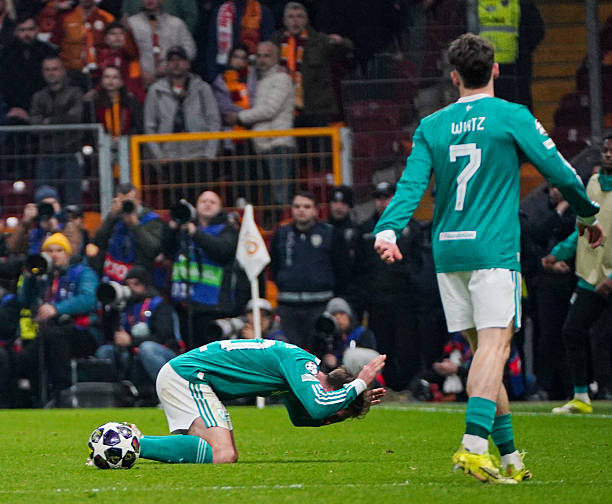
Liverpool suffered a 0-1 defeat to Galatasaray and faces the risk of early elimination from the Champions League.
In 2015, Graham used the "Expected Goals" (xG) model to reassure decision-makers in Boston that Dortmund's campaign – where Klopp finished the season seventh in the Bundesliga – did not accurately reflect the team's actual performance.
However, the question arises: is it reasonable to argue that Liverpool under Slot should be higher than their current position based on performance throughout the season? The 2025/26 xG table places Liverpool fourth, trailing leaders Arsenal by 11 points.
Slot frequently mentions factors he considers "anomalies". For example, in last week's match against Wolves at Molineux, the hosts scored the opening goal from their first shot after the match had entered its final 10 minutes.
After the 0-1 loss to Galatasaray on Tuesday, Slot said: "I don't think much more could go against us as happened in the last two matches (against Galatasaray)."
He meant that Liverpool had been unlucky with crucial decisions in two away matches at Rams Park this season: a penalty canceled in September and a goal disallowed in March.
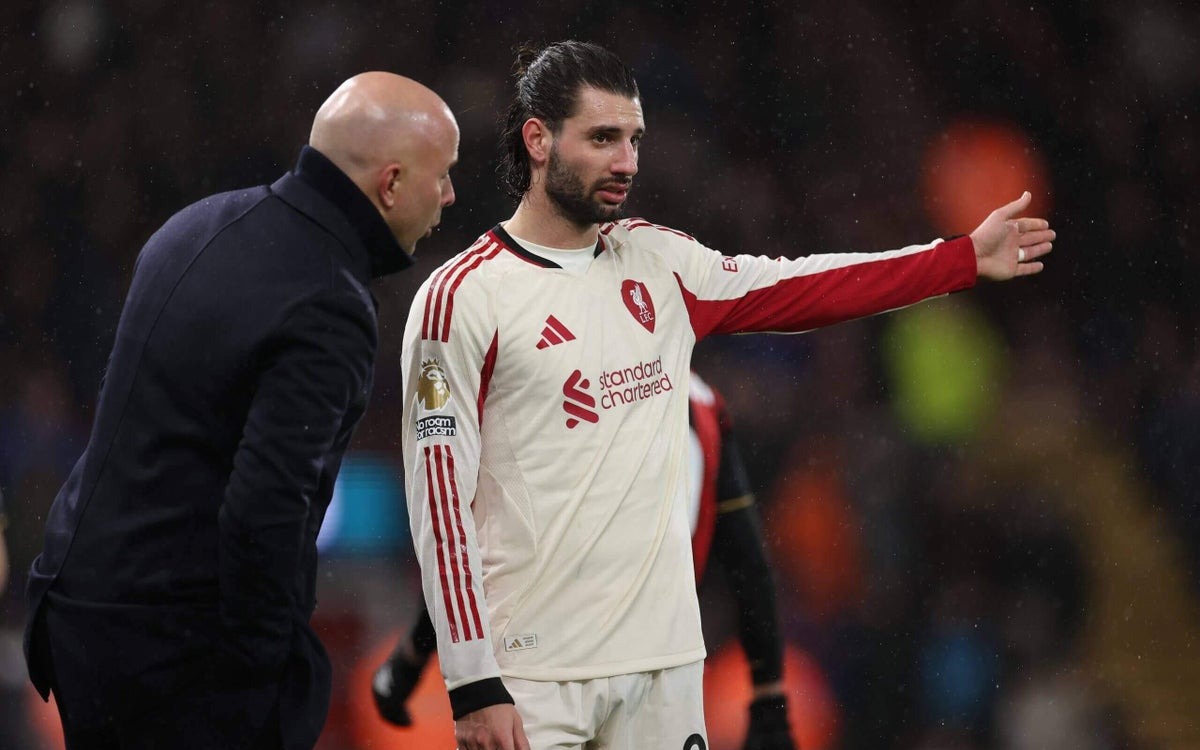
Such grievances appear to have affected the players' mindset. Midfielder Ryan Gravenberch admitted this week: "Sometimes even on the pitch, we feel luck isn't on our side."
However, when players start believing in their own "unlucky" narrative, achieving the necessary results undoubtedly becomes harder. Confidence may wane, but a "we are pitiful" mentality is rarely accepted by a demanding fanbase like Liverpool's.
What truly surprised Liverpool, however, is the shift in the style of top-level football in England. During the summer transfer window, the club primarily prioritized technically skilled and tactically intelligent players over physical strength. But that has left them vulnerable against opponents who are physically dominant and powerful.
This opens the possibility that Liverpool will adjust their recruitment strategy in the next phase of the "transition", as Slot calls it. The question is: will they start prioritizing more robust, physically stronger player profiles?
This is a difficult decision as the season enters its final stages. Typically, the international break in March is seen as an unofficial starting point for clubs to begin planning for the summer transfer window.
The uncertainty about which European competition they will participate in next season also complicates the planning process. Currently, Liverpool has much to ponder. Whether it was the initial plan or not, the reality is they are entering a genuine transitional phase.


Wonderfulshortvideo
Kvaratskhelia and Ronaldo 🫶


🇪🇸 Spain 🆚 Argentina 🇦🇷
Arsenal goal today arsenal 2-1 chelsea arteta interview arteta press conference
When Diogo Costa saved EVERY penalty he faced in the shoot-out 🤯🤯🤯
The movement is electric ⚡️
Mbappe injury mbappe surgery real madrid 0-1 getafe mbappe return date mbappe edit
ronaldo almeria ronaldo buying new club ronaldo owner ronaldo manchester united owner
 Links
Links
 Contact
Address:UNIT 1804 SOUTH BANK TOWER, 55 UPPER GROUND,LONDON ENGLAND SE1 9E
Number:+85259695367
E-mali:[email protected]
 App
App


