



With 100 days until the World Cup, everything remains uncertain...


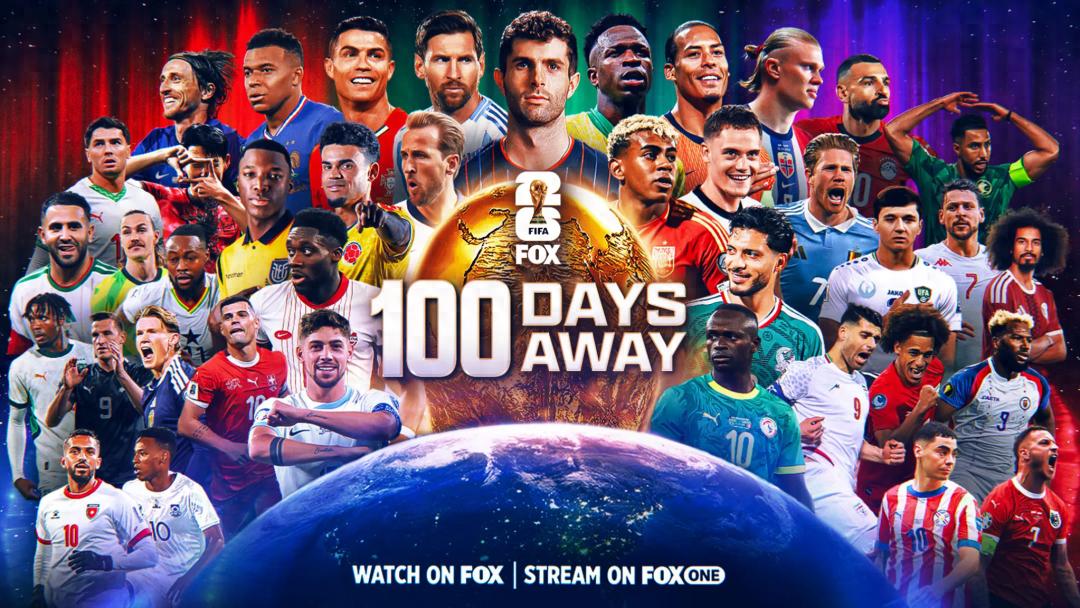
Written by Han Bing March 3rd is the 100-day countdown to the opening of the USA-Canada-Mexico World Cup. Being the largest edition in history with the most teams, it is also the first World Cup co-hosted by three countries. The 104 matches will span 4 time zones and be held in 16 stadiums. The USA is set to host 78 games, with Canada and Mexico hosting 13 each. So, are they prepared?
A decade ago, the joint USA-Canada-Mexico bid promoted unity, certainty, and opportunity. Today, however, the three host nations are divided by trade disputes, and certainty has turned into "uncertainty": ticket prices are unclear, host cities are not fully confirmed, security arrangements are in doubt, and even the participating teams are not yet settled. Soaring costs for tickets, parking, food, and lodging could severely impact attendance. Concerns over safety are growing amid an increasingly tense international climate. The uncertainty surrounding the competing teams casts an unprecedented shadow of scheduling chaos over the tournament.
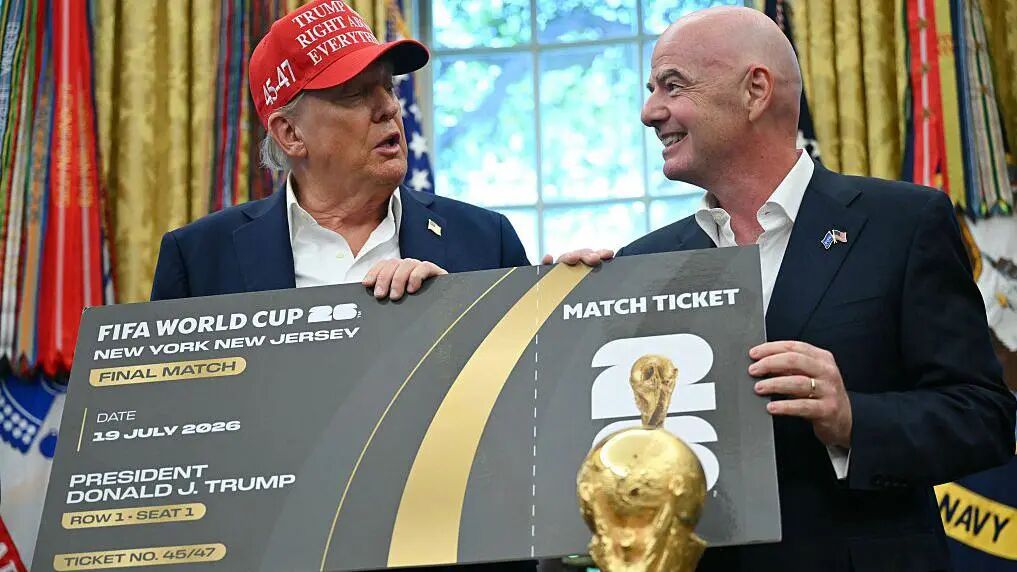
Fans are most concerned about the skyrocketing cost of attending: FIFA once promised a minimum ticket price of $21, but the actual lowest price is now $60, with key matches starting at $200. The final's cheapest ticket is $2,000, with the most expensive reaching $8,680. A supply-demand ratio as high as 1:400 has led to a rampant black market. On resale sites, top-tier tickets for the opening match, originally priced at $895, have soared sixfold to $5,324. Final tickets are listed at over $140,000—nearly 20 times the face value. Beyond exorbitant tickets, parking fees in some U.S. cities near stadiums can reach $300 during the tournament. Fans without tickets can opt for official "Fan Fest" zones in host cities to watch on big screens, but these offer expensive food and drinks, have limited capacity, and will only operate until June 28.
Security is another major concern for fans. In February, representatives from host cities warned U.S. Congress of "disastrous" security shortcomings. A U.S. government shutdown froze $900 million earmarked for World Cup security, severely delaying preparations. If $70 million for Fan Fest preparations isn't received by late March, host cities may cancel the events. A Boston official even stated that without timely security funding, Gillette Stadium—scheduled for 7 matches—might withdraw. Kansas City's deputy police chief, Mabin, highlighted critical staffing shortages, a problem common across all 11 U.S. host cities, leaving security needs unmet.
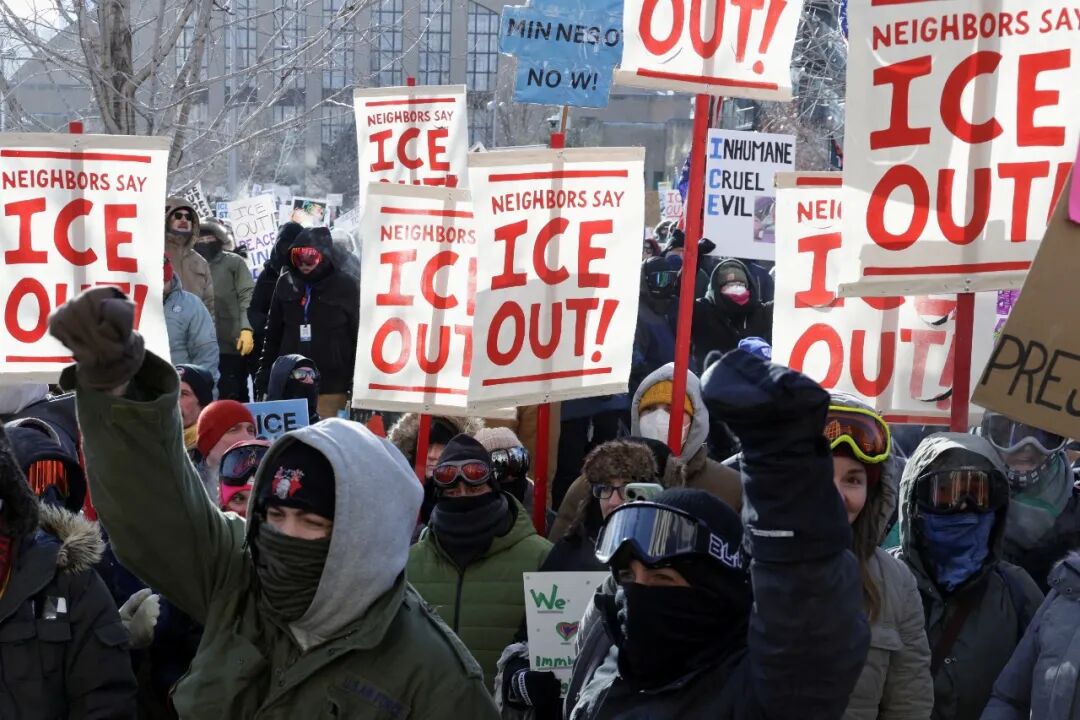
U.S. crackdowns on illegal immigration have heightened domestic tensions. In February, Mexico's operation to eliminate its top drug lord intensified doubts about both countries' security capabilities. World Aquatics' cancellation of a diving World Cup event in Mexico from March 5-8 reflects concerns over local safety. Despite repeated assurances from FIFA President Infantino, worries about security in Mexico persist. Additionally, U.S. threats to annex Greenland have strained relations with EU nations. With 10–13 World Cup teams coming from the EU, UEFA stated in January that if the Greenland situation escalates, a World Cup boycott is possible.
Compared to high costs and security issues, team participation uncertainties are relatively minor. The U.S. entry restrictions list includes four qualified nations: Iran, Haiti, Côte d'Ivoire, and Senegal. Citizens from Iran and Haiti are entirely banned. However, Iran's group stage matches are in Los Angeles, home to North America's largest Iranian diaspora, and Haiti has a large undocumented population in the U.S., making their matches high-security risks. If Iran is barred from entering or disqualified, resulting schedule or team changes could damage FIFA's credibility.
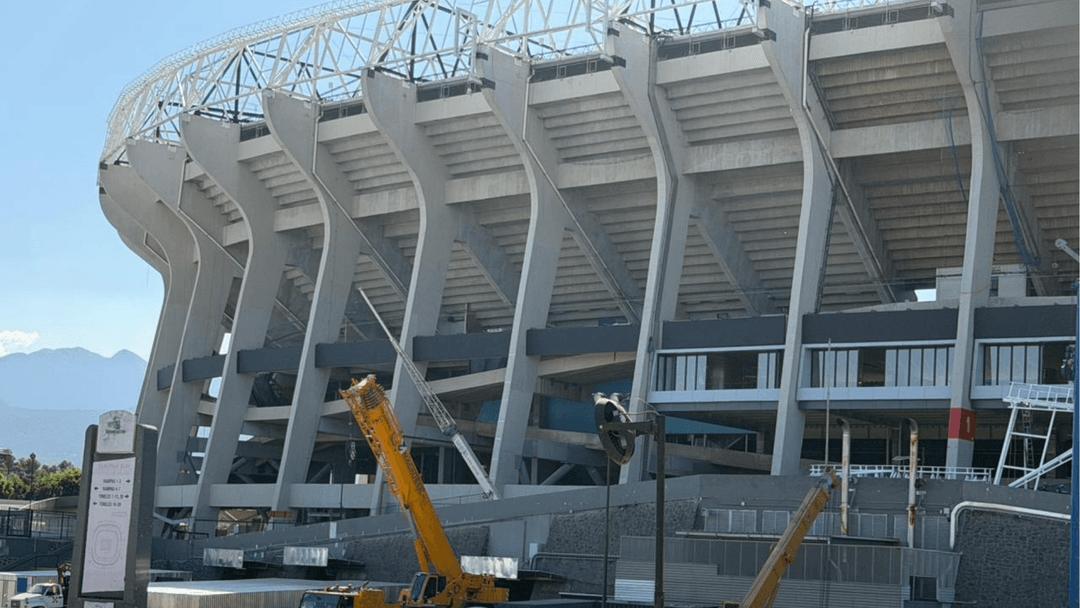
Simply observing the rushed renovations at Estadio Azteca provides a clear answer to whether the World Cup is ready. The stadium, set to host the opening ceremony and first match, has been under renovation for nearly two years and may not be fully completed by June 11. A friendly between Mexico and Portugal on March 28 was intended as the "inaugural test," but seats are still being installed and the sunshade roof has only just begun construction.
Although pre-tournament concerns are common, the issues surrounding the USA-Canada-Mexico World Cup are unusually numerous, making it hard for media and fans to remain optimistic.


Wonderfulshortvideo
Kvaratskhelia and Ronaldo 🫶


🇪🇸 Spain 🆚 Argentina 🇦🇷
When Diogo Costa saved EVERY penalty he faced in the shoot-out 🤯🤯🤯
The movement is electric ⚡️
Never gives up 💪
Things you really love to see
Neymar highlights neymar edit neymar lamine yamal celebration
 Links
Links
 Contact
Address:UNIT 1804 SOUTH BANK TOWER, 55 UPPER GROUND,LONDON ENGLAND SE1 9E
Number:+85259695367
E-mali:[email protected]
 App
App


