



Can Maria Sharapova's precedent help Malaysia avoid a 0-3 loss to Vietnam?



After the hearing on February 26, the Court of Arbitration for Sport (CAS) is anticipated to deliver its verdict within a week, marking a crucial juncture for the seven naturalized players and the Football Association of Malaysia (FAM).
The case originated from FIFA's decision in September 2025, when seven players from Malaysia were found to have committed fraud in their naturalization process. Consequently, FIFA imposed a 12-month playing ban along with financial penalties on both the players and FAM. An internal appeal to FIFA was unsuccessful, forcing FAM to turn to CAS as a final recourse.
According to sports lawyer Richard Wee, three main scenarios are possible: upholding the ban, completely overturning FIFA's decision, or a partial adjustment—meaning a reduction in the sanctions. He emphasized that CAS has the authority to review the entire case file, assessing both legal aspects and the specific context of the matter.
Notably, Mr. Wee cited the precedent of Maria Sharapova – the tennis player whose ban was shortened by CAS following an appeal. In that case, Sharapova did not deny the violation but focused her arguments on the severity and duration of the penalty, thereby persuading the arbitration panel to modify the initial ruling.
FAM's legal team is expected to argue that the association acted based on official documents and information from the players' representatives, believing in good faith that the eligibility criteria were met. The Malaysian FA hopes this constitutes a mitigating circumstance, helping them avoid severe penalties such as exclusion from major tournaments or a 0-3 forfeit in Asian Cup qualifiers, including the match against the Vietnamese National Team.

However, experts also note that each case at CAS is independent. The legal basis, evidence, and severity of the offense will determine the direction of the ruling.
While awaiting the decision, the seven players—Joao Figueiredo, Facundo Garces, Imanol Machuca, Hector Hevel, Jon Irazabal, Gabriel Palmero, and Rodrigo Holgado—are temporarily permitted to play. On January 28, CAS granted a stay of execution pending the final ruling—a move indicating the arbitration body's willingness to comprehensively consider all arguments.
The upcoming ruling will not only decide the careers of the individuals involved but also directly impact the personnel planning of Malaysian football during its transitional phase. If the sanctions are reduced or overturned, it would provide a significant boost to their regional and continental competitive ambitions. Conversely, upholding the decision could force FAM to overhaul its entire personnel strategy.
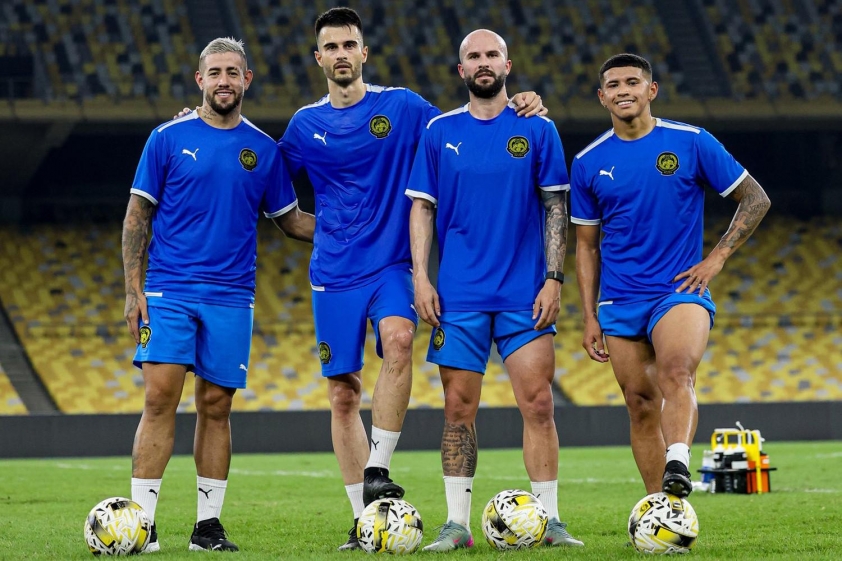
The Sharapova precedent once offered hope for cases seeking fairness at CAS. The question now is: can Malaysian football pass through a similar "narrow gate"? The answer will be revealed in the coming days and could mark a turning point for an entire generation of players.


Wonderfulshortvideo
Things you really love to see


Neymar highlights neymar edit neymar lamine yamal celebration
Arsenal 1-0 chelsea havertz goal
Ahead of his 100th cap, Sir Keir Starmer had this message for Maro Itoje…
yamal goal yamal instagram yamal dribble barcelona 2-1 albacete yamal highlights yamal edit
casemiro goal casemiro assist casemiro 6 7 celebration
"Can I just start off by saying I want to congratulate Maro on 100 tests... He's a great bloke and a great player."
 Links
Links
 Contact
Address:UNIT 1804 SOUTH BANK TOWER, 55 UPPER GROUND,LONDON ENGLAND SE1 9E
Number:+85259695367
E-mali:[email protected]
 App
App


