



Manchester United turns a profit despite no European competition! If they qualify for the Champions League, they plan to invest £150 million in reinforcements, aiming to compete for the Premier League title next season.



Manchester United officially published their financial results for the second quarter and first half of the 2025/26 fiscal year on Wednesday afternoon, showing the club has moved back into profit. This improvement was mainly driven by owner Sir Jim Ratcliffe’s contentious two rounds of staff reductions, cutting 450 employees and removing bonuses. Consequently, the club posted an operating profit of £32.6 million in the first half of the year, whereas it had a £3.9 million loss during the same period last year.
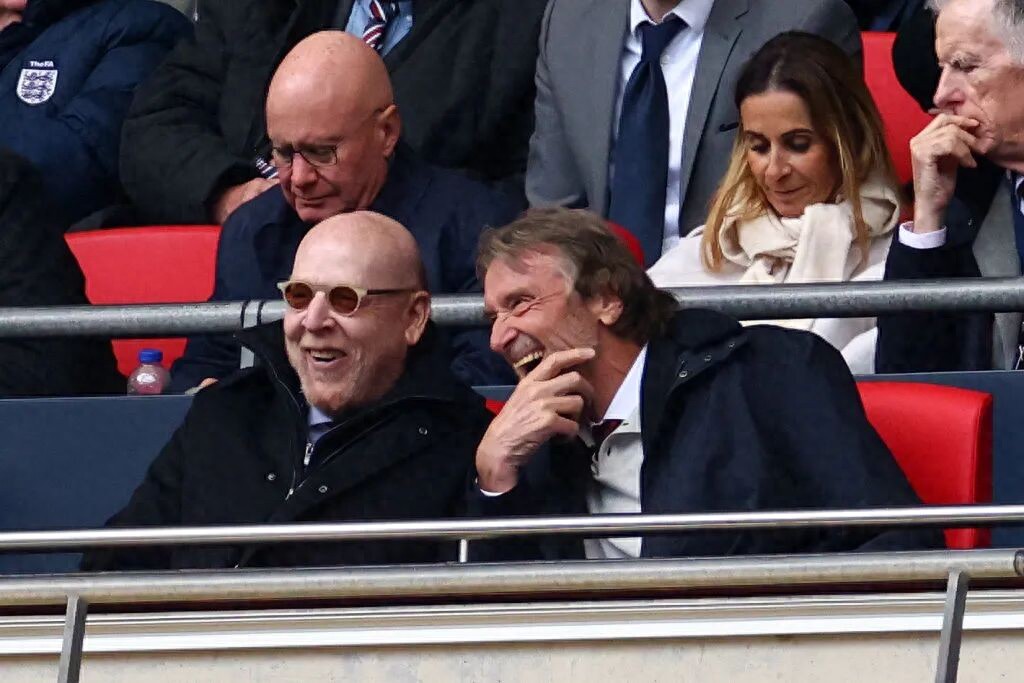
Manchester United recorded an operating profit of £19.6 million in the second quarter, a significant increase from £3.1 million in the same quarter last year. The club happily stated that the off-field transformation since Sir Jim Ratcliffe’s reforms has yielded positive financial results.
The financial statement shows that Manchester United’s employee benefits expenses decreased by £7.4 million. Additionally, ticket price increases and reduced wage costs contributed to profit growth. For instance, Marcus Rashford’s loan to Barcelona, who covered his full salary, saved United over £6 million in wages in just six months. Notably, the club’s “special projects” expenses were zero, indicating that the £10 million severance paid to Amourin after his January dismissal will be accounted for in the third quarter results.
Thanks to substantial spending cuts, although Manchester United’s total revenue in the second quarter was £190.3 million, slightly less than last year’s £198.7 million, profits improved significantly. The revenue decline is mainly due to fewer matches played. The team missed out on European competitions this season and was eliminated in the first rounds of both the FA Cup and League Cup, leading to a £2.5 million drop in matchday income to £49.5 million.
Poor performance also caused Manchester United’s commercial income to fall by £6.6 million, down to £78.5 million. After last season’s sponsorship deal with “Tezos” ended, the club has lacked a training kit sponsor, and the naming rights sponsorship for the Carrington training ground by “AON” expired in 2021 with no successor.
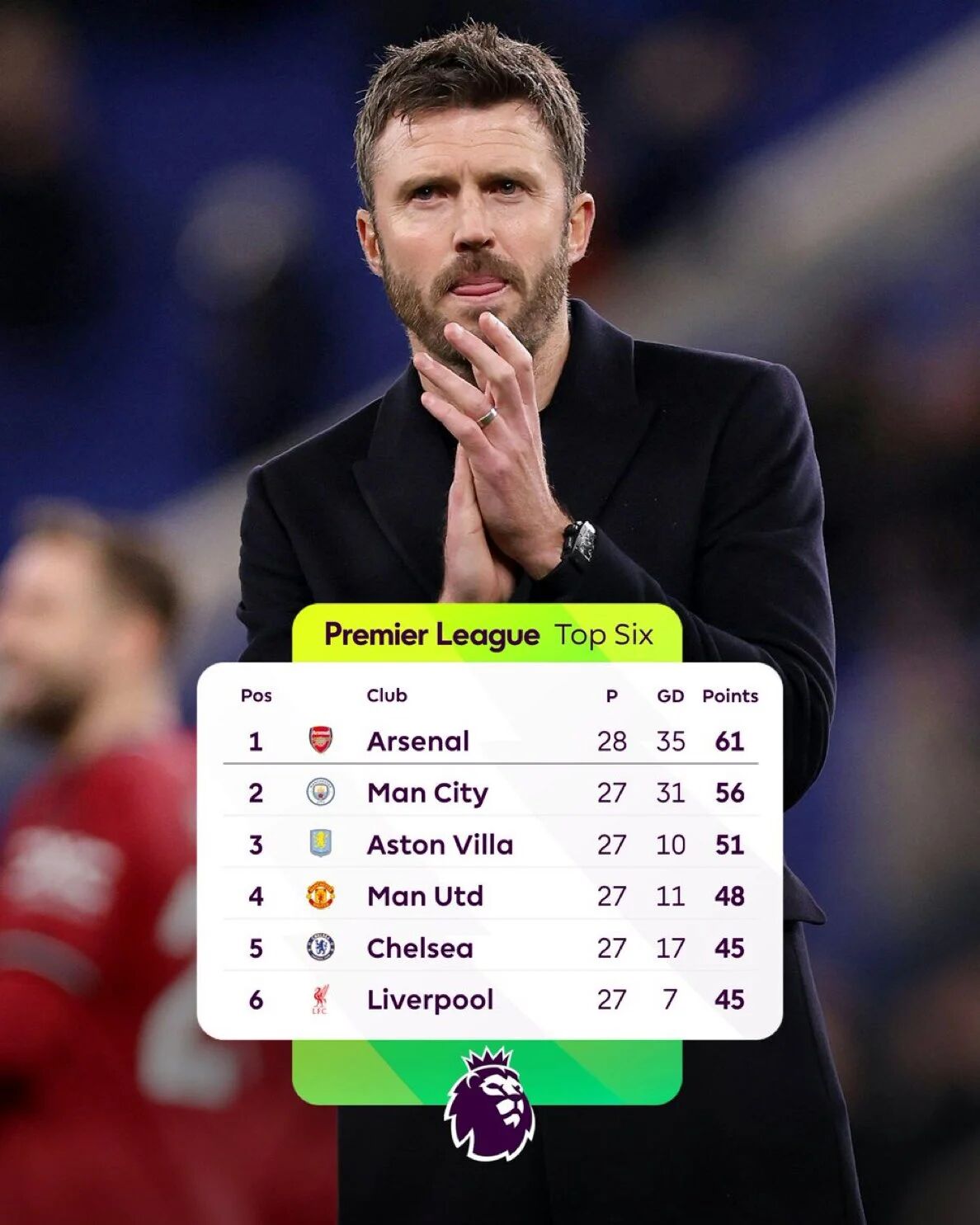
Undoubtedly, the poor results have affected Manchester United’s commercial appeal. Therefore, Sir Jim Ratcliffe and Ineos are eager for the team to return to the Champions League. The Red Devils have never missed Europe’s top competition for three consecutive years. Moreover, qualifying for the Champions League would bring the club £100 million in revenue and enhance its ability to attract elite talent.
Manchester United’s leadership hopes that even if the team cannot win the title next season, they at least contend for the Premier League crown. According to Spain’s “Fichajes” transfer website, if Carrick can lead the team to Champions League qualification, Sir Jim Ratcliffe is willing to invest a £150 million budget in the summer transfer window to strengthen the squad and build a title-challenging team. Combined with funds from player sales, total spending will likely exceed £200 million again.
Thanks to an increase in Premier League broadcast revenue sharing, Manchester United’s broadcasting income slightly rose by £700,000 to £62.3 million. Club insiders say they still expect to achieve an annual revenue target between £640 million and £660 million.
However, Manchester United’s debt continues to rise, with total liabilities nearing the £1.3 billion mark, reaching a staggering £1.29 billion! When the Glazer family acquired Manchester United in 2005, the club’s debt was only £12 million. According to UEFA’s definition, Manchester United’s net football debt mainly consists of borrowings and net transfer expenditures.
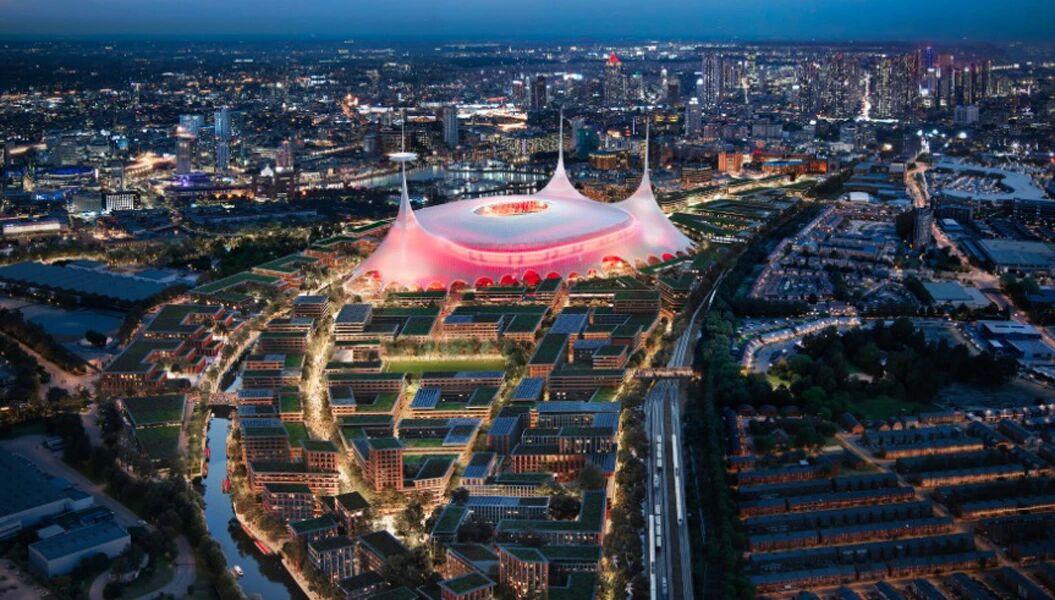
Manchester United plans to build a new Old Trafford stadium with a capacity of 100,000 before the 2030/31 season, estimated to cost about £2 billion. The club has not yet confirmed the funding sources for this project, but borrowing is expected, which will lead to a sharp increase in debt. Last August, “Swiss Ramble” ranked Everton and Tottenham’s debts above Manchester United’s; both clubs had borrowed money to build new stadiums.


Wonderfulshortvideo
Things you really love to see


Neymar highlights neymar edit neymar lamine yamal celebration
Arsenal 1-0 chelsea havertz goal
Ahead of his 100th cap, Sir Keir Starmer had this message for Maro Itoje…
yamal goal yamal instagram yamal dribble barcelona 2-1 albacete yamal highlights yamal edit
casemiro goal casemiro assist casemiro 6 7 celebration
"Can I just start off by saying I want to congratulate Maro on 100 tests... He's a great bloke and a great player."
 Links
Links
 Contact
Address:UNIT 1804 SOUTH BANK TOWER, 55 UPPER GROUND,LONDON ENGLAND SE1 9E
Number:+85259695367
E-mali:[email protected]
 App
App


