



Behind the Heison Scandal: Anti-Racism and Real Madrid’s “Double Standard Crisis”



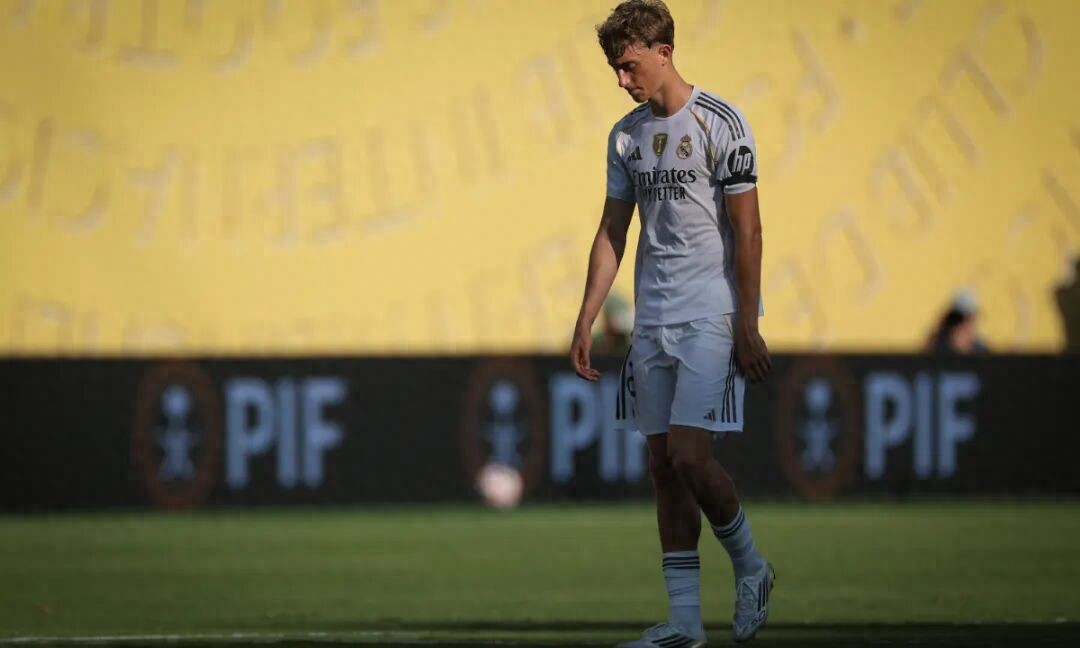
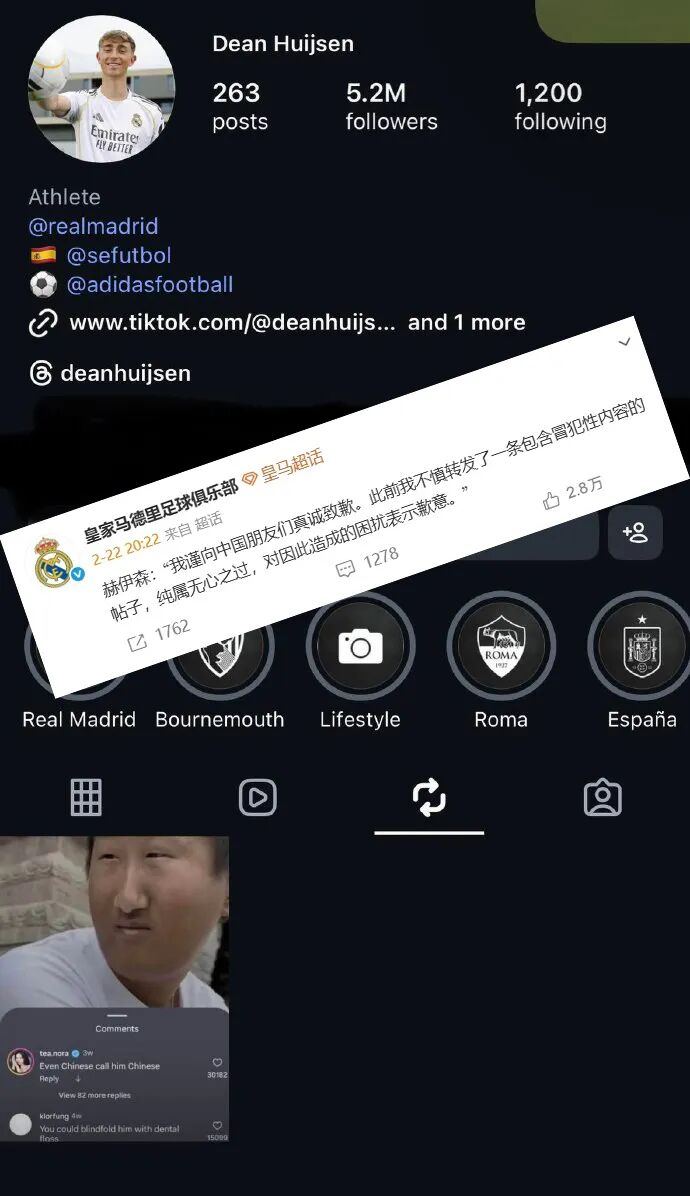
Written by Han Bing On February 21, Real Madrid defender Heison was exposed for sharing multiple images containing “anti-Chinese” content on his personal social media. Despite deleting the post, the dispute continued. On February 22, Real Madrid’s official Weibo account issued an apology statement of over 50 words, but this was not shared on the club’s more internationally influential platforms such as its official website, Facebook, X, or Instagram. Heison himself did not apologize on his personal social media accounts either.
Real Madrid’s cold response to Heison’s “anti-Chinese” scandal has put the club, which has long portrayed itself as a victim of racial discrimination, into a “double standard” dilemma both logically and emotionally. Under global media scrutiny, the club’s dismissive reply that “the player has apologized on Chinese social media” has only escalated the crisis.
On February 24, as mainstream sports media in Europe and America followed up with reports, Heison’s “anti-Chinese” scandal quickly spread from Chinese social platforms to the global stage.
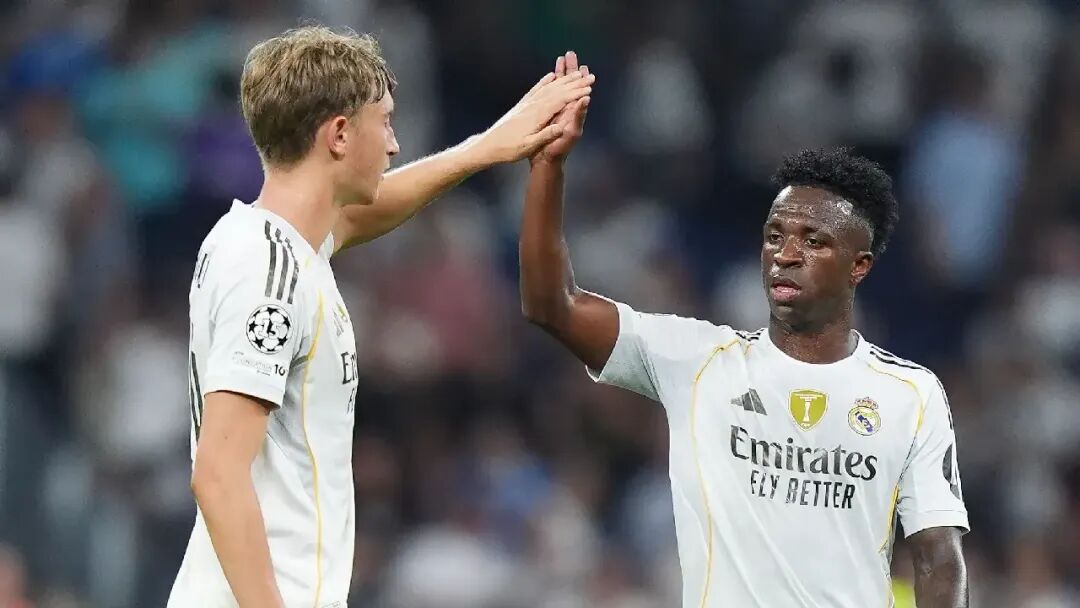
Before the outbreak of Heison’s scandal, Real Madrid had been loudly defending Vinícius Jr. against racial discrimination, even securing a provisional suspension for Benfica player Prestiani without direct evidence. However, the solid evidence in Heison’s “anti-Chinese” scandal and the club’s subsequent cold handling have led Western media to widely question Real Madrid’s “double standards” on anti-racism issues.
Real Madrid has long promoted zero tolerance for racial discrimination and full respect for cultural diversity as core club values. Even before the second leg of a Champions League knockout match, coach Averoia boasted about having a chance to “deliver a heavy blow to racism.” Yet, in the Heison “anti-Chinese” scandal, the club showed a completely different standard of response.
On one hand, Real Madrid vigorously rallied public opinion to support Vinícius Jr., repeatedly emphasizing the club’s anti-racism stance and portraying him as a “fighter against racism.” On the other hand, it completely ignored crisis management regarding Heison’s “anti-Chinese” scandal. This dual role as both victim and perpetrator in racial discrimination issues has severely damaged the club’s long-cultivated “righteous and virtuous” image.
The proactive crisis management on anti-racism previously seen in Chelsea and Barcelona earned recognition and serves as a model Real Madrid should follow.
In 2017, when Chelsea’s young player Kennedy posted a “anti-Chinese” video on social media during a visit to China, the club immediately sent him back to the UK, revoking his qualification to participate in the Asia tour. Chelsea apologized on their official website, and Kennedy issued multiple apologies on his social media. Additionally, the English FA intervened, questioned Chelsea, and warned Kennedy. In 2019, during Barcelona’s Asia tour, Griezmann and Dembélé were also accused of racial discrimination. Barcelona responded by posting an apology on the club’s official website, and both players publicly apologized on their main international social media accounts.
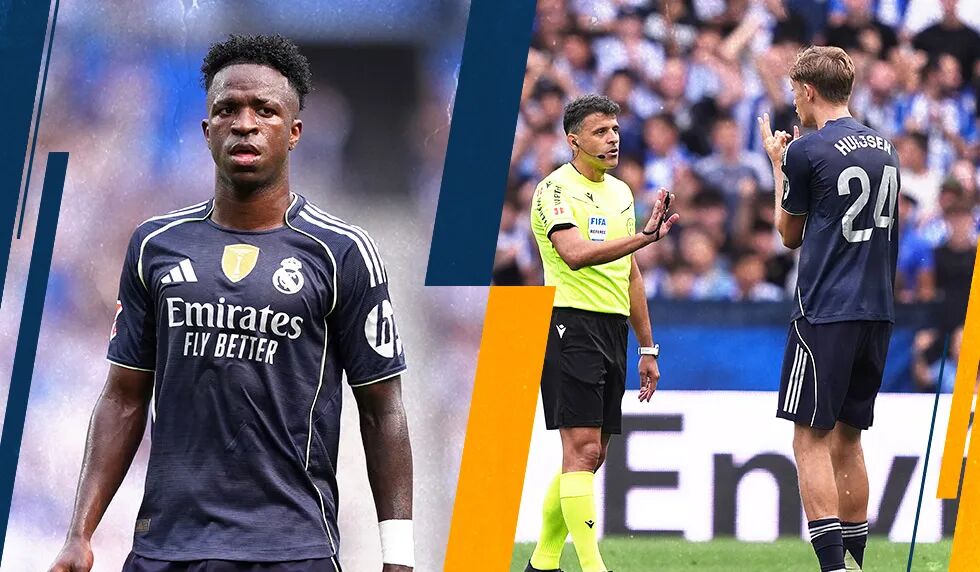
As a world-class club targeting the global market, Real Madrid should realize that the direct confrontation between the two incidents involving Vinícius Jr. and Heison has already damaged the club’s fundamental “values” and “image positioning.” This crisis will harm not only the club’s influence in Asia and China but also its carefully cultivated image as a “pioneer against racial discrimination.”


Wonderfulshortvideo
Things you really love to see


Neymar highlights neymar edit neymar lamine yamal celebration
Arsenal 1-0 chelsea havertz goal
Ahead of his 100th cap, Sir Keir Starmer had this message for Maro Itoje…
yamal goal yamal instagram yamal dribble barcelona 2-1 albacete yamal highlights yamal edit
casemiro goal casemiro assist casemiro 6 7 celebration
"Can I just start off by saying I want to congratulate Maro on 100 tests... He's a great bloke and a great player."
 Links
Links
 Contact
Address:UNIT 1804 SOUTH BANK TOWER, 55 UPPER GROUND,LONDON ENGLAND SE1 9E
Number:+85259695367
E-mali:[email protected]
 App
App


