



Chinese media calls for Chinese Super League to change rules because of Đình Bắc



The wave of discussions about the future of Chinese football is heating up every day following a thoroughly unsuccessful continental campaign.
Amid fierce controversy over the decline of Chinese football on the continental stage, the name Nguyễn Đình Bắc has suddenly been mentioned by the country's media as a prime example of a new direction that the Chinese Super League might pursue in the future.
After a disappointing season in AFC competitions, Chinese public opinion is demanding strong changes in foreign player policies. In the AFC Champions League Elite, three representatives—Chengdu Rongcheng, Shanghai Shenhua, and Shanghai Port—were all eliminated in the group stage, ranking last in East Asia. In the AFC Champions League Two, Beijing Guoan also failed to advance far.
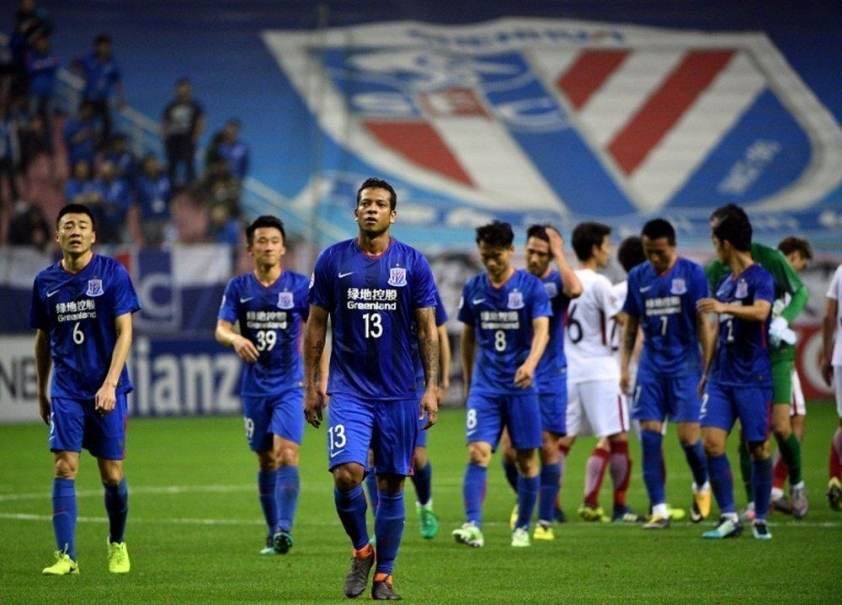
Poor results caused China to earn only 7.383 points on the AFC competition ranking, placing 9th in East Asia. Being surpassed by Indonesia, Malaysia, and Vietnam, while Thailand pulled far ahead, shocked mainland fans.
In this context, journalist Lao Qiu, quoted by Sport Sina, believes the Chinese Super League needs to expand its policy to attract more quality players from the region, instead of maintaining the current tight foreign player quota. This season, the Chinese league allows a maximum of 5 foreign players per team, which is much lower than Japan’s limit of 8 and Saudi Arabia’s 10 foreign players.
Notably, the AFC does not limit foreign players in continental competitions. Therefore, when competing in the Champions League, Chinese clubs are at a disadvantage due to insufficient squad depth compared to opponents with star-studded foreign lineups.

In their analyses, Chinese media particularly emphasize the option to reinstate the “Asian foreign player” slot that existed before 2020. They argue that adding a separate quota for East Asian or Asian players would open opportunities to access talents who fit both professionally and culturally.
This is exactly why Nguyễn Đình Bắc is mentioned. Sport Sina published images of the young Vietnamese striker while discussing the possibility that the Chinese Super League should attract more players from the region. Although there is no concrete transfer information, Đình Bắc’s appearance in the commentary shows he is seen as a model example of the talent pool Chinese clubs could target if the rules change.
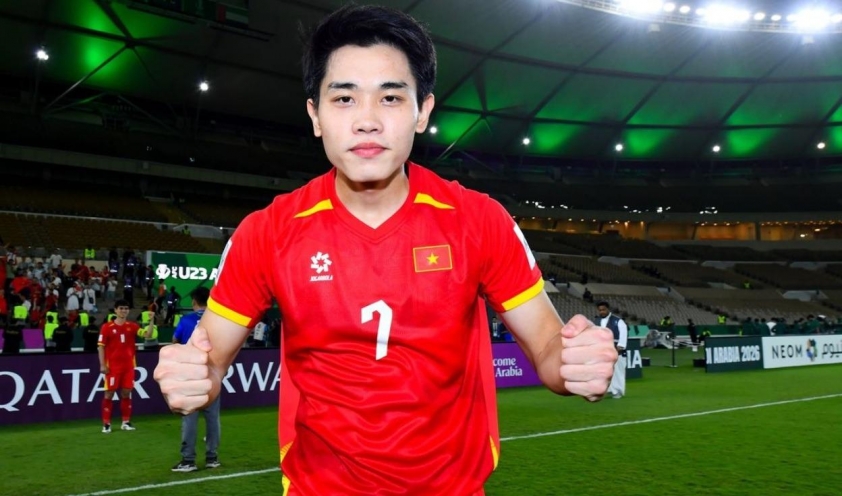
Đình Bắc is one of the standout young faces in Vietnamese football recently, impressing with his speed, confidence, and ability to create breakthroughs. As the Chinese Super League seeks solutions to compete continentally, promising Southeast Asian players like him could become strategic choices if the foreign player quota is relaxed.


Wonderfulshortvideo
Things you really love to see


When you use your girlfriends shower 🚿 @Emily Bourne @LUSH
Neymar highlights neymar edit neymar lamine yamal celebration
Arsenal 1-0 chelsea havertz goal
Ahead of his 100th cap, Sir Keir Starmer had this message for Maro Itoje…
yamal goal yamal instagram yamal dribble barcelona 2-1 albacete yamal highlights yamal edit
casemiro goal casemiro assist casemiro 6 7 celebration
 Links
Links
 Contact
Address:UNIT 1804 SOUTH BANK TOWER, 55 UPPER GROUND,LONDON ENGLAND SE1 9E
Number:+85259695367
E-mali:[email protected]
 App
App


