



Pro-Real Madrid newspaper stirs excitement over Vietnam’s largest stadium project



MARCA, the renowned Spanish sports newspaper, recently published an attention-grabbing article about Vietnam’s Trống Đồng stadium project.
In their latest piece, MARCA highlights that Vietnam is bringing to life a world-class sports infrastructure project. The Spanish outlet writes: “Vietnam will own the world’s largest stadium with a capacity of 135,000 spectators. The construction of Trống Đồng stadium began last December.”
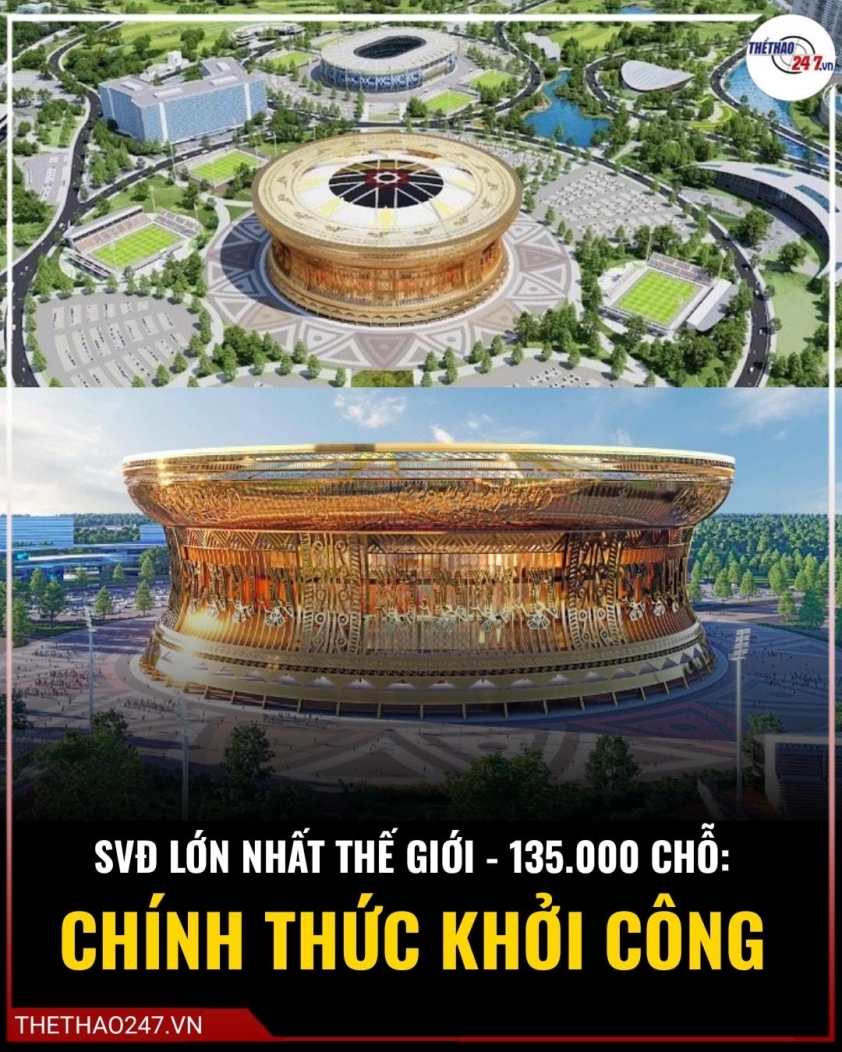
MARCA analyzes that Trống Đồng stadium is not merely a sports facility but also symbolizes Vietnam’s international ambitions. “This stadium was created to fulfill Vietnam’s dream of hosting international sports and cultural events, while becoming one of Asia’s premier landmarks.
The project has been researched and designed according to strict standards set by FIFA, AFC, the Olympic Council of Asia, and many other international sports organizations, laying the groundwork for Vietnam to potentially host ASIAD, the Olympics, the World Cup, continental finals, and other major global sporting events in the future.”
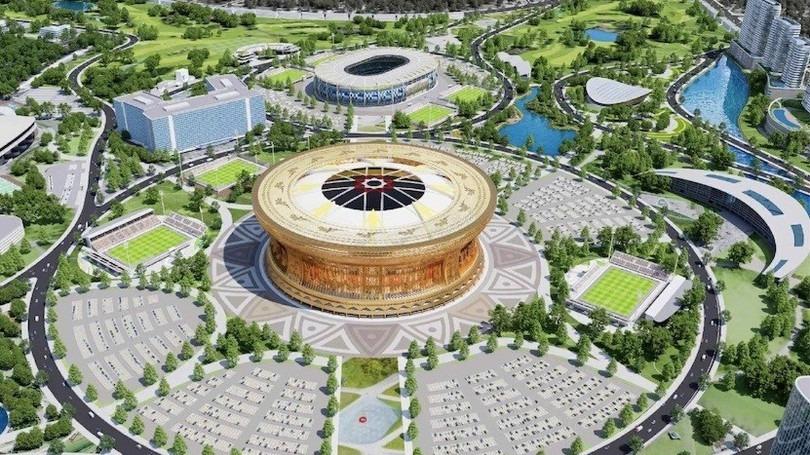
According to MARCA, the project’s goal is not only to build a massive stadium but also to create a regional and global sports-cultural hub. With 135,000 seats, Trống Đồng will surpass many “great constructions” to become the largest stadium in the world upon completion in 2028.
The article also compares Trống Đồng stadium with Morocco’s Grand Stade Hassan II, which North Africa plans to use for the 2030 World Cup final. With a capacity of 120,000, Morocco’s stadium is still significantly smaller than Vietnam’s project, highlighting Trống Đồng’s superior scale on the global sports map.
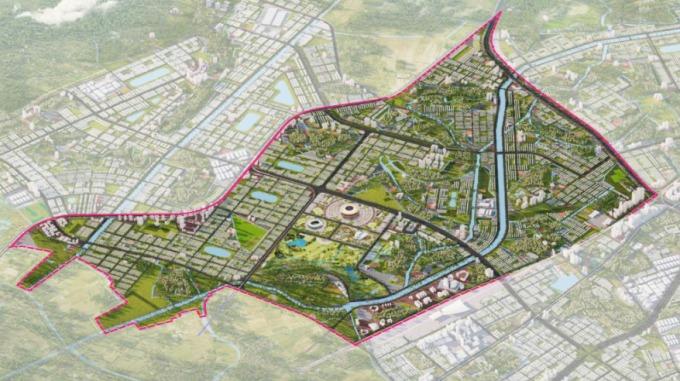
An important highlight MARCA emphasizes is the stadium’s modern design. Trống Đồng will feature a retractable roof, allowing flexible hosting of outdoor sports events, artistic performances, festivals, community events, and other large-scale activities.
In the article, MARCA also lists the world’s largest stadiums currently. According to them, Trống Đồng (Vietnam) leads with 135,000 seats (under construction), followed by North Korea’s Rungrado May Day Stadium (130,000), Morocco’s Hassan II (120,000, under construction), and massive stadiums in the US such as Michigan Stadium, Beaver Stadium, Ohio Stadium, Kyle Field, Neyland Stadium, Tiger Stadium, and Australia’s Melbourne Cricket Ground.
MARCA is widely known for its pro-Real Madrid stance rather than Barcelona; although it covers both giants, the newspaper often publishes in-depth articles, analyses, and opinions favoring the Royal team, especially in title races.
MARCA is widely known for its pro-Real Madrid stance rather than Barcelona; although it covers both giants, the newspaper often publishes in-depth articles, analyses, and opinions favoring the Royal team, especially in title races.
In their latest article, MARCA stresses that Vietnam is realizing a globally significant sports infrastructure project. The Spanish newspaper writes: “Vietnam will possess the world’s largest stadium with a capacity of 135,000 spectators. Construction of Trống Đồng stadium began last December.”
MARCA analyzes that Trống Đồng stadium is not simply a sports venue but also a symbol of Vietnam’s international aspirations. “This stadium was established to fulfill Vietnam’s dream of hosting international sports and cultural events, while becoming one of Asia’s leading icons.
The project has been researched and designed under strict standards of FIFA, AFC, the Olympic Council of Asia, and numerous other international sports bodies, providing a foundation for Vietnam to one day host ASIAD, the Olympics, the World Cup, continental finals, and other major global sports events.”
According to MARCA, the project aims not only to build a gigantic stadium but also to create a regional and global sports-cultural center. With 135,000 seats, Trống Đồng will surpass many “grand projects” to become the world’s largest stadium when completed in 2028.
The article also compares Trống Đồng stadium with Morocco’s Grand Stade Hassan II, which North Africa plans to use for the 2030 World Cup final. With a capacity of 120,000, Morocco’s stadium remains significantly smaller than Vietnam’s project, underlining Trống Đồng’s dominant scale on the global sports map.
A notable point MARCA emphasizes is the stadium’s modern design. Trống Đồng will have a retractable roof, enabling flexible hosting of outdoor sports events, artistic performances, festivals, community events, and other large-scale activities.
In the article, MARCA also lists the largest stadiums in the world today. According to them, Trống Đồng (Vietnam) leads with 135,000 seats (under construction), followed by North Korea’s Rungrado May Day Stadium (130,000), Morocco’s Hassan II (120,000, under construction), along with huge stadiums in the US such as Michigan Stadium, Beaver Stadium, Ohio Stadium, Kyle Field, Neyland Stadium, Tiger Stadium, and Australia’s Melbourne Cricket Ground.




Wonderfulshortvideo
Things you really love to see


Neymar highlights neymar edit neymar lamine yamal celebration
Arsenal 1-0 chelsea havertz goal
Ahead of his 100th cap, Sir Keir Starmer had this message for Maro Itoje…
yamal goal yamal instagram yamal dribble barcelona 2-1 albacete yamal highlights yamal edit
casemiro goal casemiro assist casemiro 6 7 celebration
"Can I just start off by saying I want to congratulate Maro on 100 tests... He's a great bloke and a great player."
 Links
Links
 Contact
Address:UNIT 1804 SOUTH BANK TOWER, 55 UPPER GROUND,LONDON ENGLAND SE1 9E
Number:+85259695367
E-mali:[email protected]
 App
App


