



New coach of Rongcheng debuts: regretful loss, but the process was acceptable



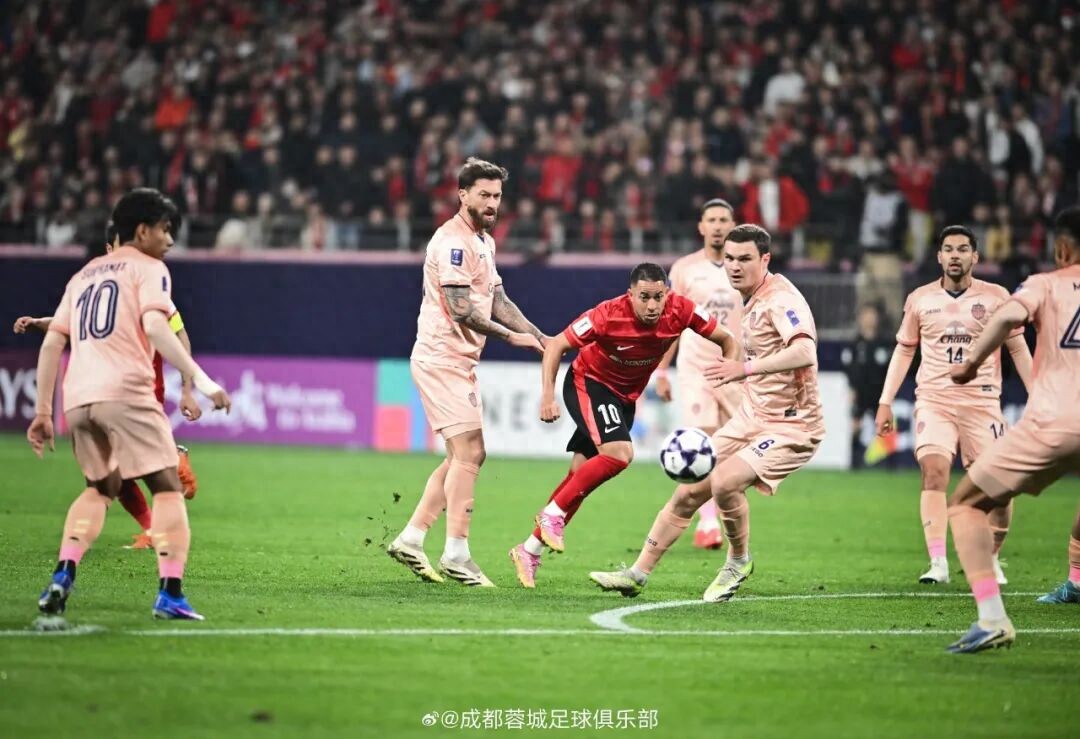
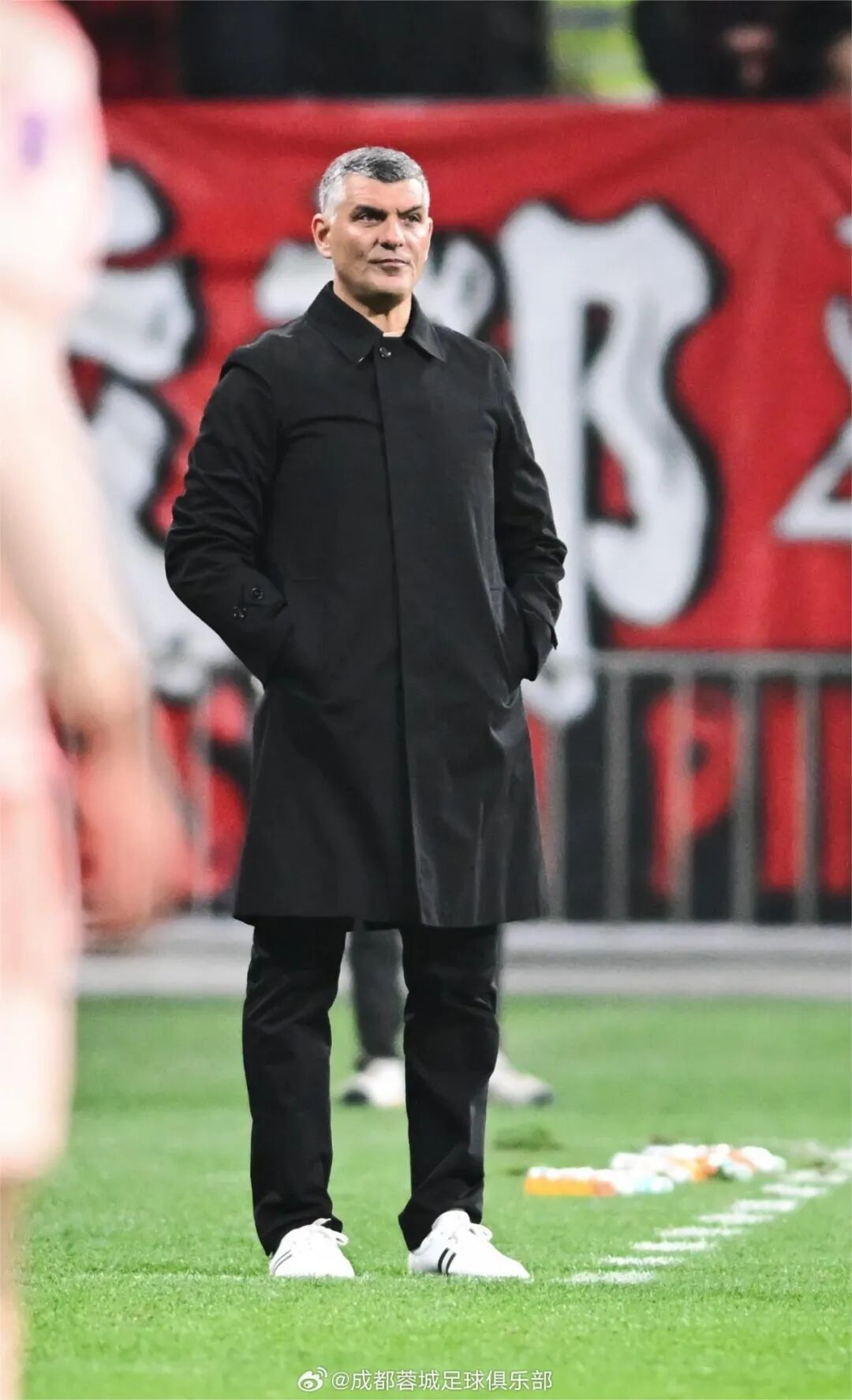
Reporter Lu Mi reports On the evening of February 10th, Chengdu Rongcheng made their first official appearance of the 2026 season, also marking the coaching debut of John Aloisi. Their adversary was the powerful Thai top-tier club Buriram United. This 7th round AFC Champions League Elite East Asia match was both the initial examination of the new coach’s tactical philosophy and a visible demonstration of the team’s new roster integration. Although the team narrowly lost 0-1, making qualification prospects increasingly difficult, the tactical innovations introduced by the new coach and the impressive performances of newcomers like Silva still give fans much to look forward to.
Since officially taking charge of Chengdu Rongcheng on January 6th, John Aloisi quickly began reshaping the team. The most notable change was abandoning the three-center-back system used under former coach Xu Zhengyuan, implementing a more attacking and cohesive 4-2-3-1 formation to fundamentally address the team’s previous imbalance between offense and defense. The match against Buriram United was his first tactical trial and the team’s first full display of strength for the new season.
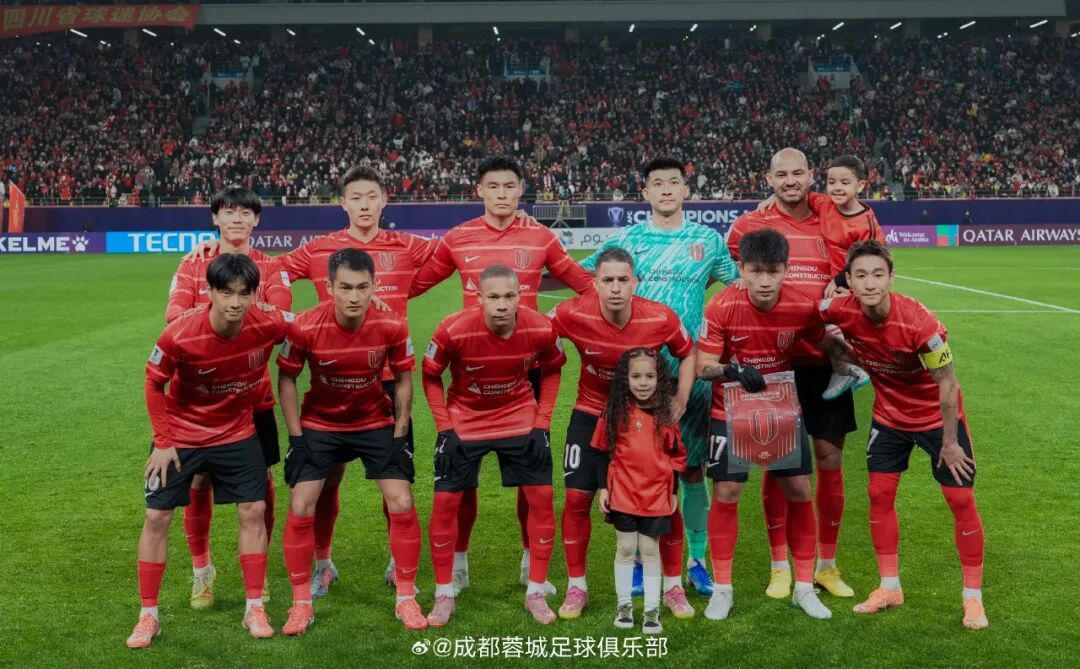
In this match, John Aloisi set up a back four with Wang Dongsheng, Han Pengfei, Li Yang, and Hu Hetao, while last season’s key player Yuan Mincheng did not feature. Due to Rusa’s unavailability for the AFC Champions League, Yang Mingyang and Liao Lisheng partnered in defensive midfield. In the attacking midfield positions, Wei Shihao and Silva played as left and right wingers respectively, with Romulo and Felipe occupying the central attacking midfield roles.
Chengdu Rongcheng emphasized quick passing and cutting as well as wing breakthroughs in attack. New signing Brazilian winger Silva was active and repeatedly created threats through sharp dribbles, becoming one of the brightest attacking highlights. In the first half, most of the team’s chances came from the wings. Silva completed 7 successful passes, took 2 shots, and had 1 on target. For much of the first half, the team maintained a smooth rhythm and, despite facing an opponent with up to 10 foreign players, the home side Rongcheng once held the initiative and even led in shot attempts.
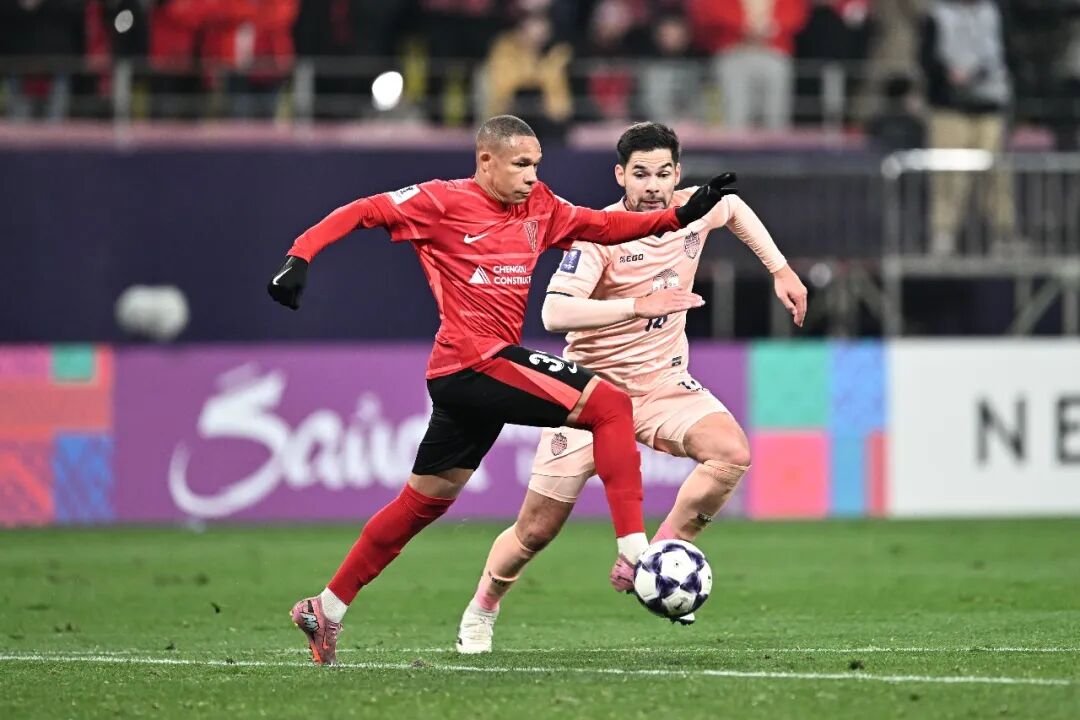
In the second half, Buriram United gradually adapted to Rongcheng’s tactical tempo, while Rongcheng’s lack of personnel and insufficient tactical cohesion began to show. In the 50th minute, Buriram capitalized on a corner kick opportunity; an unmarked Bisoli fired a shot from the center of the penalty area to score, putting Rongcheng behind 0-1. This goal, along with two defensive lapses on corners near the end of the first half, exposed weaknesses in the team’s set-piece defense, including poor concentration and loose marking.
Trailing, John Aloisi quickly made adjustments. He brought on Wang Ziming and Mutalifu to replace Romulo and Liao Lisheng, aiming to boost attacking power and change the offensive stagnation. After entering, Wang Ziming and Mutalifu actively moved to link up attacks, but due to overall lack of cohesion, the team still failed to create effective scoring chances.
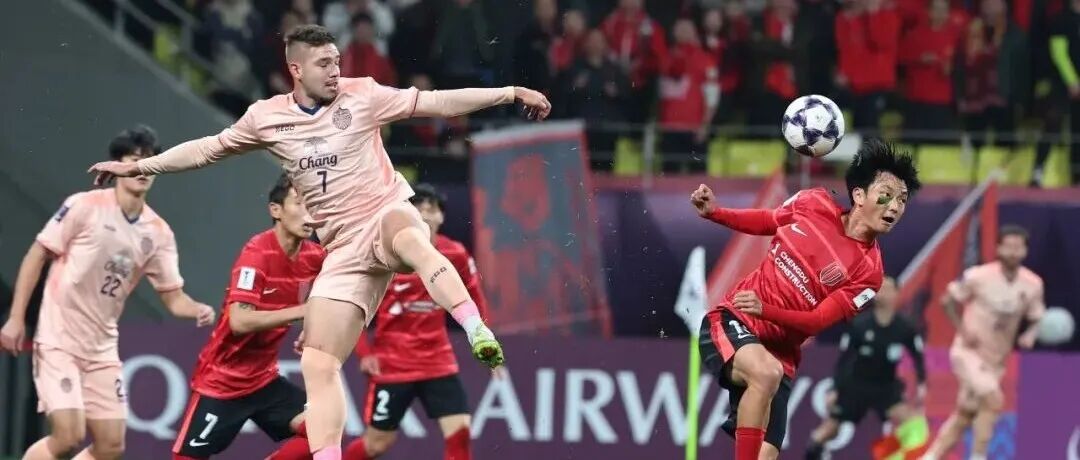
In the 75th minute, Buriram nearly extended their lead, but Hu Hetao made a crucial block on the goal line, preserving the hope of keeping the deficit narrow. At the 80th minute, Wei Shihao appeared to be pushed down in the penalty area, but the referee did not call a foul, causing Rongcheng to miss a potential scoring chance. Ultimately, they lost narrowly 0-1.
Despite the defeat, Aloisi’s debut showed some bright spots. His determination for tactical innovation and the team’s ongoing changes this season are promising. Defensively, although there was a mistake on a set-piece goal, the overall defensive structure has begun to take shape. Since new signing Sosorokin joined late, the team played mostly with a full Chinese defensive line for most of the match; Sosorokin only appeared in the 82nd minute and is still adapting to communication with teammates, which is an area Rongcheng needs to improve going forward.
For Chengdu Rongcheng, who experienced coaching changes and large-scale player turnover during winter training, the stability and execution of the new tactics still require testing. The integration of new players with the team also needs time. Communication between Sosorokin and his teammates, as well as the coordination of support points around Felipe when he holds the ball with his back to goal, still have significant room for improvement. Vulnerabilities in set-piece defense and player concentration issues also need to be addressed by Aloisi in future training sessions.
The 0-1 loss is John Aloisi’s initial assessment for the new season. Currently, the team stands 10th in the East Asia zone with 6 points, 2 points behind 8th-place Ulsan HD and having played one more match, making qualification prospects precarious. However, from this game, it is evident that the potential of new signings and young players is gradually emerging, though the team’s overall cohesion and cooperation still have much room to improve.


Wonderfulshortvideo
Things you really love to see


Neymar highlights neymar edit neymar lamine yamal celebration
Arsenal 1-0 chelsea havertz goal
Ahead of his 100th cap, Sir Keir Starmer had this message for Maro Itoje…
yamal goal yamal instagram yamal dribble barcelona 2-1 albacete yamal highlights yamal edit
casemiro goal casemiro assist casemiro 6 7 celebration
"Can I just start off by saying I want to congratulate Maro on 100 tests... He's a great bloke and a great player."
 Links
Links
 Contact
Address:UNIT 1804 SOUTH BANK TOWER, 55 UPPER GROUND,LONDON ENGLAND SE1 9E
Number:+85259695367
E-mali:[email protected]
 App
App


