



After an 11-year hiatus, the national youth winter training has been relaunched! Behind the new changes and highlights, old issues remain.


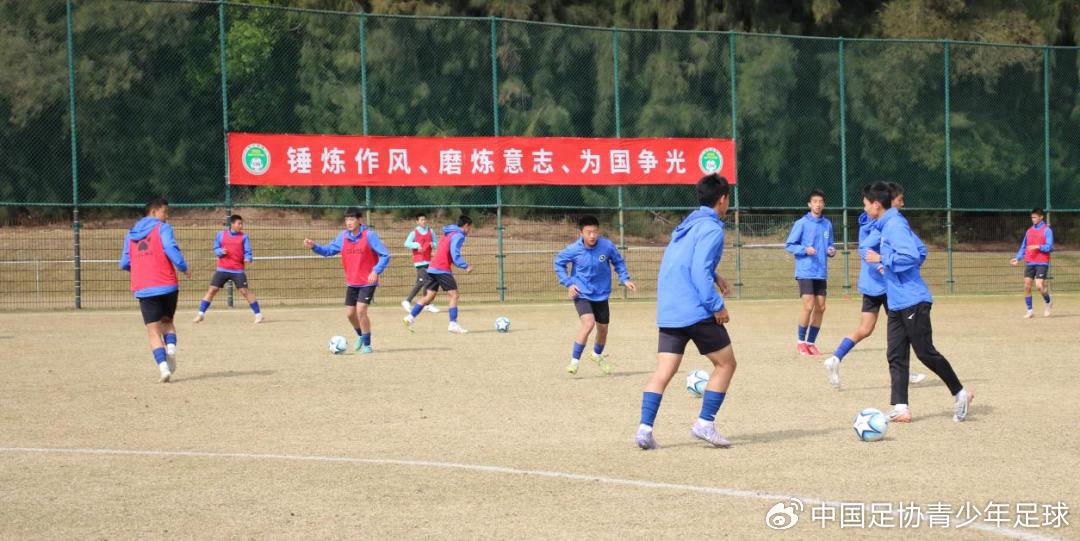
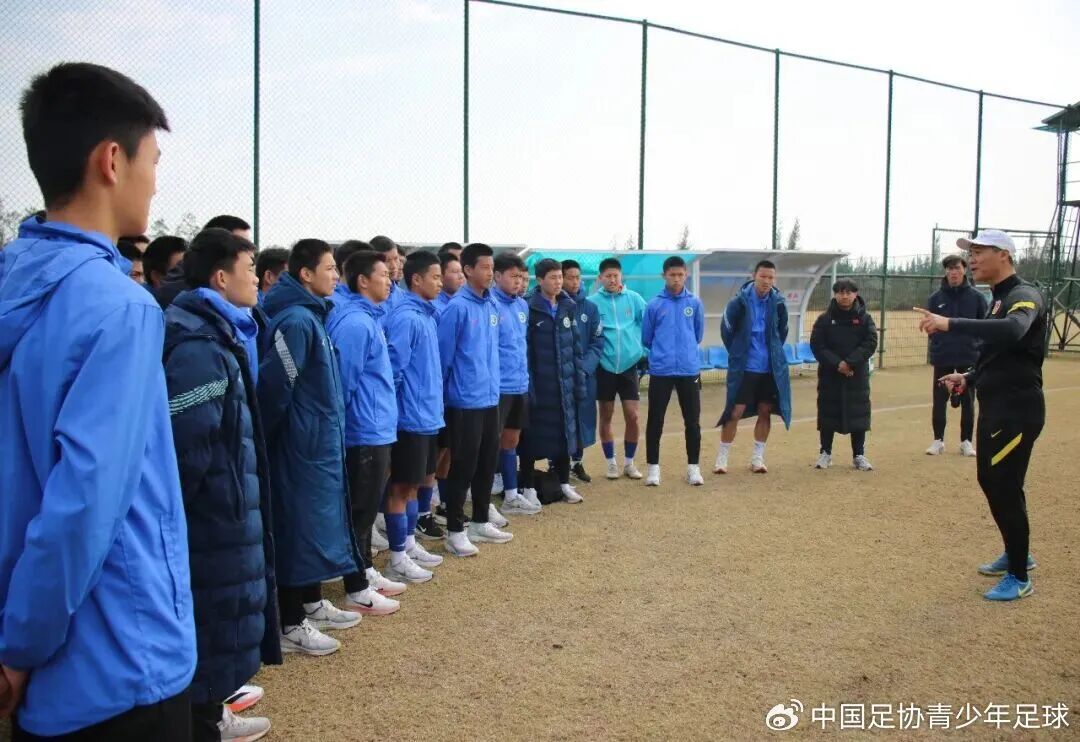
Reported by Chen Yong. After an 11-year gap, the Chinese Football Association held the national youth football winter training again in Zhangzhou, involving nearly 400 players, coaches, and staff from 11 teams. In addition to the CFA-organized training, from late December last year through the post-Spring Festival period, provinces such as Guangdong, Hainan, Yunnan, Guangxi, Fujian, and Jiangxi conducted diverse winter training sessions and competitive exchanges.
Apart from the CFA’s direct involvement, frequent international exchange matches have become another highlight of this year’s winter training. At the China-Korea Youth Football Elite Competition held in Dingnan County, Ganzhou City, Jiangxi Province, there were as many as 35 matches between Chinese and Korean teams. Moreover, in Guangdong and other areas, youth teams from multiple countries engaged in comprehensive confrontations with Chinese youth teams.
Winter training happens every year, but this year is different. The official reorganization of the winter training has improved the training work, especially the support system, while more frequent international exchanges have comprehensively enhanced the technical and tactical level of Chinese youth football.
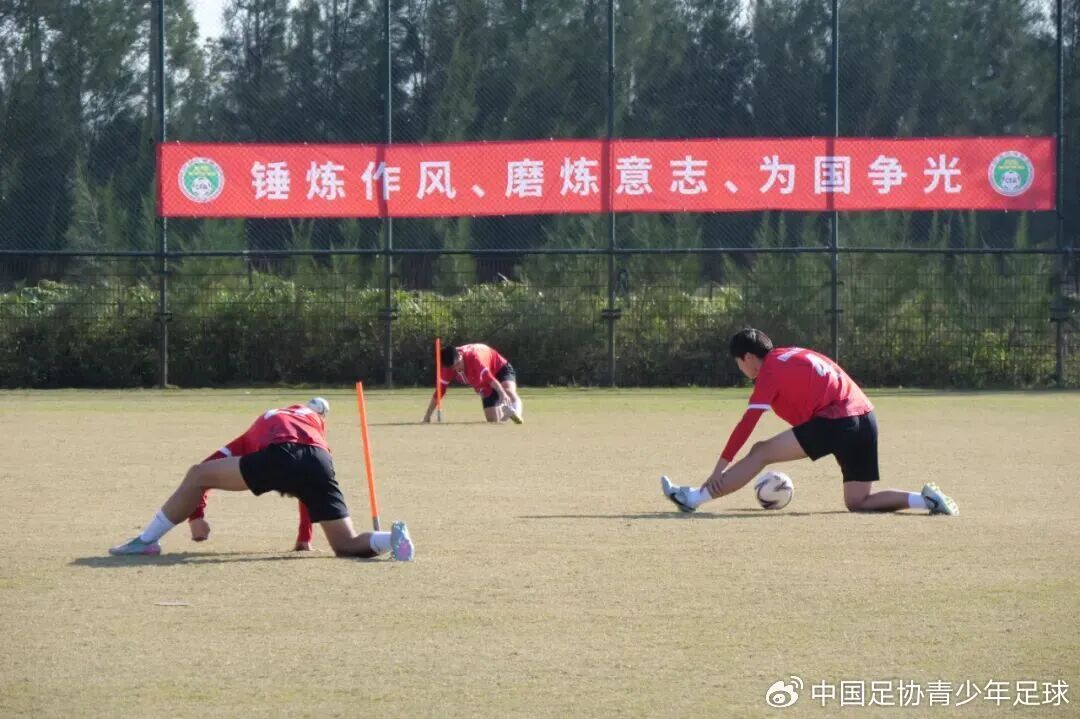

This winter training is the first unified event organized by the Chinese Football Association in 11 years since 2014, marking a full return to youth training operations. It also represents a pragmatic move emphasizing government leadership and using youth training as a strategic breakthrough, as well as a key implementation of the spirit of the national football work conference.
The Chinese Football Association invited the top 16 teams from the U13, U15, and U17 categories of the 2025 Fourth China Youth Championship, along with the top 4 teams from the U14, U15, and U16 categories of the Youth Championship to participate. After selection, 11 teams with nearly 400 players, coaches, and staff were confirmed. The participating teams included U13: Changsha Lushan International, Taishan, 2028 Li Songmeng; U15: Taishan U15, Taishan U14, Shenzhen Youth; U17: Tianjin Sports School, Taishan, Licheng No.2 Middle School, Changsha Lushan International, and Shenzhen Football Association.
For this winter training, the CFA provided subsidies of 100 yuan per day per person and invited high-level experts to participate. Besides Li Xiaoguang (former national team leader), Zhang Ning (former national youth coach), Li Chunman (Beijing Sport University), and Liu Zhiyu (Evergrande Football School), specially invited lecturers included Dong Wuzhi, Qu Chuliang, Wei Xin, Cao Xiandong, Yang Jianming, Liu Jiajun, and Huang Zhanyu.
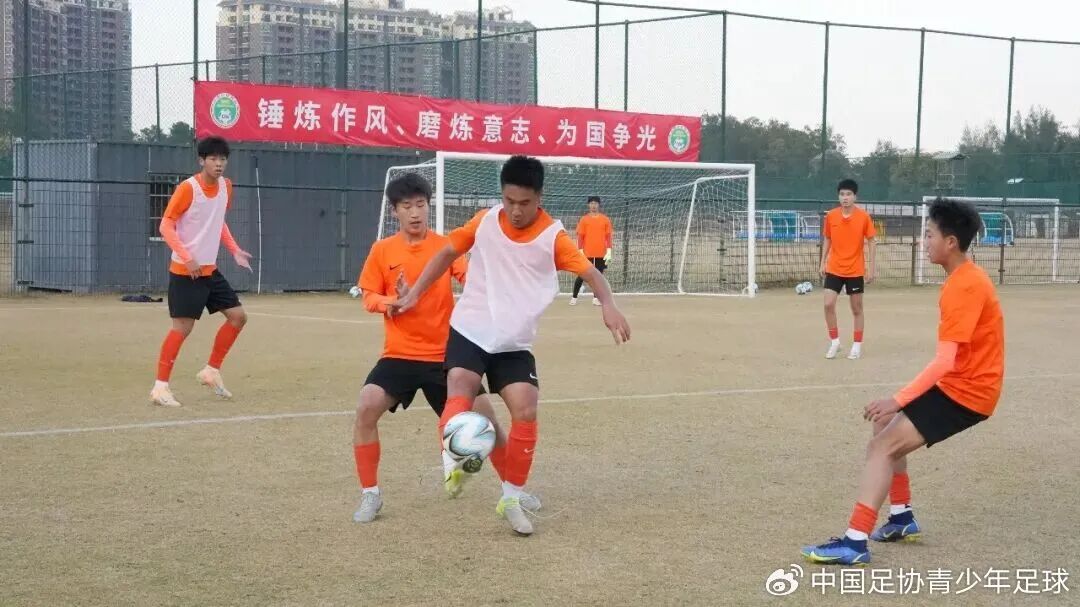
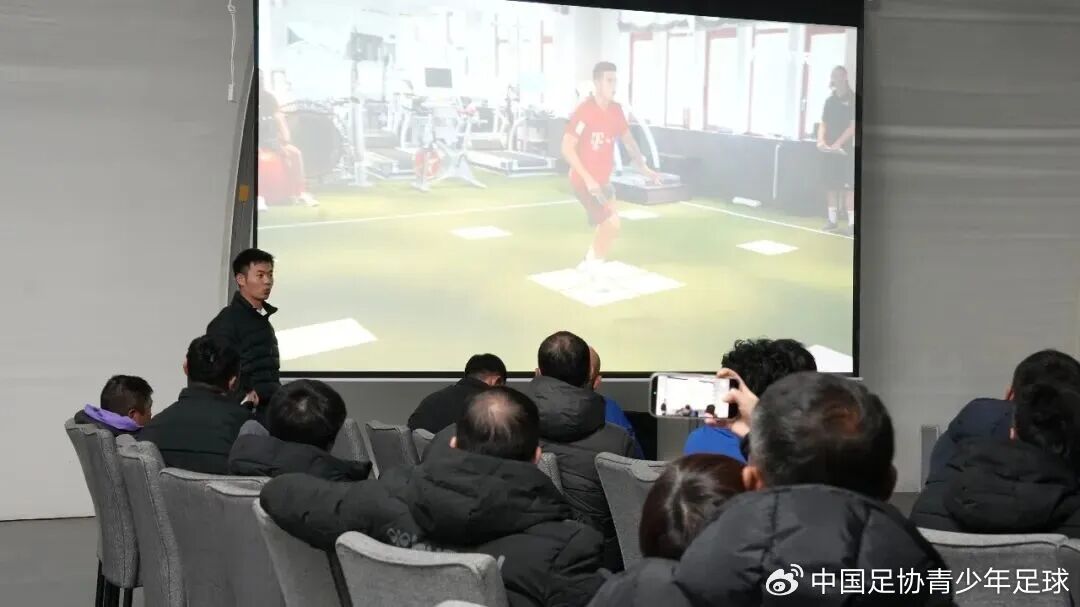
The training courses covered: (1) A practical demonstration led by Huashuang, head coach of Luneng Taishan U14, focusing on "attacking in the front field," guiding players through live demonstrations to improve cooperation in flank and central attacks in simulated match scenarios; (2) The Su Bingtian Speed Research and Training Center’s theoretical and practical lessons, tailored to players' age-specific physical traits, introducing training methods to enhance speed and endurance; (3) Qu Chuliang’s theory class on modern goalkeeper selection and phased development, emphasizing diverse selection criteria and sensitive developmental periods for targeted training considering gender differences; (4) To scientifically and efficiently improve youth football training and competition from a technical perspective, a data company was specially invited to share with coaches, addressing a major current challenge—how to interpret physical and tactical data to better guide training and matches.
The winter training strictly followed a three-session daily schedule including morning exercises, which focused on technical training and team discipline. All teams practiced juggling with twelve body parts, figure-eight dynamic juggling, dribbling, and fixed-point shooting drills, followed by tests. Communication with players and coaches confirmed that morning exercises significantly helped improve ball touch and fundamental skills.
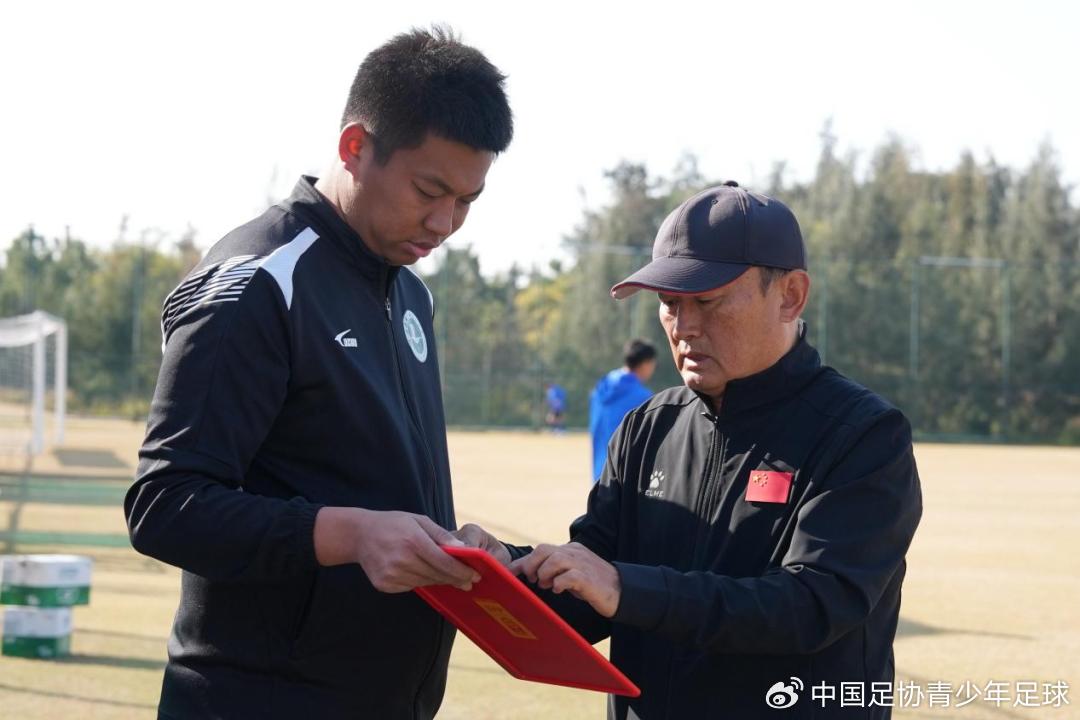

The CFA-organized Zhangzhou winter training lasted six weeks, with the first four weeks dedicated to autonomous team training supported by the winter training office’s expert group, and the final two weeks featuring internal matches. Two main groups competed internally: the U13/15 group and the U17 group.
The U13/15 group played a single round-robin with 10 matches completed, while the U17 group used a group stage plus ranking matches format, completing 20 matches. The Taishan U13, Changsha Lushan International U13, Taishan U17, Licheng No.2 Middle School U17, and Tianjin U17 teams were divided into groups A and B, totaling 8 teams completing 20 matches.
Teams training elsewhere also played matches frequently, which is typical in past winter trainings to build physical reserves, practice basic technical and tactical skills, and improve competitive tactics.
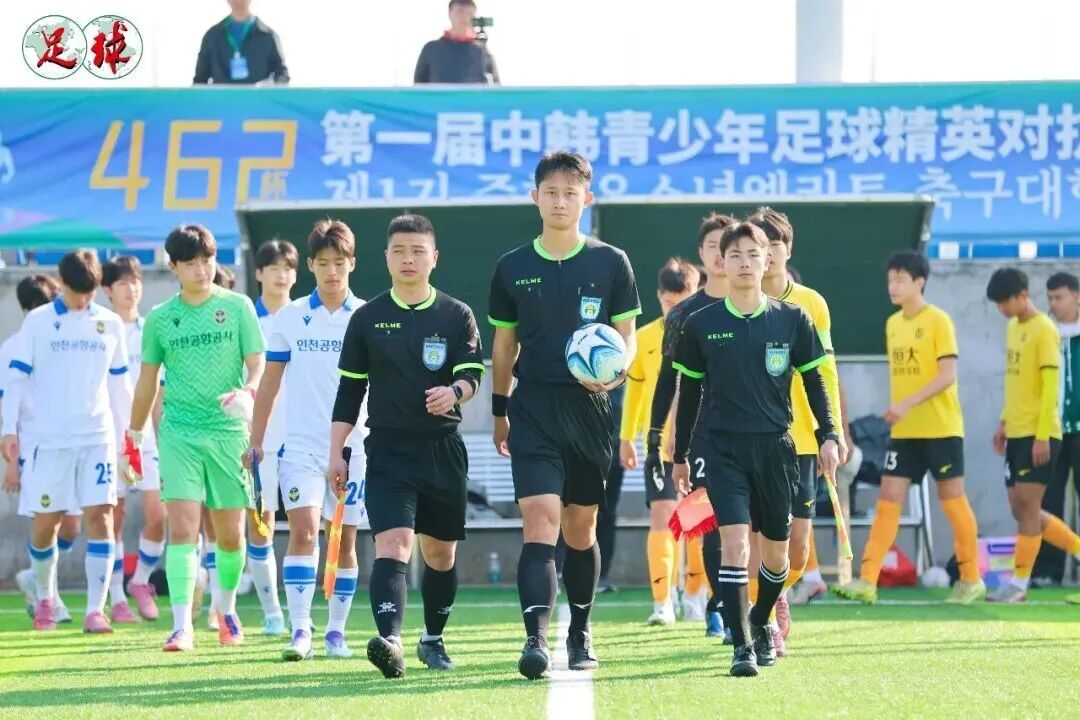
The biggest highlight of this year’s winter training is the increasing number of international exchange matches. From January 10 to 20, supported by the China Football Development Foundation and jointly hosted by our newspaper and Dingnan County government, the China-Korea Youth Football Elite Competition featured 32 matches between Chinese and Korean teams, plus 3 warm-up friendlies. The competition included top domestic professional club youth teams such as Evergrande Football School, San Zhen, Zhejiang, Haigang, Rongcheng, and Mingtou, as well as some provincial and municipal youth training center teams. Korean teams included professional club squads from Incheon United, Seongnam FC, Yongin FC, and the Hwaseong local football association team.
Currently ongoing, the "Jianlibao Cup" invites teams from South Korea, Thailand, Indonesia, Vietnam, Kazakhstan, and Chinese youth teams to compete.
Looking ahead, starting in 2026, winter training for Chinese football—including both professional and youth levels—will be held to increasingly higher standards with improved support systems. High-quality international matches will also become more frequent. Chinese football needs winter training to enhance basic technical and tactical skills and physical fitness (including stamina and strength), while more frequent and higher-quality international exchanges will accelerate the convergence of Chinese youth football’s tactical level with the global mainstream trend of strong, fast-paced competition.
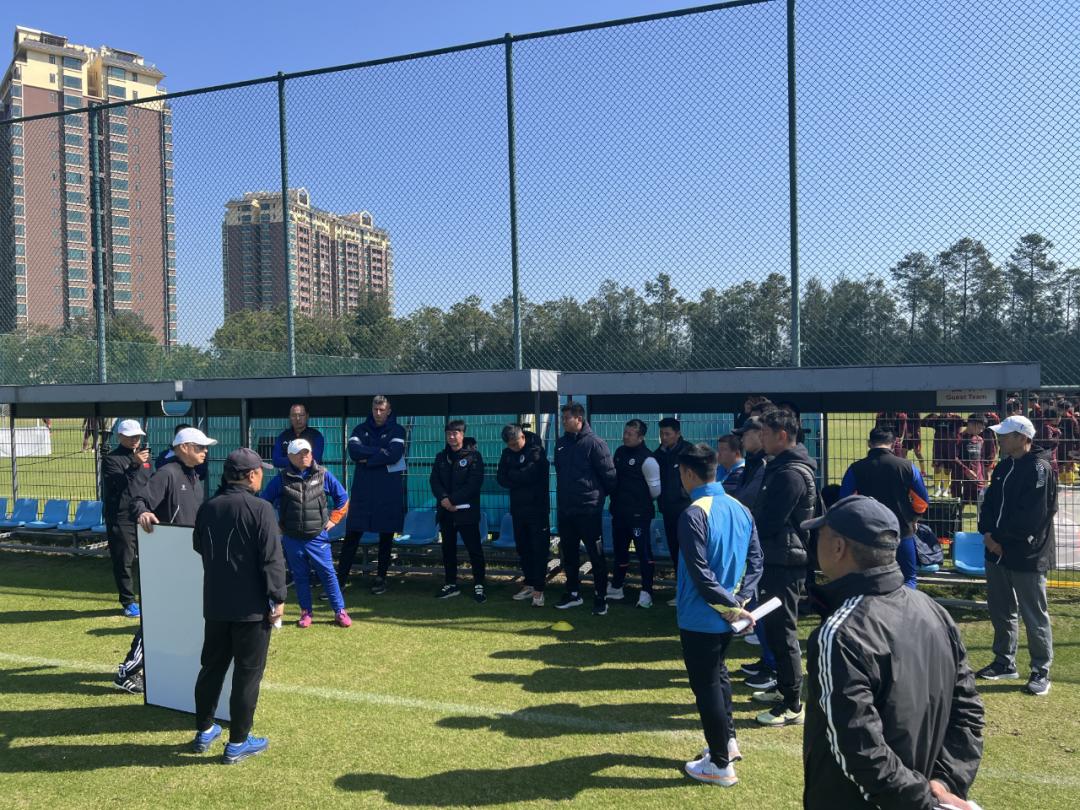

Another major advantage of the CFA-organized winter training is the involvement of the Sports Administration’s scientific research testing team, which conducted assessments at the beginning and end of the training. These included body composition, 30m sprint, arrow run, vertical jump, and YOYO tests, providing a comprehensive baseline for the technical and physical qualities of Chinese youth football players born in 2009, 2011, and 2013. The data showed most players improved in several indicators, but the overall situation remains concerning.
Technical skill tests included juggling with twelve body parts (sets), figure-eight dynamic juggling (scores), dribbling (time), and shooting. In the twelve-part juggling test, taking the best of two attempts as the benchmark, among 251 tested players, 143 (56.97%) failed to complete one full set. If only one attempt was counted, this failure rate would significantly increase.
Additionally, 79 players completed one full set, only 29 completed more than one set, and just 4 players completed six or more sets: Bai Chengheng from Taishan U13 completed 20 sets; Cui Enzhe and Liu Mingcan completed 15 sets; Han Chenxi from Shenzhen 2028 Li Songmeng U13 completed 14 sets; and Liu Jingyi from Taishan U13 completed 10 sets.
At the team level, among the 11 teams tested, 9 had failure rates above 50%, and 2 teams had failure rates exceeding 80%. Taishan U13 performed best, with an excellence rate (2 sets or more) of 36%, and Taishan U14 had the lowest failure rate at 19.05%.
The dribbling test results are also worrying. Only Taishan U13 (36% excellence, 8% failure), Taishan U14 (33% excellence, 10% failure), Taishan U15 (25% excellence, 35% failure), and Changsha Lushan International (24% excellence, 29% failure) had excellence rates above 20%.
In the shooting test, apart from Taishan U15’s 30% excellence rate and Taishan U17’s 24%, the other nine teams did not exceed 20% excellence.
Regarding physical fitness tests, the average number of pull-ups was only 4.474, with many players unable to complete even one, or only managing one or two.
The YOYO test results for younger age groups were relatively good. For example, the excellent standard for 13-year-olds is 1480 meters, with Taishan U13 averaging 1898.462 meters; for 14-year-olds, the standard is 1640 meters, and Taishan U14 averaged 2175.556 meters.
Older age groups showed average fitness levels. The excellent standard for 15-year-olds is 2050 meters; although Taishan U15 had the highest average at 2044.444 meters, it still fell short. Some teams averaged as low as 1310.909 meters. For 17-year-olds, the excellent standard is 870 meters (using another testing mode); Taishan U17 had the highest average but still lagged at 778.333 meters.
Overall, the results of basic technical skills and physical fitness tests are not encouraging. Comparatively, younger age groups performed better: the 2013 cohort outperformed the 2011 group, which in turn exceeded the 2009 group. These results highlight the importance of winter training. Furthermore, daily training volume, intensity, and methods across teams need improvement. For technical advancement, beyond regular training, specialized sessions and players’ proactive extra practice are essential.


Wonderfulshortvideo
Things you really love to see


Neymar highlights neymar edit neymar lamine yamal celebration
Arsenal 1-0 chelsea havertz goal
Ahead of his 100th cap, Sir Keir Starmer had this message for Maro Itoje…
yamal goal yamal instagram yamal dribble barcelona 2-1 albacete yamal highlights yamal edit
casemiro goal casemiro assist casemiro 6 7 celebration
"Can I just start off by saying I want to congratulate Maro on 100 tests... He's a great bloke and a great player."
 Links
Links
 Contact
Address:UNIT 1804 SOUTH BANK TOWER, 55 UPPER GROUND,LONDON ENGLAND SE1 9E
Number:+85259695367
E-mali:[email protected]
 App
App


