



More than just a jersey, it’s a fashion luxury item — football giants transforming into cross-cultural brands



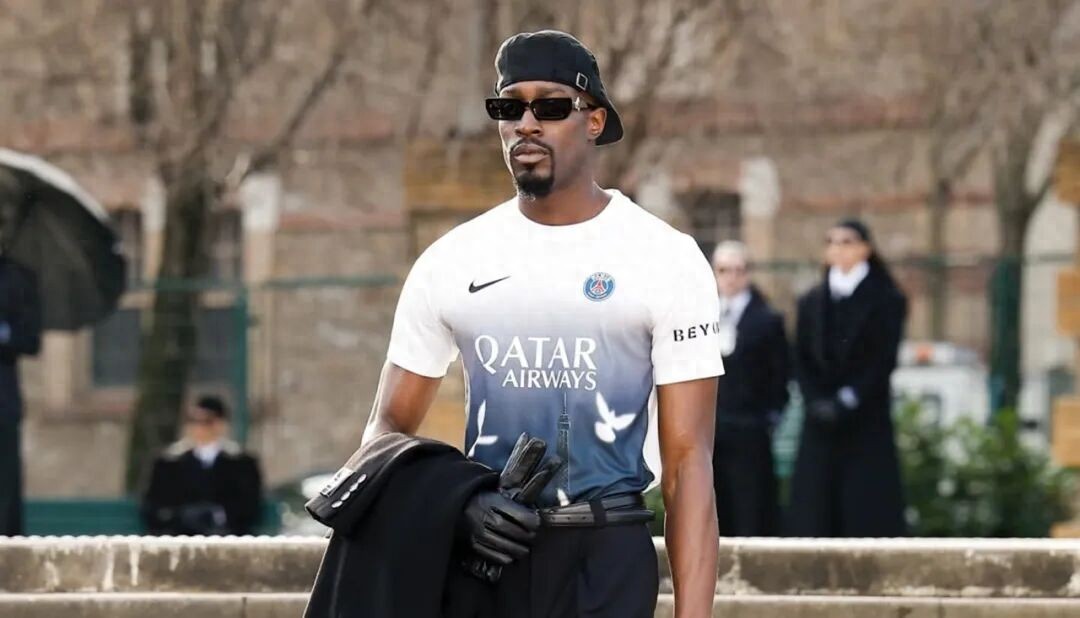
Written by Han Bing For much of modern football history, the jersey was revered and minimalist, silently representing one’s “faith and belonging.” Nowadays, it goes beyond being just an affordable symbol of fan loyalty — it embodies traditional cultural significance and has become part of everyday lifestyle; it also holds investment value and acts as a fashion declaration of personality. Jerseys are increasingly becoming a key metric influencing a club’s commercial ranking.
Football clubs no longer simply “sell” identity through jerseys; they carefully craft this identity via capsule collections of classics, limited editions, runway-level launches, and pop-up collaborations with top global streetwear and luxury brands, embedding jerseys into the most coveted fashion landscapes. PSG, Arsenal, Real Madrid, Manchester United, and even niche clubs like St. Pauli, Venezia, and Paris FC have evolved beyond football teams into cross-cultural brands.
The close relationship between football giants and fashion culture began in 2018 with PSG’s collaboration with Jordan. This partnership marked the full integration of a football club’s brand IP into streetwear culture, becoming one of the most influential sports-fashion crossovers in the past decade. PSG jerseys appeared in Jordan sneaker stores and pop-ups, debuting alongside Jordan’s new seasonal apparel at Paris Fashion Week. The pricey capsule collections sold out quickly, repositioning the club not just as a Ligue 1 team but as a global fashion and trend brand, with football as a sub-division.
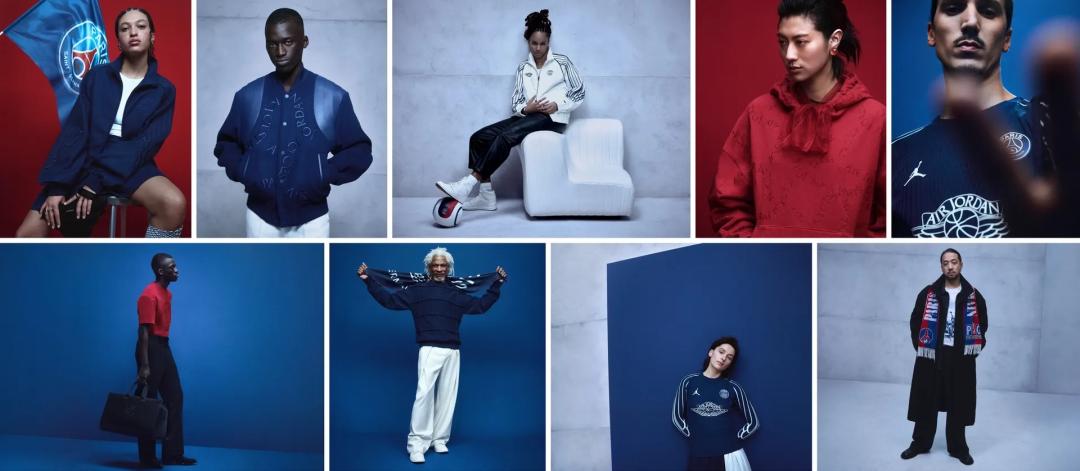
PSG successfully entered domains previously untouched by football: fashion media, sneaker forums, and secondary markets. In January 2025, PSG hosted a Jordan Wings pop-up during Paris Fashion Week, pricing products at luxury levels — one piece retailed for €7,500. This was a fashion statement aimed at collectors rather than fans, showing that with proper positioning, football brands can enter the luxury market. On January 21, 2026, PSG unveiled a jersey co-branded with fashion label 3.Paradis at Paris Fashion Week, celebrating the inaugural Basel Qatar Art Fair.
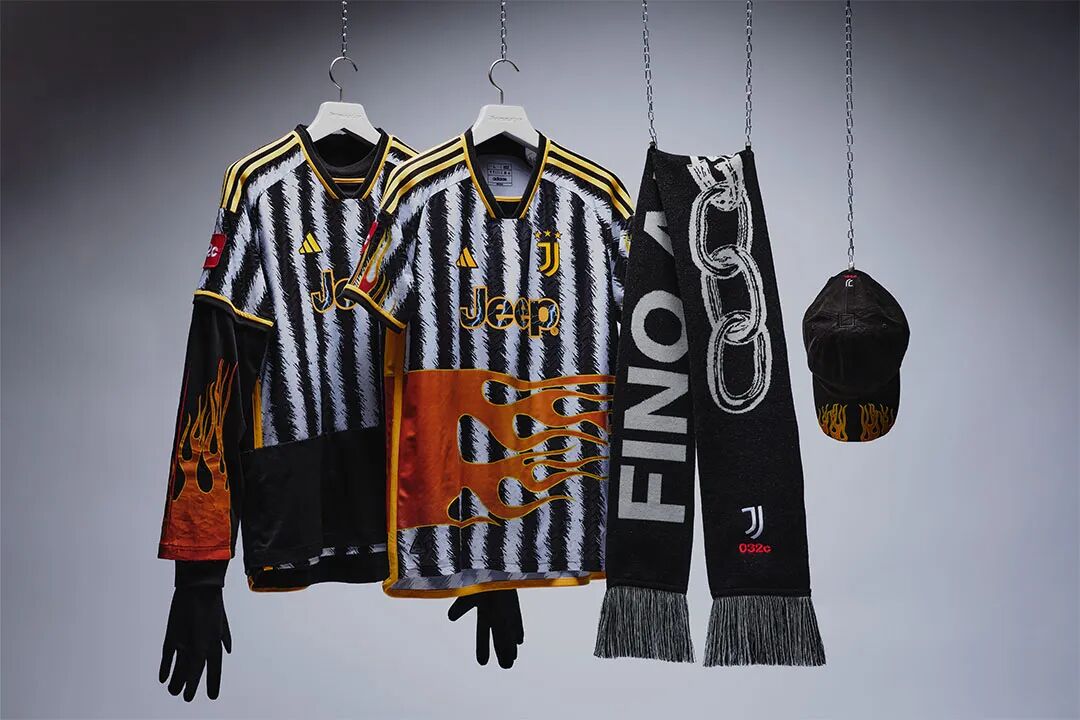
Adidas facilitated Juventus’ collaboration with UK streetwear brand PALACE, successfully blending the Zebra team with skate and street culture. Further partnerships with brands like 032c pushed Juventus deeper into the art and fashion scene.
Manchester United’s Originals and Archival capsule collections focus on nostalgia, targeting boutique retailers and fashion-forward consumers. Arsenal partnered with designer labels Labrum and Aries to host runway shows at the Emirates Stadium, positioning the Gunners as the “thinkers” club in fashion. Liverpool’s Curated Lifestyle line and Manchester United’s Stone Roses capsule demonstrate that in today’s fashion economy, “attention” equals cash flow, and football clubs have mastered generating fashion buzz.
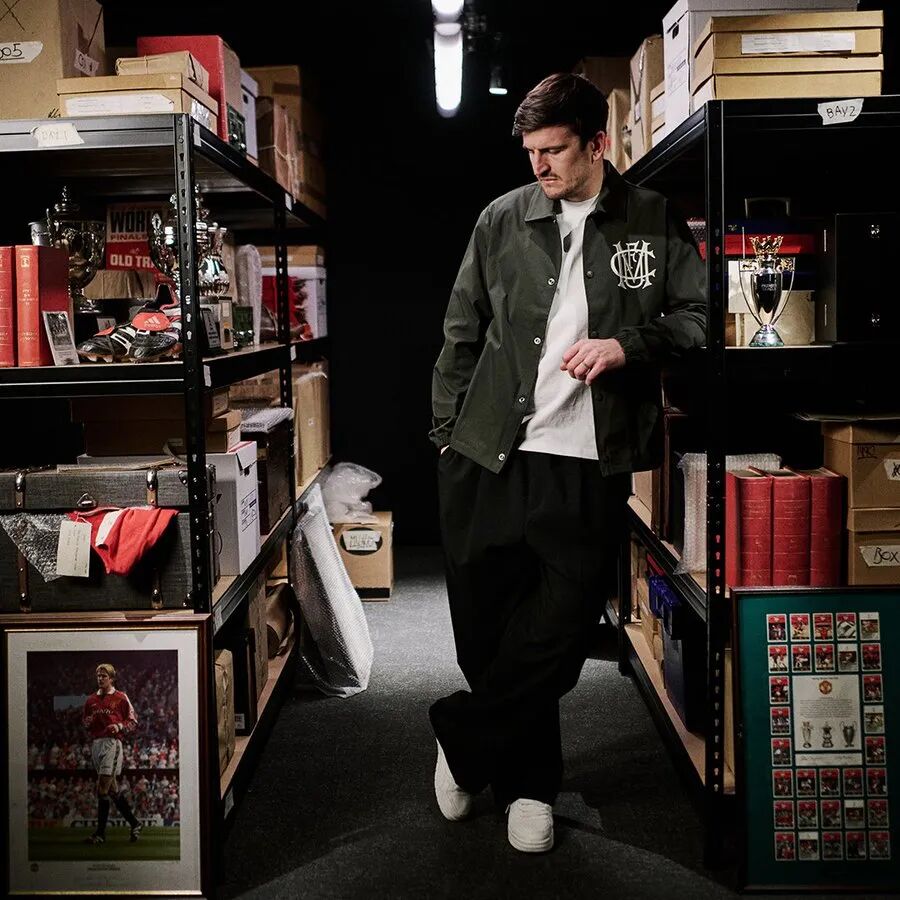
It’s easy to dismiss football-fashion collaborations as vanity projects, but that’s not the case. Football clubs’ full entry into fashion and streetwear is a strategic business move. It opens new markets and attracts buyers beyond fans, expanding the customer base to fashion consumers; it also allows for high-end pricing and profits, as ordinary replica jerseys generate volume, while limited-edition capsules deliver margins, overcoming the decline of traditional football merchandise retail.
Crossovers between football clubs and fashion, streetwear, and luxury brands have earned clubs greater media and social platform exposure. Fashion editors, influencers, and resale platforms extend each product’s sales cycle. Increasingly “fashionable” stars attending events and shooting ads exponentially boost club culture influence. This creates a growth loop: collaborations yield high-end product sales, whose profits fund further partnerships.
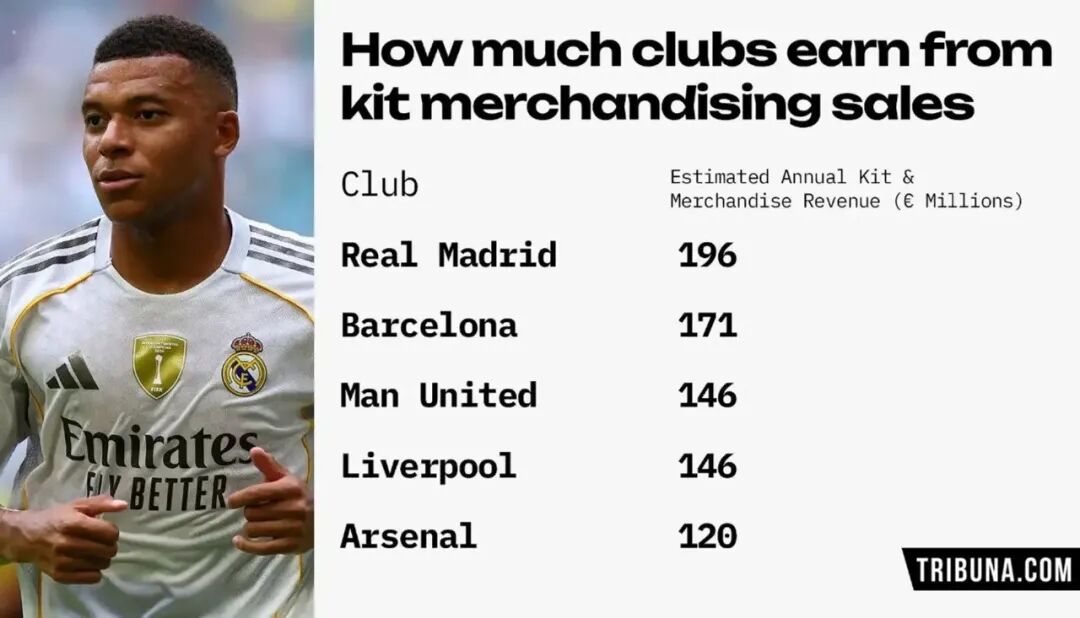
Real Madrid’s merchandise revenue has reached €196 million, accounting for one-sixth of the club’s total seasonal income. Barcelona follows with €171 million, Manchester United and Liverpool around €150 million, and Arsenal, thanks to decisive transformation, hitting €120 million. Jersey and merchandise income have become one of the clearest indicators of a football club’s global cultural influence, with sales reflecting their integration into fashion and streetwear.
Football giants’ merchandise shows distinct consumer tiers: fan editions and player versions differ little, while brand collaborations, capsule collections, and other lines are priced several magnitudes higher. PSG’s Jordan Wings series, priced at €7,500, reaches luxury entry-level status, comparable to high-end jewelry and limited-edition haute couture. These products aren’t designed for mass consumption but to reposition the brand.
Drawing from fashion, streetwear, and luxury cultures, limited releases create urgency, resale value, and status. The advantages are clear: higher profit margins, global attention, and diversified income streams.
By offering both affordable base models for ordinary fans and premium lines for fashion enthusiasts, clubs can balance traditional fan community culture with high-end crossover marketing identity conflicts. Football culture’s original traditions remain, but it will continue evolving to be more stylish and trend-driven. Jerseys no longer merely serve as affordable symbols of fan “loyalty”; they exist for photos, collecting, trading, and commemoration. This is modern football in the social media era, where the boundaries between football, fashion, and trends will increasingly blend.


Wonderfulshortvideo
Things you really love to see


Neymar highlights neymar edit neymar lamine yamal celebration
Arsenal 1-0 chelsea havertz goal
Ahead of his 100th cap, Sir Keir Starmer had this message for Maro Itoje…
yamal goal yamal instagram yamal dribble barcelona 2-1 albacete yamal highlights yamal edit
casemiro goal casemiro assist casemiro 6 7 celebration
"Can I just start off by saying I want to congratulate Maro on 100 tests... He's a great bloke and a great player."
 Links
Links
 Contact
Address:UNIT 1804 SOUTH BANK TOWER, 55 UPPER GROUND,LONDON ENGLAND SE1 9E
Number:+85259695367
E-mali:[email protected]
 App
App


