



Li Zhenquan: Enjoying the applause and flowers, but also must withstand criticism and doubts



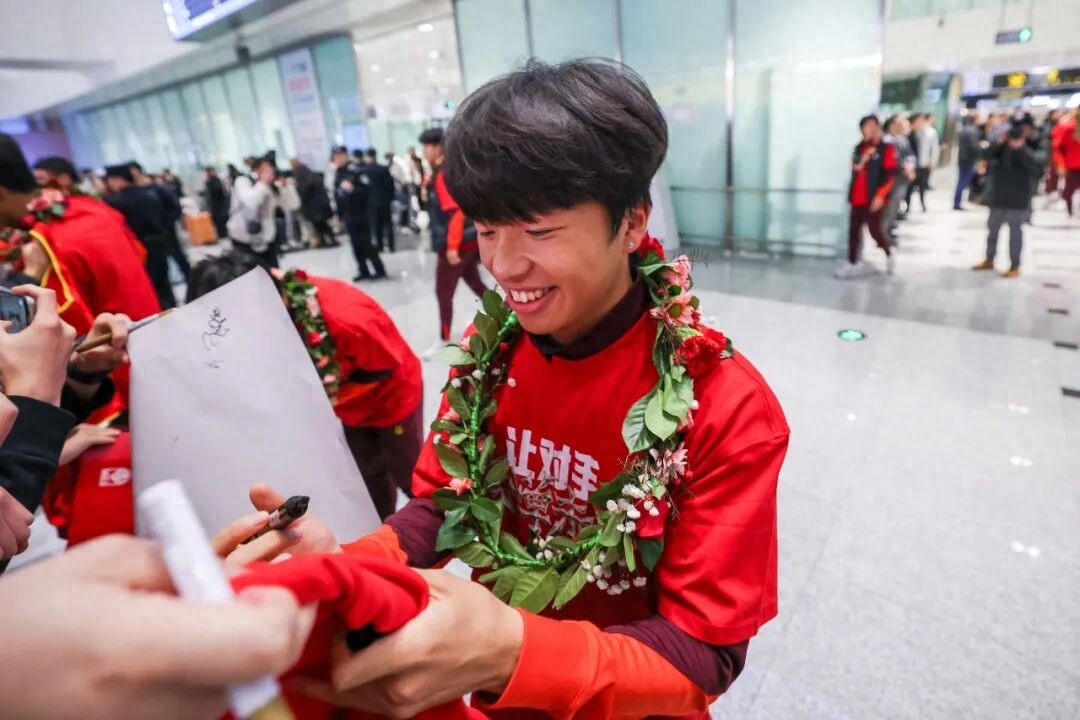
Reporter Lu Mi reports Starting from the China Champions League, going through China League Two and China League One, Li Zhenquan is about to undergo the "quality test" of the Chinese Super League with Chongqing Tongliang Long. Prior to that, he helped the U23 national team secure second place in the U23 Asian Cup, setting a strong tone for Chinese football in 2026 with enthusiasm and determination.
As a native of Chongqing, Li Zhenquan carries a deep love and responsibility for his hometown’s football. With an indomitable spirit, he has climbed step by step to higher stages. Facing his first professional Chinese Super League season next month, Li says he is ready competitively and hopes to firmly establish himself in the Super League, then step into his dream national team.
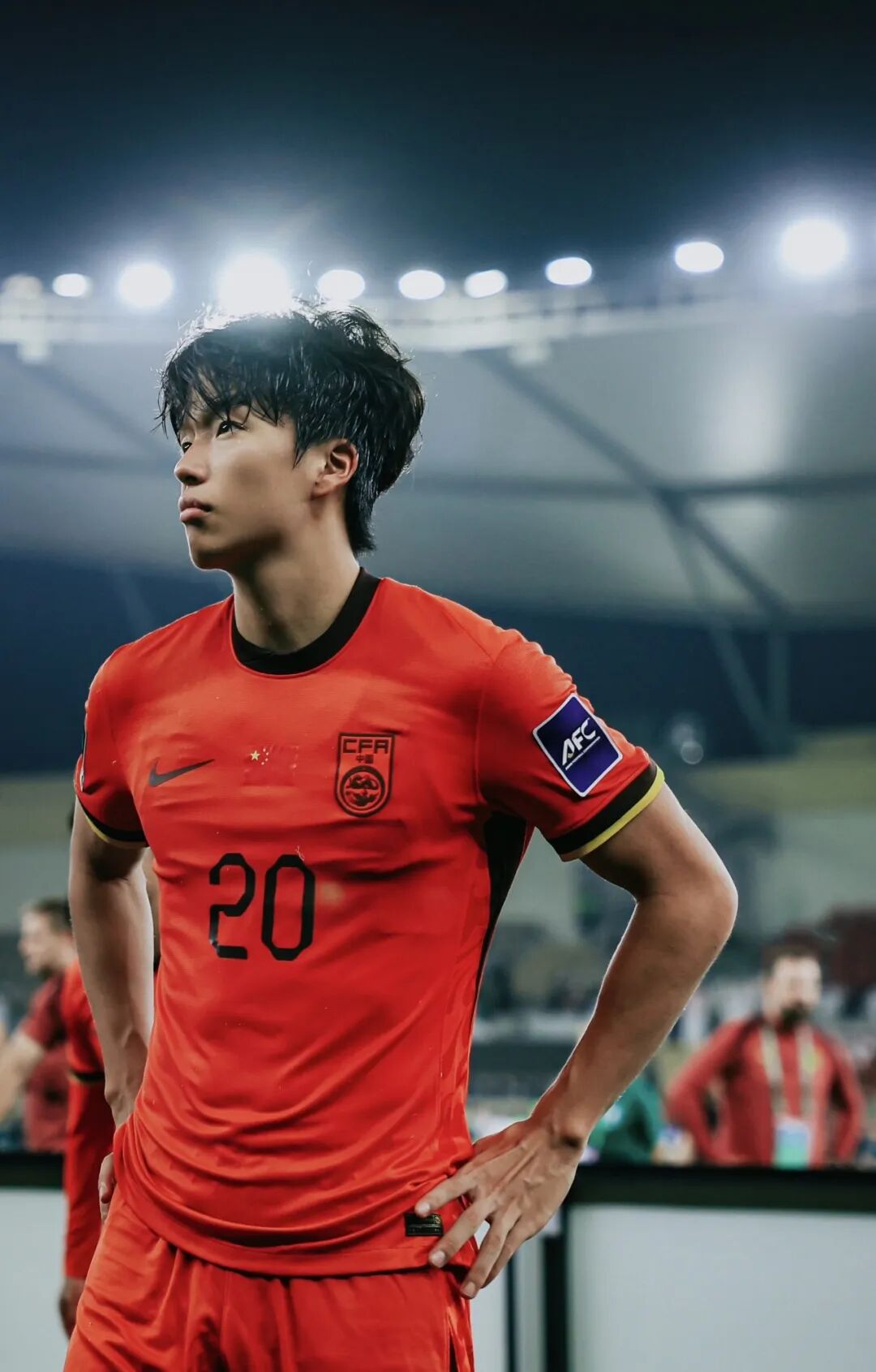

◆“Football”: The recently concluded U23 Asian Cup saw your team achieve runner-up, the best historical result for China’s U23 team in this competition, creating a historic moment for Chinese football. Looking back at the tournament, what moment impressed you the most?
Li Zhenquan: The most unforgettable feeling was the adrenaline rush after every match. This journey was quite long, from training in Zhaoqing, Guangdong, to the UAE, then Riyadh, Jeddah, and Dammam in Saudi Arabia. It was not easy all the way.
◆At the start of training, did you ever think you would reach the final of the tournament?
At the beginning, I really didn’t expect to make it that far. When we trained in Guangdong a month before the competition, we didn’t think much; the focus was on physical conditioning and team cohesion. Everyone knew the past performances of national youth teams in Asia and understood our team’s level. Having faced strong Asian teams before, we clearly recognized the opponents and match difficulties, so we weren’t confused or pressured by historical results.
◆After losing to Japan in the final, you said you "hated not being strong enough." What exactly did that feeling of helplessness feel like? When playing against Asia’s top teams in the final, what was the most obvious gap you noticed?
Actually, I still wanted to do many things, but that sense of helplessness wasn’t something you could overcome just by running more or trying harder. The reality gap is huge. To close it and freely apply skills in matches, a long way lies ahead. The most direct feeling was that their style of football seemed different from ours — their attacking and defending rhythm, physical confrontations, and using techniques and body effectively in different situations were very strong. For example, we marked them closely, and they studied us well, but once on the field, they pressed us so hard it was hard to breathe. Plus, we conceded early, which brought huge pressure overall.
◆You played every match in the tournament, and the intense schedule was a huge test of stamina and mentality. Was there any game after which you felt your body or mind had reached its limit?
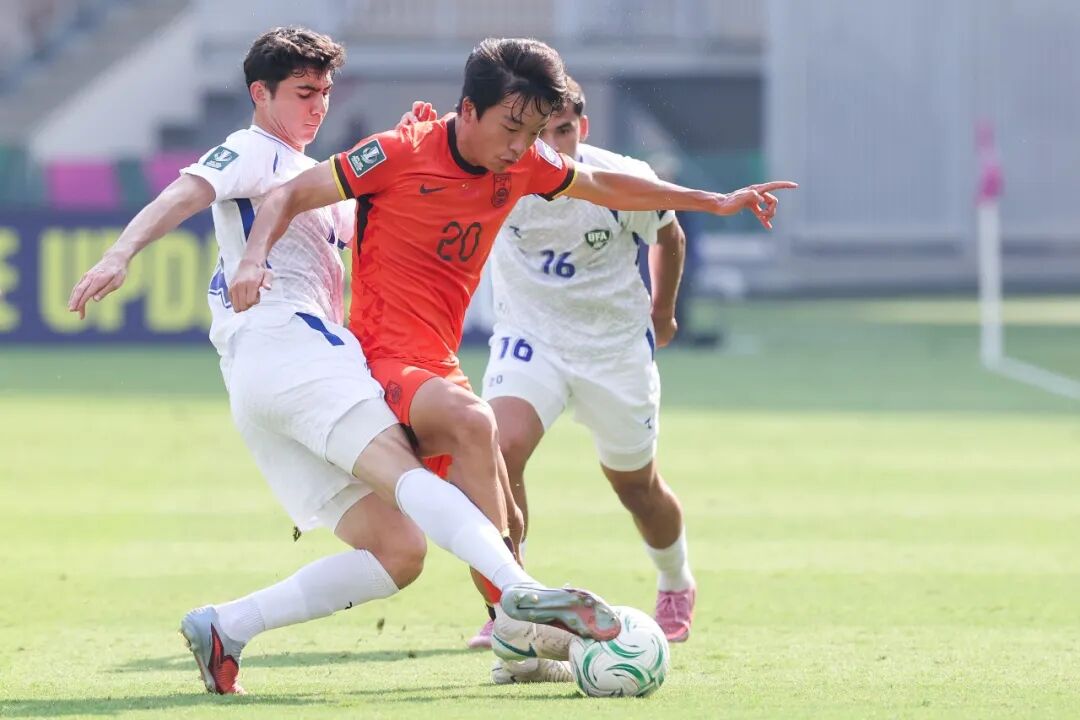
The game against Uzbekistan left a strong impression! It was very hot in the afternoon. We defended almost the entire first half, mostly playing in an anaerobic state. The 5-3-2 formation required our two midfielders to cover a large area, consuming a lot of energy. I felt my body was at its limit, but when I glanced at the scoreboard, only about 15 to 20 minutes had passed, yet it felt like much longer. Thinking back, it’s quite emotional.
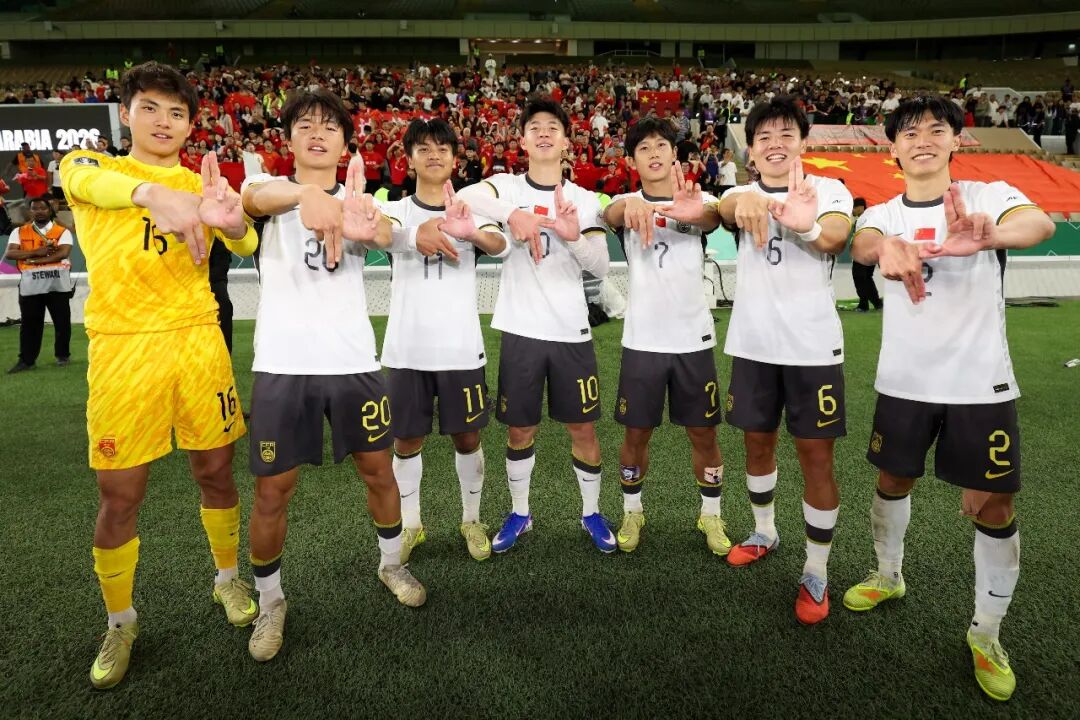
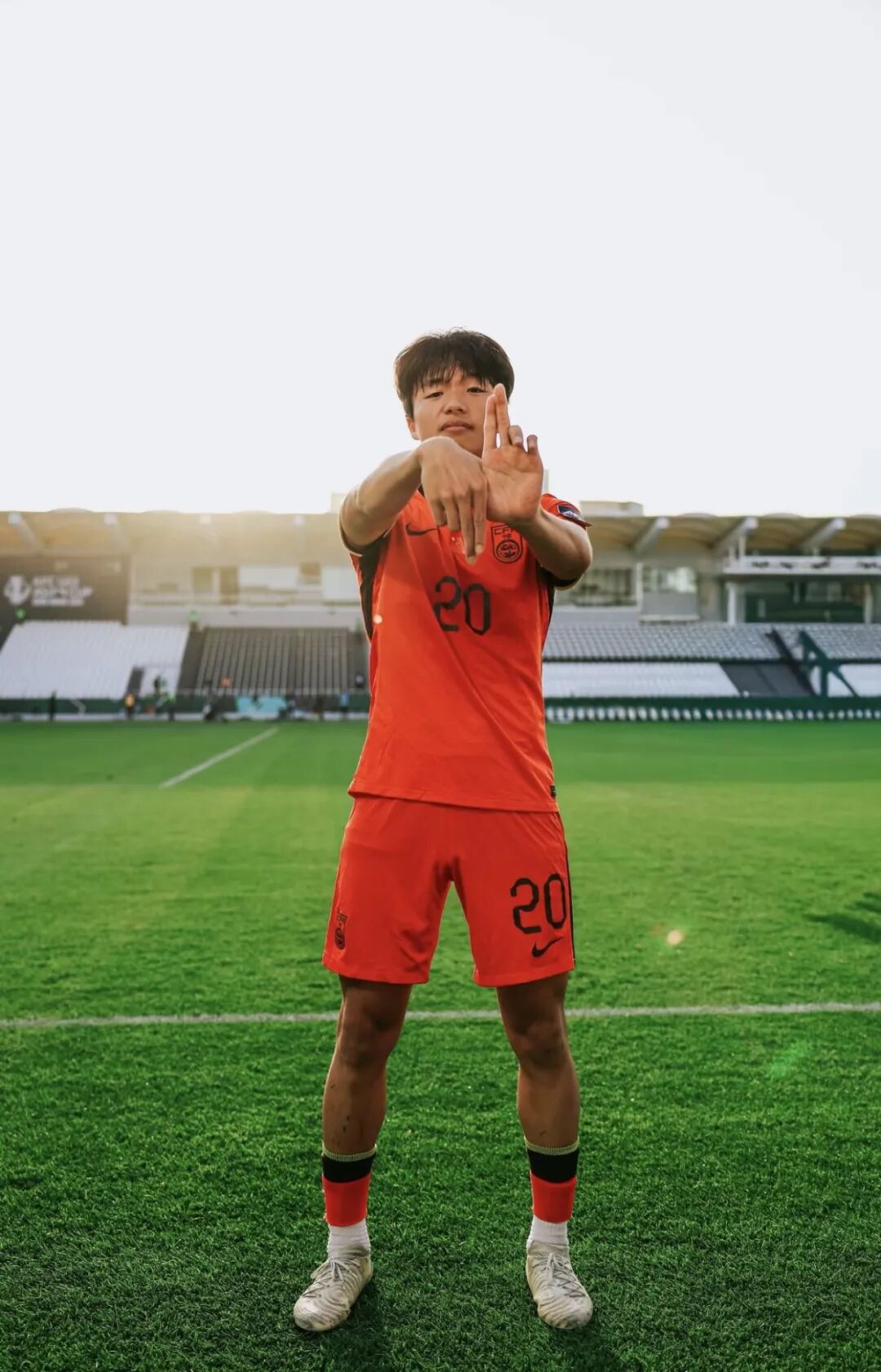
◆The team’s “underdog” celebration gesture went viral. Who initiated it for the whole team? What confidence and fighting spirit does this gesture represent for your U23 players?
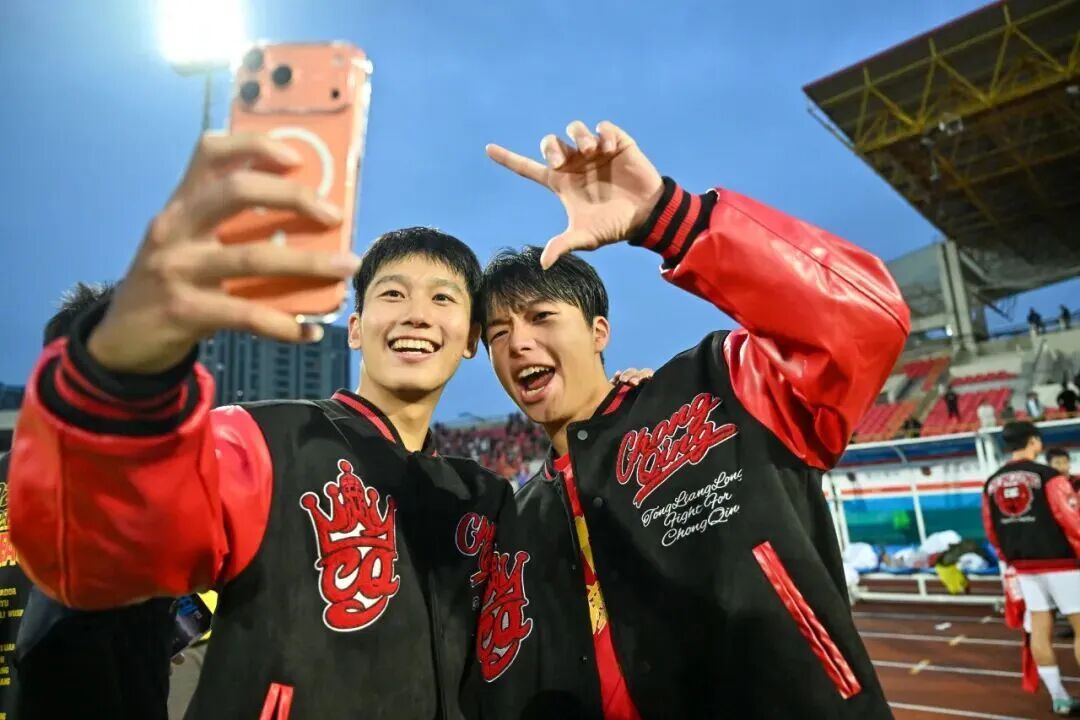
It was a pre-match agreement. I told Lao Kuai and Yudong we’d take a group photo after the match, but unexpectedly many people gathered around, so it became a big group photo. Everyone made this gesture together. The meaning behind it represents a spirit of never giving up and daring to fight hard.
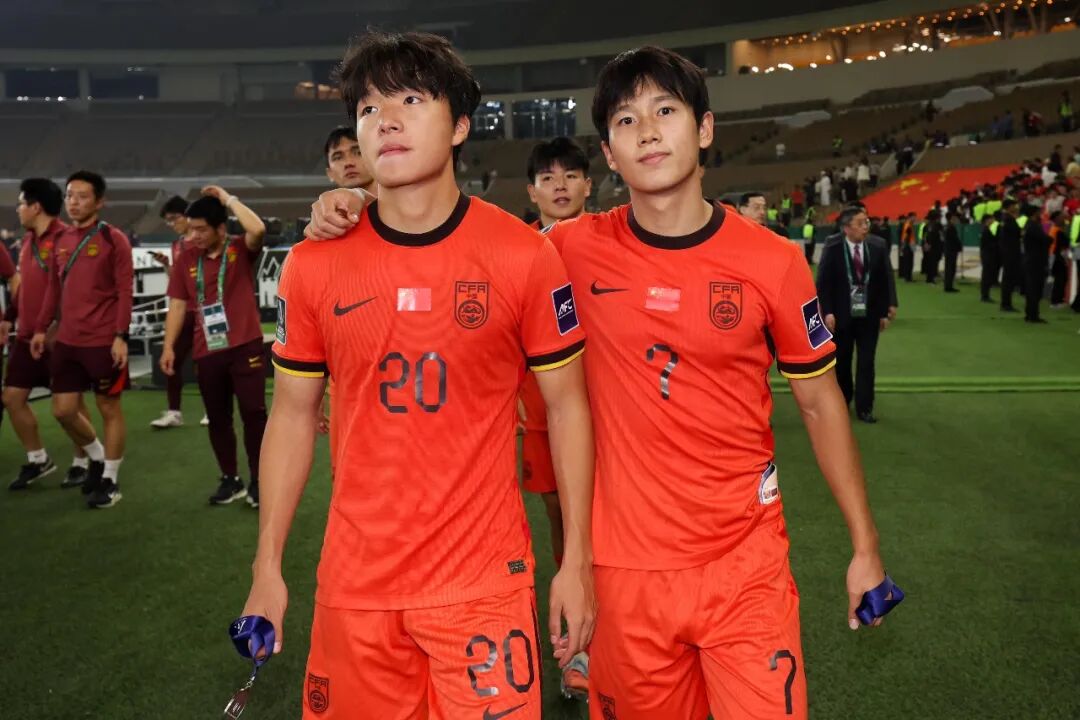
◆You and your childhood friend Xiang Yuwang were both selected for the U23 national team and competed together in the U23 Asian Cup. How has your 12-year friendship and understanding helped during national team matches?
We’ve played together for 12 years, and no one else in the team has partnered as long as us, so our on-field chemistry is very strong. His runs and my passes connect with just a glance. I’m two days older than him, and our families are close. When he returned from the national team and went through a rough patch after missing a penalty in the league, others told me to comfort him. I said a few words, but as a professional player, many hurdles must be overcome personally; too much talk can add pressure. Later, he scored and regained his form immediately.
◆You seem to have a clear understanding of this profession.
Every player has lows, and I’ve had times when I played poorly or felt lost. No matter how much family comforts me, it doesn’t really help; I have to adjust myself. No amount of words works. If I perform well or score a beautiful goal in later matches, then my form truly returns.
◆This Asian Cup journey, whether the joy of victory or the lessons from the final loss, what insights or help do they bring to your upcoming club battles in the Super League and your personal growth?
I don’t think it’s realistic to expect quick improvement from just a few matches. Only by maintaining this level of competition and pace throughout the year can clear progress be made. This Asian Cup trip brought more mental gains and growth. After experiencing such an intense schedule, returning to the Super League, I believe I will be calmer mentally, no longer as nervous or constrained as before, able to face various situations in matches more composedly. This psychological improvement is especially important to me.

◆“Football”: Last November, Tongliang Long succeeded in promotion. You shouted to the camera “Super League, Chongqing is back,” and even cried unusually. What was the first thought that flashed through your mind at that moment?
Li Zhenquan: At that moment, I felt we finally made it; it wasn’t easy at all. Two years ago, we had a big advantage but unfortunately missed promotion. Many teammates who fought alongside me gradually left. Last year, Guangzhou Leopards kept pressing hard, and the pressure was tremendous, to the point I didn’t dare to imagine playing in League One if we failed. When the last match was tight, I heard Shanghai fans cheering that Guangzhou Leopards were leading. I couldn’t stay calm; at the final moment, we could only give our all. When the final whistle blew and fans cheered, I suddenly realized we had done it. I was both excited and dazed, memories of the journey flooding my mind, mixed feelings, and yet it all felt surreal.
◆Chongqing football has been in decline for years, and you started from the Champions League to return to the Super League. As a native Chongqing footballer, what do you think is the core strength behind this grassroots team’s comeback?
I believe the core lies in the club’s unity and stability, steady investment without rushing, and having many local Chongqing players on the team. I was born and raised in Chongqing; my mother often took me to watch Lifan matches at the Olympic Sports Center when I was young. I felt it was a great honor to play for my hometown and hoped to achieve it one day. Now the opportunity has come, and we are determined to fight hard for Chongqing football’s return to the Super League. This determination is the core strength.
◆You witnessed your hometown football’s ups and downs since childhood. Now representing your hometown club in the Super League, does the responsibility of “fighting for Chongqing” bring you extra pressure or motivation?
Not much pressure. Playing for hometown Chongqing means something special to every Chongqing player. Most have a strong passion to serve their hometown, and the fighting spirit for “Chongqing” is especially intense.
◆After promotion, many Chongqing fans cheered and felt proud of you all. Everyone looks forward to Chongqing football shining again in the Super League. What would you like to say to the fans who have always supported you and Chongqing football?
First, I sincerely thank the fans for their continuous support. Not only at home games but also away, we always hear Chongqing fans cheering. We have no blood relation with fans, but we are connected by shared love and responsibility for football and the Chongqing team. Whether traveling to faraway away matches like Yanbian or when I’m playing for the national team, passionate fans come from afar to support us. Seeing them always touches me deeply and warms my heart.
◆This year is your first professional season in the Super League. Compared with your previous experiences in League Two, League One, and the U23 Asian Cup, how do you see the differences in match intensity and opponent strength? Are you prepared accordingly?
Mentally, I’m fully prepared and have clear expectations. Through this winter transfer period, I can feel that this year’s Super League clubs are investing more, and overall competitiveness will be stronger than last year. I will quickly adjust my physical condition and integrate into the team. The club has a new head coach and many new teammates, so I must adapt quickly to the new tactical system.
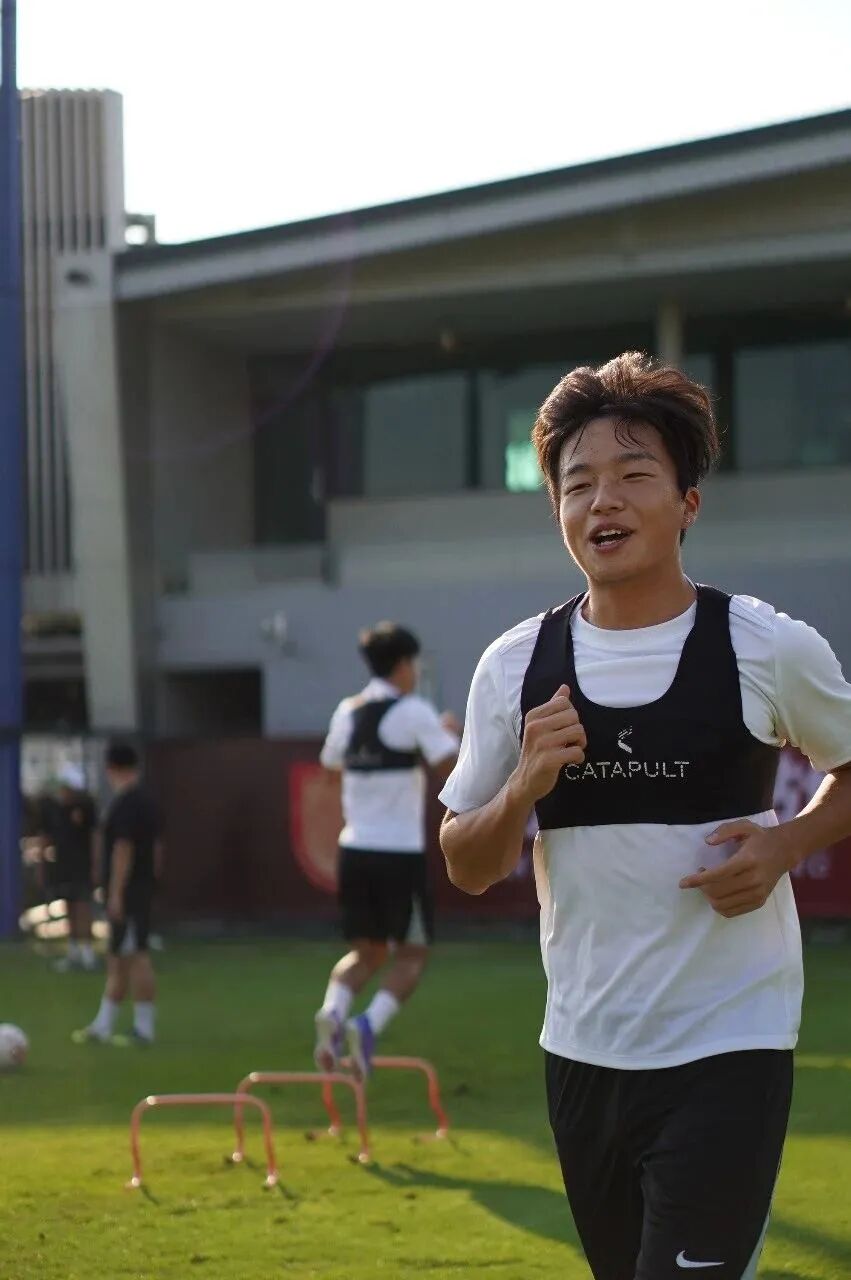
◆After returning from the U23 national team, you joined team training. How are you adapting to the new coaching staff and tactical system?
I haven’t trained with the team for long, but adaptation is going well. I knew Coach Liu Jianye’s coaching ability last year; he led the team to some brilliant matches. I was especially impressed by the game against Dingnan Ganlian. That match showed his coaching ideas. Coach Liu is very attentive; he created a group chat during our national team time, often sharing friendly match and training videos to explain tactics and communicated with me about club matters. He also reminded us to focus first on national team matches. These helped me quickly connect after returning. I believe under his tactical guidance, the team will be competitive in the Super League. As for specific goals this season, I’m not thinking too much now; I’ll focus on doing my best and concentrating on each match.
◆As the team’s midfield core, how does Liu Jianye position you? What personal goals have you set for your first Super League season?
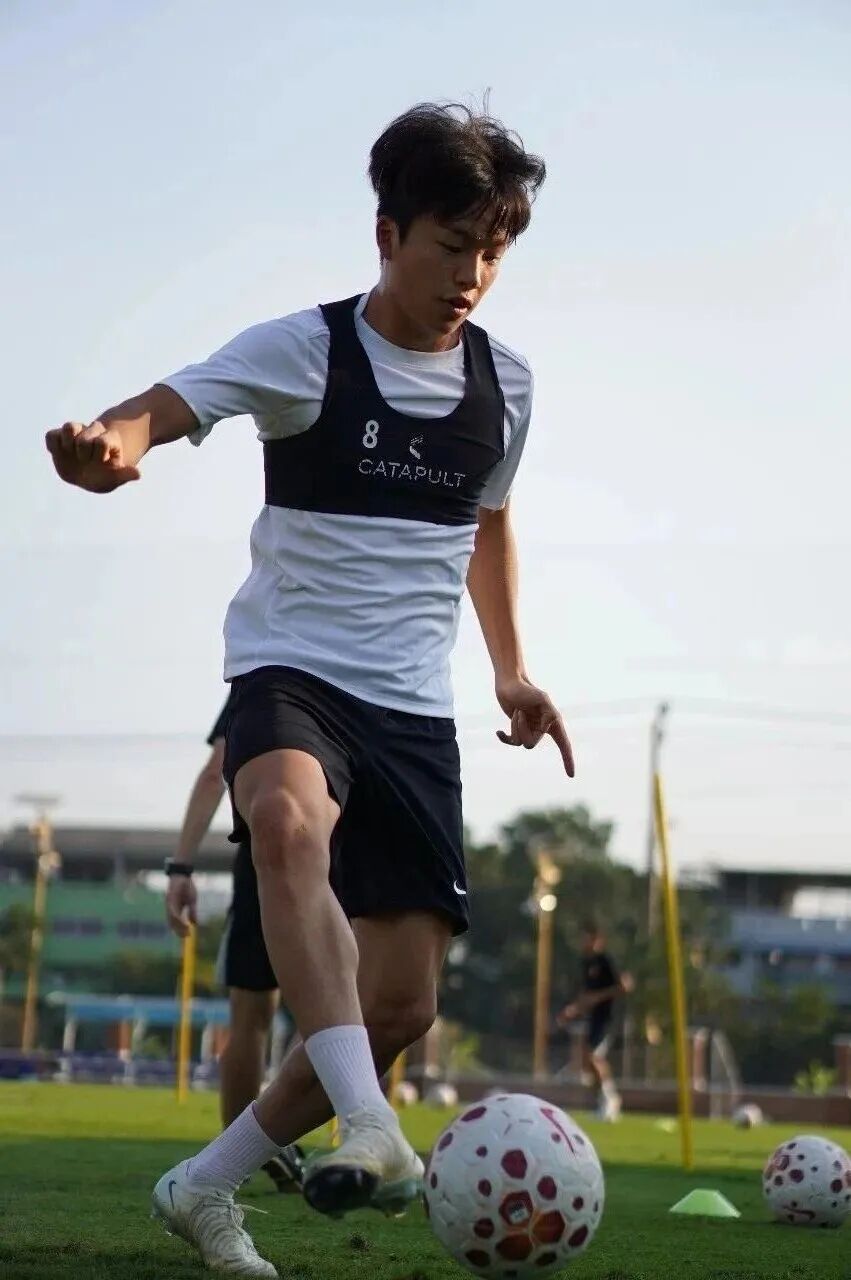
If I had to define my role, it’s basically the number 8 position. In this role, I just need to do my best, play to my strengths, and perform well in every game. Coach Liu told me not to focus on quantifiable targets like goals or assists; doing what I’m supposed to do well will naturally lead to results.
◆What are you most looking forward to when you first step onto the Super League pitch?
I most look forward to establishing myself firmly on the Super League stage and quickly proving my ability. Playing in the Super League has been my childhood dream, and I hope to be noticed by the national team through my performance and contributions on the field.

◆“Football”: You were often doubted in childhood because of your thin build. Did you ever consider giving up football amid the criticism? What has driven you to keep moving forward?
Li Zhenquan: At that time, people really doubted my thin body and said I couldn’t play professional football. Some coaches even said I wouldn’t make it. I just bottled up a strong determination to prove everyone wrong. If they said my body was weak, I worked hard to strengthen it. I believed time would answer. From childhood, I’m most grateful to Coach Lin Lin, who always believed in me when others doubted me because of my physique. He thought I was just skinny because my body hadn’t fully developed and always carefully trained me. I remember him telling me: if your body isn’t strong, you must excel technically and mentally. It was his trust and careful guidance that helped me develop a more complete skill set.
◆It seems you have been mentally strong since childhood.
I can’t say whether I’m mentally strong; I just kept doing what I thought was right and persisted in doing the right things.
◆What was your family’s attitude toward your football when you were young?
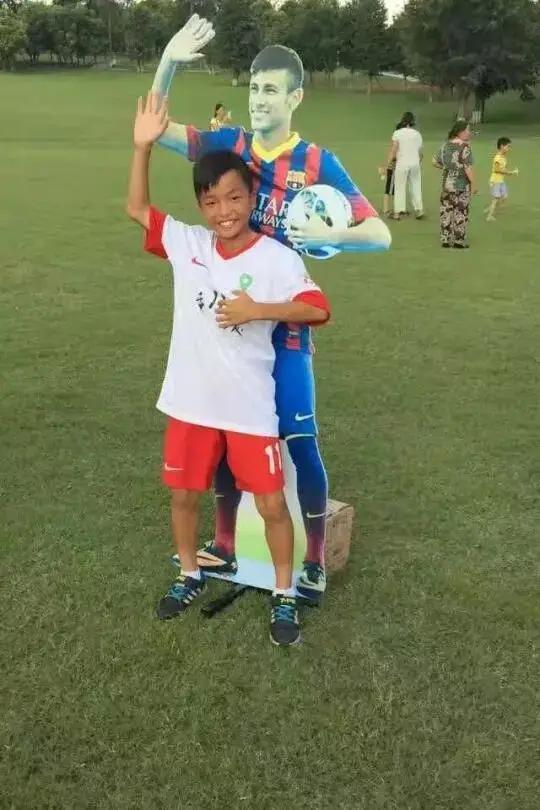
My parents didn’t watch football at all; I was raised by my grandmother. I started playing because I was physically weak as a child, very skinny, and had to visit the hospital two or three times a month for medication or IVs. My family wanted me to strengthen my body. Since every grade at school had a football team, I was selected in first grade. I thought playing football and running more would help improve my health.
◆When they saw you promoted and stand on the U23 Asian Cup stage, how did your family react?
I did well academically as a child, and my parents advised me to quit football and study hard. But football was my chosen path, and I insisted on pursuing it. Now playing in the Super League and standing on the U23 Asian Cup stage, they say my choice was right, and I feel very accomplished. My parents often check my news and public opinions online. When I return home, they chat with me for a long time. They have become like fans, sometimes discussing coaches and matches with me from a fan’s perspective, not just as family of a player. When I’m not in good form, they comfort me and support me emotionally. Our family atmosphere is always good, and we can talk about anything warmly.
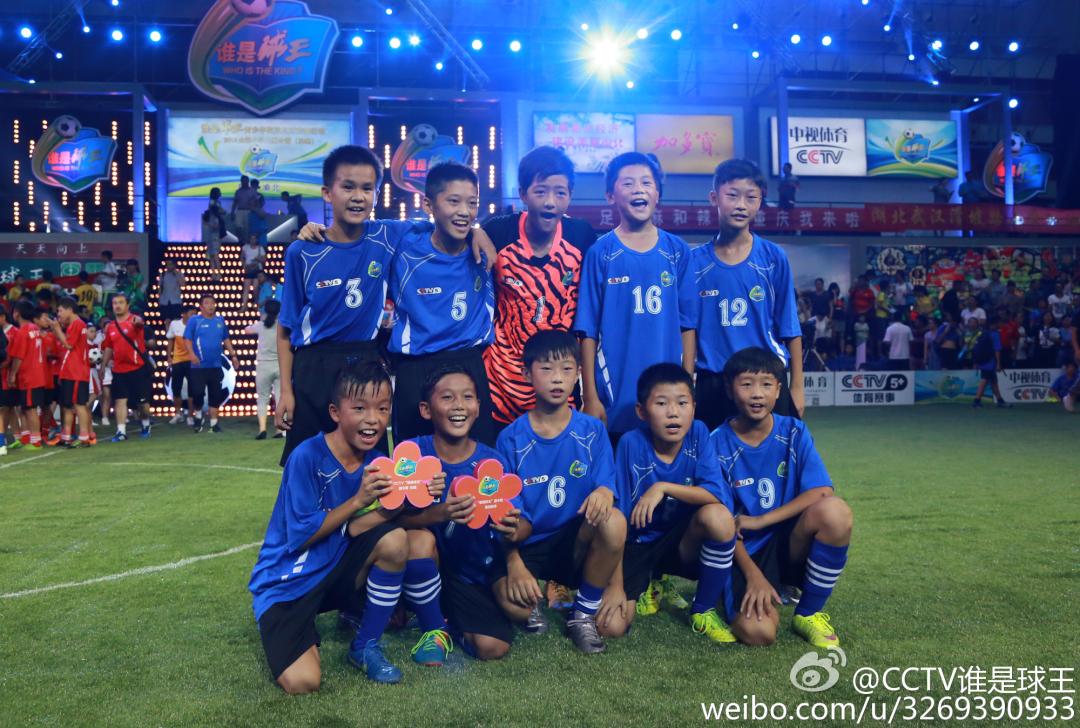
◆As a Chongqing native and one of the team’s core players, how do you see the “local responsibility” reflected in your role?
“Local responsibility” means giving your all, both on and off the field, to unite teammates and bring glory to the city. This embodies the “Chongqing spirit.” Whether in matches or training, we invest fully without holding back. Not only do we do our best personally, but also spread positive energy, inspiring those around us. Our group isn’t young anymore, so we must set an example, both for younger teammates and for Chongqing’s youth players. I want to pass on the “Chongqing spirit” because when my mother took me to the Olympic Sports Center to watch matches as a kid, the players’ fighting spirit and the atmosphere gave me great strength. Now that I’m in this position, I want to pass that passion and hope to today’s children.
◆You have passed the “quality inspection” at every stage from the Champions League, League Two, League One to the Super League. What confidence does this steady growth give you?
I actually prefer the feeling of fighting my way up from the bottom, which is different from those who start in elite youth academies and move straight to the Super League. We climbed step by step through the Champions League, League Two, and League One, experiencing the intensity and level of each league firsthand. This complete journey is a unique and valuable asset for me, and this accumulation gives me the confidence to steadily progress to where I am now.
◆Have you ever thought about playing abroad? And regarding your dream of joining the national team, what determination have you made to achieve these goals?
I have thought about playing abroad, but I want to be practical: first establish myself firmly in the Super League, prove myself, and get into the national team before considering going abroad. I’m not in a hurry. I believe one shouldn’t go abroad just for the sake of it; only when you have sufficient competitiveness and skill should you go, to maximize your value. Otherwise, it won’t really help your growth.
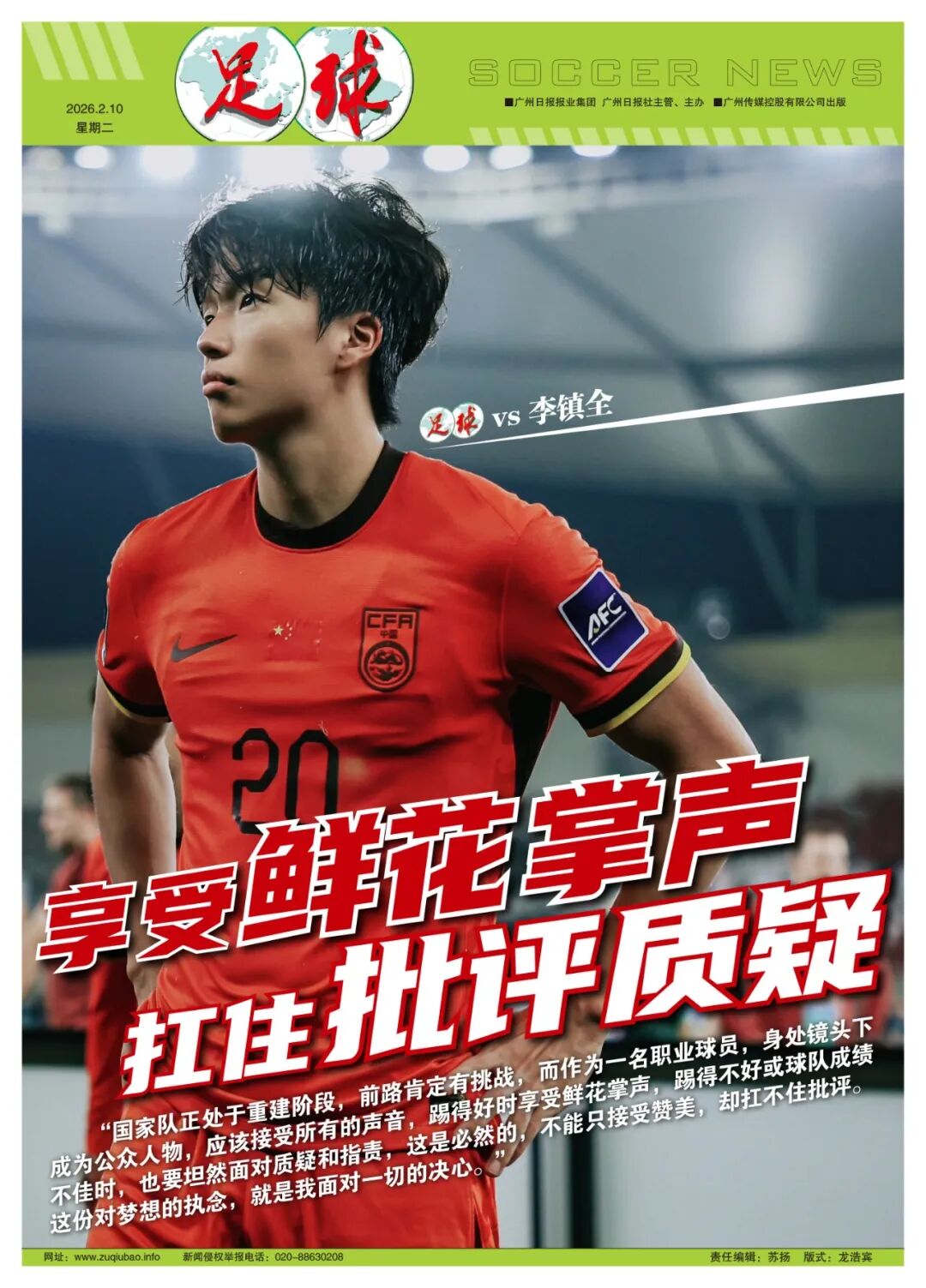
Joining the national team has been my lifelong dream. It’s the highest honor for a professional player and a chance to bring glory to my hometown club in Chongqing. This dream drives me forward. The national team is rebuilding, so challenges lie ahead. As a professional player under the spotlight, I must accept all voices: enjoy the applause when playing well, and calmly face criticism and doubts when not performing or when the team struggles. This is inevitable. You can’t accept praise but collapse under criticism. This obsession with my dream is my determination to face everything.


Wonderfulshortvideo
Did you get it? 🤔😅


Haaland’s movement 🥵
Which counterattack is
When you use your girlfriends shower 🚿 @Emily Bourne @LUSH
Neymar highlights neymar edit neymar lamine yamal celebration
Arsenal 1-0 chelsea havertz goal
When Diogo Costa made himself a hero 🧤
 Links
Links
 Contact
Address:UNIT 1804 SOUTH BANK TOWER, 55 UPPER GROUND,LONDON ENGLAND SE1 9E
Number:+85259695367
E-mali:[email protected]
 App
App


