



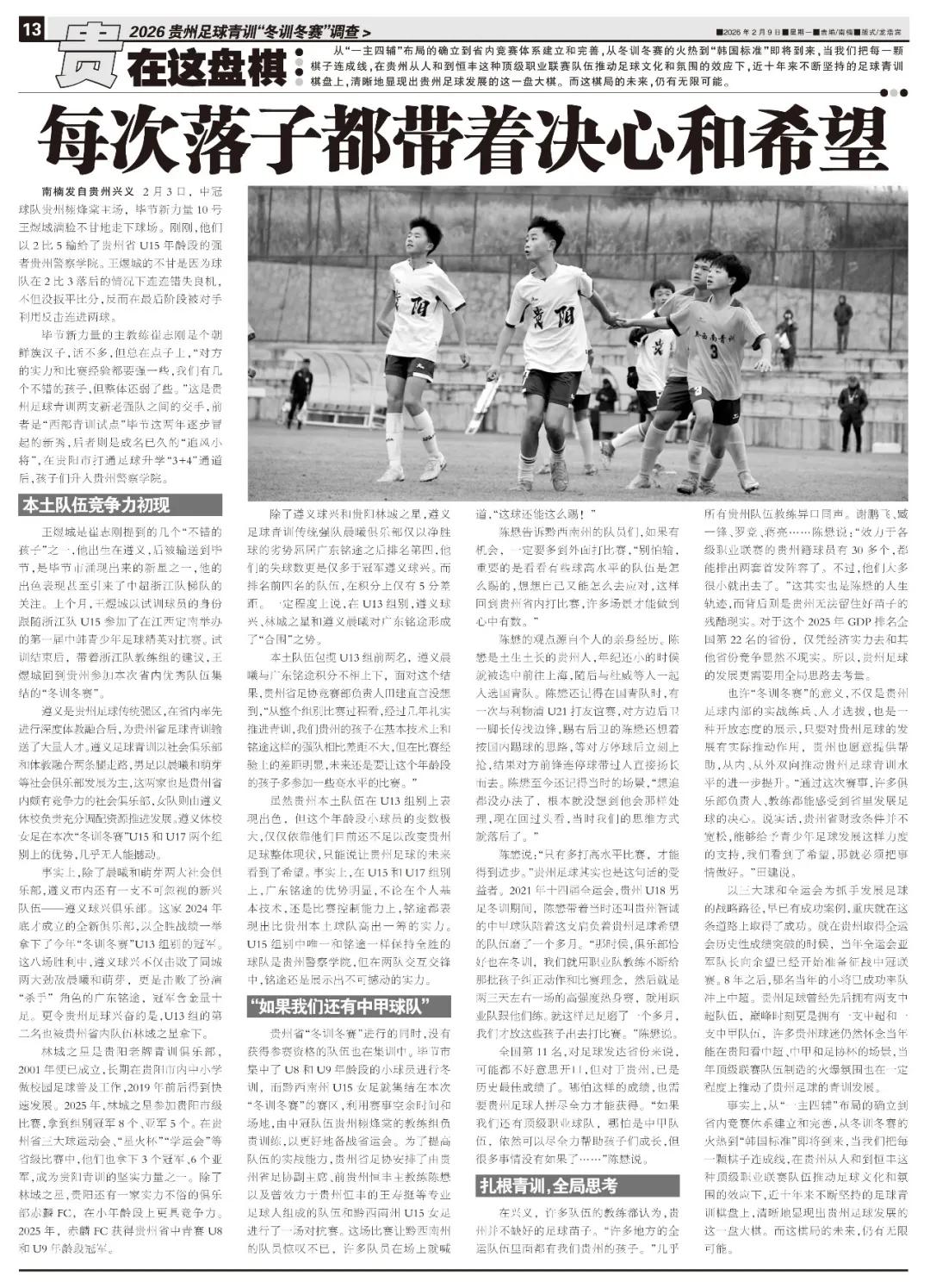
Every move is made with determination and hope—2026 Guizhou Province Football Youth Training "Winter Training and Winter Competition" Investigation


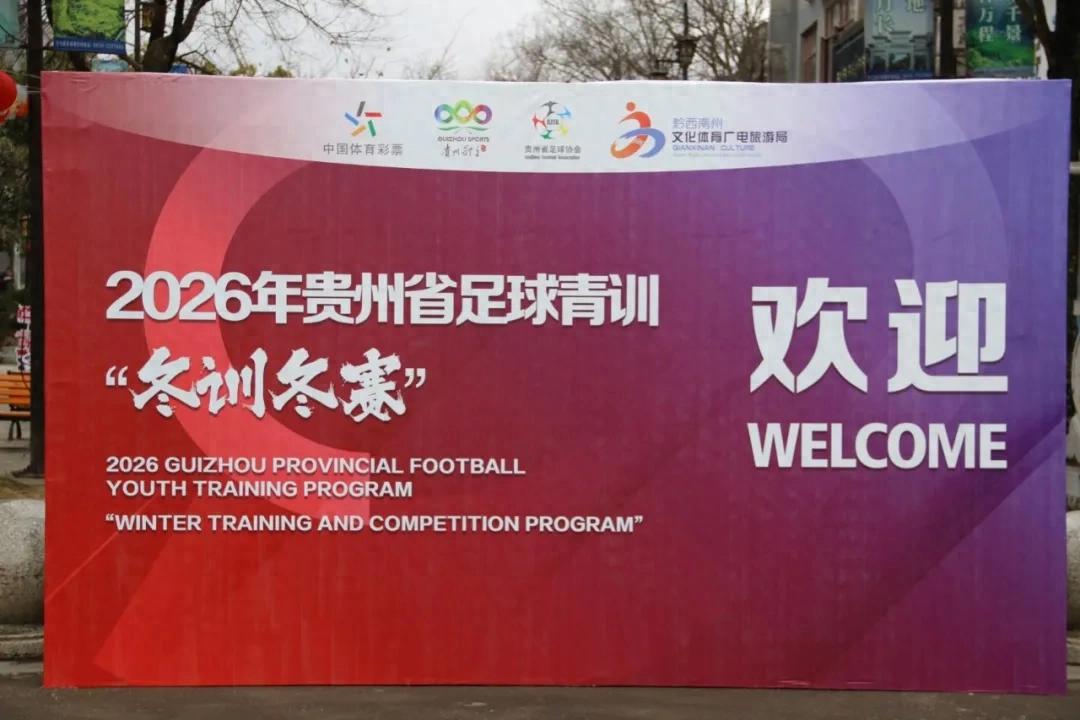
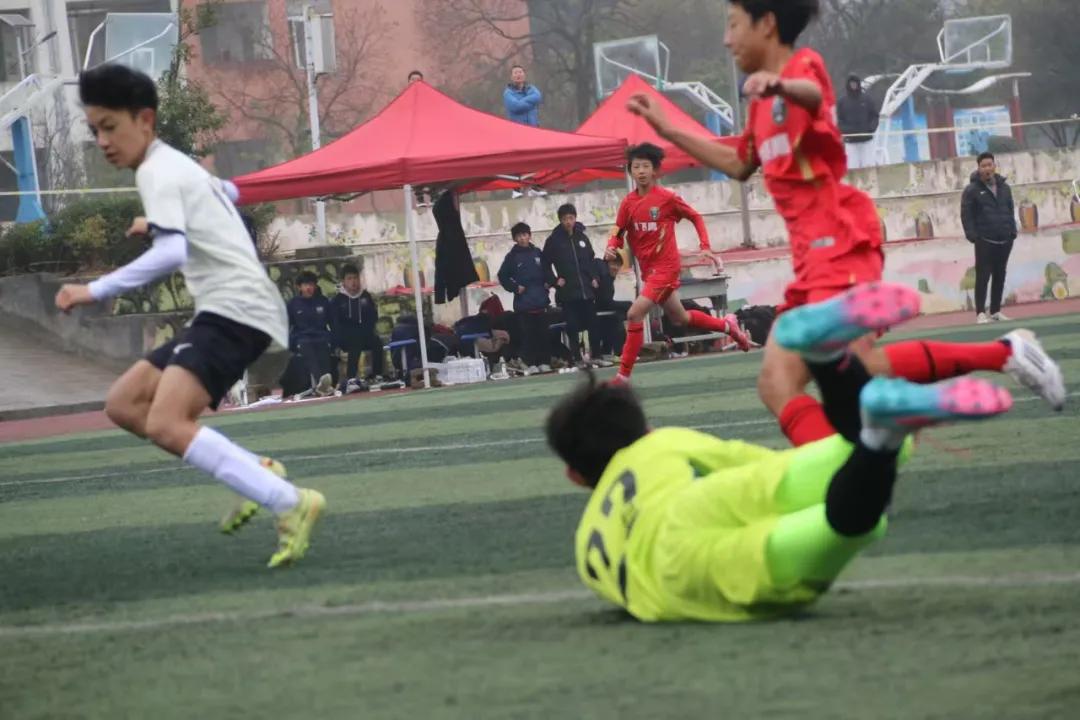
Nan Nan reporting from Xingyi, Guizhou On February 3rd, at the home venue of the China League Two team Guizhou Xufengtang, Bijie Xinliliang’s number 10, Wang Yucheng, walked off the pitch with obvious dissatisfaction. Moments before, they had been defeated 2-5 by the strong U15 team from Guizhou Police Academy. Wang’s disappointment came from repeatedly missing opportunities while down 2-3; not only did they fail to equalize, but the opponent capitalized on counterattacks to score twice in the closing moments.
Cui Zhigang, head coach of Bijie Xinliliang and an ethnic Korean, is a man of few words but always precise. “The opposing team has stronger skills and more match experience. We have some talented kids, but overall we are still weaker.” This match was between two of Guizhou’s football youth training powerhouses—the emerging “Western Youth Training Pilot” Bijie team rising in recent years, and the well-established “Chasing Wind Youngsters,” who, after the establishment of the “3+4” football education pathway in Guiyang, have advanced to Guizhou Police Academy.

Wang Yucheng is one of the “promising kids” mentioned by Cui Zhigang. Born in Zunyi and later sent to Bijie, he is one of the rising stars emerging from Bijie city. His outstanding performance even attracted attention from the youth ranks of Zhejiang FC in the Chinese Super League. Last month, Wang attended the first China-Korea Youth Football Elite Challenge held in Dingnan, Jiangxi, as a trial player with Zhejiang FC’s U15 team. After the trial, following advice from Zhejiang’s coaching staff, Wang returned to Guizhou to participate in this province-wide gathering of top teams for the “Winter Training and Winter Competition.”
Zunyi is a traditional football stronghold in Guizhou. After pioneering deep integration of sports and education within the province, it has produced a large number of talents for Guizhou’s football youth training. Zunyi’s youth training operates on two pillars: social clubs and sports-education integration. The boys’ teams mainly develop through social clubs like Chenxi and Mengya, which are among the most competitive in Guizhou. The girls’ teams are managed by Zunyi Sports School, which allocates resources efficiently to promote development. The girls’ teams from Zunyi Sports School hold an almost unshakable advantage in the U15 and U17 divisions of this “Winter Training and Winter Competition.”
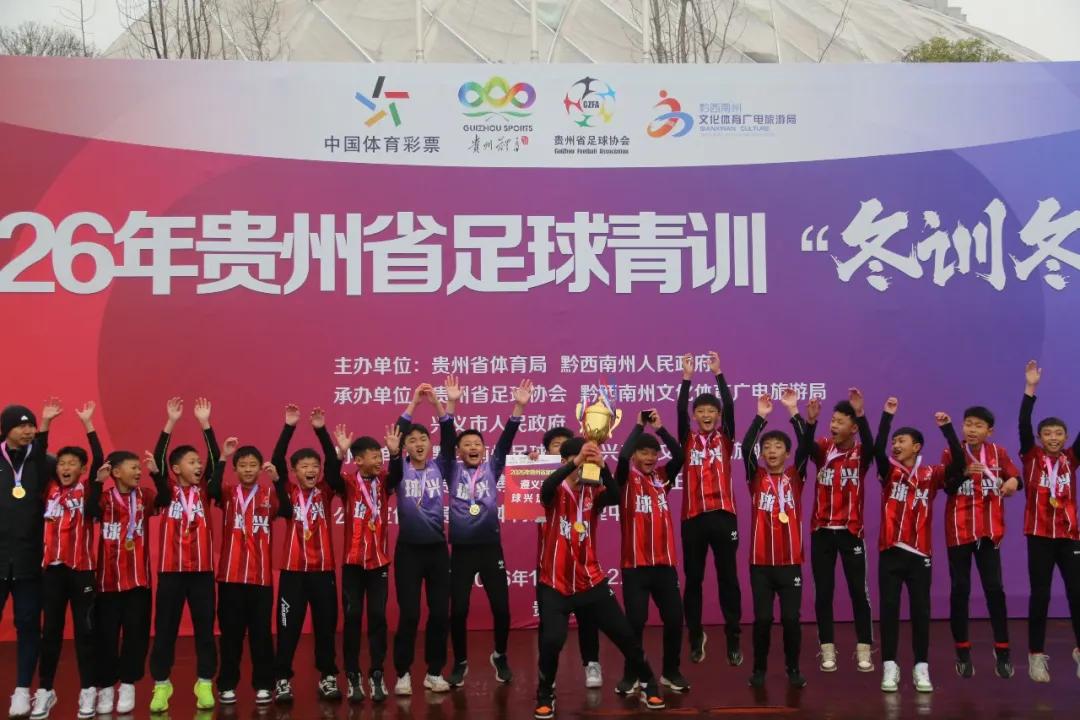
In fact, besides the two major social clubs Chenxi and Mengya, there is another emerging team in Zunyi—the newly established Zunyi Qiuxing Club, founded at the end of 2024. This new club claimed the U13 championship in this year’s “Winter Training and Winter Competition” with a perfect winning record. Among their eight victories, Zunyi Qiuxing defeated two local rivals, Chenxi and Mengya, as well as Guangdong Mingtou, known as a “killer” team, making their championship highly credible. Even more exciting for Guizhou football, the runner-up in the U13 group was another provincial team, Lincheng Star.
Lincheng Star is a well-established youth training club in Guiyang, founded in 2001. It has long been active in promoting school football in Guiyang’s primary and secondary schools and experienced rapid development around 2019. In 2025, Lincheng Star won eight championships and five runner-up titles in various age groups at the Guiyang city-level competitions. In provincial competitions such as the Guizhou Three Major Ball Sports Games, “Spark Cup,” and “Student Games,” they secured three championships and six runner-up finishes, becoming a solid pillar of youth training in Guiyang. Besides Lincheng Star, Guiyang also has another strong club, Chilin FC, which is particularly competitive in younger age groups. In 2025, Chilin FC won the U8 and U9 championships at the Guizhou Provincial Youth Competition.
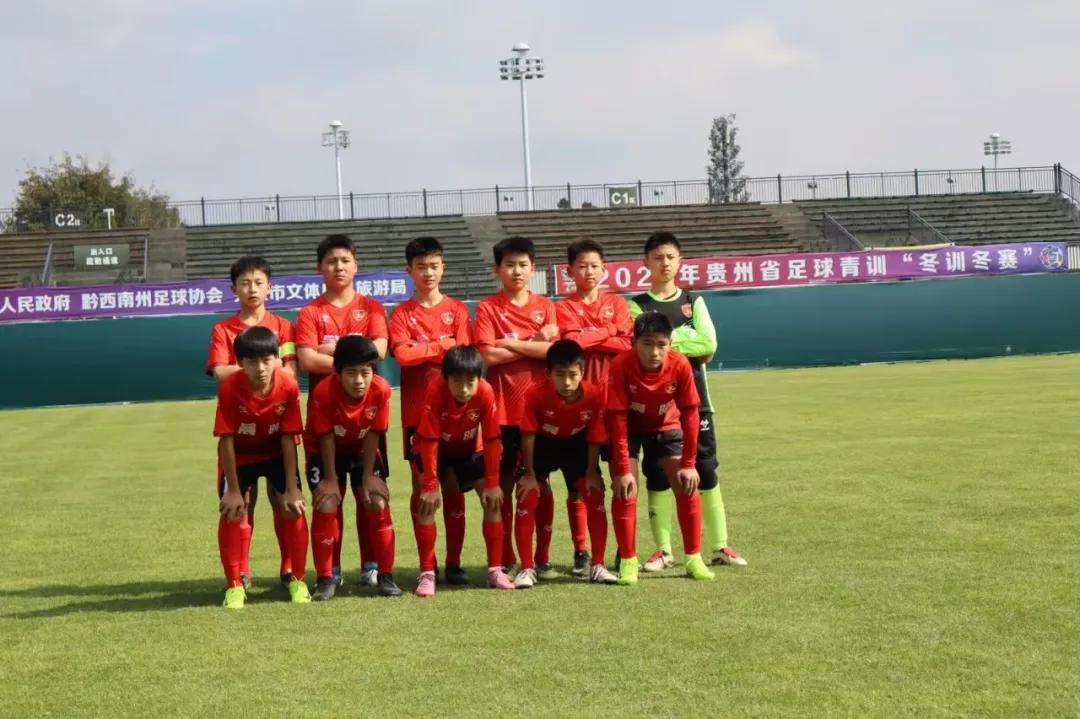
Apart from Zunyi Qiuxing and Guiyang Lincheng Star, the traditional strong team Chenxi Club from Zunyi finished fourth, narrowly behind Guangdong Mingtou on goal difference. Chenxi conceded only slightly more goals than champions Zunyi Qiuxing. The top four teams were separated by just five points in total. To some extent, in the U13 division, Zunyi Qiuxing, Lincheng Star, and Zunyi Chenxi formed a “pincer” against Guangdong Mingtou.
Local teams dominated the top two spots in the U13 group, with Zunyi Chenxi and Guangdong Mingtou nearly tied on points. Faced with this result, Tian Jian, head of the Guizhou Football Association’s competition department, admitted surprise: “Looking at the whole group’s matches, after several years of solid youth training efforts, our Guizhou kids show little gap in basic skills compared to strong teams like Mingtou, but the difference in match experience is clear. Going forward, kids in this age group need to participate in more high-level matches.”
Although Guizhou’s local teams performed well in the U13 group, the variability at this age is very high. Relying solely on them is not enough to change Guizhou football’s overall situation; it only offers hope for the future. In fact, in the U15 and U17 groups, Guangdong Mingtou’s dominance is clear. Whether in individual basic skills or match control, Mingtou shows superior strength compared to Guizhou’s local teams. In the U15 group, the only team to maintain an undefeated record alongside Mingtou was Guizhou Police Academy, but in their direct encounters, Mingtou still demonstrated unshakable superiority.
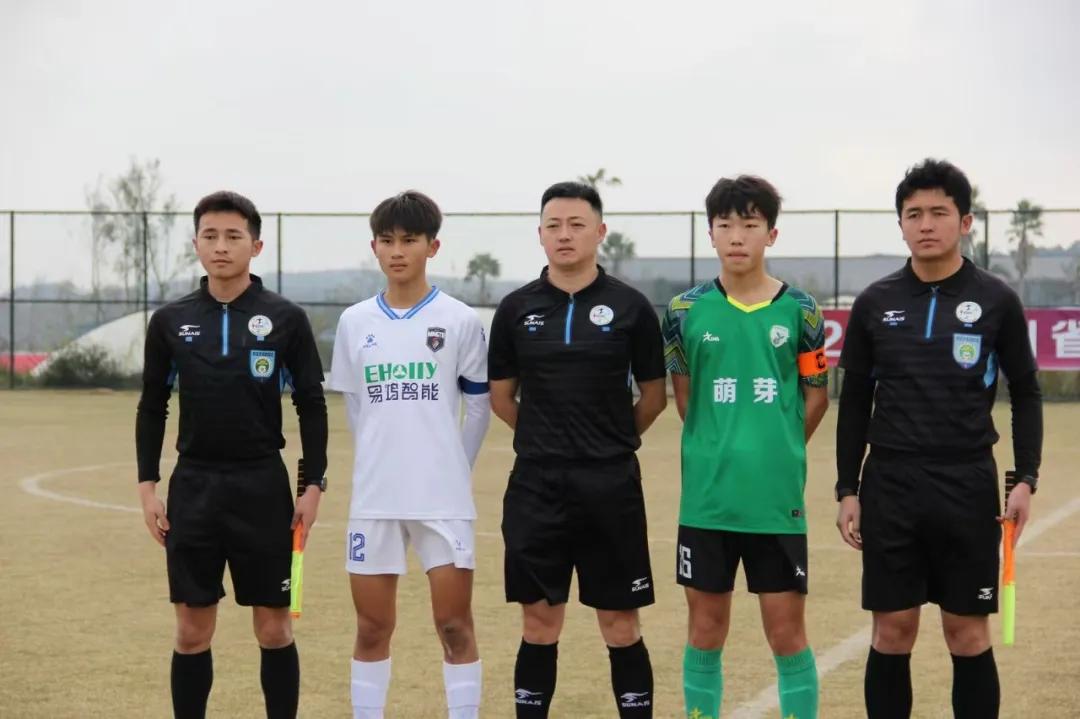

While the “Winter Training and Winter Competition” takes place, teams that did not qualify for the event are also training. Bijie city gathered U8 and U9 players for winter training, and the Qianxinan Prefecture U15 girls’ team assembled at the competition venue, utilizing available time and facilities for training led by the coaching staff of China League Two team Guizhou Xufengtang, preparing better for the Provincial Games. To enhance the team’s practical ability, the Guizhou Football Association arranged a friendly match between a team composed of professionals—including Guizhou FA vice chairman and former Guizhou Hengfeng head coach Chen Mao and former player Wang Shouting—and the Qianxinan U15 girls. This game amazed the players, many of whom exclaimed on the field, “You can play the ball like this?!”
Chen Mao told the Qianxinan players that if they get the chance, they should play more matches outside, “Don’t fear losing. The important thing is to see how some high-level teams play and think about how you can respond. That way, when you return to compete within Guizhou, you’ll have a clearer understanding of many match situations.”
Chen Mao’s viewpoint comes from his personal experience. Born and raised in Guizhou, he was selected at a young age to go to Shanghai and later joined the national youth team alongside players like Du Wei. Chen still recalls a friendly match against Liverpool U21, where the opponent’s full-back sent a long pass to the winger. Playing right-back, Chen intended to press immediately after the opponent’s control, as per domestic play style, but the forward controlled and dribbled past him effortlessly. Chen remembers the scene vividly: “I couldn’t catch up; I never expected that kind of play. Looking back now, our way of thinking was behind.”
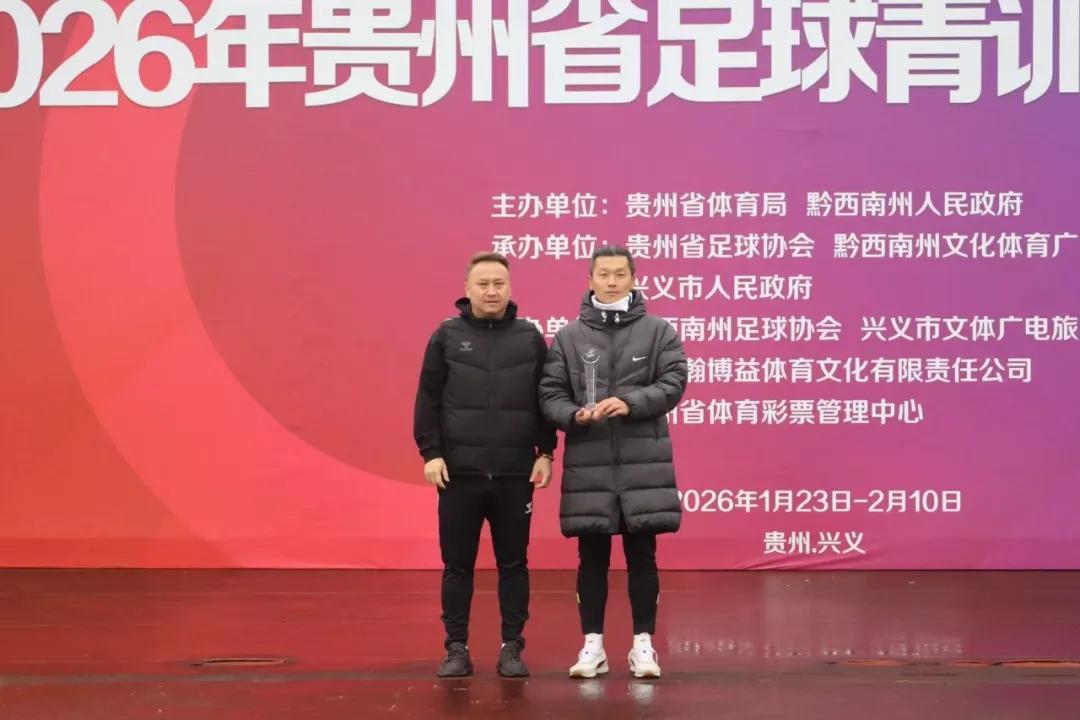
Chen Mao said, “Only by playing more high-level matches can progress be made.” Guizhou football has also benefited from this principle. During the 14th National Games in 2021, while the Guizhou U18 men’s team was in winter training, Chen led the then-called Guizhou Zhicheng (a China League One team) to accompany and help this team, which carried Guizhou football’s hopes, train for over a month. “At that time, the club was also in winter training, so professional coaches continuously corrected the kids’ movements and match concepts, with intense warm-up matches every two or three days against the professional team. That’s how we polished them for more than a month before letting them compete.”
Ranking 11th nationally might be embarrassing for football power provinces, but for Guizhou, it is the best result in history. Even such an achievement required Guizhou football people to give their all. “If we still had top professional teams, even in China League One, they could fully support the kids’ growth. But many things can no longer be changed...” Chen Mao said.
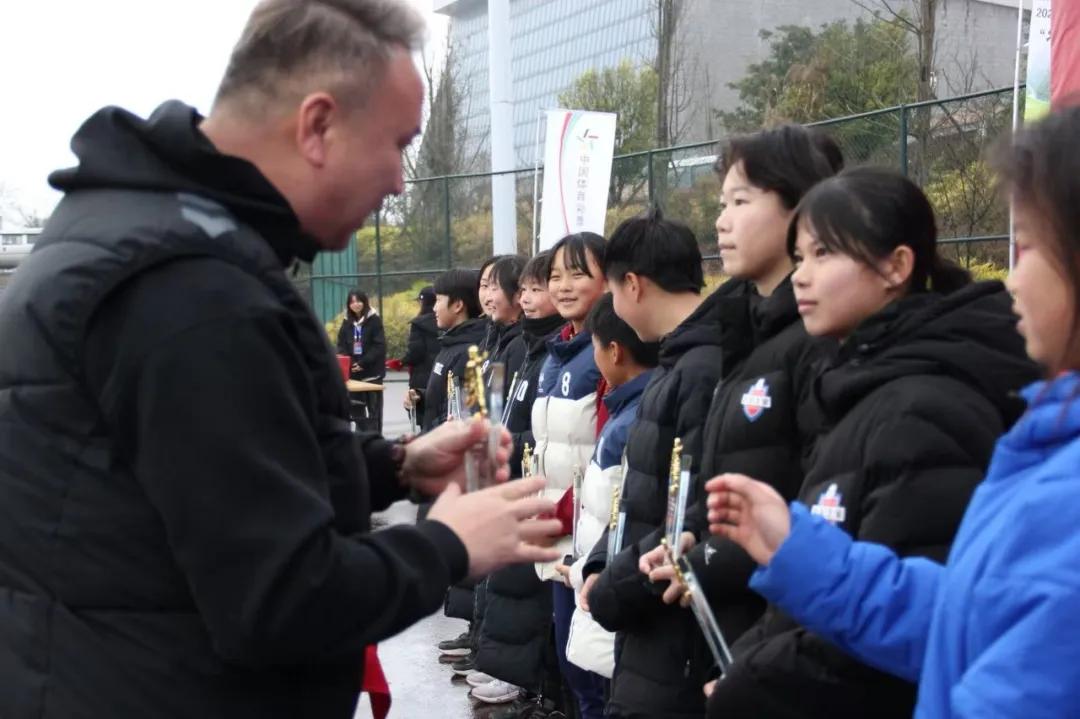

In Xingyi, many coaches believe Guizhou is not lacking good football talents. “Many places’ National Games teams include kids from Guizhou,” all Guizhou coaches agree unanimously. Xie Pengfei, Zang Yifeng, Luo Jing, Jiang Liang... Chen Mao said, “There are over 30 Guizhou-born players in various professional leagues, enough to form two starting lineups. However, most of them left at a very young age.” This reflects Chen’s own life path and the harsh reality that Guizhou cannot retain its best talents. For a province ranked 22nd nationally by GDP in 2025, competing solely on economic strength against other provinces is unrealistic. Therefore, Guizhou football development requires a comprehensive strategic approach.
Perhaps the significance of the “Winter Training and Winter Competition” is not only internal practical training and talent selection but also an expression of openness. As long as it genuinely promotes Guizhou football’s development, Guizhou is willing to offer support, pushing youth training improvements both internally and externally. “Through this event, many club leaders and coaches have felt the province’s determination to develop football. Honestly, Guizhou’s financial conditions are not abundant, but providing such strong support for youth football development gives us hope. So we must do things well,” said Tian Jian.
The strategic path of developing football through the three major ball sports and the National Games already has successful examples, with Chongqing achieving success on this route. While Guizhou made historic breakthroughs in the National Games, Xiang Yuwang, captain of the runner-up team then, was preparing to compete in China League Two. Eight years later, that young player successfully led his team to the Chinese Super League. Guizhou football once had two Chinese Super League teams and at its peak even had one Super League and one League One team. Many Guizhou fans still fondly recall the days when they could watch the Super League, League One, and FA Cup matches in Guiyang, and the vibrant atmosphere created by top league teams also helped promote Guizhou’s youth football development.
In fact, from establishing the “one main, four auxiliaries” framework to building and refining the provincial competition system, from the enthusiasm of the winter training and competition to the upcoming “Korean standard,” when we connect every piece on the board, under the influence of top professional teams like Renhe and Hengfeng promoting football culture and atmosphere in Guizhou, the football youth training strategy that has persisted over the last decade clearly reveals Guizhou football’s grand plan. And the future of this game still holds limitless possibilities.


Wonderfulshortvideo
User VictoryVox has posted a video.


 Links
Links
 Contact
Address:UNIT 1804 SOUTH BANK TOWER, 55 UPPER GROUND,LONDON ENGLAND SE1 9E
Number:+85259695367
E-mali:[email protected]
 App
App


