



A crucial AFC Champions League match! John Aloisi makes his debut as Rongcheng aims for a strong start.



Reported by journalist Lu Mi. Rongcheng, having changed their head coach and restructured their squad, is about to begin their new season journey. John Aloisi’s debut is set for February 10th at home against Buriram United in the AFC Champions League Elite, a match that is crucial for deciding Rongcheng’s qualification hopes. Currently, Rongcheng has 6 points, ranking 10th in the East Asia zone, the highest among the three Chinese Super League teams participating. In the last two group matches, if Rongcheng can earn 4 points or more, they have a strong chance to reach the knockout stage.

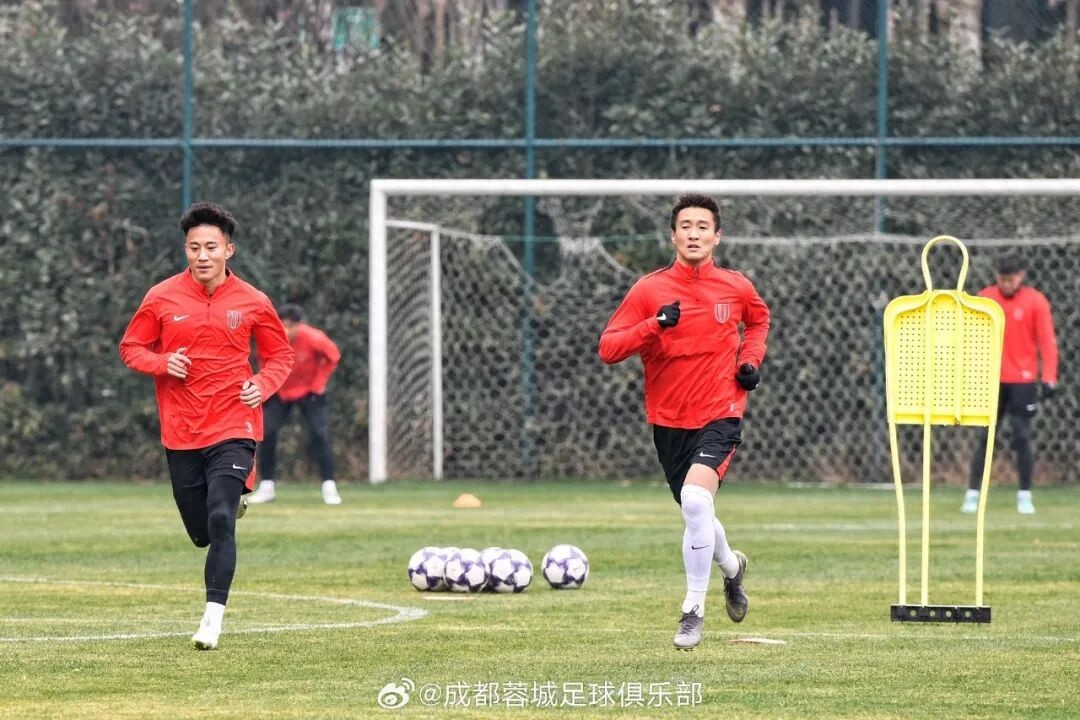
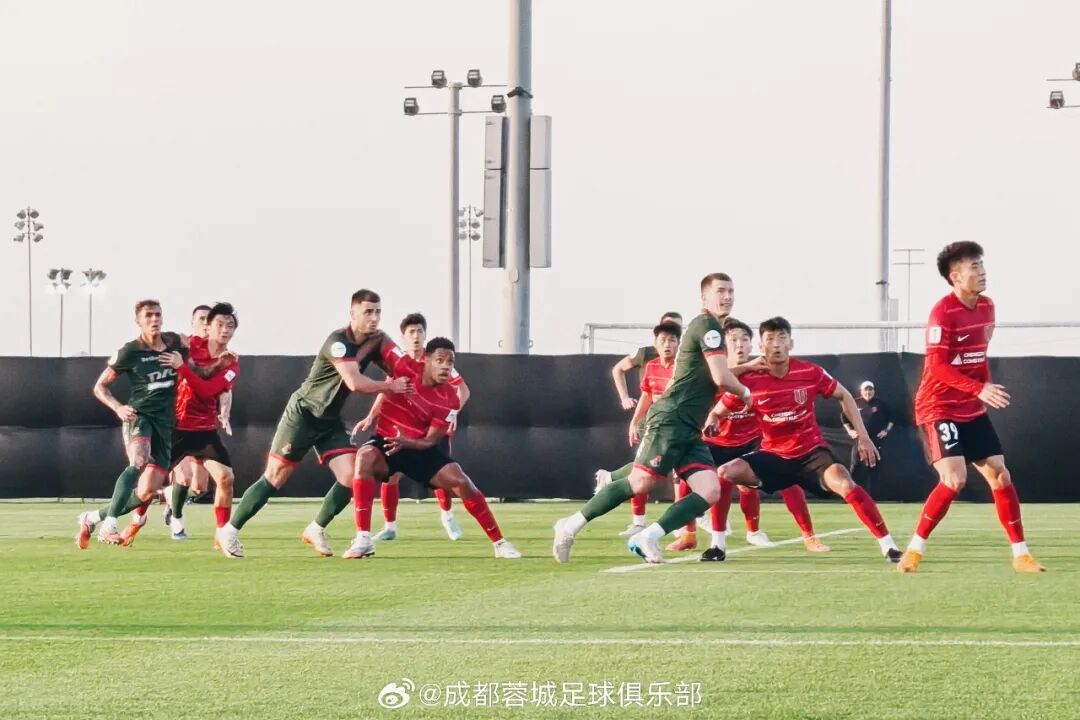
In January, Rongcheng traveled to Abu Dhabi for winter training, which lasted about 20 days. It started with physical conditioning, followed by five friendly matches to refine tactics and address issues identified during games. Although the results of the friendlies seemed average, their main purpose was to identify problems and develop players, which met expectations by accumulating valuable experience and helping players regain match fitness.
The team has now returned home to prepare for the next phase. With the AFC Champions League Elite approaching, recent training has focused on final tactical rehearsals and adjustments based on the opponents. During this period, the new four-defender formation is repeatedly polished while optimizing the defense and counterattack connections.
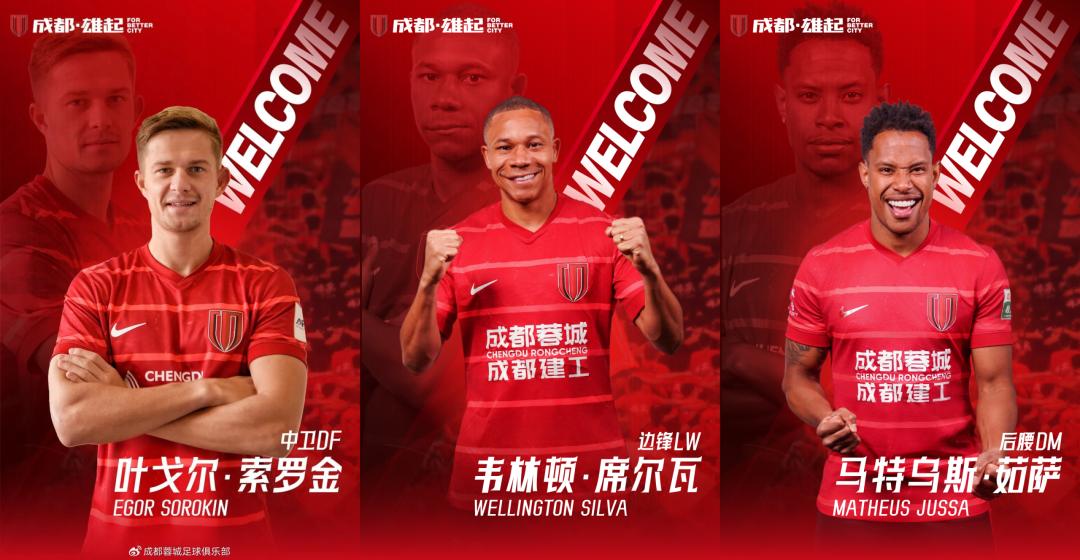
Regarding personnel, winter transfer window signings mainly filled gaps left by departing players. Russian center-back Sorokin joined, completing Rongcheng’s foreign player lineup. Sorokin, Felipe, Romulo, Jusa, and Silva form a well-balanced foreign contingent. Felipe serves as the attacking pivot and performed excellently in the first six AFC matches; Silva brings speed and dribbling skills to enrich wing attacks; Romulo controls midfield rhythm, linking defense and offense; Jusa strengthens interceptions and late runs; Sorokin fills the void left by Timo’s departure in central defense.
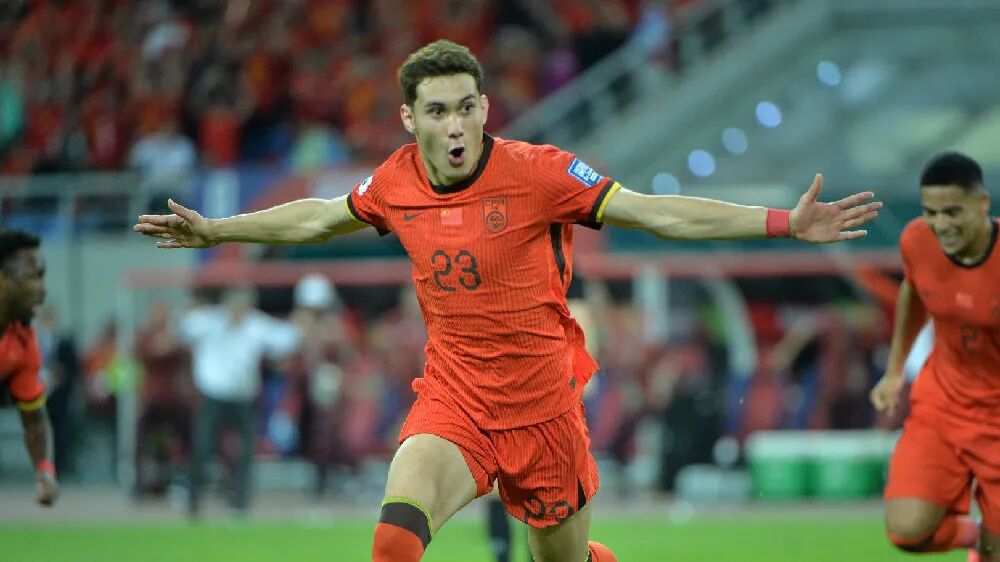
The addition of Hong Kong player Alex Zu enhances defensive strength on the flanks. Forward Wang Ziming was signed to add depth to the squad. Among domestic players, there is still potential movement. For example, Han Pengfei has been rumored to leave since the winter window opened, first linked with Shenzhen New Pengcheng and recently with Shanghai Port. Meanwhile, Rongcheng is interested in national team player Bai Helamu, with transfer talks ongoing.
Since Alex Zu and Jusa have already played for other teams in this season’s AFC Champions League Elite, they cannot represent Rongcheng in the final two group matches. However, Wang Ziming, who previously played for Guoan in the AFC 2 League, is eligible to play for Rongcheng in the AFC Champions League Elite.

This season, Chengdu Rongcheng underwent significant personnel changes. The veteran coach Xu Zhengyuan left, and Australian coach John Aloisi took over. The new coach completely overturned Xu’s tactical system, bringing a thorough tactical revolution. The impact of these changes can be observed in the two upcoming AFC Champions League Elite matches.
Under Xu Zhengyuan, Chengdu Rongcheng used a 3-4-3 formation with three center-backs, focusing on teamwork and wing attacks. This system brought some progress and stability for a time but showed clear weaknesses as opponents studied it. The main issue was that the three-center-back system was vulnerable during transitions, with wing-backs burdened with heavy defensive and offensive duties. Especially against fast and skillful opponents, defensive problems were prominent. Last season, Rongcheng lost several key matches due to insufficient tactical flexibility.
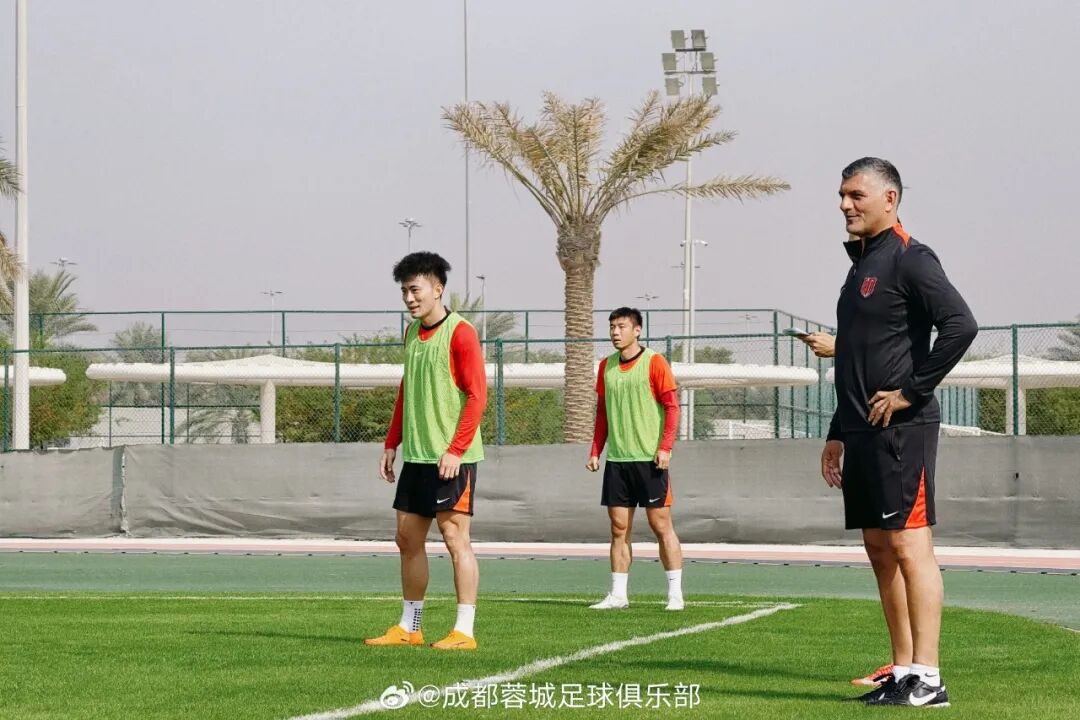
After taking charge, John Aloisi decisively abandoned the three-center-back system and switched to a four-defender formation. His core tactical approach emphasizes high-intensity midfield pressing and quick transitions, sharply contrasting with Xu’s style. Based on the current squad, Aloisi set up a double defensive midfield, effectively limiting opponents’ attacking space. Jusa, Romulo, and Yang Mingyang form a balanced midfield trio that strengthens interceptions while maintaining attacking links.
Last season, Rongcheng often had many shots but very low accuracy, missing crucial chances repeatedly. Aloisi’s tactics focus more on vertical passes in front of goal, using Felipe as a pivot to create breakthrough opportunities for forwards like Wei Shihao and Silva. Midfielders are encouraged to make late attacking runs, enriching the team’s offensive options.
The biggest change is the defensive system overhaul, switching from three to four defenders. Defensively, the team moves in coordinated shifts, reducing positional gaps seen in the three-center-back setup. Forwards quickly form the first defensive line to delay the opponent’s attack, buying time for teammates to recover.
From the winter training friendlies, players have gradually understood and adapted to the new tactics. The team improved from conceding many goals and scoring few to increasing their goal tally. In the last friendly before returning home, Rongcheng kept a clean sheet and defeated Al-Markhiya.
Because national team players returned late, their integration progress differs from others and requires training and matches to synchronize. Especially in defense, the new formation demands high standards for center-back partnerships. New signing Sorokin joined late and has had limited time to train with the team, posing a potential concern.
Additionally, the new tactics demand extremely high physical fitness. The intense pressing upfront and constant runs on the wings greatly test players’ stamina. Managing energy wisely during the congested schedule is a key issue for coach John Aloisi.

With many Chinese Super League teams penalized with point deductions, Rongcheng, unaffected by such penalties, has become a title favorite, gaining more attention. In the AFC Champions League Elite, they currently have the highest points among the three Chinese Super League participants, raising fans’ hopes for reaching the knockout stage. Under this pressure, John Aloisi faces his official debut as head coach. Everyone is keen to see how he and his team will perform under this pressure.
Rongcheng’s remaining AFC Champions League Elite group matches are a home game against Buriram United and an away match versus Machida Zelvia. The team has gathered basic information and some videos to help players better understand these two opponents.
Rongcheng’s assessment of Buriram United is that the team plays a tough, energetic style focusing on wing attacks and set pieces. Their home performance is strong, but their away form is relatively weak. Therefore, Rongcheng must capitalize on their home advantage to secure points. To counter Buriram’s high-quality wing crosses, Rongcheng may refine their defense to specifically limit their opponents’ wing breakthroughs and crossing.
Regarding Machida Zelvia, Rongcheng has analyzed them and believes their overall strength surpasses Buriram United. Machida Zelvia plays a refined style, emphasizing possession and combination play, with technically skilled players and fast-paced transitions. Their midfield control is strong. Since this match is away, Rongcheng needs to focus on solid defense first, then look for counterattack opportunities and capitalize on them.


Wonderfulshortvideo
User VictoryVox has posted a video.


 Links
Links
 Contact
Address:UNIT 1804 SOUTH BANK TOWER, 55 UPPER GROUND,LONDON ENGLAND SE1 9E
Number:+85259695367
E-mali:[email protected]
 App
App


