



How to effectively utilize Spanish football resources? These experiences are worth learning for the Chinese Football Association!



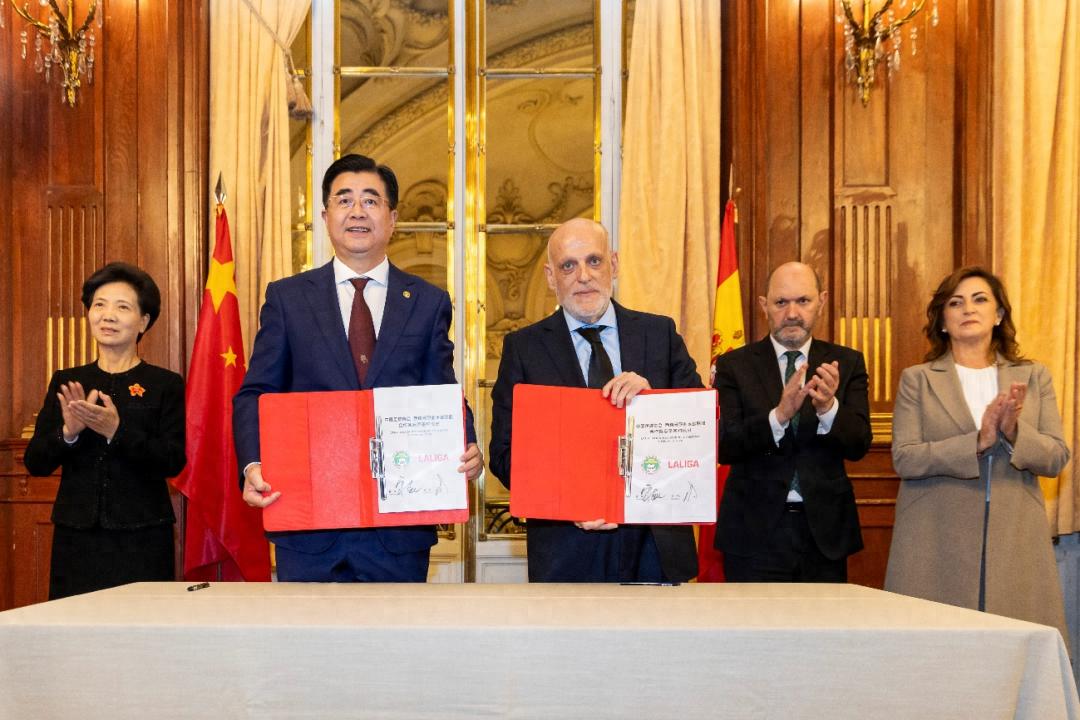
Written by Han Bing On February 5th, La Liga and the Spanish Football Federation signed strategic cooperation agreements respectively with the Chinese Football Association. The three-year partnership focuses on three key areas: creating programs for the training and development of Chinese youth players in Spain (including short- or long-term trials at Spanish club youth academies); offering training and skill enhancement opportunities for Chinese coaches within La Liga clubs; and fostering knowledge exchange regarding talent identification and selection mechanisms. The agreement will facilitate Spanish clubs’ participation in various Chinese training and football activities, and promote cooperation and development between youth academies in both countries through organizing competitions, friendly matches, and exchange programs.
Cooperation between Chinese and Spanish football has a long history, but this agreement is unprecedented in both strategic vision and breadth of collaboration. The Spanish Football Federation and La Liga have similar partnerships with other Asian countries, and those existing cases may serve as useful references to help the Chinese Football Association develop a model tailored to Chinese football’s needs.

The strategic cooperation between La Liga and the Saudi Football Federation began in October 2017. In 2019, the Saudi FA launched the "Future Falcons" project, selecting and training players under 16, led by Real Madrid legend Salgado. The project is based long-term in Salou, a coastal town south of Barcelona. Elite youth coaches, analysts, and support staff from Spain, Italy, Croatia, and other countries worldwide provide assistance.
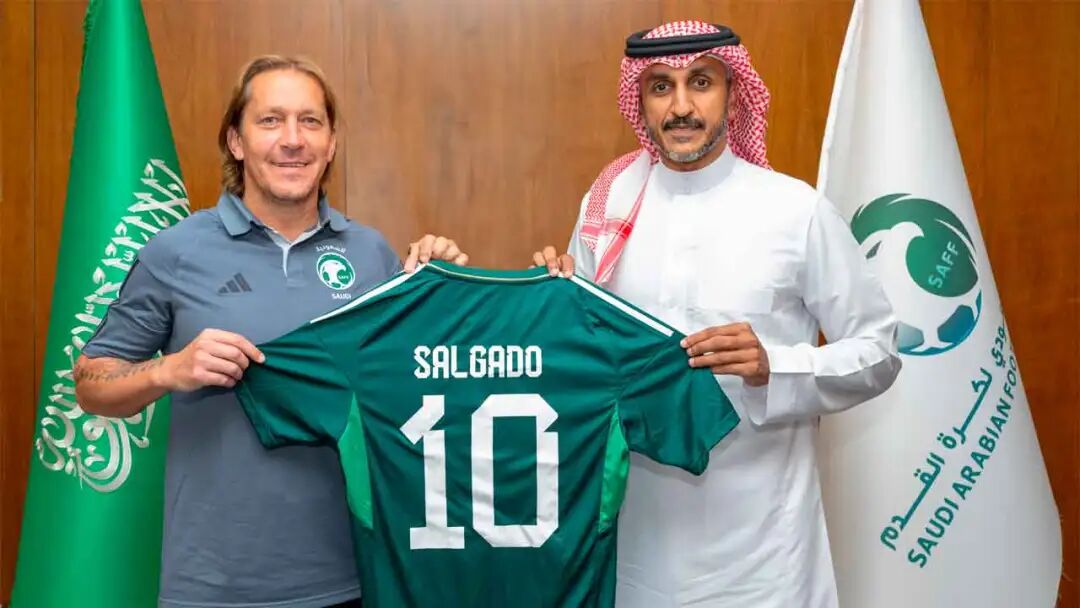
The "Future Falcons" project runs in two-season cycles, with players aged 14-16 receiving long-term training and playing exchange matches against stronger Spanish and European youth teams. It also offers top-tier schooling, including Spanish and English language courses alongside other subjects, laying a foundation for players’ future careers in Europe. By the end of 2025, over 270 Saudi players had graduated from the program.
The Saudi and Spanish football federations established the Abutaleb International Cup to ensure "Future Falcons" players have access to high-level competitions. Known as the U16 Champions League, top youth academies such as Real Madrid, Barcelona, Juventus, Inter Milan, Sporting Lisbon, and Porto participate. The tournament runs throughout the season with teams divided into four groups of six, playing home and away matches before knockout rounds. The Saudi U16 national team reached the semifinals in 2024 by eliminating Roma. The Saudi FA also created the U16 Federation Cup to allow their U16 national team to regularly compete against other top U16 national teams worldwide. Weekly high-level matches provide invaluable experience for Saudi youth players.
The "Future Falcons" project offers ample opportunities for Saudi players to go abroad; for example, Jaber, who joined Bosnian champions FK Sarajevo at age 20, is a product of this program. Operating for six years, the project aims for 80%-90% of Saudi national team players to be based in Europe by 2034. A direct result has been Saudi Arabia’s runner-up finish at the 2025 U17 Asian Cup, marking their first final appearance in this tournament since 1988, after 37 years.
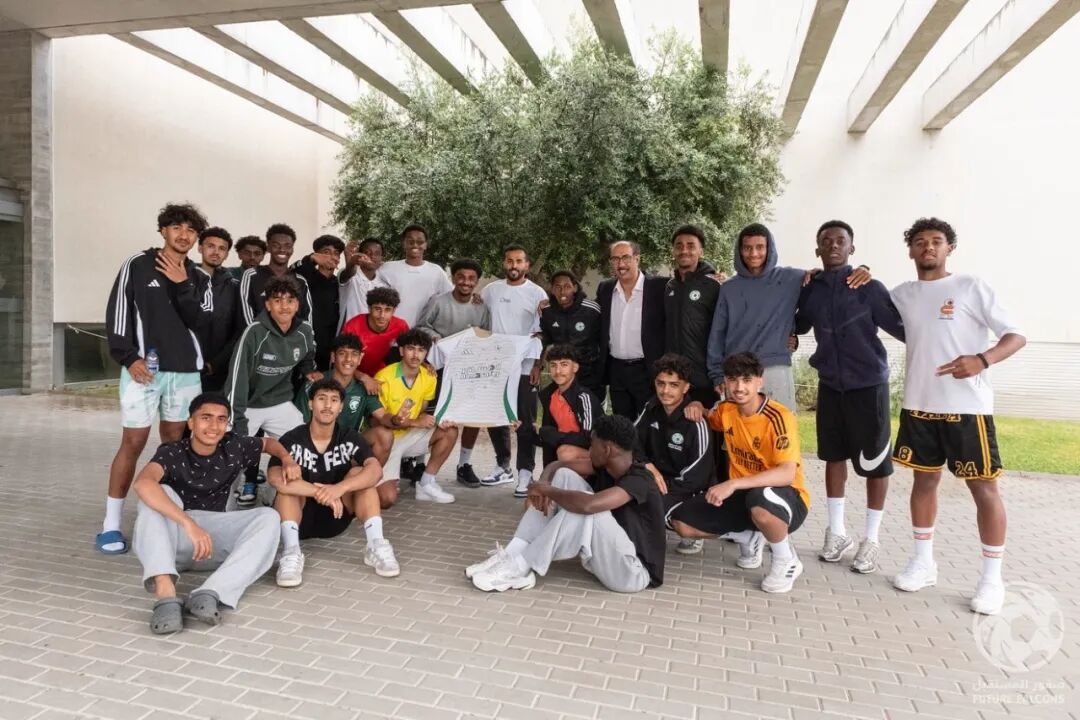
For the Chinese Football Association, leveraging cooperation with the Spanish FA and La Liga to establish overseas youth training bases in Spain, similar to Saudi Arabia, and regularly arranging matches with Spanish and European club youth teams would greatly benefit the personal development of Chinese youth players, laying tactical, technical, linguistic, and cultural foundations for their future careers in Europe.
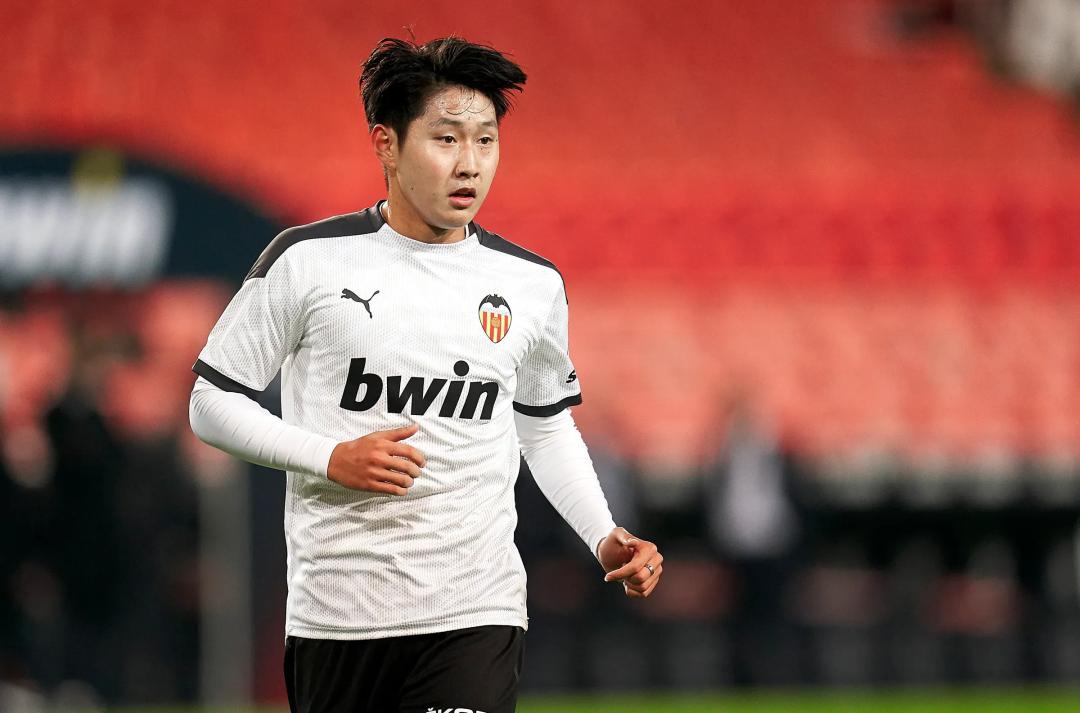
In Spain, there are many mature training bases like Salou. Valencia’s SIA Academy has established a long-term stable partnership with the Korean Football Association, producing international stars like Lee Kang-in. Summer training centers in Marbella and Alicante offer excellent facilities and abundant coaching resources. Asian countries such as Qatar, Kuwait, UAE, Malaysia have youth training collaborations in Spain; Indonesia in the Netherlands; Singapore in Germany. However, none have developed a sustainable overseas youth training center like Saudi Arabia.

The Spanish Football Federation cooperates year-round with over 60 federations, mainly dispatching football coaches—especially youth coaches—to provide local coach training and youth football development. Although this has some effect, rapidly upgrading coaching tactical and technical concepts across partners is not an overnight task. Among Asian countries, Qatar’s cooperation with Spain in youth coach training and exchange has been the most thorough. Qatar’s Aspire Academy recruits youth coaches directly from Barcelona’s La Masia system and regularly sends Qatari coaches to La Masia for training.
After more than a decade of persistent effort, centered on Aspire Academy, Qatar has established a comprehensive Spanish football philosophy system from clubs to all age-group national teams. This has led to significant progress: the senior national team has consecutively won the Asian Cup, the U20 Asian Cup has twice reached the semifinals and once won the title in nearly 12 years, and the U23 Asian Cup has consistently reached the semifinals.
Qatar’s overseas coach training model allows more domestic coaches to regularly attend high-level coaching courses or exchange forums in Spain or other European countries. The immersive learning environment enables them to acquire advanced football training, match tactics, and data-driven high-tech teaching methods from world-leading experts.
Not only Qatar, but the Saudi Football Federation’s strategic cooperation with the Spanish FA also includes men’s and women’s coaches, especially youth coach training programs. The training base is also permanently located in Salou, allowing coaches to move seamlessly from theoretical study to practical coaching. Additionally, in 2024, Indonesia signed a strategic cooperation agreement with the Dutch FA, which similarly includes regular coaching courses at the Dutch national training center and concentrated training sessions in Indonesia.
In Spain alone, there are youth coaching projects such as the Espanyol youth coaching program in Barcelona, Valencia’s SIA Academy, and the Spanish Football Academy (SFA). These short- and long-term coaching courses can be further tailored through cooperation with the Spanish FA and professional leagues to help more Chinese youth coaches gain firsthand experience in Spain, potentially making the training more effective.
For the development of Chinese youth football, the biggest current shortfall is not the number of youth players but the quantity and quality of youth coaches, which is alarmingly insufficient. Therefore, the strategic cooperation between the Chinese and Spanish FAs, which prioritizes providing training opportunities for Chinese coaches within La Liga club systems, is highly targeted and will surely bring greater returns to Chinese football.

Many Asian countries have signed strategic cooperation agreements with European football powerhouses, generally covering youth football training, coach development, and competition exchanges. However, the only ones showing relatively clear results so far are Qatar and Saudi Arabia. Despite mature youth training systems, neither Qatar nor Saudi Arabia has made breakthrough progress in promoting promising players to play abroad.
In this regard, Japan’s establishment of a strategic office in Gelsenkirchen, Germany, represents a coordinated and forward-looking overseas cooperation model. This office not only collects information on Japanese players in Europe for the national team’s reference but also serves as a base for the Japan FA to promote overseas development. Although Asian countries have not yet reached Japan’s level of widespread European player presence, setting up overseas bases in Europe to organize mass youth trials and matches as stepping stones to higher-level leagues is a model Asian nations are emulating.
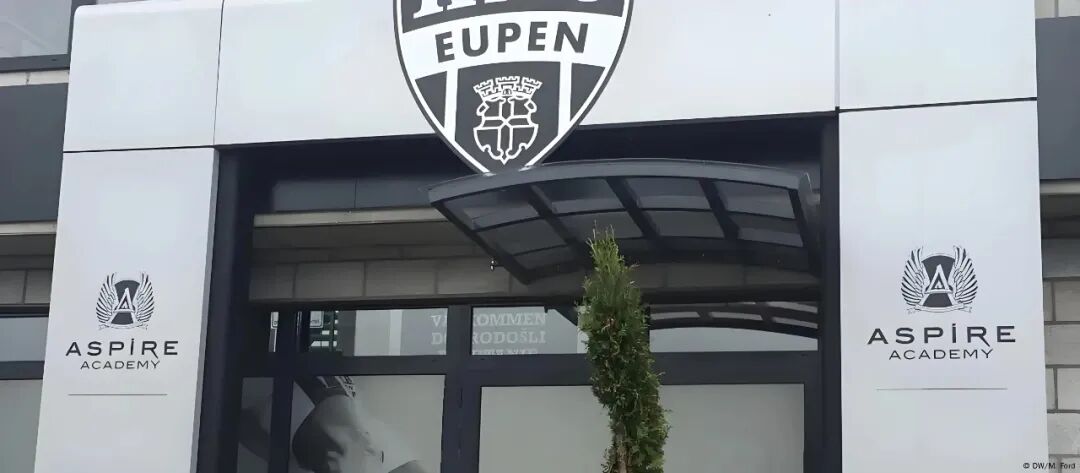
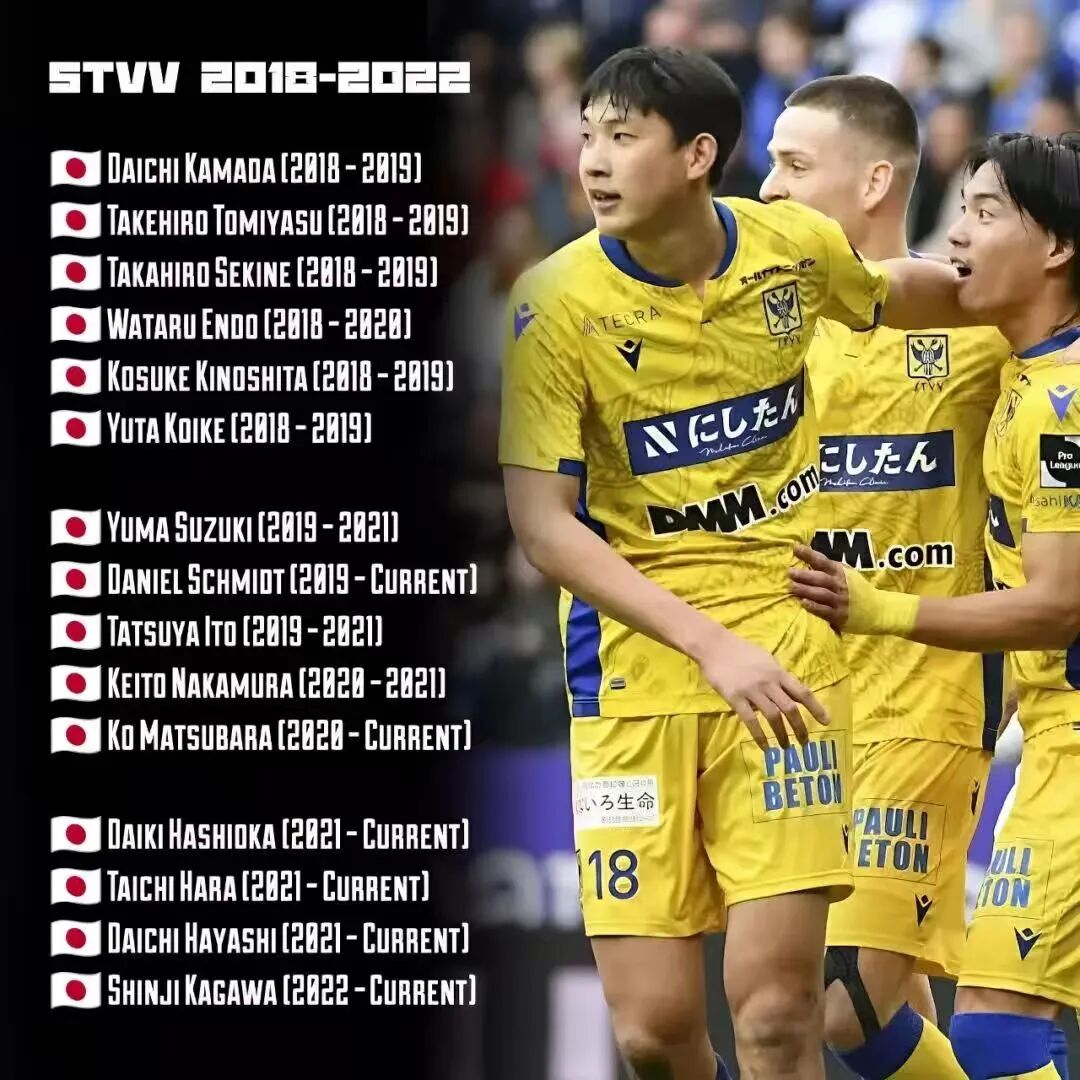
In June 2012, Qatar’s Aspire Academy acquired Belgian second-division club Eupen, turning it into a forward base and stepping stone for Qatari players in Europe. Over 13 years, more than 20 Qatari internationals and 50 Aspire Academy players have trained and competed in the Belgian league with Eupen, gaining valuable European experience. Similar stepping-stone clubs for players abroad include Japan-owned Sint-Truiden and Royal Antwerp (Belgian Pro League), Thai-owned Leicester City (English Championship), Indonesian-backed Oxford United (English Championship), Malaysian-backed Cardiff City (English League One), Jordanian-backed Bristol Rovers (English League Two), and Kuwaiti-backed Milton Keynes Dons (English League Two), all facilitating trials and transfers for their respective countries’ players.
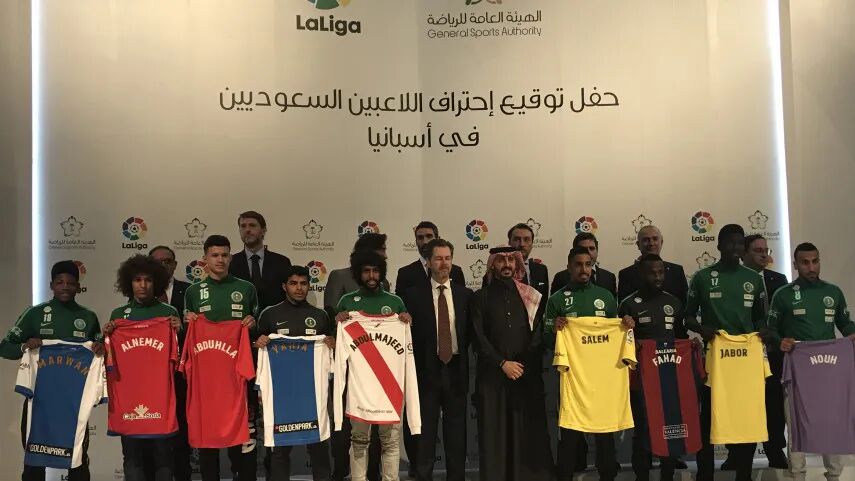
In recent years, acquisitions have gradually shifted to cooperation models. For example, in 2018, the Saudi FA and Spanish FA cooperation included arranging collective loans for 13 Saudi national team players across age groups to La Liga and Segunda División clubs, providing high-level overseas experience. Although the mid-season winter window made it difficult for Saudi players to integrate fully, they still gained valuable top European league exposure. In 2021, Qatar’s national team reached a UEFA cooperation agreement to participate in World Cup European qualifiers as friendly matches without points, aiming to gain experience against European teams. Previously, the Japan FA also considered partnering with UEFA to form a team of European-based players to compete in the UEFA Nations League for training, but this plan did not materialize.
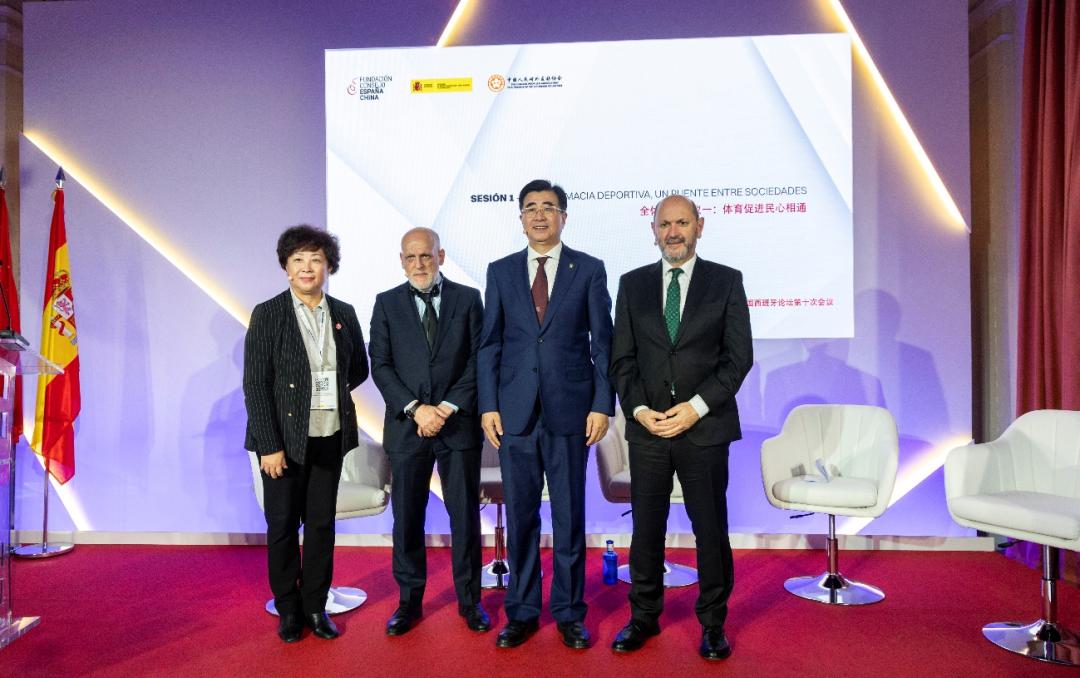
The strategic cooperation agreement between the Chinese and Spanish FAs also includes competition exchanges. Beyond mutual visits between national teams of various age groups, China could draw on Qatar’s experience by having younger national teams regularly participate in domestic Spanish exchange matches. For example, during La Liga’s winter break, younger national teams could form relatively fixed friendly match arrangements with La Liga or Segunda División clubs and regional representative teams, increasing international match experience for youth players. In summary, only by fully "going out" and playing more high-quality international matches can Chinese players accumulate valuable experience and grow. The strategic cooperation with the Spanish FA and La Liga offers the best opportunity to accelerate such international competition exchanges.


Wonderfulshortvideo
User VictoryVox has posted a video.


 Links
Links
 Contact
Address:UNIT 1804 SOUTH BANK TOWER, 55 UPPER GROUND,LONDON ENGLAND SE1 9E
Number:+85259695367
E-mali:[email protected]
 App
App


