



14 teams "go abroad," Chinese Super League revives the "overseas training boom"



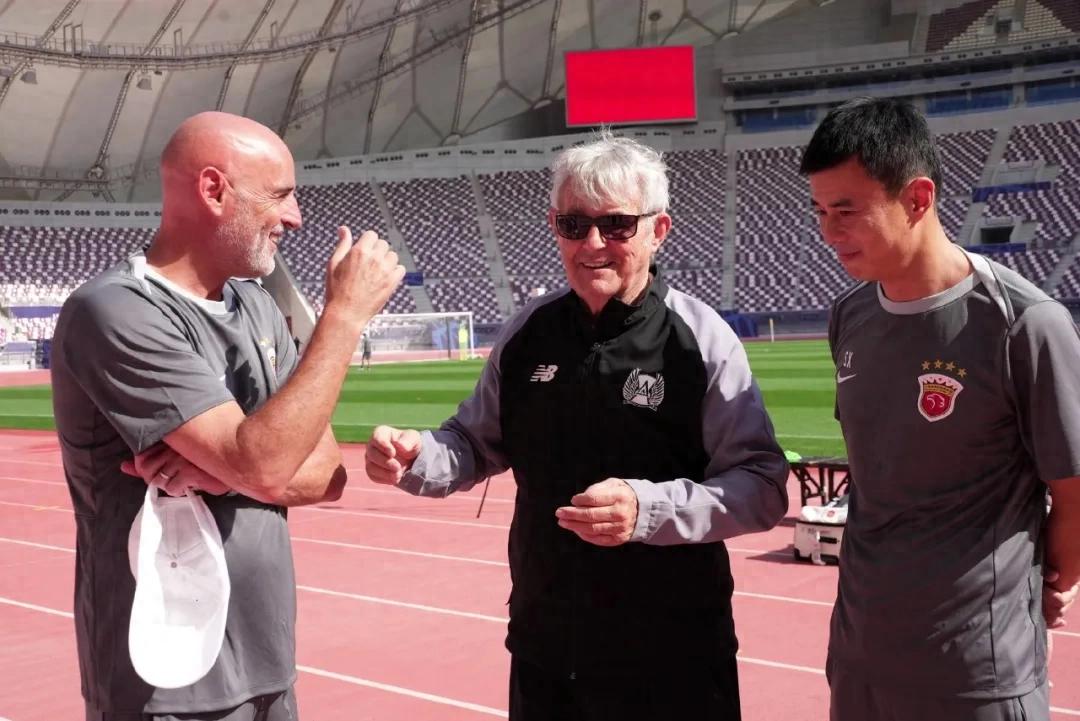
Reporter Lu Mi reports This winter training, 14 CSL teams along with some China League One clubs traveled abroad for training, with the number of CSL teams hitting a recent peak. This trend not only shows the clubs’ focus on winter preparation but also indicates Chinese football is regaining normalcy.

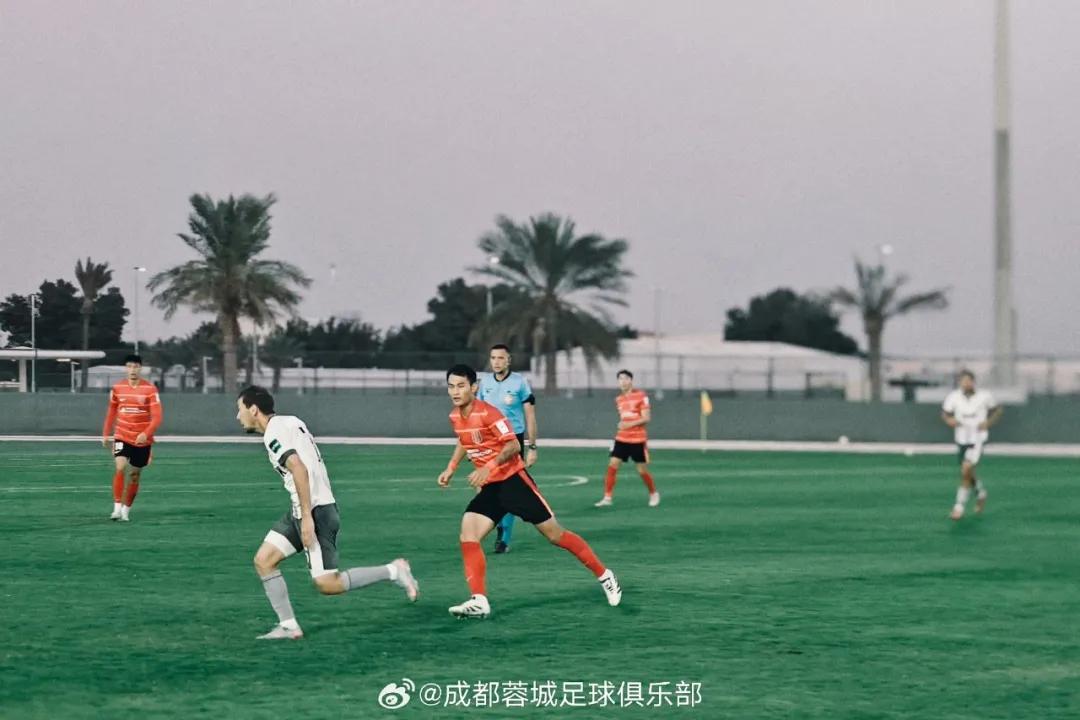
According to statistics, 14 CSL teams opted to train overseas this year, representing 87.5% of the league—a recent high. Currently, many teams’ overseas training is nearing completion. Among them, Shanghai Port, Shanghai Shenhua, and Chengdu Rongcheng chose to go abroad early in the first phase due to their AFC Champions League Elite Tournament duties, and they returned home by the end of January to prepare domestically. Although these three teams performed poorly in the AFC tournament, it served as a valuable opportunity to integrate their squads for the new season. Other teams trained domestically in the first phase before heading abroad for tactical drills and friendly matches.
Most CSL teams traveled to Southeast Asia and the Middle East for winter training, with six teams based in Bangkok and Chiang Mai, Thailand: Beijing Guoan, Tongliang Long, Henan, Wuhan Three Towns, Xinpengcheng, and Tieren.
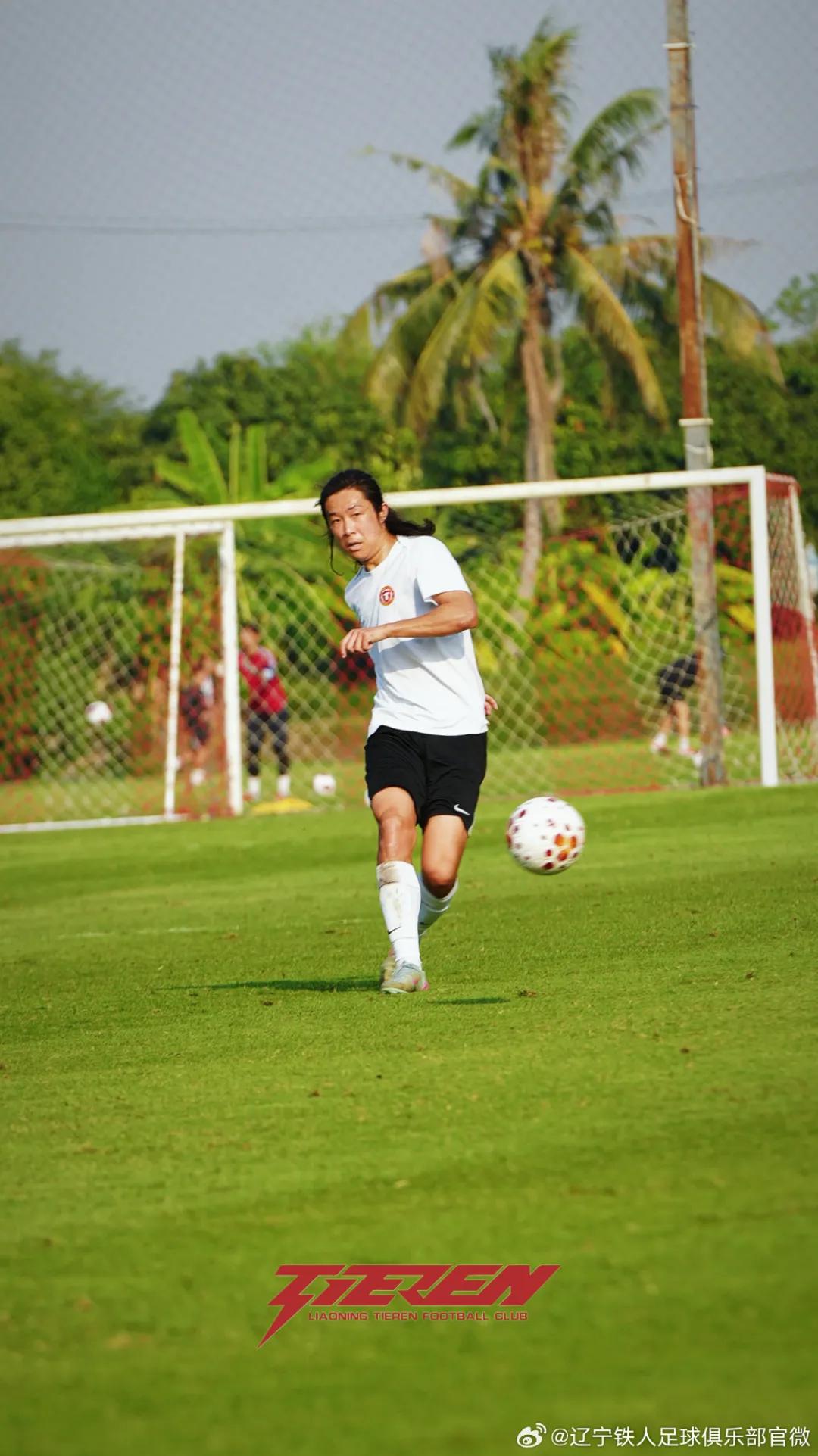
Thailand offers a suitable climate, well-equipped training facilities, numerous friendly match options, and relatively low costs, making it a popular winter training destination for CSL teams over the past decade. Notably, Thai authorities provide tailored friendly match arrangements to meet the diverse needs of CSL clubs.
In the Middle East, six CSL teams trained in the United Arab Emirates this year: Shanghai Shenhua, Chengdu Rongcheng, Yukun, West Coast, Zhejiang, and Yingbo. The UAE boasts world-class infrastructure, especially training bases in Dubai and Abu Dhabi, which attract numerous teams globally for winter camps, offering CSL clubs a variety of warm-up match options.
Also training in the Middle East, Shanghai Port chose Doha, Qatar for their winter camp.
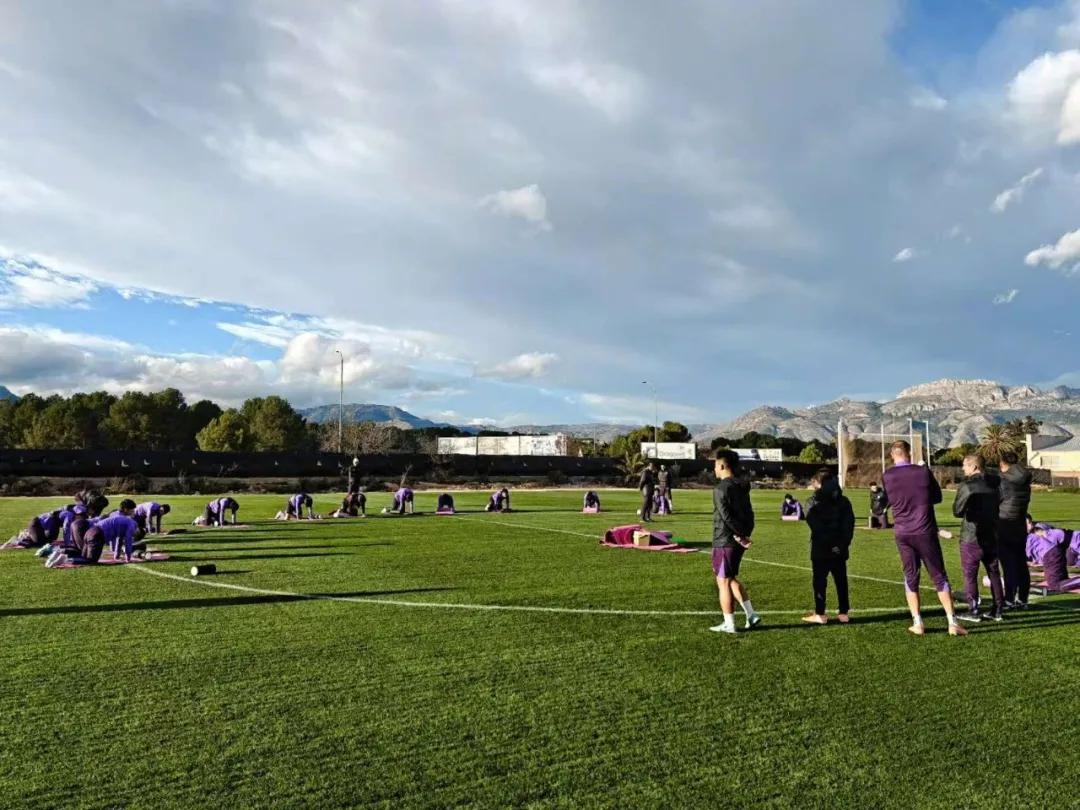
Tianjin Jinmen Tiger was the only CSL team to train in Europe during the second phase, traveling to Spain, reflecting the club’s financial stability and its aim to seek higher-level competition.
However, despite the popularity of overseas training, two clubs—Shandong Taishan and Hainan Seamen—chose to stay domestic due to financial constraints. Taishan trained in Haikou during the first phase and moved to Guangzhou for the second. Hainan Seamen trained at the Kunming Haigeng base initially and planned to go to Thailand for the second phase, but late bookings and saturated local arrangements forced them to cancel.
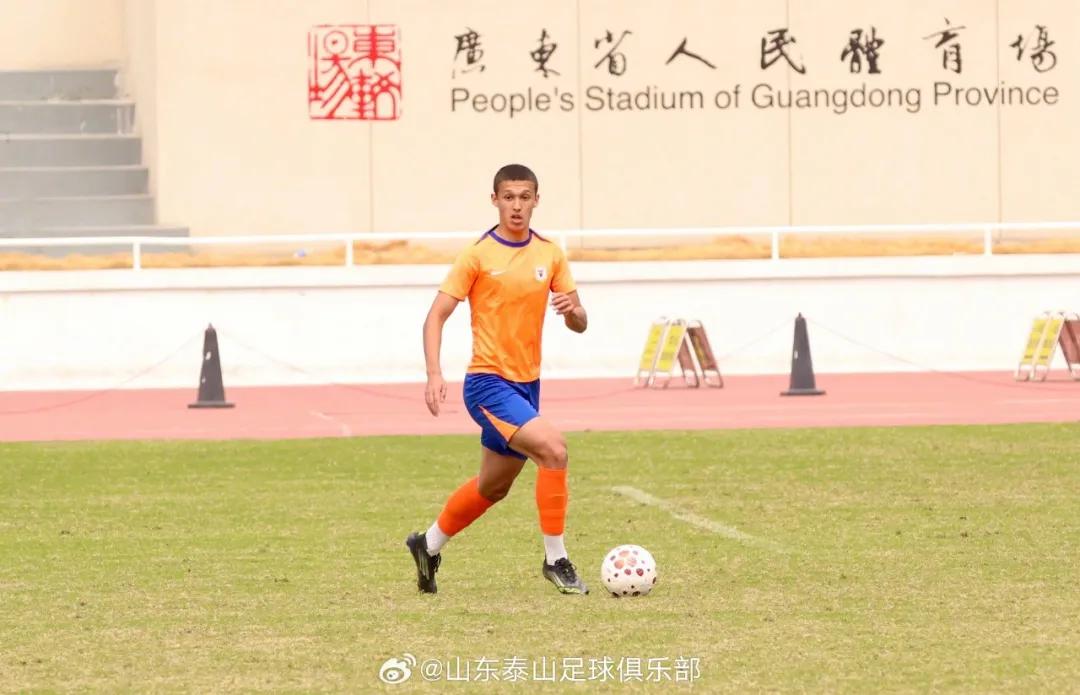

The increase in CSL teams training abroad also brought improvements in training quality. Clubs no longer settle for superficial training camps but seek real progress, aiming to break through by competing against high-level Asian and European opponents. This shift marks a change in CSL clubs’ philosophies toward a more professional approach.
Chengdu Rongcheng, Shanghai Shenhua, and Shanghai Port have completed their training and returned home to prepare for the last two AFC Champions League Elite Tournament matches. During training, Chengdu played five friendlies against Russian Premier League and Uzbekistan Super League teams, winning two and losing three; Shanghai Port faced Russian club Zenit twice, losing 1-4 and 0-6; Shenhua played four friendlies in Dubai, drawing three and losing one, including a 1-2 loss to Ulsan Hyundai.
Among the teams in Thailand, newly promoted Tieren had a packed friendly schedule, starting January 24 with five matches: a 5-0 win over Korea’s Pohang University, a 2-2 draw with K3 league Gyeongju KHNP, a 0-4 loss to K2 league Suwon FC, a 5-4 win against Kasetsart University, and a 5-1 victory over Nonthaburi. Tieren’s friendly rhythm shows early games focused on adaptation against weaker opponents, gradually facing stronger teams as cohesion improved.
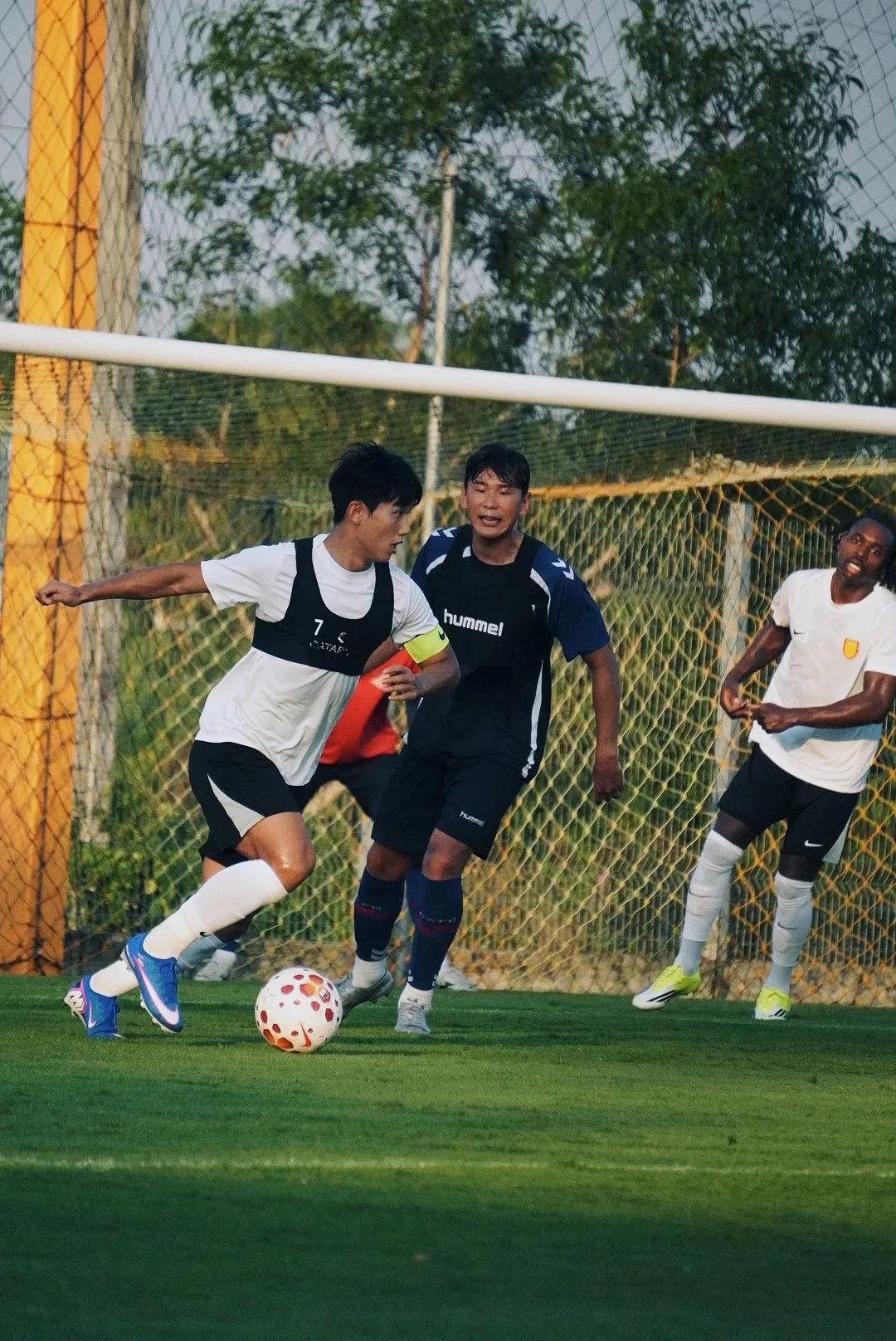
Similarly, newly promoted Tongliang Long trained in Haikou during the first phase with an all-Chinese lineup, playing three friendlies against domestic teams. In Thailand, they initially kept the all-Chinese squad, drawing 1-1 with K1 league FC Anyang and 0-0 with Thai League Rayong. After foreign players joined, on February 7 they played K2 league Suwon FC, subbing in foreign players after 30 minutes and finishing 0-0. On February 8 and 13, they had friendlies against Henan and Shenzhen Young Talent teams.
Xinpengcheng began their second phase winter training in Bangkok on February 1. Due to significant personnel changes, coach Chen Tao aims to evaluate players through friendlies. On the 5th, they lost 0-1 to Thai League Port FC. On the 9th, they plan a friendly with Beijing Guoan and on the 13th, a match against K2 league Paju Citizen.
Henan was the last to finish winter training. During their first phase in Kunming, they played several friendlies against domestic teams. After four days of training in Thailand starting February 2, they beat Thai League 1’s Ayutthaya United 2-1 on the 6th. On the 8th, they played Tongliang Long, with the opponent for the 13th still to be decided.
Henan Football Club
Likes: 271
Similar to Henan, Wuhan Three Towns also played multiple friendlies in Kunming. After arriving in Thailand, they scheduled three friendlies: a 0-0 draw with Korean Paju Citizen, then matches on the 11th against K2 league Hwaseong FC, and on the 13th against Beijing Guoan.
Beijing Guoan drew 1-1 with K2 league Hwaseong FC on February 6. They will also play friendlies against Xinpengcheng and Wuhan Three Towns.
Among teams training in the Middle East, West Coast played two friendlies, drawing 1-1 with Ural Yekaterinburg and losing 0-2 to Rostov.
Zhejiang plans five friendlies against Moscow Rodina B, Tolyatti Akron, Ural Yekaterinburg, Rostov, and Astana, having completed three matches so far.
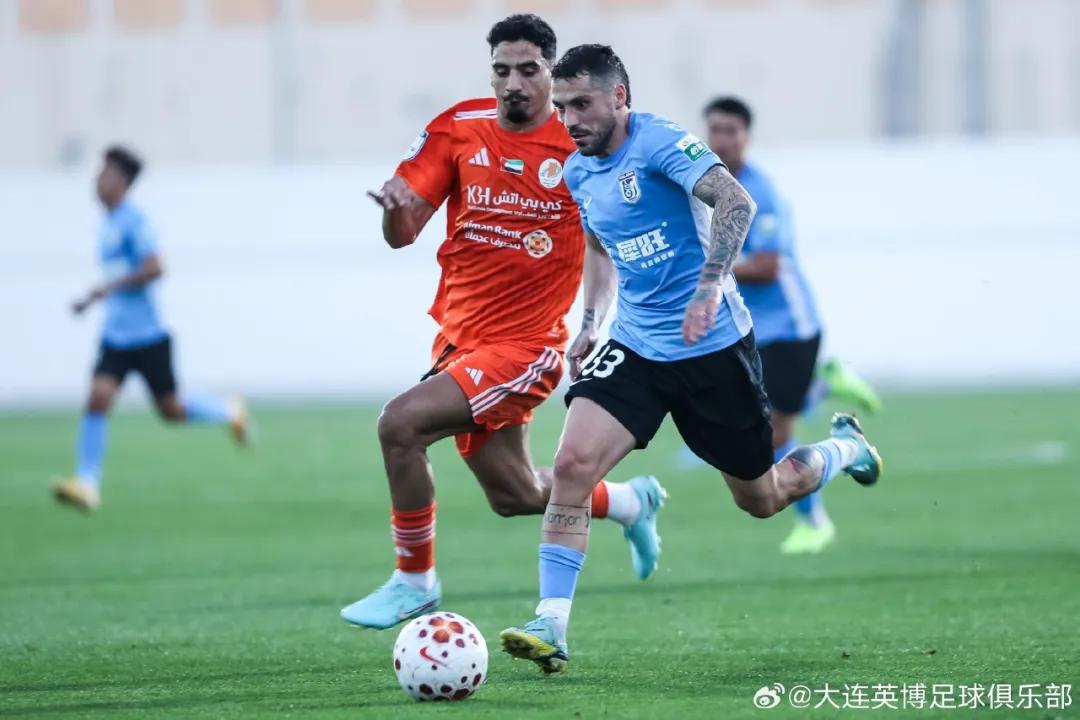
Yingbo went undefeated in four friendlies during their Haikou winter training. In the UAE, they played three matches, losing 0-6 to FC Seoul, 0-1 to Ajman, and 0-1 to Moscow Spartak. They plan another match against Tolyatti Akron on the 10th.
Tianjin Jinmen Tiger, the only team training in Europe, has played two matches, losing 0-3 to Ukrainian club Kryvbas Kryvyi Rih and 0-5 to Elche, with three more friendlies scheduled.
Looking at the friendlies, CSL teams now select opponents based more on tactical needs. Previously, limited and uneven-quality opponents hindered effective preparation. Current feedback shows many teams recognize the benefits of their warm-up matches.
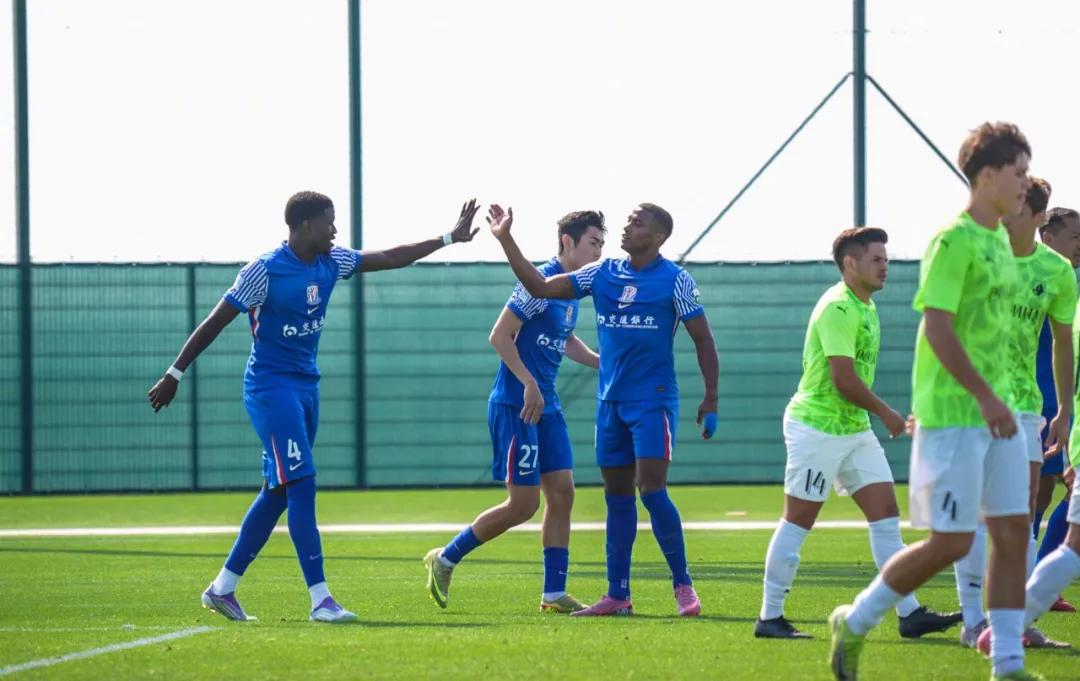

Except for Hainan Seamen and Shandong Taishan, 14 CSL teams chose overseas training, which is not accidental but the result of multiple factors, reflecting new changes in club management philosophies, competitive ambitions, and strategic planning.
Firstly, the improved economic environment has rekindled enthusiasm for overseas training. After industry adjustments, CSL club investments have shifted from heavy spending to pragmatic efficiency, balancing cost and benefit. Destinations like Thailand and the Middle East offer suitable climates, excellent facilities, and substantially lower costs than Europe. It is reported that winter training in Thailand costs only one-third of Europe's, and teams in the same region can share resources and even split training and logistics expenses.
Secondly, competitive demands are the core driver of overseas training. In recent years, CSL competition has intensified, with relegation battles and title races often decided in the final stages, and the gap between teams narrowing. Traditional powerhouses use overseas camps to integrate new signings and upgrade tactics. Beijing Guoan and Shanghai Port sharpen their squads through high-intensity matches against K League and Russian Premier League teams; newly promoted Tieren and Tongliang Long rely on overseas friendlies to quickly adapt to CSL’s pace and physicality while building fitness and team chemistry. Additionally, overseas training offers young players valuable experience and gives coaches opportunities to identify talent.

Shandong Taishan and Hainan Seamen’s decision to stay domestic is a rational choice based on their club situations, adding diversity to the CSL winter training landscape.
Overall, the overseas training boom among CSL clubs represents not only a change in preparation methods but also a reflection of teams’ pursuit of breakthroughs and higher ambitions in the new era.
It can be said that clubs’ management philosophies, coaching staffs’ professionalism, and players’ competitive perspectives are all improving during this transition. The increasing variety of friendly opponents means CSL clubs no longer settle for internal competition but seek to identify weaknesses and pursue growth through challenges against stronger teams.


Wonderfulshortvideo
User VictoryVox has posted a video.


 Links
Links
 Contact
Address:UNIT 1804 SOUTH BANK TOWER, 55 UPPER GROUND,LONDON ENGLAND SE1 9E
Number:+85259695367
E-mali:[email protected]
 App
App


