



Guehi misses out on the League Cup final, Guardiola questions the fairness of the rules? Changing regulations on a whim is even less acceptable!




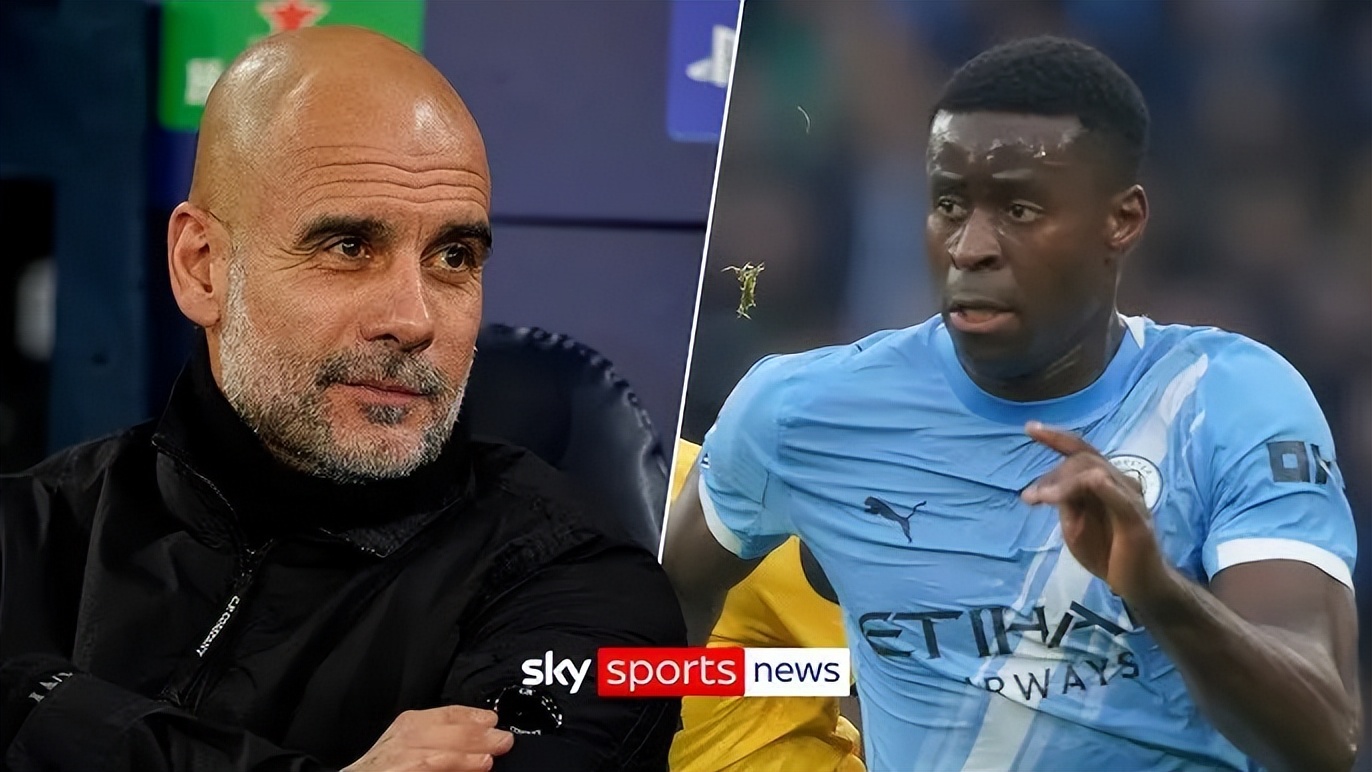
Written by Han Bing Arsenal and Manchester City have both advanced to the League Cup final, yet the main topic among English media and fans is not the direct contest for the first trophy between the top two teams, but the question of whether City's newly signed defender Guehi can play in the final.
After the match, Guardiola openly stated his wish for the officials to permit Guehi to take part. Fans previously unaware of the rule began to understand this unfamiliar regulation. Last summer, the English Football League changed the League Cup player registration rules, allowing a player to represent up to two clubs in the same season's League Cup. However, there is a specific condition: the transfer must be completed before the winter transfer window closes or before the first leg of the League Cup semi-final to qualify for playing in the semi-final and final. The first leg of the semi-final was on January 13, but Guehi transferred on January 19, so according to the rules, he is ineligible to play in the final.
Guardiola claimed that Manchester City would write to the League Cup organizer, the English Football League (EFL), requesting permission for Guehi to represent City in the March 22 final. However, multiple English media outlets consulted insiders at the EFL and received the same response: the League Cup organizers will not make an exception for Manchester City. Guehi not only cannot play in the final but also will not receive a medal since he is not registered as a City player for this competition.
Concerns about the League Cup player registration rules had already caught the attention of media and clubs in January. On January 9, City signed winger Semenyo from Bournemouth, just before the first leg of the semi-final on January 13. Although Semenyo had played for Bournemouth in the League Cup's second round last August, City completed the transfer in time, allowing him to appear in the first leg against Newcastle United on January 13. Newcastle's manager Eddie Howe expressed his frustration with the "new rule" before the match: "I only learned about the League Cup rule change after City signed Semenyo. Honestly, I do not support this rule change at the moment."
Benefiting from the previous player registration rule change, Semenyo made his debut for City in the League Cup semi-final first leg four days after joining, scoring the opening goal in the second half. City triumphed 2-0 away, and after the home leg on February 4, they defeated the defending champions to secure their place in the final.
Semenyo is not the only player who benefited from the League Cup registration rules for City. On January 5, City ended the loan of young center-back Allen at Watford early, and on January 6, registered him with the first team. Allen had also played for Watford in the first round of the League Cup last August and completed the full match in the semi-final first leg.
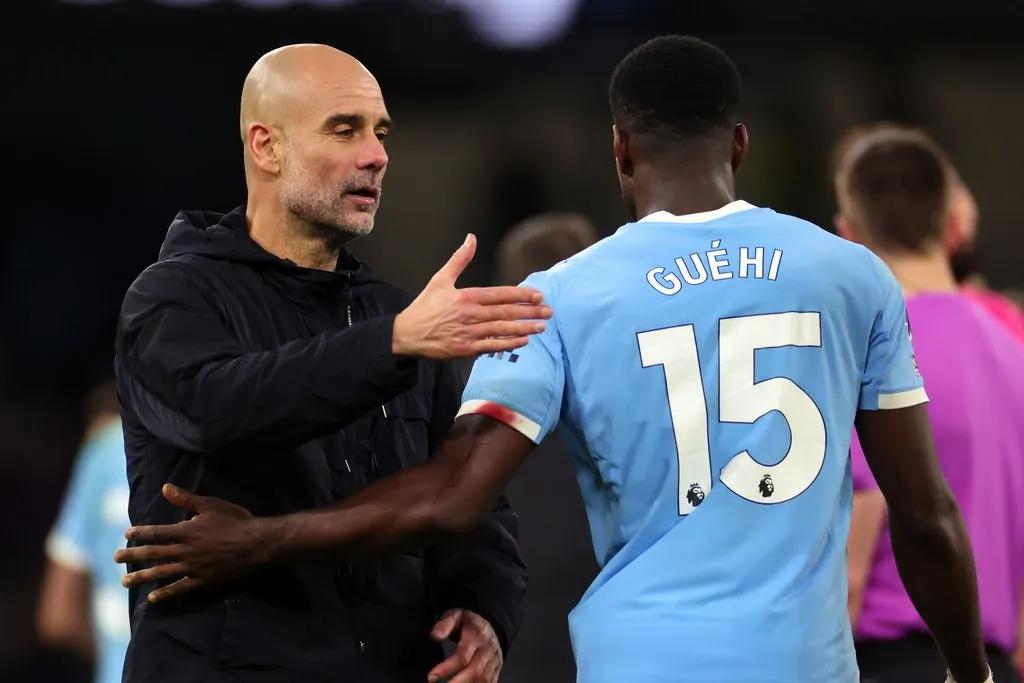
Now, Manchester City is seeking a mid-competition "exception" from the League Cup organizers to allow Guehi to participate despite the rules publicly set before the season began, which naturally faces little support externally. Guardiola argues his complaint is justified: "I want them to change the rule; Guehi is already our player. The transfer rules are set by FIFA, UEFA, and the Premier League, all of which allow Guehi to play, so this makes sense."
English media generally agree that the rule has unreasonable aspects because of the time gap between the winter transfer deadline and the League Cup semi-final first leg, creating a conflict with FIFA, UEFA, and Premier League player registration regulations during the transfer window. Yet, no matter how unfair a policy is, it can only be uniformly revised before the season starts. The English Football League has firmly told the media that the rules will not be bent for any club or player, emphasizing that exceptions would undermine the authority of the competition’s regulations.
The Premier League has a precedent of making exceptions for individuals: in September 2021, Manchester United successfully reinstated Cristiano Ronaldo’s iconic number 7 shirt. At that time, the Premier League rule prohibited players from changing shirt numbers during the season unless transferred. However, the original number 7 owner, Cavani, gave up the number despite remaining at the club, and three rounds had already been played. The incident caused a stir but eventually faded since no other club was disadvantaged. Now, if the English Football League fails to uphold the League Cup registration rules, it would unfairly harm Manchester City’s opponents.



Wonderfulshortvideo
Things you really love to see


Neymar highlights neymar edit neymar lamine yamal celebration
Arsenal 1-0 chelsea havertz goal
Ahead of his 100th cap, Sir Keir Starmer had this message for Maro Itoje…
yamal goal yamal instagram yamal dribble barcelona 2-1 albacete yamal highlights yamal edit
casemiro goal casemiro assist casemiro 6 7 celebration
"Can I just start off by saying I want to congratulate Maro on 100 tests... He's a great bloke and a great player."
 Links
Links
 Contact
Address:UNIT 1804 SOUTH BANK TOWER, 55 UPPER GROUND,LONDON ENGLAND SE1 9E
Number:+85259695367
E-mali:[email protected]
 App
App


