



Is Man City better without Erling Haaland?



Man City secured a spot in the Carabao Cup final following a commanding victory against Newcastle, yet the display without Haaland raised major questions about the efficiency of Pep Guardiola’s team strategy.
Manchester City advanced to the Carabao Cup final after easily overcoming Newcastle, but the focus of the match wasn’t the scoreline; instead, it centered on a major controversy: Man City appeared to perform better without Erling Haaland on the pitch.
Coach Pep Guardiola surprised many by leaving the Norwegian striker on the bench in the second leg of the semi-final. Even without Haaland, Man City dominated completely. Omar Marmoush shone with a quick double, while Tijjani Reijnders added another goal, allowing the Etihad side to swiftly put the game beyond doubt. Man City’s play became faster, more fluid, and highly versatile.

The biggest difference was in how the attack operated. Without a traditional “number 9” target man, Man City pressed more aggressively, with attackers moving freely, constantly swapping positions and stretching the opposing defense. Marmoush, Foden, and Bernardo Silva were not restricted by fixed roles, making their offensive moves less predictable.
On social media, many Man City fans felt the team was “easier to play against” and more balanced without relying on Haaland. This opinion gained more weight given that the Norwegian striker has scored only once in his last eight matches. When Haaland came on in the second half, Man City’s attacking tempo noticeably slowed compared to earlier in the game.
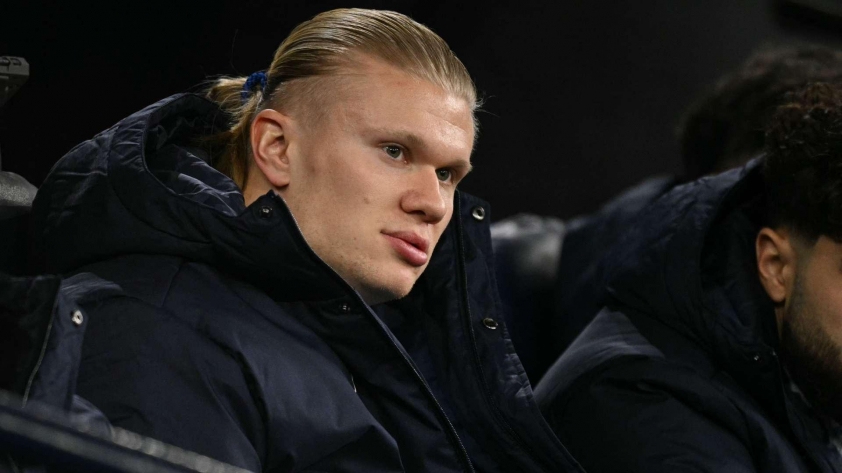
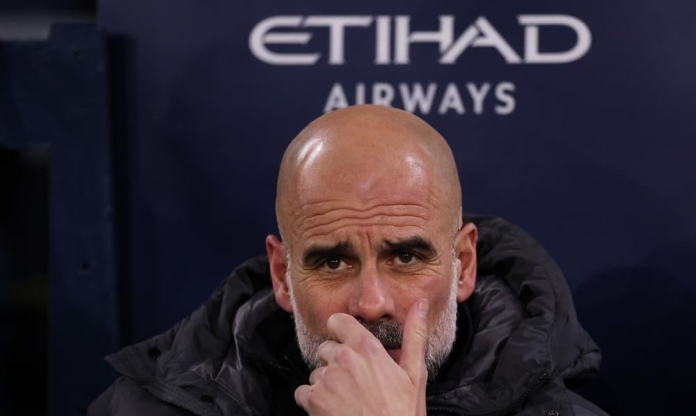
Nevertheless, Pep Guardiola defended his player, insisting Haaland remains a key figure and that his current form is only temporary. Yet clearly, the performance against Newcastle demonstrated that Man City can play effective, collective football without Haaland as the focal point. Thus, the debate continues unresolved.


Wonderfulshortvideo
Things you really love to see


Neymar highlights neymar edit neymar lamine yamal celebration
Arsenal 1-0 chelsea havertz goal
Ahead of his 100th cap, Sir Keir Starmer had this message for Maro Itoje…
yamal goal yamal instagram yamal dribble barcelona 2-1 albacete yamal highlights yamal edit
casemiro goal casemiro assist casemiro 6 7 celebration
"Can I just start off by saying I want to congratulate Maro on 100 tests... He's a great bloke and a great player."
 Links
Links
 Contact
Address:UNIT 1804 SOUTH BANK TOWER, 55 UPPER GROUND,LONDON ENGLAND SE1 9E
Number:+85259695367
E-mali:[email protected]
 App
App


