



Ligament injuries: The haunting nightmare for Vietnam’s ‘golden generations’


Ligament injuries have become a “shadow” haunting Vietnamese football, disrupting the progress of two golden generations of the nation’s football.
Main content
If one had to pick one of the “ghosts” haunting Vietnamese football most in the past decade, it wouldn’t be the pressure of results or succession challenges, but injuries—especially ligament injuries.
From the U23 Vietnam team that made the snowy Thuong Chau 2018 memorable to the generation shaking Riyadh 2026, ligament injuries have repeatedly appeared, interrupting the development rhythm of the country’s most talented players.
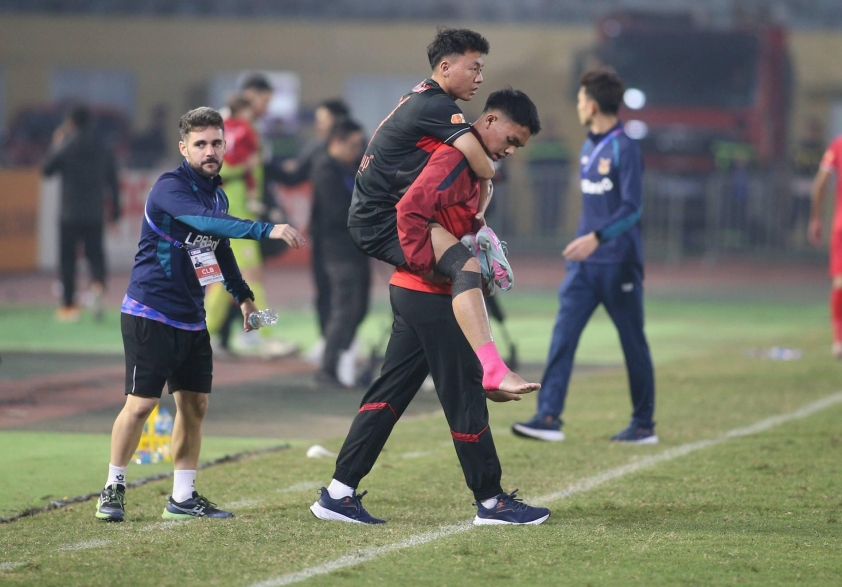
Thuong Chau 2018: glory accompanied by a costly “bill”
After the U23 Asian Championship in Thuong Chau, people often talked about the resilient spirit, emotional moments, and tireless runs. But a few years later, the story took a different turn. Many key players gradually had to undergo surgery for ligament tears.
A shocking statistic: 6 out of 11 starters in the 2018 U23 Asian final had ligament surgery, a number enough to turn a “golden generation” into a “lost generation.”
Among them, names like Tran Dinh Trong, Phan Van Duc, Vu Van Thanh, Luong Xuan Truong, Doan Van Hau, Do Duy Manh… went through familiar cycles: long-term rest, rehabilitation, regaining ball feel, then struggling with fear of recurrence. It’s a worrying coincidence that many players from the same cohort suffered similar injuries.
The most painful thing isn’t just the time (6–9 months or even longer), but the interrupted momentum. Some players had just reached their peak before having to stop; others returned but were no longer the explosive versions they once were. Thuong Chau elevated Vietnamese football’s status, but ligament injuries quietly pulled many stars off their ideal development paths.
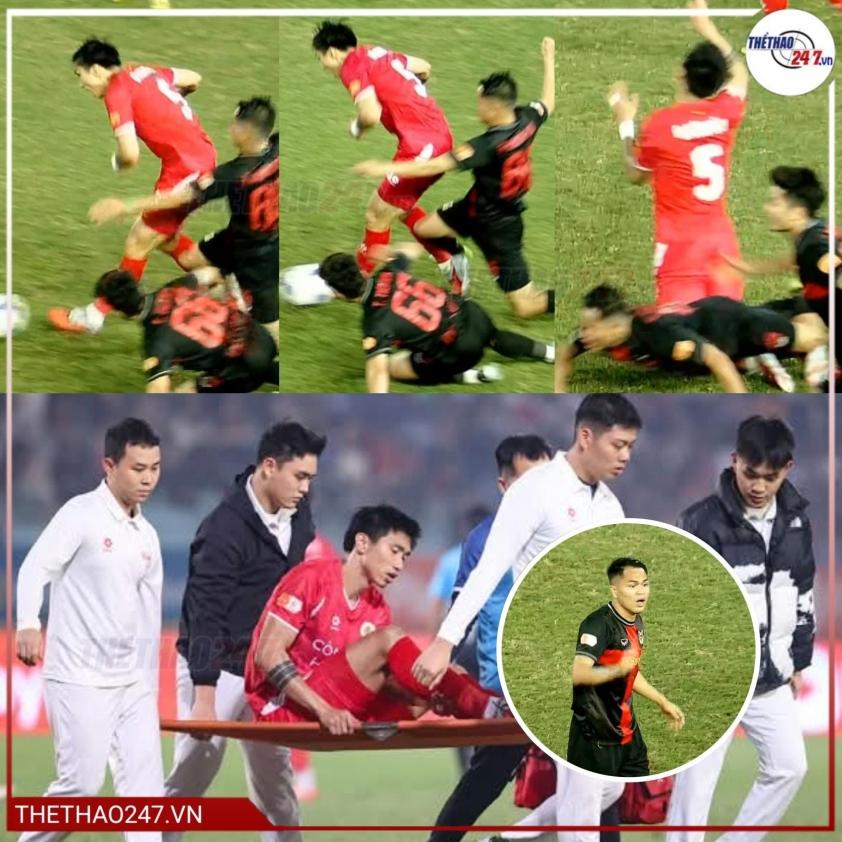
Riyadh 2026: New hope, old wounds
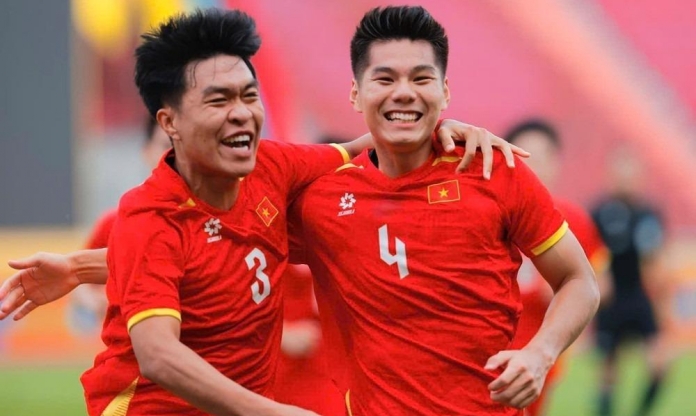
It seemed the 2018 generation’s lesson was deep enough, yet right after the 2026 U23 Asian Championship campaign, Vietnamese football witnessed a painful cycle again, as ligament injuries continued to “knock” on the youngest and most promising players.
First was Bui Vi Hao, who suffered a torn ankle ligament and had to take a long break, missing most of Vietnam’s national team tournaments.
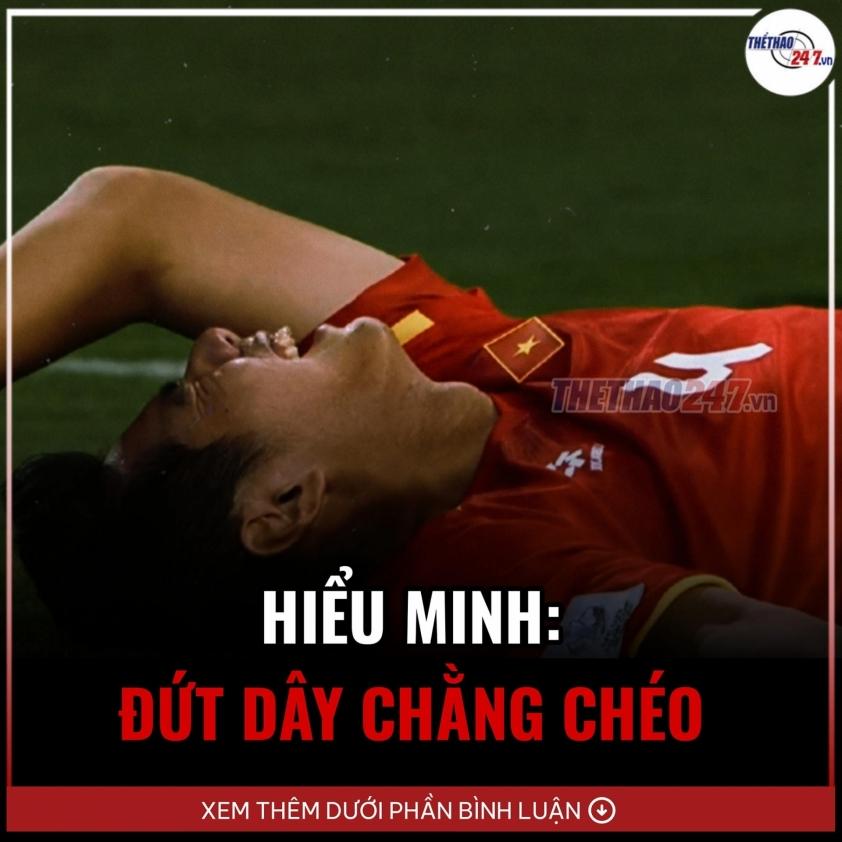
Next was Nguyen Van Truong, who injured his cruciate ligament just before SEA Games 33 and had to sit out the entire 2025/26 season. On the journey to winning bronze at the 2026 U23 Asian Championship, Vietnamese football also lost Nguyen Hieu Minh, who tore his knee ligament during the U23 Asian semi-final.
And most recently, Nguyen Thai Son, who was confirmed to have a torn anterior ligament and is expected to be sidelined for a long time right after his first club match back following national team service.
Looking broadly, the frightening feeling is that whenever Vietnamese football prepares a new batch of talent, ligaments take away several key links. A generation that needs 2–3 years to mature can be forced to start over from a wrong knee twist or a bad landing.
Why has “ligament” become a recurring issue in Vietnamese football?
There is no single cause, nor can it be blamed solely on bad luck. But the long chain of injuries across two generations raises a big question about the ecosystem: from playing surfaces, workload, movement habits to sports medicine capabilities and recovery management.
Experts have warned: for players, especially young ones increasing their load rapidly, cruciate ligament tears can result from a combination of many factors, not just one play. And when one generation has paid the “price” with their careers, the next must be protected by science, protocols, and patience.
Thuong Chau 2018 taught Vietnamese football what belief means. The 2026 U23 Asian Championship shows we can still produce a generation that makes the continent take notice. But between these two peaks lies a fracture named ligament.
And perhaps, this story is not just for regret. It is a reminder that to preserve a “golden generation,” talent and willpower alone are not enough. Modern football requires a foundation to protect players from injuries that can take away the brightest chapters of their careers.


Wonderfulshortvideo
The footwork, the finish 🤌


Did you get it? 🤔😅
The Wirtz x Sané link-up 🔗
Haaland’s movement 🥵
Which counterattack is
When you use your girlfriends shower 🚿 @Emily Bourne @LUSH
Neymar highlights neymar edit neymar lamine yamal celebration
 Links
Links
 Contact
Address:UNIT 1804 SOUTH BANK TOWER, 55 UPPER GROUND,LONDON ENGLAND SE1 9E
Number:+85259695367
E-mali:[email protected]
 App
App


