



Comprehensive crackdown on match-fixing: valuable lessons from international football



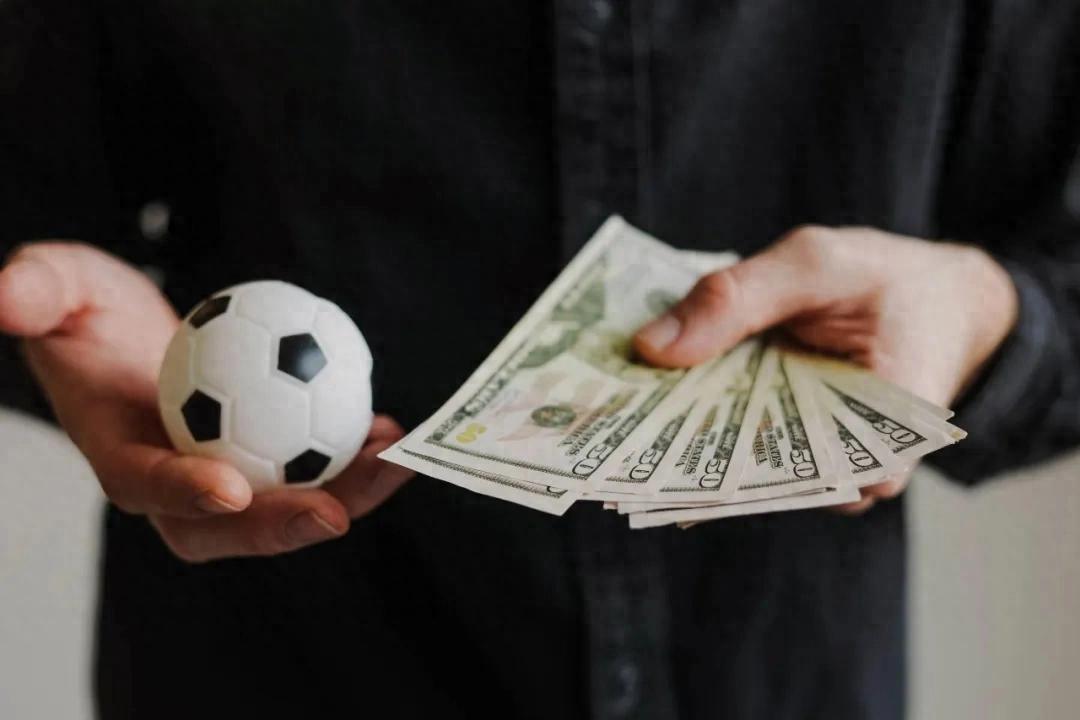
Written by Han Bing The joint special campaign by the Ministry of Public Security, the General Administration of Sport, and the Chinese Football Association to combat “fake, gambling, and black” activities has achieved phased results. This over three-year governance has objectively enabled Chinese football to build a comprehensive system of monitoring, investigation, and penalties through regulations, social oversight, and collaboration with judicial departments. Looking ahead, to sustain the fight against “fake, gambling, and black” and consolidate governance achievements, Chinese football can draw on mature mechanisms from international football.

During the more than three-year special campaign against “fake, gambling, and black,” the Chinese Football Association gradually improved regulations targeting match manipulation and corruption. From the revised 2024 edition of the “Chinese Football Association Disciplinary Code” to clear provisions for social supervisors and reporting mechanisms, the CFA has established a more comprehensive regulatory framework to combat match manipulation and corruption. In fact, international football governing bodies are also continuously refining their rules and laws to establish clear and enforceable foundations. In early 2023, FIFA released updated versions of the “Disciplinary Code” and “Code of Ethics,” explicitly strengthening its crackdown on match manipulation.
Regarding enhancing fairness and transparency in investigations, some advanced practices in international football are worth referencing for Chinese football. Notably, FIFA for the first time entrusted investigations of specific disciplinary and ethical issues to an independent third-party Professional Ethics Investigations Panel. This represents a historic reform in FIFA’s fight against match manipulation and corruption, moving away from relying solely on internal disciplinary and ethics committees to an independent professional body, thereby improving impartiality and transparency. The CFA’s appointment of social supervisors and issuance of interim measures for reporting “fake, gambling, and black” issues have also improved the efficiency of combating match manipulation and corruption to some extent. However, FIFA’s approach remains a valuable model for Chinese football to consider.

Beyond the CFA’s own regulations, many football-developed countries have specific legal provisions targeting match manipulation, allowing for more precise penalties. For example, in 2017 Germany added sports gambling fraud and sports match manipulation crimes, along with aggravated circumstances, to its Criminal Code. Targeted legislation can help resolve issues in identifying illegal facts and applying laws when combating match manipulation.
Spain includes match manipulation offenses in its Criminal Code, with offenders facing 6 months to 4 years imprisonment and a “ban period” of 1 to 6 years from football activities. The Spanish Football Federation imposes fines ranging from €3,000 to €30,000 depending on severity, revokes professional qualifications for 2 to 5 years, and can even impose lifetime bans from football activities. Australia has more comprehensive legislation against match manipulation, covering international law, national criminal law, sports law, state criminal laws, and sports organizations’ self-governance laws, achieving full legal coverage.
From industry regulations to national legal provisions, international football’s approaches to governing “fake, gambling, and black” issues offer valuable insights for us to effectively learn from through in-depth study.
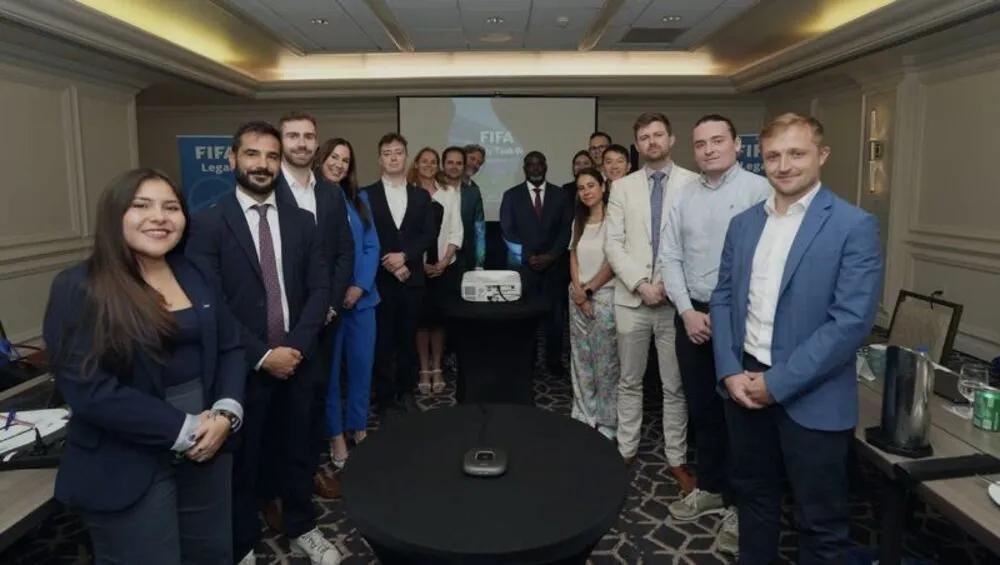

Besides severe post-incident punishments, football management bodies like the European Professional Leagues and UEFA regularly conduct “pre-emptive warning education.” Spain’s professional leagues hold annual educational sessions covering all 42 clubs in La Liga and Segunda División under their jurisdiction. These expert-led lectures total up to 160 per year. All professional players must attend and sign acknowledgment forms as proof of participation. The education covers strict prohibitions against directly manipulating match results, deliberately causing red or yellow cards, penalties, betting on matches involving their own teams; bans on using or sharing insider information for betting or other benefits, including leaking injury-related starting lineup changes; and forbidding the provision or receipt of match bonuses from third parties.
The UK sports authorities, together with the Gambling Commission, have established a special task force cooperating with the Premier League to educate British professional athletes, including Premier League players, on anti-match-fixing. They invite former players imprisoned for match manipulation to share firsthand experiences about risks of third-party approaches and inducements. Collaborating long-term with FIFA, the betting data monitoring company Sportradar also holds “Integrity Workshops” as part of anti-match-fixing education. Company experts regularly visit sports clubs and associations across Europe, providing athletes, coaches, referees, and officials with practical advice and information on global betting patterns and match manipulation topics.
In 2014, UEFA adopted 11 resolutions under the initiative “European Football United to Protect Match Integrity,” including preventive education, coordinated regulations, and reporting systems. Both UEFA and FIFA conduct anti-match-fixing “warning education” before major tournaments. UEFA’s anti-match-fixing department, under the Integrity and Regulatory unit, works closely with relevant departments of participating associations before the European Championship. UEFA requires associations to organize educational lectures for players, coaches, staff, and referees, emphasizing the risks of sports betting and match manipulation as well as related regulations and laws. Focus is placed on how players and referees can be targeted for manipulation and the importance of reporting any inducements to participate. At the end of 2022, UEFA partnered with the University of Lausanne’s Criminal Law Faculty to launch an educational program called “Fighting Match-Fixing.”
International football prioritizes both warning education and continuous enforcement in combating match manipulation. Especially noteworthy are expert-led sessions addressing risks of third-party inducements to players, which are highly targeted. Chinese football can similarly learn from and adopt these effective international educational practices in its anti-match manipulation efforts.

In recent years, the professional leagues of Europe’s top five competitions, UEFA, and FIFA have established sophisticated big data monitoring systems. The Spanish Professional Leagues have built comprehensive collaboration mechanisms with mainstream bookmakers, sports betting anti-fraud centers, and judicial authorities, using TYCHE software to monitor betting fund flows in real time. When bookmakers detect abnormal large-scale betting, alerts are triggered and reported to the professional leagues. Judicial bodies also receive alerts and initiate legal procedures to identify suspects for further investigation.
In 2014, UEFA signed a memorandum with Europol, which assists EU law enforcement agencies in analyzing sports corruption investigation data, mainly involving football matches. Europol set up a “Sports Corruption Focus Center” covering all of Europe. UEFA also collaborates with major European bookmakers in big data sharing, jointly analyzing and investigating match manipulation cases with Europol.
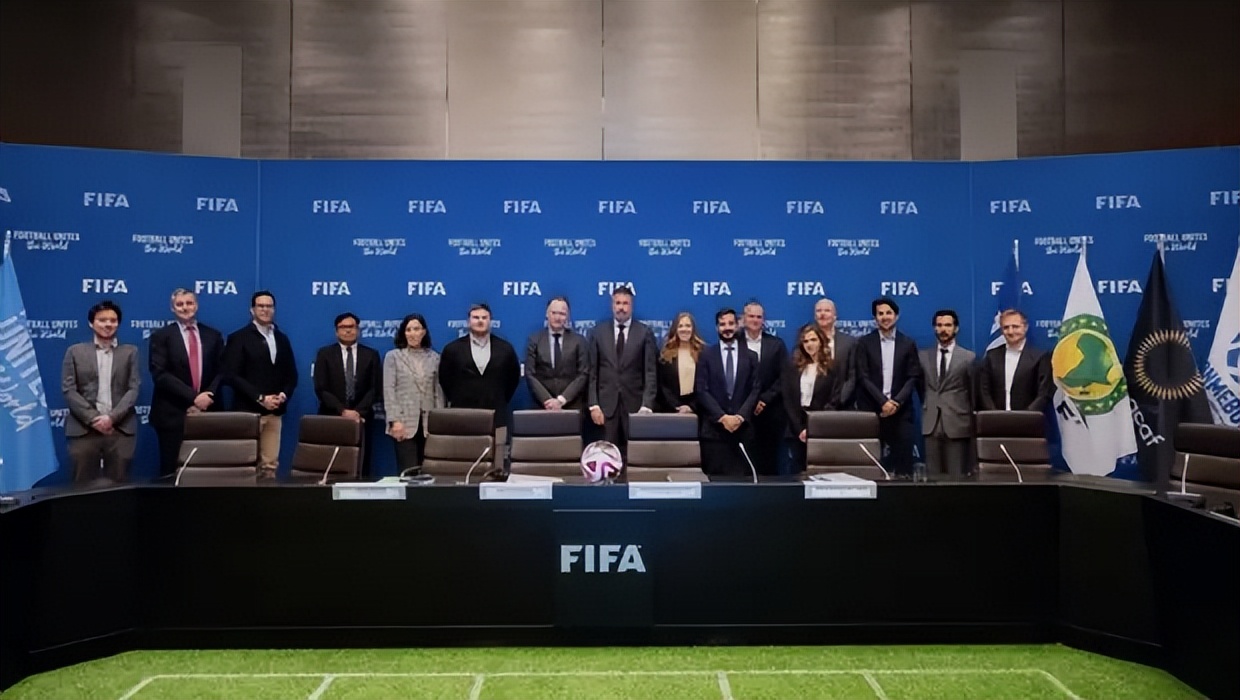
In 2017, FIFA partnered with data company Sportradar to combat match manipulation using big data. Sportradar’s 60-member data team, based in the US, Europe, South America, and Australia, employs AI and machine learning to monitor over 600 bookmakers worldwide annually, covering nearly 900,000 matches across 90 sports with up to 35 billion odds changes. The company provides FIFA with a full suite of monitoring, data, and training services, including a “Fraud Detection System” analyzing suspicious football match manipulation. Monitoring covers FIFA-organized men’s and women’s age-group World Cup qualifiers and finals, Olympic football, affiliated association leagues, and continental events.
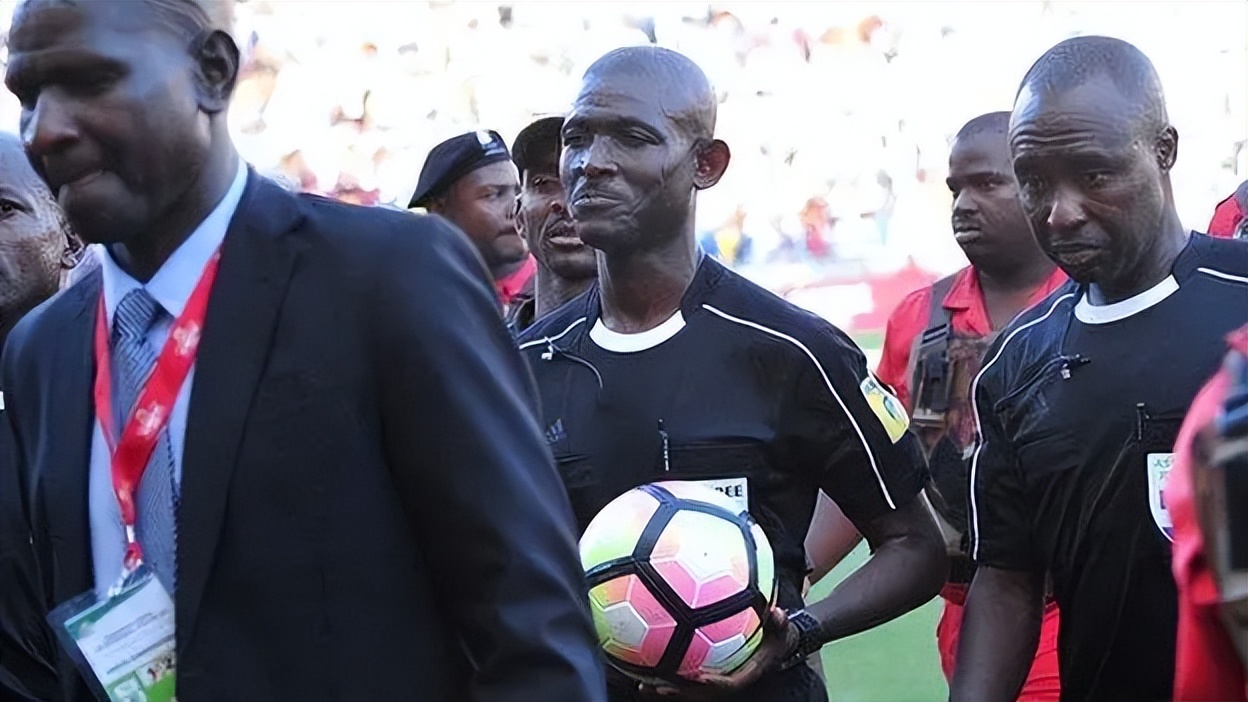
A typical case of big data cooperation occurred in 2016 when Sportradar identified suspicious bets during the South Africa vs. Senegal World Cup qualifier. Bets concentrated on “over” total goals, later linked directly to referee Lamptey from Ghana deliberately awarding a non-existent penalty. After joint investigations confirmed the violation, Lamptey was banned for life. Before the 2022 World Cup, FIFA, Sportradar, Interpol, and the International Betting Integrity Association (IBIA) formed an “Integrity Task Force” to monitor betting on every World Cup match closely, focusing on irregularities.
In October 2024, Sportradar, IBIA, and the Brazilian Ministry of Finance signed a cooperation agreement to share suspicious betting activity data related to Brazilian sports and jointly investigate using big data. Using monitoring data provided by Sportradar, IBIA identifies suspicious betting behaviors in Brazilian sports, especially football, and reports them to the Ministry of Finance for further inquiry.
In April 2024, the General Administration of Sport issued the “Work Plan for Governing the Football Industry’s ‘Fake, Gambling, and Black’ Issues,” explicitly proposing cooperation with internationally renowned sports data companies to use technology and big data for real-time football match monitoring, effectively enhancing the ability to detect fixed matches and illegal betting. At the “2024 Professional League Special Press Briefing,” the CFA also announced close collaboration with sports and public security systems to apply new technologies to identify and monitor high-risk matches suspected of “fake, gambling, and black.” Regarding cooperation with international sports data companies, the Sports Administration and CFA can draw on the established experiences of Europe’s top leagues, UEFA, and FIFA.


Wonderfulshortvideo
The footwork, the finish 🤌


Did you get it? 🤔😅
The Wirtz x Sané link-up 🔗
Haaland’s movement 🥵
Which counterattack is
When you use your girlfriends shower 🚿 @Emily Bourne @LUSH
Neymar highlights neymar edit neymar lamine yamal celebration
 Links
Links
 Contact
Address:UNIT 1804 SOUTH BANK TOWER, 55 UPPER GROUND,LONDON ENGLAND SE1 9E
Number:+85259695367
E-mali:[email protected]
 App
App


