



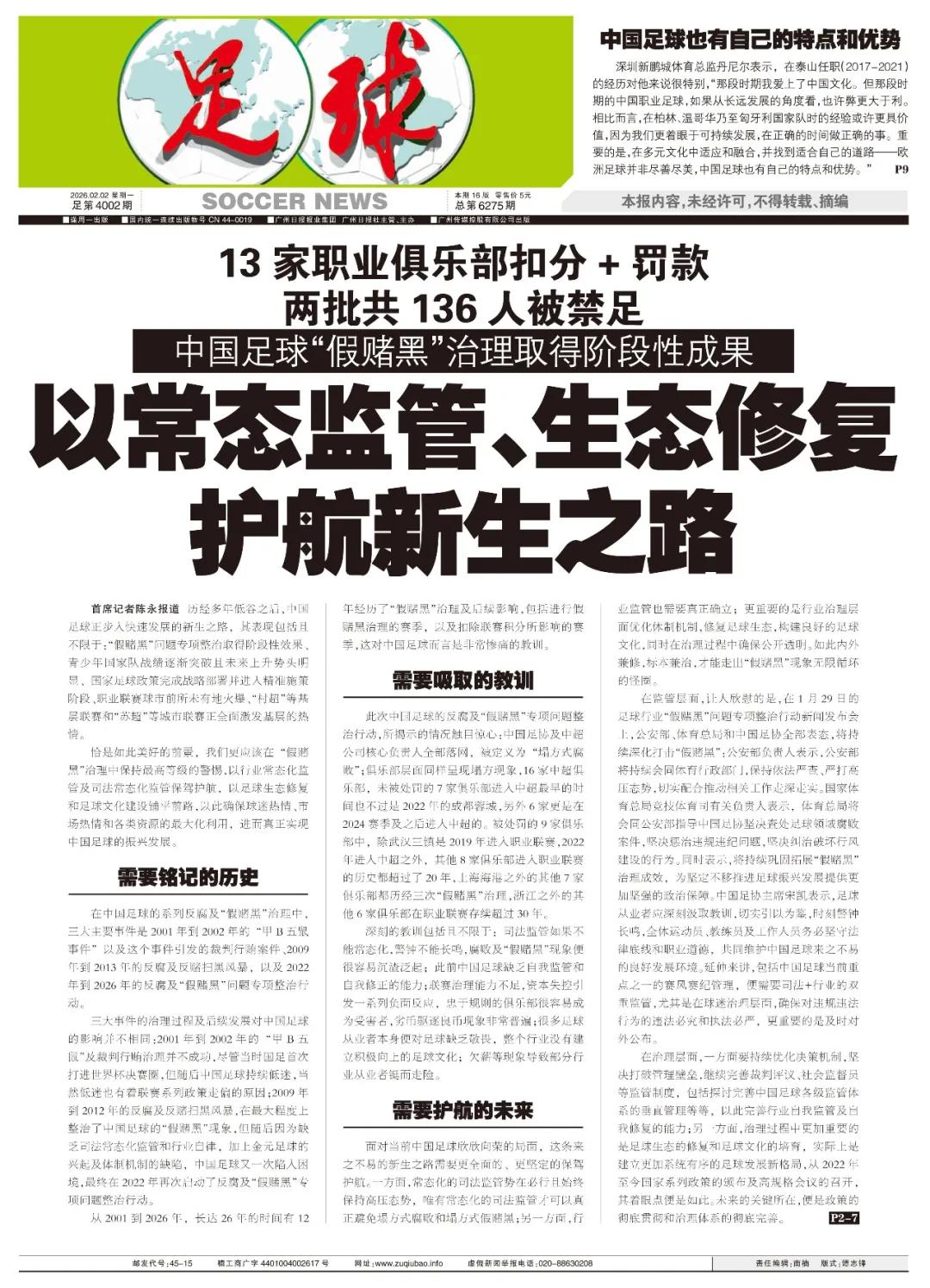
Safeguarding the New Era of Chinese Football through Routine Supervision and Ecological Restoration




Chief Reporter Chen Yong reports After enduring a prolonged downturn, Chinese football is now on a fast track to revival, as evidenced by, among other things, phased progress in combating match-fixing and corruption, notable improvements and clear upward momentum in youth national team performances, the completion of strategic planning and transition to targeted policy execution in national football governance, an unprecedented surge in professional league attendance, and grassroots competitions like the “Village Super” and city leagues like the “Su Super” actively stimulating local passion.
Given such a promising outlook, it is even more critical to maintain the highest vigilance in combating match-fixing and corruption, ensuring protection through normalized industry oversight and judicial supervision, paving the way with ecological restoration and football culture development, thereby maximizing fan enthusiasm, market vitality, and resource utilization to truly achieve the revitalization and growth of Chinese football.
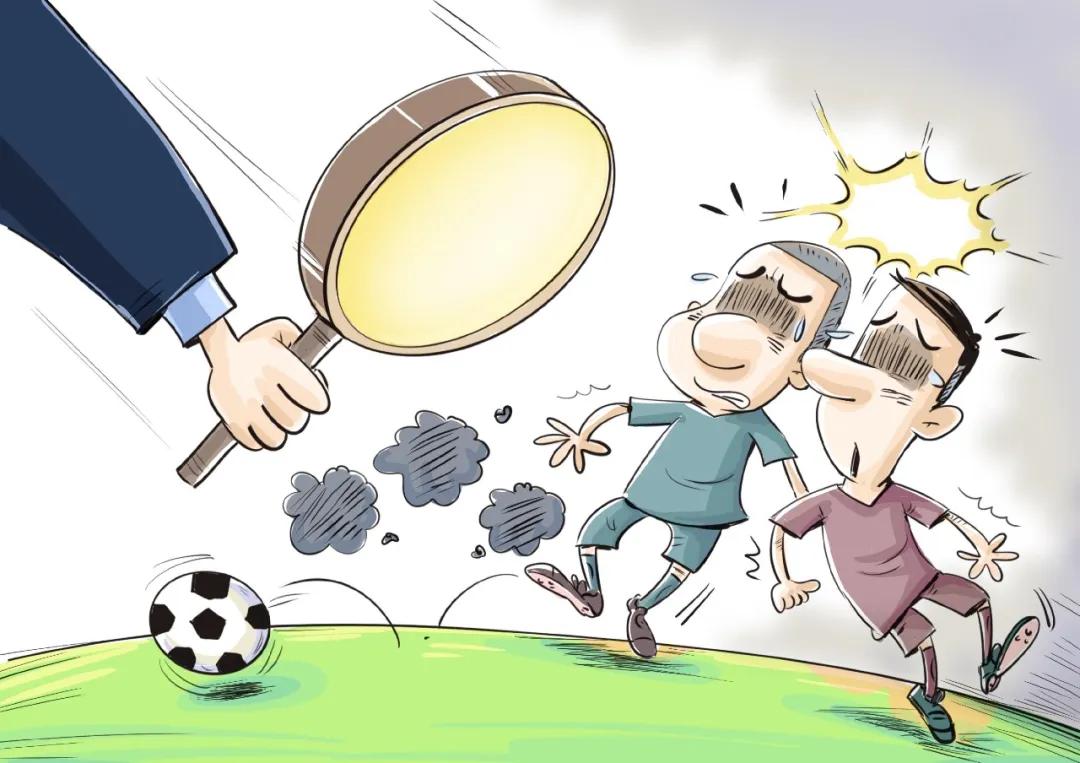

In the series of anti-corruption and match-fixing crackdowns in Chinese football, three major events stand out: the “Jia B Five Rats Incident” and the related referee bribery cases from 2001 to 2002; the anti-corruption and anti-gambling crackdown from 2009 to 2013; and the special anti-corruption and match-fixing campaign from 2022 to 2026.
The governance processes and their aftermath of these three key events had differing impacts on Chinese football: The 2001-2002 “Jia B Five Rats” and referee bribery crackdown was unsuccessful; despite the national team’s first World Cup finals appearance then, Chinese football continued to decline, partly due to misguided league policies. The 2009-2012 anti-corruption and anti-gambling campaign largely curbed match-fixing, but due to the lack of ongoing judicial supervision and self-discipline, combined with the rise of money-driven football and systemic flaws, Chinese football fell into trouble again, prompting the 2022 special anti-corruption and match-fixing initiative.
From 2001 to 2026, a span of 26 years, 12 years were marked by match-fixing governance and its repercussions, including seasons under investigation and those affected by point deductions, representing a harsh lesson for Chinese football.
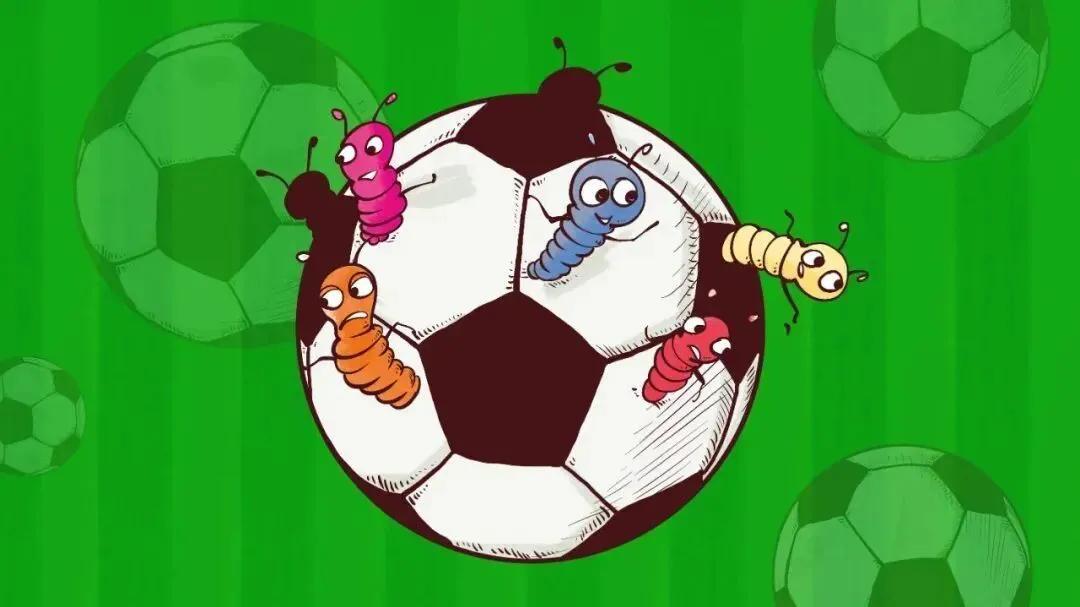

The current special anti-corruption and match-fixing campaign in Chinese football reveals alarming facts: all key leaders of the Chinese Football Association and the Chinese Super League company have been arrested, described as a “collapse-style corruption”; at the club level, a similar collapse is evident—among 16 CSL clubs, the 7 not punished only entered the league as recently as 2022 with Chengdu Rongcheng, and 6 others joined in 2024 or later. Of the 9 punished clubs, apart from Wuhan Three Towns which entered the professional league in 2019 and the CSL in 2022, the other 8 have histories exceeding 20 years in professional football. Except for Shanghai Port, the other 7 clubs have endured three rounds of match-fixing crackdowns, and besides Zhejiang, the other 6 clubs have been part of the professional league for over 30 years.
Profound lessons include but are not limited to: without normalized judicial supervision and constant vigilance, corruption and match-fixing easily resurface; previously, Chinese football lacked self-regulation and self-correction; league governance was weak, unchecked capital led to negative consequences, and rule-abiding clubs often became victims amid widespread “bad money drives out good” phenomena; many football practitioners lacked reverence for the sport itself, with the entire industry failing to establish a positive football culture; issues like wage arrears pushed some insiders to desperate measures.

Facing the current flourishing state of Chinese football, this hard-won new path requires more comprehensive and resolute protection. On one hand, regular judicial oversight must be enforced with sustained high pressure to effectively prevent collapse-style corruption and match-fixing; on the other hand, industry regulation must be genuinely established. More importantly, governance should optimize institutional frameworks, restore the football ecosystem, build a healthy football culture, and ensure transparency throughout the process. Only through such internal and external efforts addressing root causes can the endless cycle of match-fixing be broken.
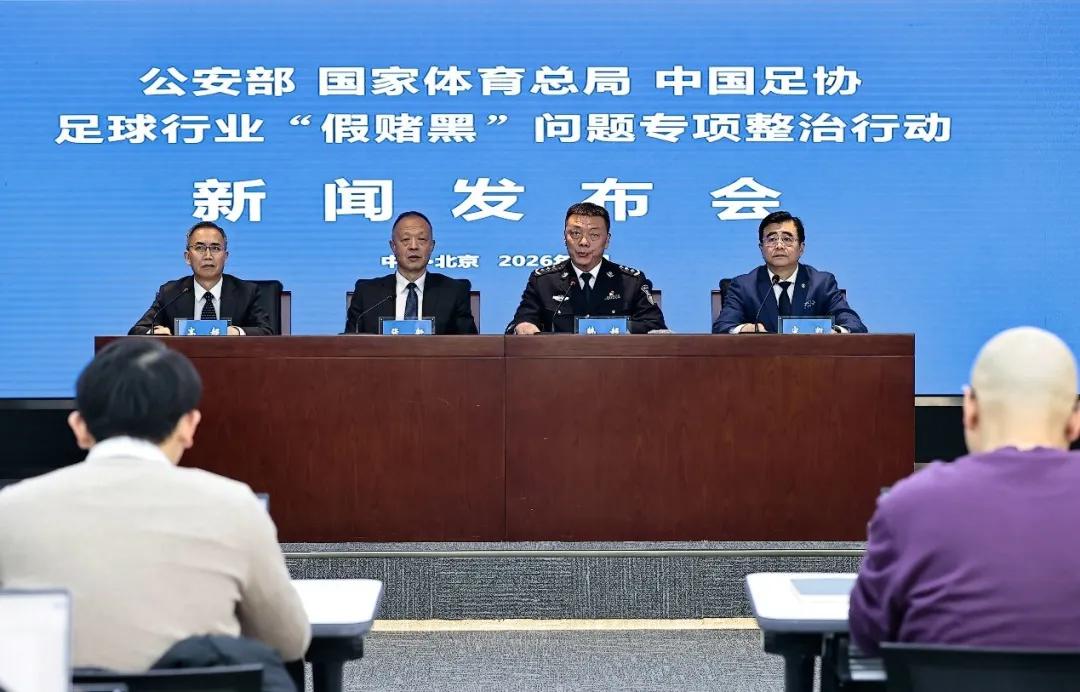
On the regulatory front, it is reassuring that at the January 29 press conference on the special campaign against match-fixing in football, the Ministry of Public Security, the General Administration of Sport, and the Chinese Football Association all pledged to deepen their crackdown: a Public Security official stated that the ministry will continue collaborating with sports authorities to uphold strict law enforcement and maintain high-pressure actions, ensuring thorough implementation; a representative from the General Administration of Sport’s competitive sports department said they will cooperate with the Public Security Ministry to guide the CFA in resolutely investigating corruption cases, punishing violations, and correcting misconduct undermining sportsmanship. They also vowed to consolidate and expand governance achievements to provide stronger political support for football’s revitalization. Chinese Football Association Chairman Song Kai emphasized that football professionals must deeply learn from these lessons, remain vigilant, and strictly adhere to legal and ethical standards to jointly protect the hard-earned positive development environment of Chinese football.
Extending further, key areas such as current management of competition ethics in Chinese football require dual oversight from both judicial and industry regulators, especially regarding fan management, to ensure that violations are strictly punished and enforcement is rigorous, with timely public disclosure being even more crucial.
On the governance side, efforts must continue to optimize decision-making processes, decisively break down management barriers, and improve systems such as referee evaluations and social supervision, including exploring vertical management structures across all levels of Chinese football’s regulatory framework to enhance self-regulation and self-repair capabilities. Equally important is the restoration of the football ecosystem and cultivation of football culture, essentially building a more systematic and orderly new pattern for football development. Since 2022, national policies and high-level meetings have focused precisely on these goals. The future hinges on thorough policy implementation and comprehensive improvement of governance systems.


Wonderfulshortvideo
The footwork, the finish 🤌


Did you get it? 🤔😅
The Wirtz x Sané link-up 🔗
Haaland’s movement 🥵
Which counterattack is
When you use your girlfriends shower 🚿 @Emily Bourne @LUSH
Neymar highlights neymar edit neymar lamine yamal celebration
 Links
Links
 Contact
Address:UNIT 1804 SOUTH BANK TOWER, 55 UPPER GROUND,LONDON ENGLAND SE1 9E
Number:+85259695367
E-mali:[email protected]
 App
App


