



Why has the AFC not yet ruled Malaysia as defeated by Vietnam?



Despite FIFA’s formal sanction on Malaysia, the AFC has not delivered its conclusive verdict. This postponement has stirred anxiety among the regional public, particularly supporters from Vietnam.
FIFA has formally announced that Malaysia loses three friendly matches against Cape Verde (May 29), Singapore (September 4), and Palestine (September 8). The reason is The Football Association of Malaysia (FAM) fielded ineligible players. As a direct consequence, Malaysia dropped 5 places in the FIFA rankings for December, released on December 22.
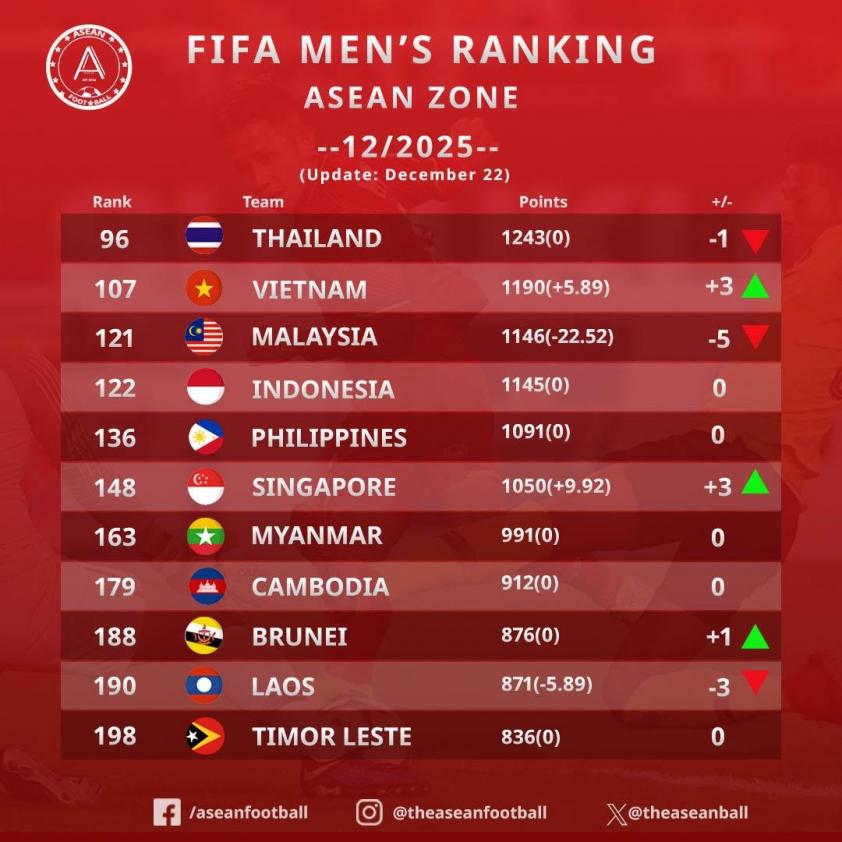
However, the matches drawing the most public attention are the Asian Cup qualifiers, specifically the two games against Nepal and Vietnam. These matches fall under AFC’s jurisdiction, so although FIFA has concluded the international matter, it cannot intervene or issue rulings.
In fact, although criticized for hesitation, AFC’s caution is understandable. Historically, the Court of Arbitration for Sport (CAS) has overturned or modified decisions made by football federations. The closest precedent is Ecuador: this team used naturalized players improperly in the 2022 World Cup qualifiers, but CAS only penalized points in the 2026 qualifiers without altering past results.
Malaysia’s case differs in many aspects from Ecuador’s, yet the AFC has solid reasons to await CAS’s final ruling to avoid premature decisions that might need later revision. Especially with FIFA Days paused until March, AFC faces no immediate scheduling pressure.
CAS’s verdict is expected in early January 2026. By then, both Vietnam and Malaysia teams will not have started preparations for the final Asian Cup qualifying round, so waiting will not significantly disrupt sporting matters.
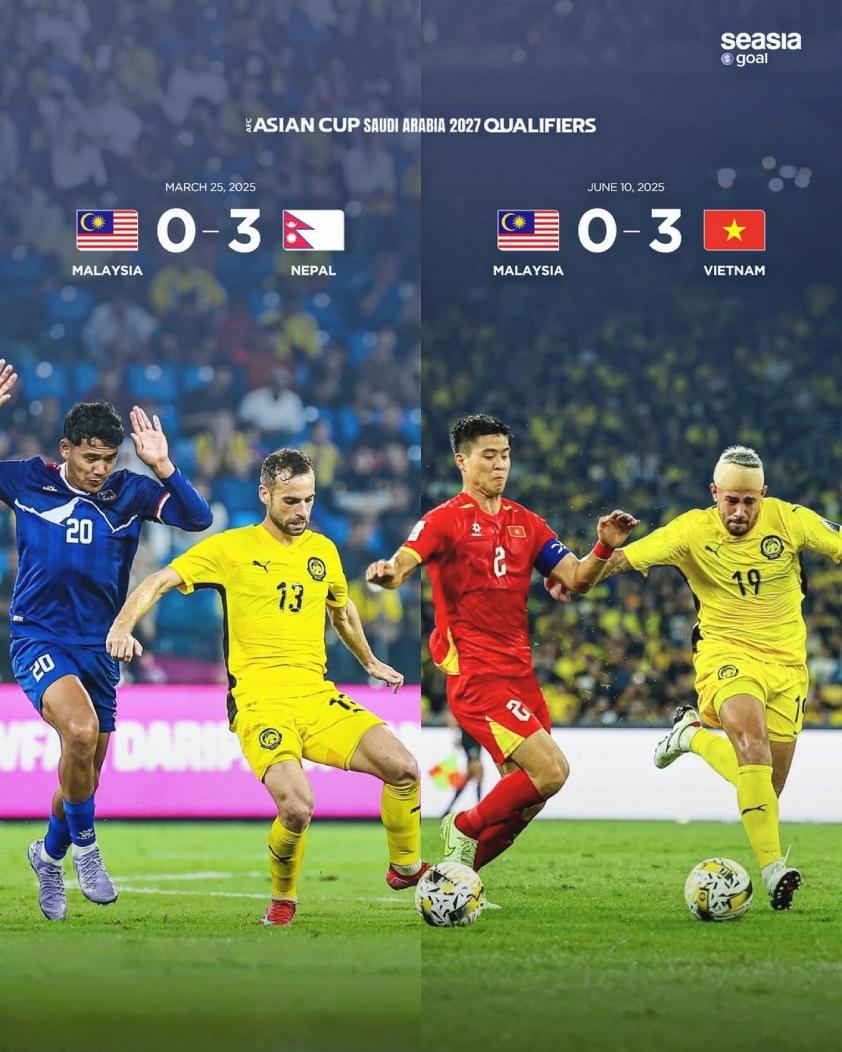
In this context, AFC’s delay likely stems not from political or relational factors but from a strategic choice to wait for the legal verdict before making decisions that directly affect the Asian Cup qualifiers,including the outcome of the Malaysia vs Vietnam match.
Nevertheless, the repeated postponements by Asia’s football governing body have led many supporters, even from other countries, to suspect that AFC is deliberately delaying due to close ties with Malaysian football. This suspicion arises because the AFC headquarters is located in Kuala Lumpur, Malaysia’s capital, and the AFC Secretary-General, Mr. Windsor John, is Malaysian.
Mr. Windsor John sparked controversy when he suggested AFC might not impose additional sanctions after FIFA’s conclusion in late September but later clarified that AFC will take action if Malaysia fails to overturn the situation during appeals.
The Malaysian government, through strong statements by Youth and Sports Minister Hannah Yeoh, has publicly criticized FAM. This makes the possibility of AFC “covering up” for Malaysian football almost unfounded.




Wonderfulshortvideo
Kvaratskhelia and Ronaldo 🫶


🇪🇸 Spain 🆚 Argentina 🇦🇷
Arsenal goal today arsenal 2-1 chelsea arteta interview arteta press conference
When Diogo Costa saved EVERY penalty he faced in the shoot-out 🤯🤯🤯
The movement is electric ⚡️
Mbappe injury mbappe surgery real madrid 0-1 getafe mbappe return date mbappe edit
ronaldo almeria ronaldo buying new club ronaldo owner ronaldo manchester united owner
 Links
Links
 Contact
Address:UNIT 1804 SOUTH BANK TOWER, 55 UPPER GROUND,LONDON ENGLAND SE1 9E
Number:+85259695367
E-mali:[email protected]
 App
App


