



Africa Cup reform + founding of African Nations League, African football becomes Infantino’s bargaining chip


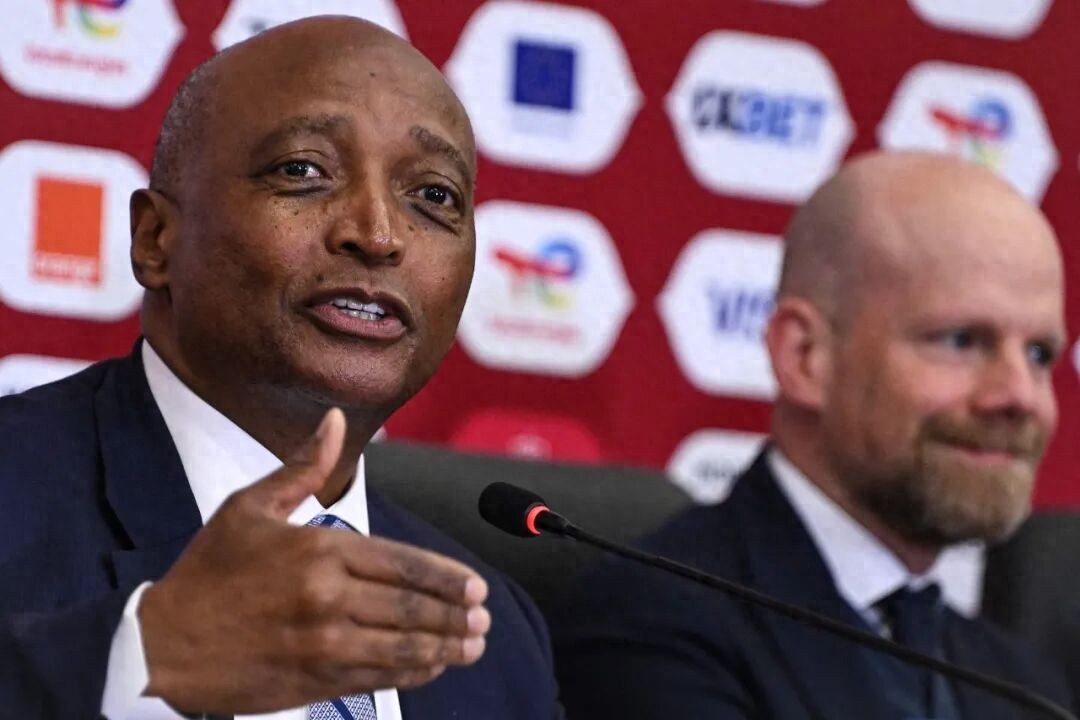
By Han Bing At the December 20 Africa Cup press conference, CAF President Motsepe was 55 minutes late. Upon arrival, FIFA Secretary General Gravsten stood beside him, highlighting FIFA’s dominant role in shaping African football’s future. Motsepe declared that from 2028 onward, the Africa Cup will be held every four years instead of every two, with the African Nations League starting in 2029. Both competitions will be integrated into FIFA’s international match calendar.
The changes to the Africa Cup go beyond just the frequency; the timing of the tournament is also affected. As early as 2020, FIFA President Infantino had called the biennial Africa Cup “meaningless.” After five years, he has finally completed the “restructuring” of African football, turning it into a bargaining chip to compete with UEFA.
Previously, the Africa Cup had already made several concessions to accommodate Infantino—originally scheduled for summer 2025, the tournament was moved to December due to conflicts with FIFA’s promoted 32-team Club World Cup and the addition of two Champions League matchdays at the end of January. Despite strong protests from participating African teams, FIFA shortened the traditional two-week preparation period to just six days to please European clubs that wanted to keep African players for an extra week.

Three years ago, Motsepe opposed the idea of holding the Africa Cup every four years because CAF traditionally earns 80% of its revenue from the biennial tournament. The current compromise comes from CAF Secretary General Mosengo-Omba, who is considered the real powerbroker in African football.
Mosengo-Omba, from the Democratic Republic of Congo, studied law alongside Infantino at the University of Fribourg. He nearly fully controls CAF’s headquarters in Cairo, while President Motsepe has only visited twice in the past four years. Now 66 years old as of October, Mosengo-Omba is supposed to retire according to CAF rules but has stated his intention to remain in office.
Currently, IMG and ISM are competing to secure CAF’s marketing contract for the next eight years, a deal worth $1 billion originally intended to cover four Africa Cups. With the tournament now quadrennial, the contract’s value naturally decreases. The African Nations League is planned to take place during the international match windows in the second half of each year, ensuring African players in European leagues can participate annually in a continental competition. However, the Nations League will hold group stages in September-October across CAF’s four zones, with only the November finals carrying the competitive and commercial weight of the Africa Cup. Whether it can attract enough sponsors remains uncertain.
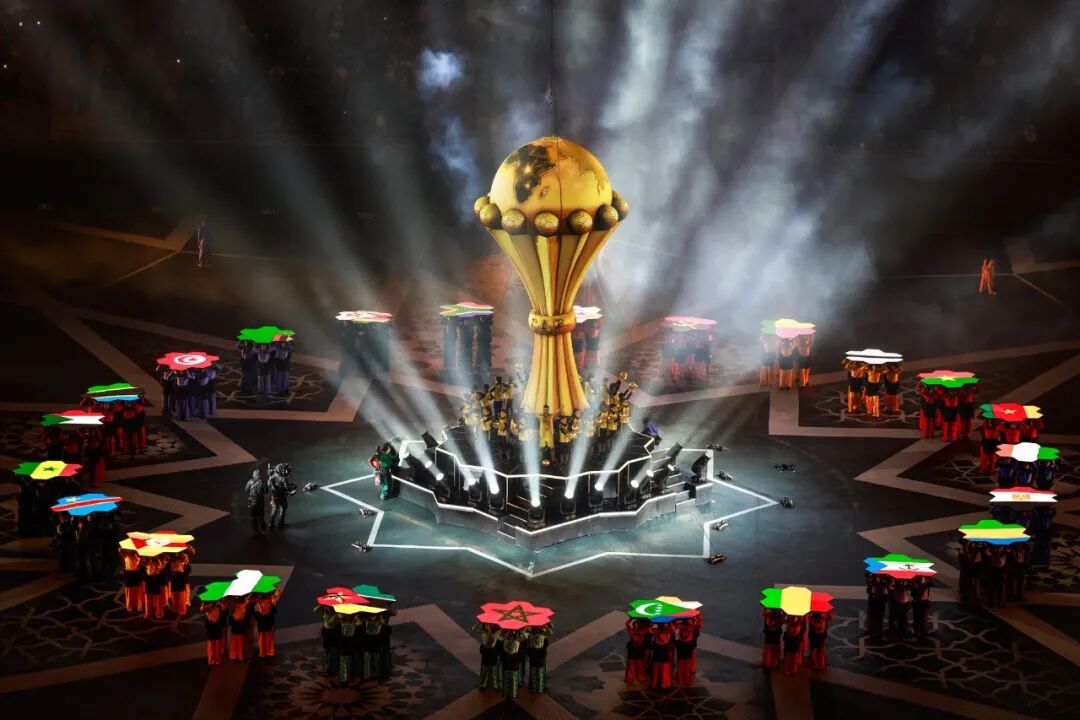
This sudden and unannounced overhaul of African football’s structure leaves many unresolved questions: With the Nations League occupying the September-November international windows, how will the Africa Cup and World Cup qualifiers be scheduled? Will the Nations League, like the UEFA Nations League, receive some World Cup spots to boost its competitive and commercial value? What will happen to the African Nations Championship (CHAN) founded in 2009, and the older regional tournaments such as the CECAFA Cup (established 1926), WAFU Cup, and COSAFA Cup? The biennial CHAN restricts participation to players active in African domestic leagues to promote local talent discovery. If replaced by the Nations League, it will become harder for domestic African players to attract attention from European scouts.
To gain support, CAF announced it will increase its annual funding to member associations from $200,000 to $1 million each. Nevertheless, African media still believe that the biennial UEFA Nations League has shown that frequent matches between top teams reduce attention and commercial value. How the annual African Nations League will avoid “viewer fatigue” remains unclear. Motsepe emphasized that the reform aims to resolve scheduling conflicts between the Africa Cup and clubs, yet the result forces African players to travel long distances across continents every year to participate in a more congested Nations League schedule.
In 2019, Infantino also pushed for the African Super League in the club sector, promising annual revenues of $100 million. However, the inaugural 2023 tournament was renamed from the African Super League (ASL) to the African Football League (AFL), with participants reduced from 24 to 8 teams, and was discontinued after just one edition. Who can guarantee that the new Nations League won’t suffer the same fate?


Wonderfulshortvideo
Kvaratskhelia and Ronaldo 🫶


🇪🇸 Spain 🆚 Argentina 🇦🇷
Arsenal goal today arsenal 2-1 chelsea arteta interview arteta press conference
When Diogo Costa saved EVERY penalty he faced in the shoot-out 🤯🤯🤯
The movement is electric ⚡️
Mbappe injury mbappe surgery real madrid 0-1 getafe mbappe return date mbappe edit
ronaldo almeria ronaldo buying new club ronaldo owner ronaldo manchester united owner
 Links
Links
 Contact
Address:UNIT 1804 SOUTH BANK TOWER, 55 UPPER GROUND,LONDON ENGLAND SE1 9E
Number:+85259695367
E-mali:[email protected]
 App
App


