



The inevitable curse of the record signing! Isak will be sidelined for at least 3 months



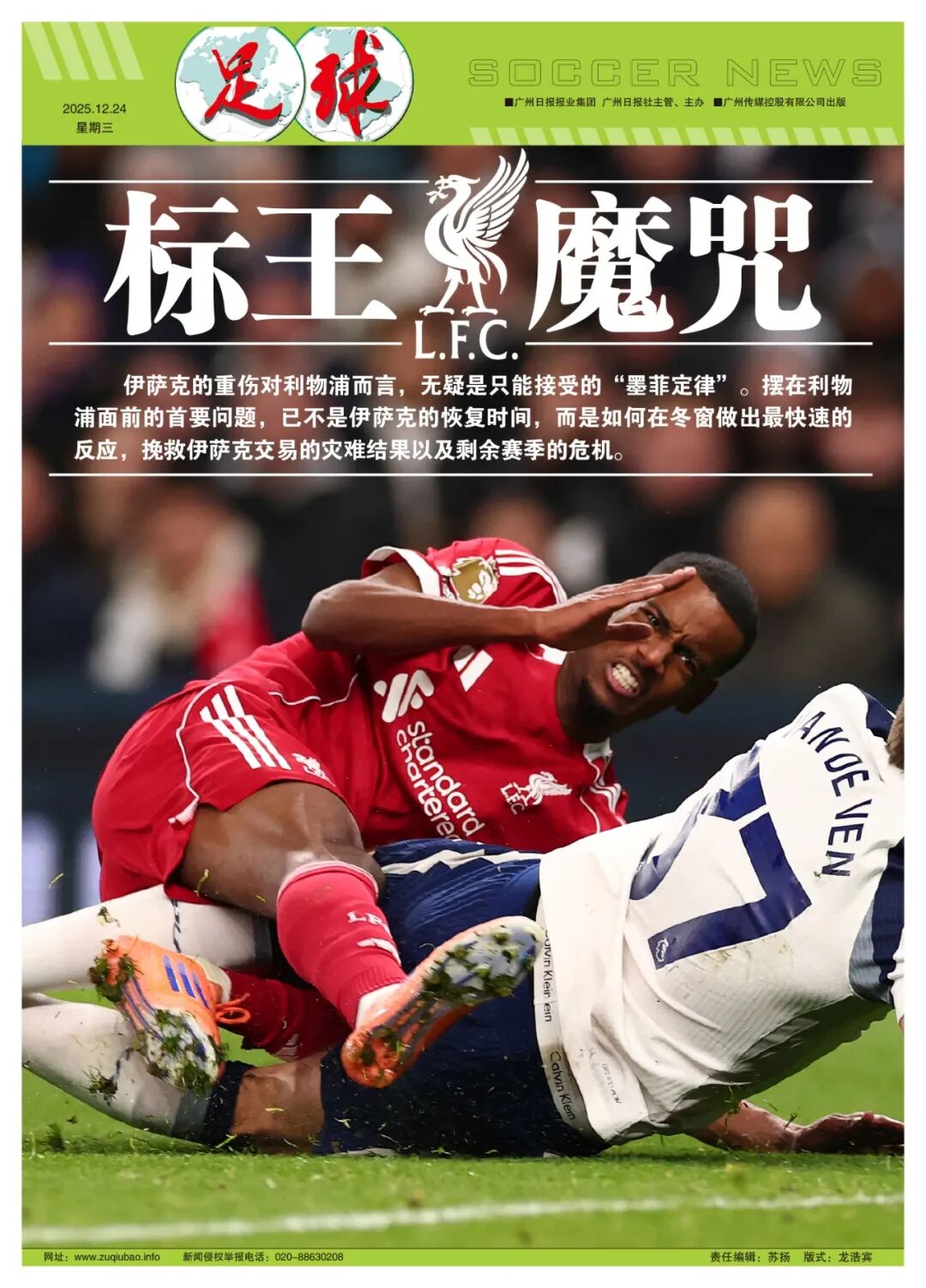
Written by Han Bing Before Isak’s summer arrival, English media had already raised a "red flag": the €145 million Swedish star’s greatest vulnerability is injury. In October, Isak sustained a groin injury, marking his fourth in two years, causing concern among Liverpool supporters. During the game against Tottenham, Vandefin’s aggressive tackle caused Isak to suffer a fibula fracture — the BBC’s most hopeful prediction is that he will be out for at least three months. Coach Klopp stated Isak is expected to return by late February next year, but given the fracture, a full recovery and match readiness before April would already be a positive outcome.
Starting from his first absence due to a knee injury at Dortmund eight years ago, which lasted 33 days, Isak has had nine injuries requiring more than 10 days of rest. Between September 2022 and October 2024, he was injured four times, missing a total of 197 days and 36 matches. This summer, Isak both protested by refusing training and focused on recovery, with Klopp cautious about rushing him back. After the groin injury in October, they became even more careful, but unexpectedly, just when Klopp believed Isak had returned to his Newcastle form, the unfortunate incident happened.
This summer, Liverpool splurged over €480 million on record signings, but the three marquee newcomers each costing around €100 million have all underperformed. Wirtz, bought for €125 million, has struggled to find form, providing only six assists in 22 matches so far; Isak has remained in a “suboptimal” condition and has yet to develop chemistry with Ekittik. Despite Liverpool’s medical and sports science teams working closely with Klopp to devise a thorough recovery plan for Isak, they could not prevent this unexpected misfortune.
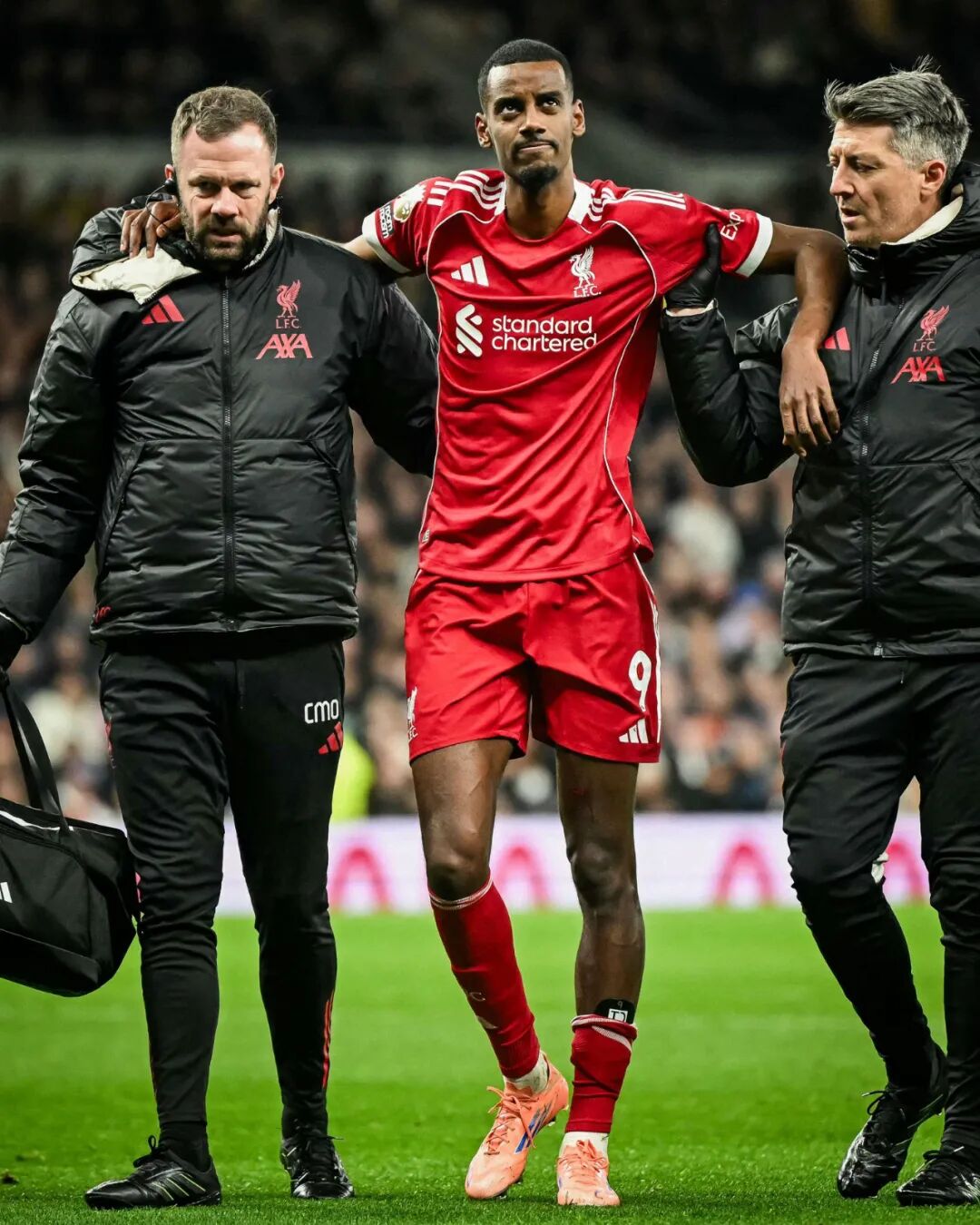
European fans are well aware of the “curse” of injuries plaguing record-signing stars: from earlier cases like Lentini, Veron, Shevchenko, Kaka, to more recent ones such as Hazard and Dembele, these are painful memories. Isak’s serious injury for Liverpool is just another embodiment of “Murphy’s Law”: whatever you fear will happen, happens.
The main challenge Liverpool faces now is no longer the length of Isak’s recovery, but how to respond swiftly in the winter transfer window to salvage the disastrous outcome of the Isak deal and address the crisis for the remainder of the season.
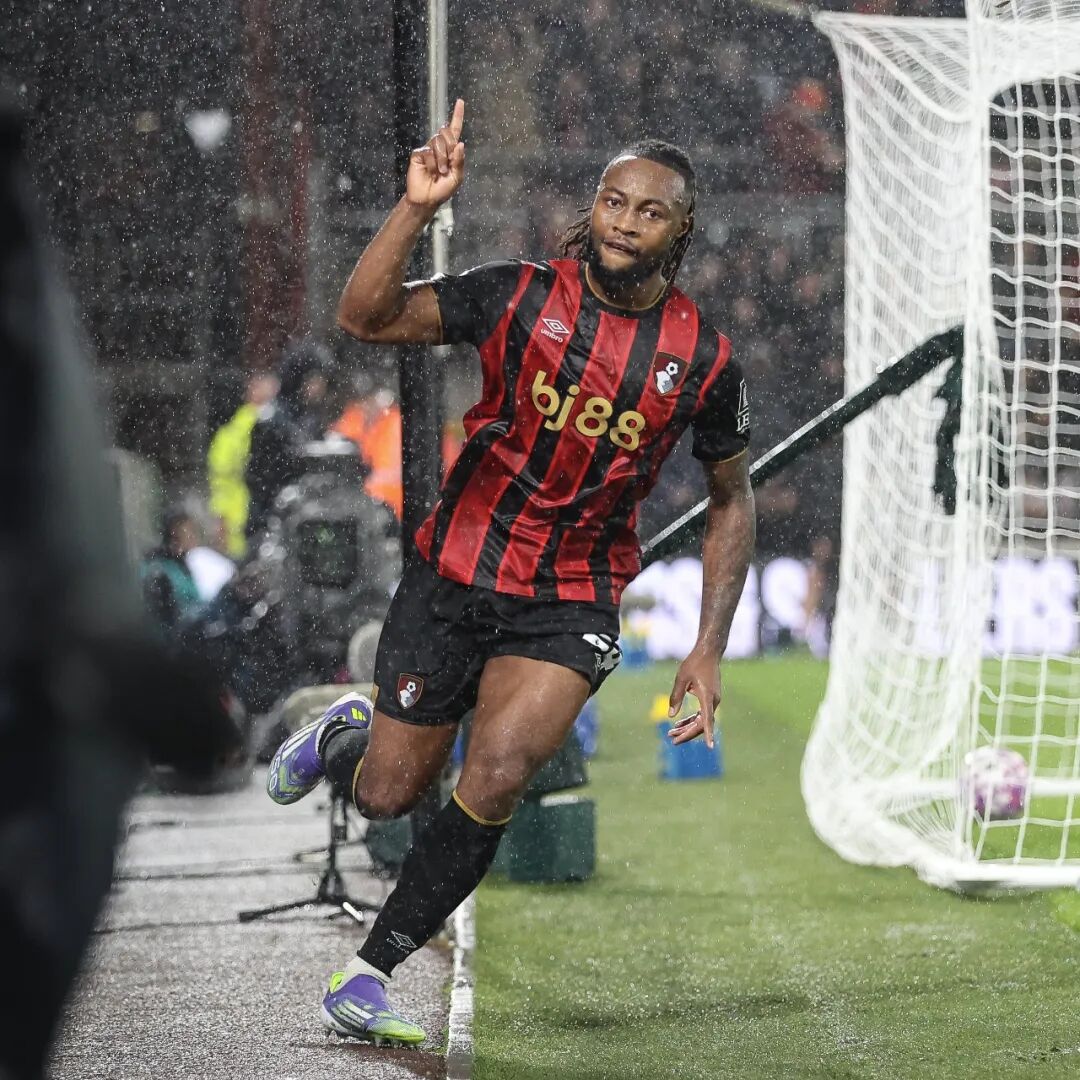
Bournemouth’s Semenyo is a hot candidate for a winter transfer. The 25-year-old Ghanaian international does not have to participate in the Africa Cup of Nations and has scored 8 goals with 3 assists in 16 matches this season, making him a “ready-to-use” option. Semenyo’s release clause is £65 million (about €74.5 million), expensive but still within Liverpool’s budget. Although Semenyo is not a striker, if Liverpool can secure a reliable winger, Ekittik could play as a lone forward, with Chiesa as backup. However, Liverpool has limited time to decide — English media reports that Semenyo’s release clause expires on January 10, and several Premier League giants are interested, with Manchester City showing the strongest intent.
If Liverpool fails to quickly reinforce their attack, they will have to make full use of their current squad. Salah will be retained at least until the season’s end. Recently, Salah’s attitude has noticeably shifted, and tensions with Klopp have eased; Chiesa and young player Ngumouha, who had considered leaving in winter, will also get more opportunities, especially since winger Gakpo is injured. Klopp’s options are quite limited.
Liverpool’s injury woes extend beyond this. Right-backs Bradley and Gomez are also sidelined, and midfielder Szoboszlai, who had previously filled in at right-back, cannot continue due to suspension from accumulated yellow cards. English media suggests recalling Elliott early from his loan at Aston Villa, where he has not even made the matchday squad for over a month and a half. Rather than being unused at Villa, returning to Anfield would at least add depth to the bench.
In December, Liverpool finally achieved three consecutive wins and faced a relatively favorable schedule. After the away victory over Tottenham, the upcoming opponents are all lower-table teams: Wolves (20th) on December 27, Leeds United (16th) on January 1, Fulham (13th) on January 4, and only on January 8 do they face top-of-the-table Arsenal away. For Klopp, having three matches to experiment with tactics and lineups is a small blessing in adversity. How well Liverpool uses this winter window to adjust without Isak will largely determine Klopp’s future as manager.


Wonderfulshortvideo
Kvaratskhelia and Ronaldo 🫶


🇪🇸 Spain 🆚 Argentina 🇦🇷
Arsenal goal today arsenal 2-1 chelsea arteta interview arteta press conference
When Diogo Costa saved EVERY penalty he faced in the shoot-out 🤯🤯🤯
The movement is electric ⚡️
Mbappe injury mbappe surgery real madrid 0-1 getafe mbappe return date mbappe edit
ronaldo almeria ronaldo buying new club ronaldo owner ronaldo manchester united owner
 Links
Links
 Contact
Address:UNIT 1804 SOUTH BANK TOWER, 55 UPPER GROUND,LONDON ENGLAND SE1 9E
Number:+85259695367
E-mali:[email protected]
 App
App


