



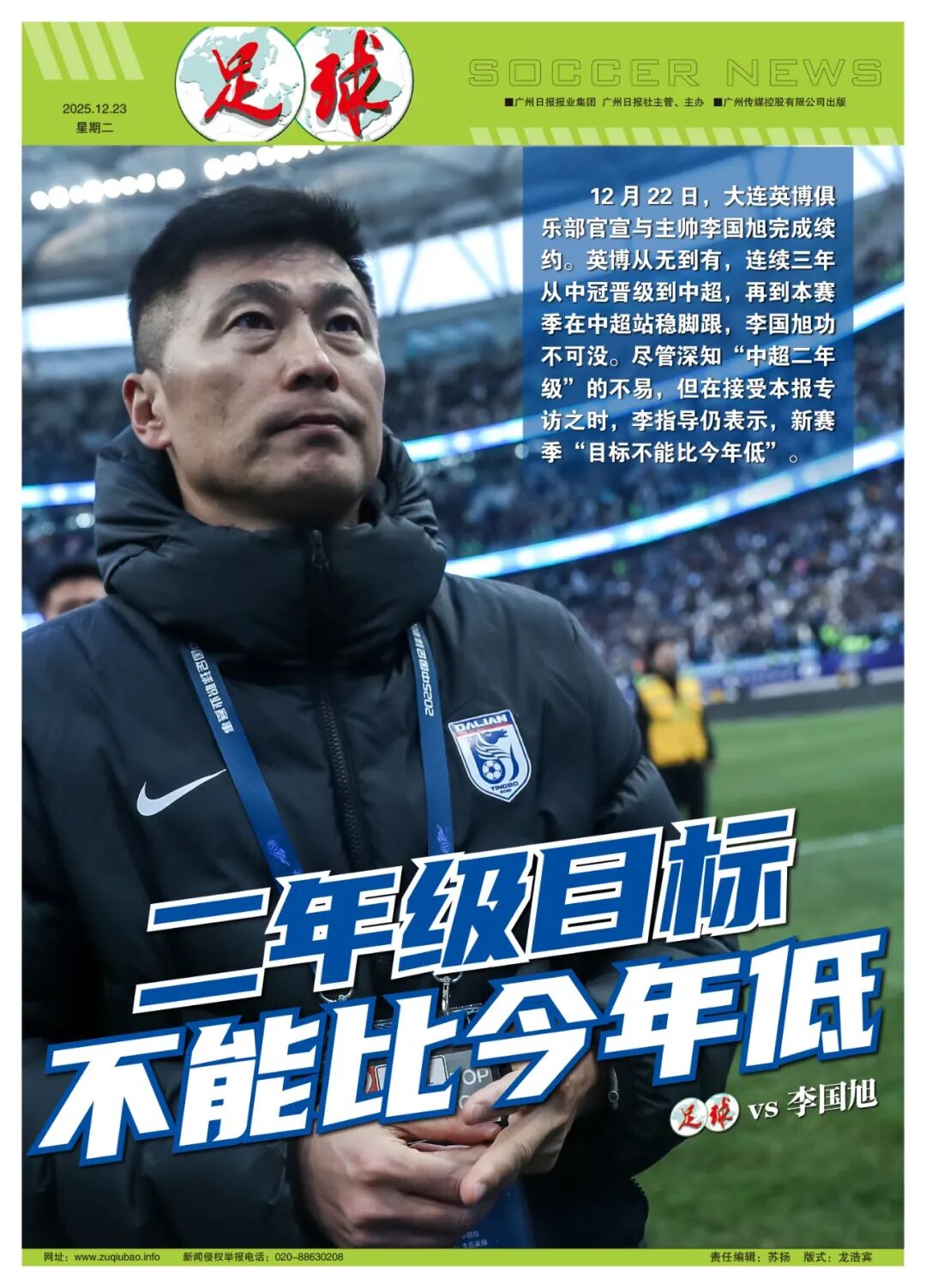
Exclusive interview with Dalian Yingbo head coach Li Guoxu: The “second-year” goal in the Chinese Super League is a better ranking, and the trend of local coaches aligns with football’s natural laws.



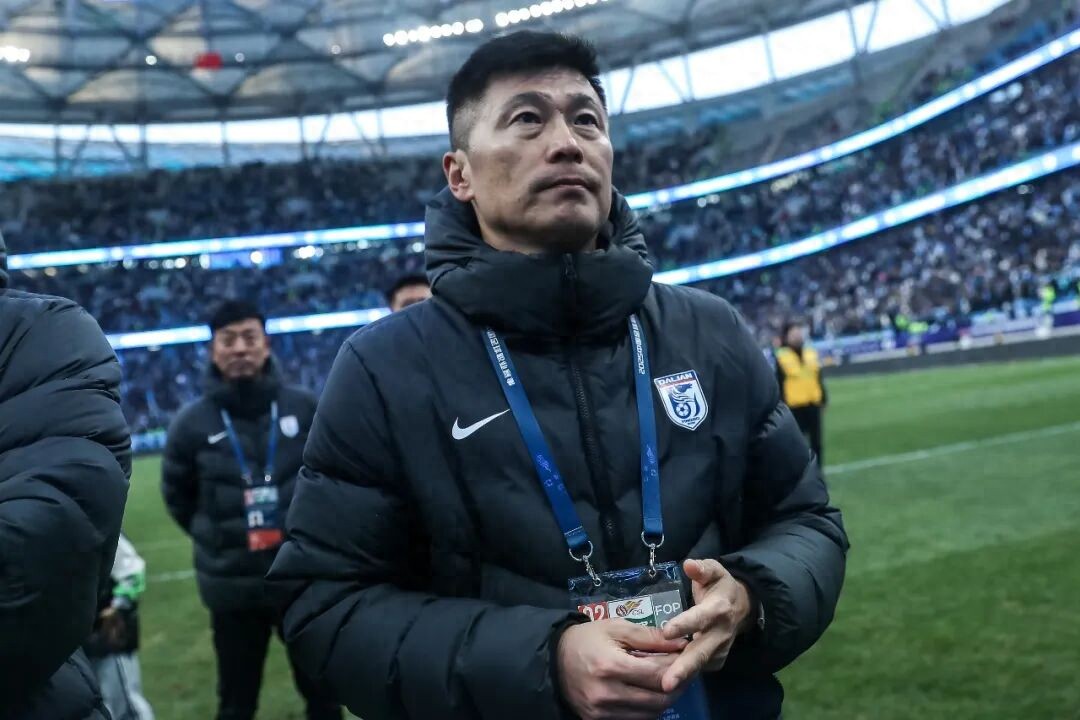
Special contributor / Ding Xu The 2025 Chinese Super League season made the outside world remember Dalian Yingbo Haifa’s head coach Li Guoxu, who is now in his fourth consecutive season leading the team. Yingbo rose from nothing, achieving promotion from the China Amateur League to the Chinese Super League in three successive years, and then firmly establishing themselves in China’s top league, with head coach Li Guoxu playing a crucial role. Li Guoxu believes that it is the combined efforts of the Dalian Municipal Party Committee, Municipal Government, Tongshun Group, and the fans that have shaped today’s Yingbo.
On December 22, Dalian Yingbo officially announced the renewal of the contract with this distinguished coach. In the club’s official statement, they expressed: “The club firmly believes that under Li Guoxu’s leadership, Dalian Yingbo will continue to carry forward the spirit of unity, hard work, and never giving up that defines Dalian football, steadily making progress in the Chinese Super League and reaching higher levels.”
This outstanding local coach has set two major goals for the upcoming second year in the Chinese Super League: first, to steadily improve the team’s performance based on this year’s results; second, to further optimize the team’s age and personnel structure.
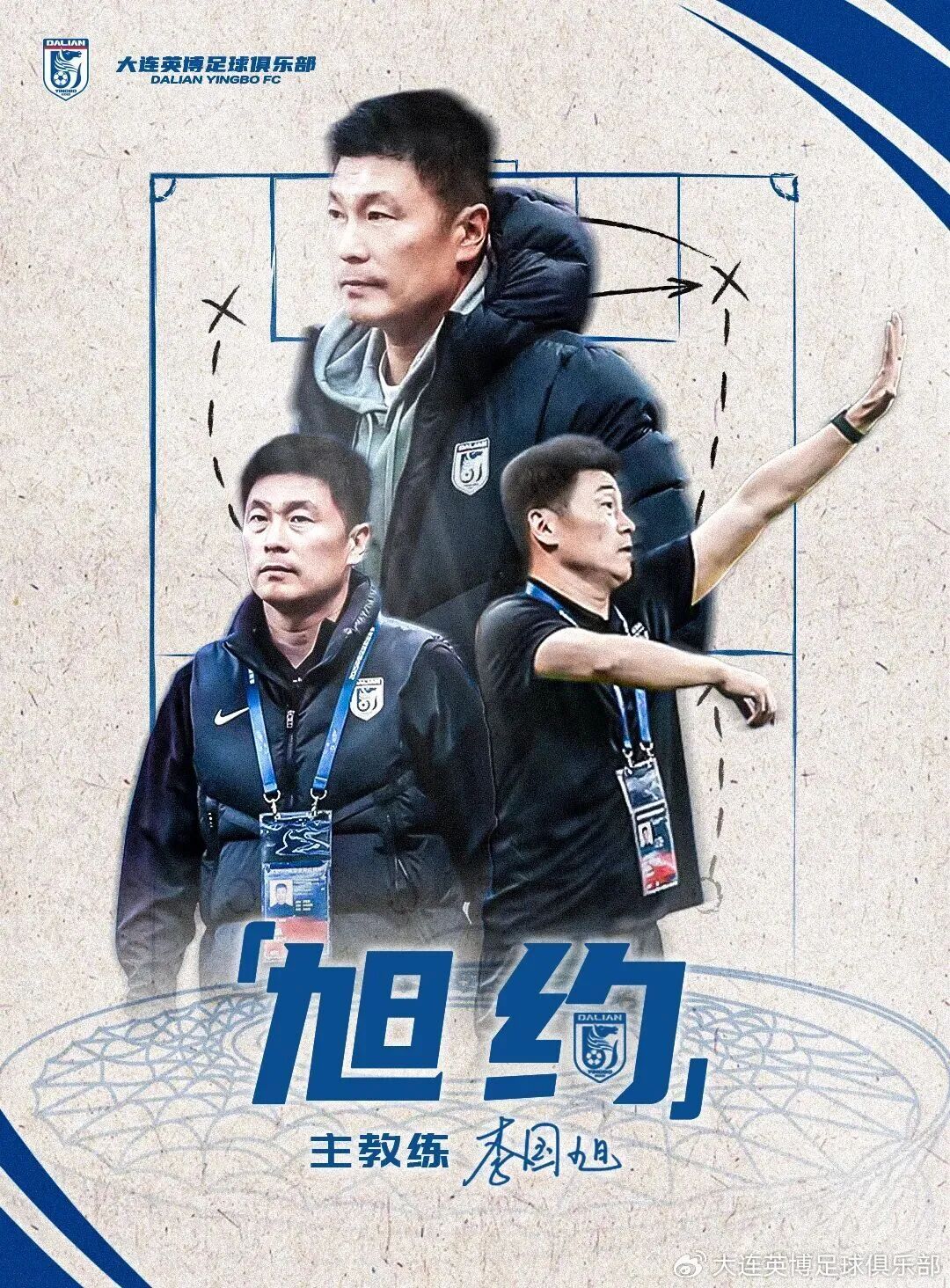

◆ “Football”: The 2025 season was Yingbo’s first in the Chinese Super League, finishing 11th. Did the results meet your expectations?
Li Guoxu: This year was Yingbo’s debut in the Super League, with the team’s goal to establish a foothold on this platform. Ultimately, we secured safety from relegation, and did so several rounds in advance. From a results perspective, I am satisfied; however, regarding the quality of our matches, there is still a significant gap compared to my expectations.
◆Yingbo ranks low in the Chinese Super League’s market value list. What are the main factors behind the good performance?
It relies on the collective. The team was founded over four years ago, and we have consistently adhered to the concept of “team football,” building a complete squad and maintaining our own style and tactics to compensate for individual ability shortcomings.
Our goal was very clear. At the start of the season, the team set the requirement for players to “avoid relegation.” Once the goal was clear, the entire team worked together to contribute and fulfill their responsibilities. We all understand the atmosphere and heritage of Dalian football, especially the support from the Municipal Party Committee and Government, the efforts of Chairman Wang Kui of Tongshun Group, and through various forms of assistance, everyone formed a synergy that created today’s Yingbo.
◆Yingbo started the season with two away games, earning only one point against Zhejiang and Shandong Taishan. Was the pressure on the team very high at that time?
Yes, the pressure was extremely high then. From a results standpoint, the first two rounds were “passable,” but no one was confident about the team’s form at that stage. The third round was a home game against a direct relegation rival — Changchun Yatai. Through hard work, we won that match.
We have our own football philosophy and tactical style. The team prepared very well during winter training, and I was confident. However, due to the lack of early wins, player integration issues, and important players facing injuries, we mainly focused on psychological guidance for the players at that time.
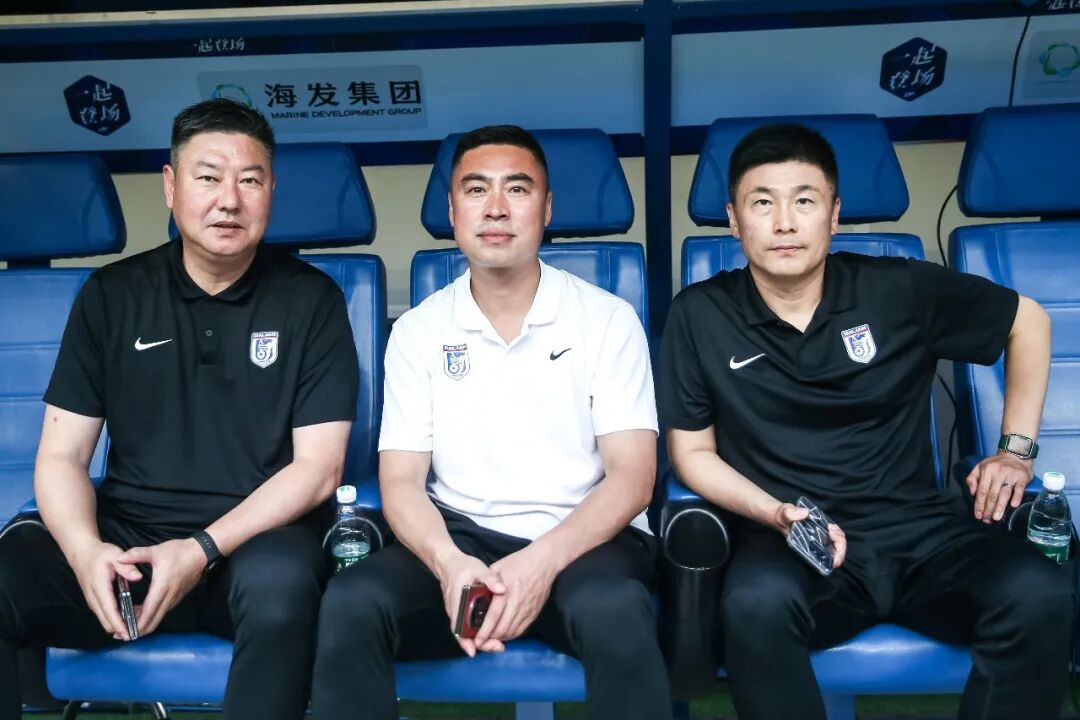
◆After the first two rounds, the league entered a break. What adjustments did Yingbo make during this period to quickly overcome the slump and secure their first win against Changchun Yatai?
Tactically, we made more targeted arrangements based on Yatai’s characteristics. Although Yatai lost their first two matches to Shanghai Shenhua and Shanghai Port, they played very well, which added to our pressure.
To share a detail, one of our biggest challenges was that among Yingbo’s five foreign players, four are Muslim, and March coincided with Ramadan. This greatly challenged us because we couldn’t schedule full-intensity training. I was quite anxious personally, but football is like that — one victory can solve all problems. We won the match, and all issues vanished.
◆Midway through the league, Yingbo achieved a four-game winning streak. How did a relegation-threatened team accomplish this?
In the first half of the season, we won all the matches we should have and took points where possible. This stems from the football style we have adhered to for years. Having been promoted three years in a row, we played in the Super League with confidence. We have strong faith in Dalian football; Dalian people playing football and the Dalian team competing in the Super League will not perform poorly.
One thing I’m not too happy about is our performance against strong teams, which was similar last year in the League One. However, beating strong teams was not our main goal this season; our focus was on competing with teams at our level and relegation rivals. We earned enough points in the first half and were fortunate to have three home games from June to early August.
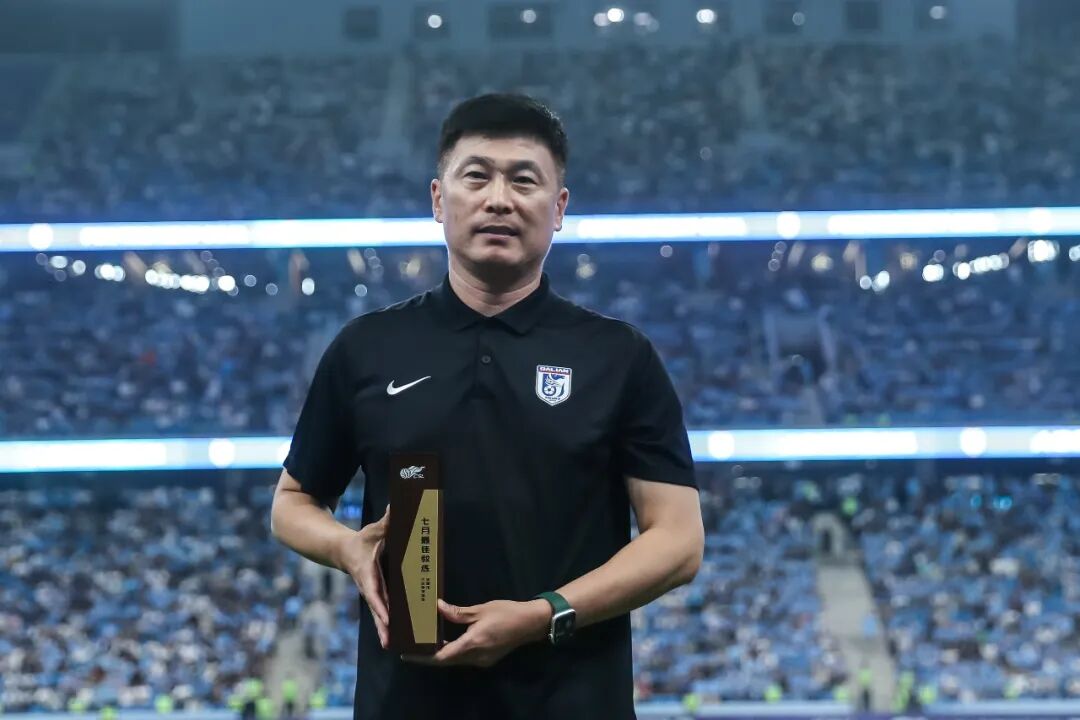
◆You were named the Chinese Super League’s best coach in July. How did you feel at that time?
After the first half of the season, the team and players gained more confidence and gradually adapted to the Super League’s pace. The weather in Dalian was excellent, and the team’s cohesion improved, reaching the stage of producing results. Of course, I must admit that luck played a part in the four consecutive wins. Honestly, I didn’t expect to win the best coach award; what mattered more was that the team earned enough points when at their best form, which was crucial for everyone.
◆From individual player data, Yingbo’s stats in the Super League are average, but the team’s overall data is quite good. How did you manage to blend the team so well?
In my view, football is a game of 11 players working together. It’s not an individual sport. Individual ability is important but not decisive. The team’s overall cohesion is most important — how to match, combine, and train these players so that eleven individuals add up to more than eleven.
In fact, in the past few years in lower leagues, our players were not the best at that level, and this year is the same. Yingbo’s individuals are not particularly outstanding in the Super League. When assembling the squad, some players came from League One last season; some are older, some younger. But this does not affect our determination to build a competitive team around them.
◆Yingbo scored only 30 goals all season, just more than bottom-placed Yatai. As a coach who advocates offense, what problems did the team face in attack?
This relates to the team’s strength and tactics. Scoring requires excellent players to create and seize chances. Yingbo is not a strong team in the Super League — that’s a fact. Yingbo is a young team and cannot solve all problems in the first Super League season. We need some space to improve gradually through tactical combinations and personnel integration. If our attacking ability improves, Yingbo will become a strong team.
◆Although Yingbo’s attacking ability needs improvement, the overall defense is quite good despite lacking standout individual talent. How was this achieved?
Defense requires rigorous tactics and discipline. I am satisfied with the team’s defensive performance this season and want to thank the players for their execution.
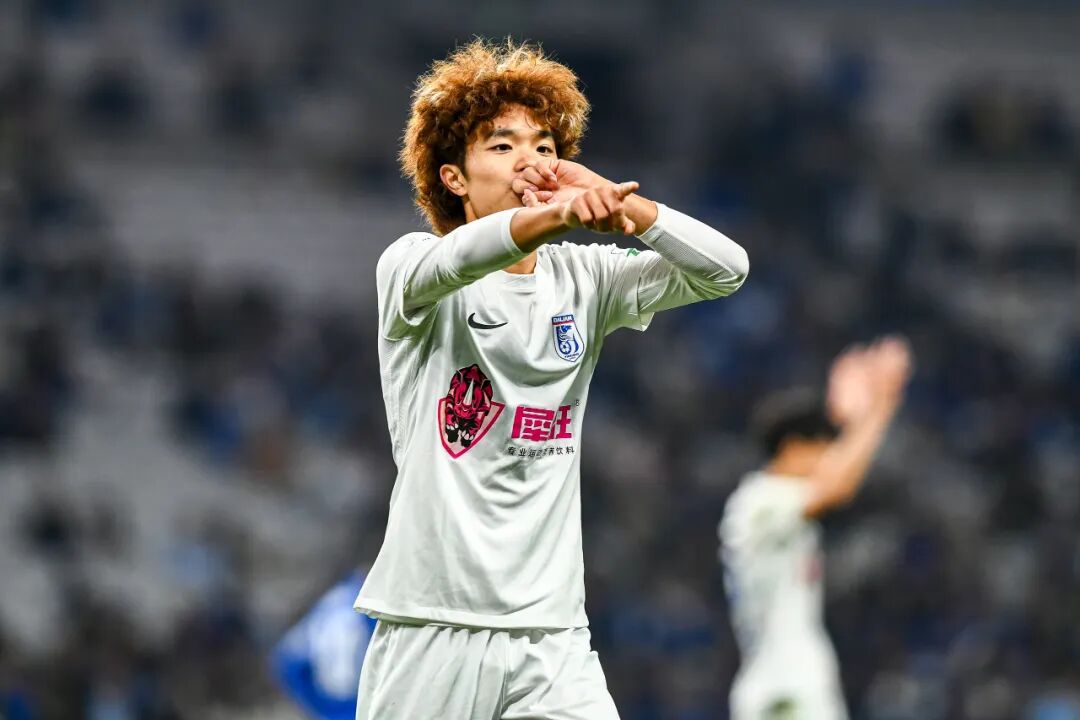

◆“Football”: Which match this season impressed you the most? Which was the toughest?
Li Guoxu: The most memorable match was the FA Cup game against Guoan, our first time competing against a top-four Super League team. We led for most of the game and had two chances to seal the match. Although we lost in the penalty shootout, I’m very pleased because that match truly put us on the Super League stage. We can compete with all teams and have some competitiveness. Everyone knows the final result — Guoan won the FA Cup, but Yingbo gave them a tough challenge.
The toughest match, in my opinion, was the home game against Rongcheng. It came after our four-game winning streak. We hoped to continue our good form, but against a strong team like Rongcheng, the game was very tight. In terms of tactics and individual ability, it was difficult to win, and we eventually lost 0-2. Although disappointed, it was indeed a hard-fought match.
◆Yingbo’s first Super League season was also your first. After a year, do you find the Super League difficult?
Compared to the three lower leagues, the Super League is definitely harder, with a very high tactical level. But after a season, it’s not as difficult as imagined. The Super League represents the highest level of Chinese football, and we respect it. Yingbo showed some competitiveness but also exposed many problems that we need to address next season.
◆You are the first coach in Chinese football to lead a team from the China Amateur League to the Super League and stabilize it there, which is a great success. What do you think are your strengths?
Learning and understanding football. First, I have a strong ability to learn, studying while working these years and applying what I’ve learned practically. Second, I have relatively deep knowledge of Chinese and Dalian football.
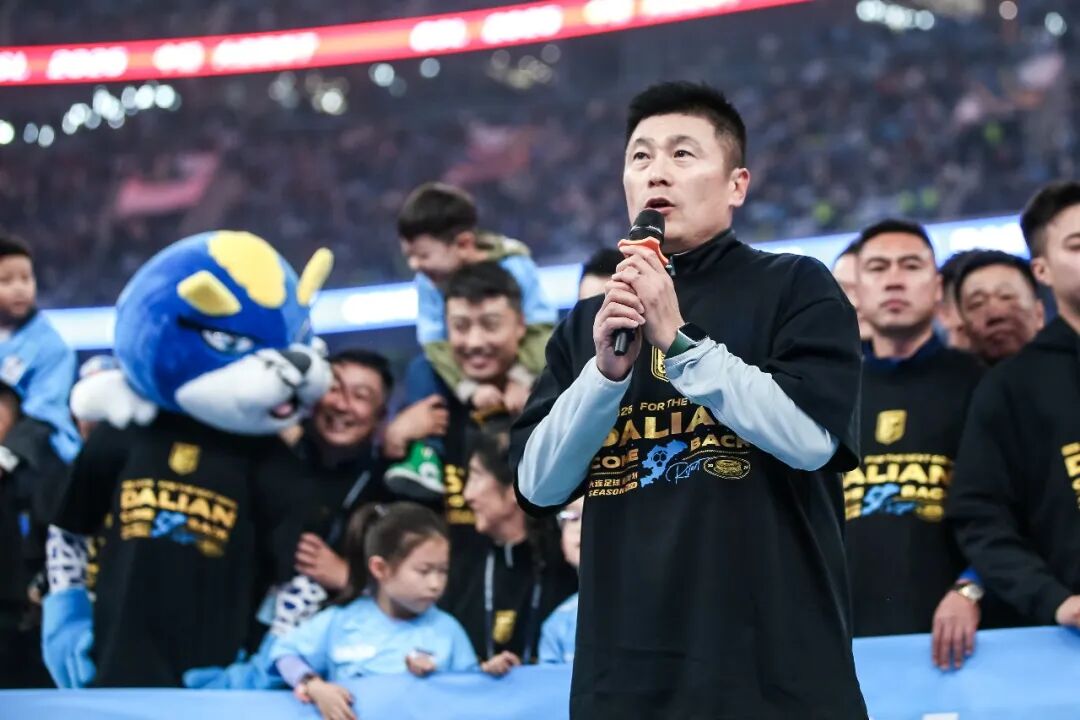
◆You participated in the national team head coach selection this year. Is coaching a national team your future goal?
Being a national team coach is the highest honor for any coach and my personal goal. I believe it will come naturally by doing solid work and achieving results, not by chasing it deliberately or forcing it.
◆The combination of Shao Jiayi and Morel as local and foreign coaches — could this become a trend in Chinese football coaching?
This model may better suit the current stage of Chinese football development. In the era of big-money football, Chinese clubs mostly had foreign coaching teams. Now it has transitioned to a mix of Chinese head coaches leading with foreign assistants handling specific tasks. I can’t say this is the future direction, only that it fits the current state. Foreign coaches bring advantages, and Chinese coaches have their strengths. This combination is the better choice for now.
◆In the 2026 season, local coaches may exceed half of all Super League head coaches. How do you view this change?
This aligns with football’s natural development. Modern football ultimately centers on local coaches. Previously, foreign coaches were head coaches; now local coaches lead with foreign assistants. Possibly in the future, all head coaches will be Chinese. This is a normal and positive development because only local coaches have the responsibility and commitment to their country’s football. Foreign coaches bring advanced ideas, and this exchange benefits Chinese football’s current growth.

◆With more local coaches leading teams, do you think competition will become fiercer or easier? Have mid-career local coaches like yourself proven your abilities?
Competition is always intense. Local coaches have their advantages, and foreign coaches have theirs. In recent years, coaches like Yu Genwei, Shao Jiayi, and Li Xiaopeng have all demonstrated their capability to handle these roles. This is obvious, but it doesn’t mean past proof guarantees the future. Football requires constant self-validation, learning, and effort.
◆Will Yingbo make changes to the coaching staff next season?
Adjustments will definitely happen because the coaching team needs to strengthen to face the intense competition ahead. Specific changes depend on the team’s needs, and many discussions are ongoing.
◆As a modest club, Yingbo rose from the China Amateur League to establish itself in the Super League. What is the secret to this success?
I believe the biggest secret is Dalian’s football DNA. This DNA runs through the entire city — from the Municipal Party Committee and Government to Tongshun Group, fans, and the team. It feels like the blood of Dalian football flows in each of us. We have always followed this approach, which is why we can stand firm in the Super League now. Yingbo doesn’t have the luxurious rosters of past Dalian teams or the financial strength of Shanghai Port or Shanghai Shenhua, but every match is supported by the entire city of Dalian, which is very important.
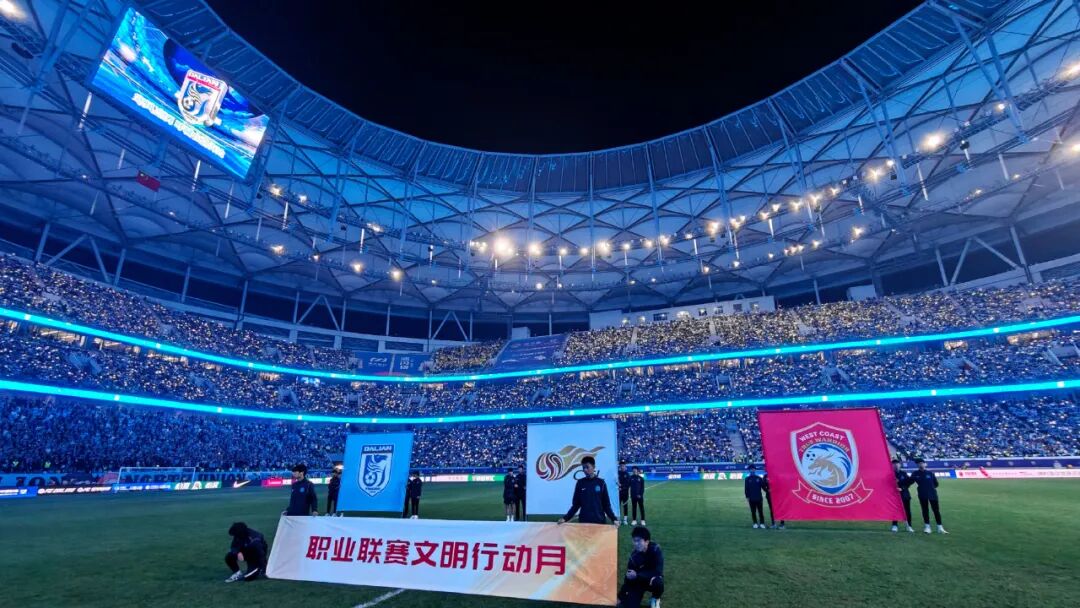

◆“Football”: Liu Zhuyun and Liao Jintao have become national team players. How did you develop them?
Li Guoxu: They were lucky to join Yingbo because only a team like Yingbo allows them to be not only starters but also core players. As core players, they can shine, attracting national team attention and selection. I developed and used them according to normal team principles, and they proved their strength through their efforts.
◆Yingbo secured safety early and tried different tactics and player combinations late in the season, giving many young players opportunities. What are your expectations for the youngsters? What advice do you give them?
I have high expectations for the young players because they represent the future of Dalian football and Yingbo’s foundation. I demand discipline, purity, and professionalism, encouraging them to be sunny and focus their energy on the pitch. I want them to be more professional.
I tell them to dare to express themselves. Although young, they are not inexperienced in the football world. I tell them that if they can’t play in the Super League now, they won’t be able to at 25 either. Players like Zhu Pengyu, Mao Weijie, Yang Mingrui, and Huang Shan are very good, confident in matches, which makes me very pleased.
◆Zhu Pengyu and Mao Weijie earned spots on the U22 national team due to their outstanding performances and got plenty of playing time from you. How do you assess these two young talents?
I think they are satisfactory, though they could be better. They are already 20 years old. The age of 20 to 30 is a player’s prime. In Europe’s top leagues, players aged 17, 18, or 20 are common, with some being team cores at 21 or 22.
When forming the team four years ago, I hoped more young players would shoulder the future responsibilities of Dalian football. We have stuck to this approach. We want more excellent Dalian-born players and young talents from other regions to join Yingbo, and we will definitely give them more opportunities.
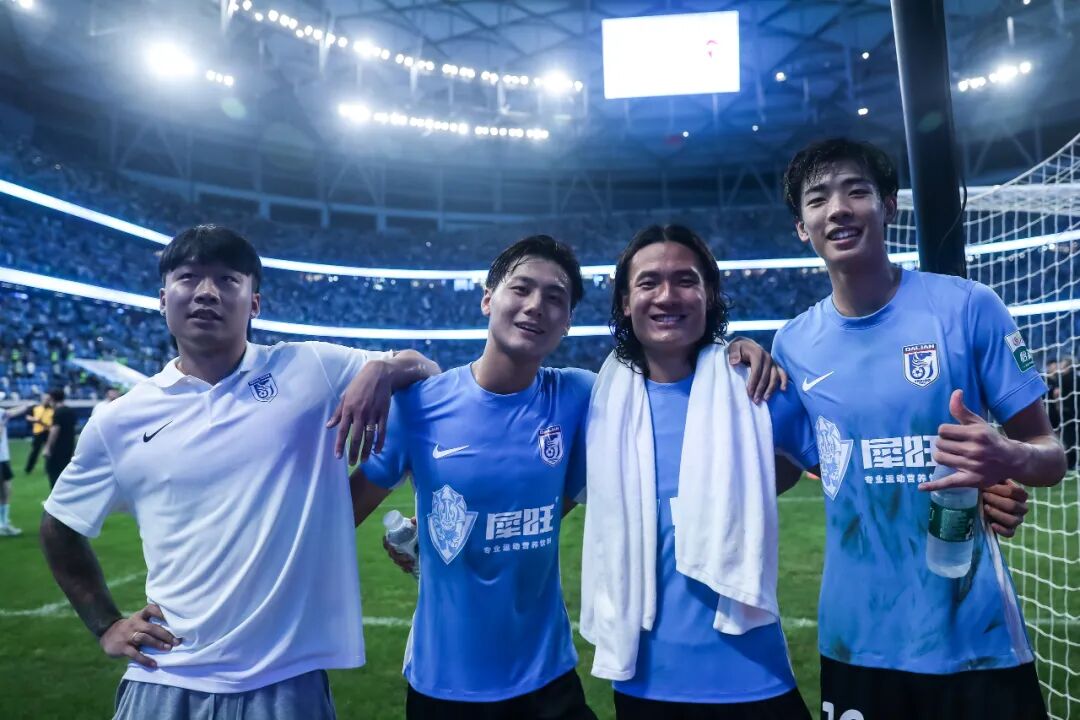
◆You even gave the Yingbo captain’s armband to 20-year-old Zhu Pengyu.
This was somewhat controversial, but I believe captaincy is not about age but responsibility and representing the team. Simply put, can you represent Dalian football and its spirit and continue to do so in the future? Based on these three criteria, Zhu Pengyu is the right choice, and I hope he will be a good captain.
Pressure is normal. Football involves pressure every day in every matter. To be an excellent player, one must endure pressure, which accompanies the entire football career.
◆Yingbo’s age structure is somewhat aging, but there are still many usable young players. Will more young players join the first team next season?
Definitely. One important task these years has been adjusting the team’s age structure. Having a few young players on the field doesn’t mean the structure is reasonable. What’s certain is that more youth squad players will join the first team roster next season.
◆Compared to your ideal team, where does the current Yingbo differ?
The gap between the current Yingbo and previous Dalian teams is obvious. Yingbo relies on its style to survive in the Super League, but Dalian football’s heritage is not about one style. Dalian football excels in many areas. The goal is to transition from relying on style and grit to competing through tactical strength and even controlling matches. That’s why I say there is a gap.
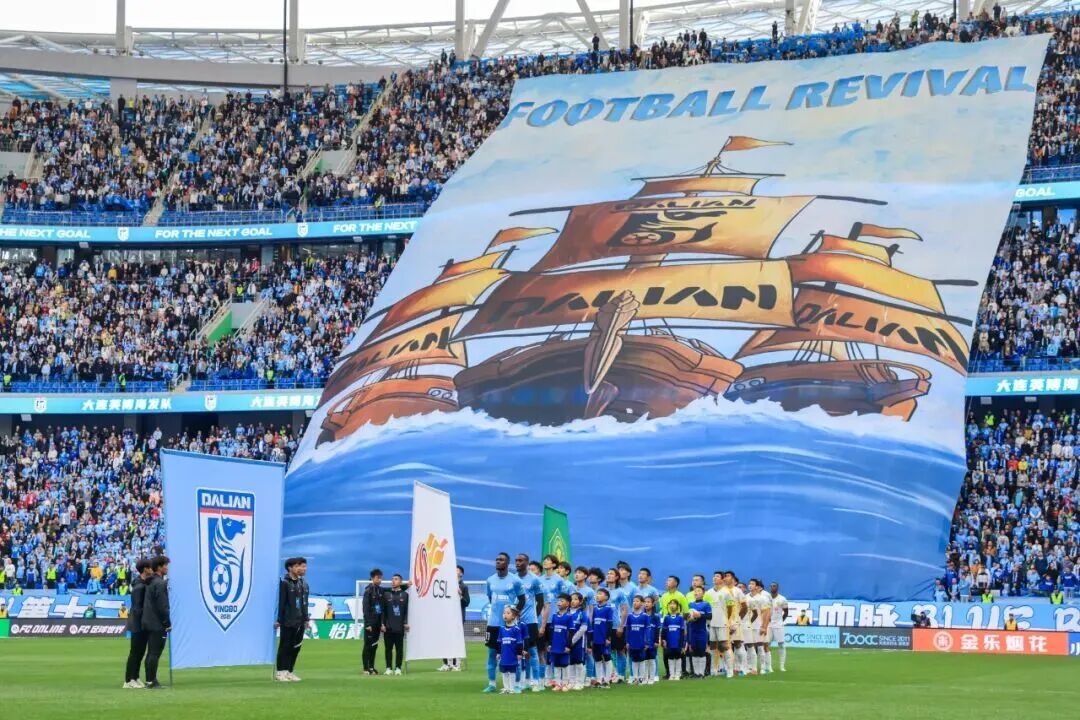
◆This season, Yingbo set multiple records. At Suoyu Bay Football Stadium, the average Chinese Super League attendance was 58,268, ranking 18th globally among club home attendances and first in Asia. How do you view Dalian’s booming football market?
This is the result of years of accumulated football culture and atmosphere in Dalian. Yingbo is a modest and young team, and people are more willing to support and help us. There are high expectations for Yingbo, and we need encouragement and should strive to meet these expectations through our efforts.
◆Being a Chinese Super League head coach is not easy, and leading Dalian is even harder. Dalian fans are known for loving and understanding football. Do you often read fans’ comments about the team and yourself?
With social media so widespread now, it’s impossible not to. Actually, most fans are rational, especially Dalian fans today. Most offer well-intentioned suggestions or opinions, which we can accept.
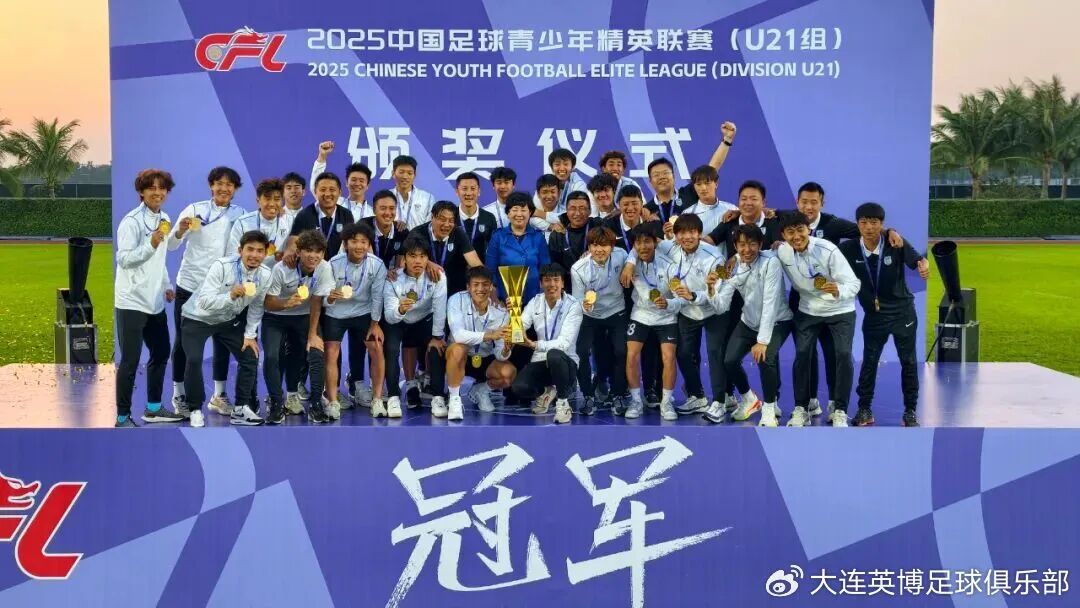
◆Yingbo’s U21 team was promoted to China League Two. Next season, four Dalian teams will compete in professional leagues, showing a flourishing scene. How do you see the future development of Yingbo and Dalian football?
Yingbo having two teams in professional leagues is good for young players. Next season, four Dalian teams in professional leagues fully demonstrate the current trend of Dalian football development. How to perform better in each league is something we football people should think about.

◆“Football”: How is Yingbo’s winter training planned?
Li Guoxu: We will gather in Haikou on January 3 next year, conduct overseas training in February with several high-level friendlies, and complete the final preparation phase domestically after the Spring Festival.
◆After assembling early next month, will all players return? Are any players confirmed to leave?
Currently, Mao Weijie and Zhu Pengyu are attending the U22 national team training, and Yang Mingrui is with the U18 national team. The final roster is not yet confirmed.
◆Foreign players are always a hot topic among fans. How many will stay or be adjusted next season? What is the direction and progress of recruitment?
Three foreign players still have contracts next season and will definitely stay. The club is actively working on other candidates. Recruitment focuses on forwards with scoring ability and tactical quality, mainly to address exposed team weaknesses.
Exclusive interview | Liu Zhuyun: I like fans calling me “Director Liu”
◆National team player Liu Zhuyun recently became a father. Fans are eager to know if he will continue with Yingbo next season?
I can only say that the club is actively working on it. After all, Liu Zhuyun belongs to Shanghai Port, so it depends on their attitude and plans.
◆The “second-year” in the Chinese Super League is notoriously difficult, even considered cursed. How will Yingbo face the new season? What are the goals?
We are well aware that the “second-year” is a dangerous phase, so preparation must be thorough. As for goals, we definitely aim for a better ranking than this year. In terms of results, the target cannot be lower than this year; that is our direction.
◆You just returned from a European inspection trip. What did you gain from this visit?
I closely watched Ligue 1 and the Europa League. Yingbo needs to enrich its tactical style, not relying on just one style to sustain the league but becoming more comprehensive with balanced offense and defense.
◆With the Chinese Super League entering a post-big-spending era, clubs are investing more rationally. How do you see the league’s future development?
The Super League will definitely remain competitive, but this requires young players to mature. Results depend on people. When the 2005-born players take major roles and dominate the Super League, China’s football results in Asia will improve. Team rebuilding takes time and patience.
◆After one season, Li Guoxu is remembered in the Super League. What goals have you set for yourself in 2026?
First, to steadily improve the team’s performance based on this year’s results; second, to optimize the team’s age and personnel structure.
◆How do you relieve pressure during the season?
I have long been accustomed to pressure. As a coach, every day is filled with pressure. The key is to do your job well, give your all, and have a clear conscience, then there is little pressure. Also, if you constantly focus on the pressure, it only grows bigger.


Wonderfulshortvideo
Kvaratskhelia and Ronaldo 🫶


🇪🇸 Spain 🆚 Argentina 🇦🇷
Arsenal goal today arsenal 2-1 chelsea arteta interview arteta press conference
When Diogo Costa saved EVERY penalty he faced in the shoot-out 🤯🤯🤯
The movement is electric ⚡️
Mbappe injury mbappe surgery real madrid 0-1 getafe mbappe return date mbappe edit
ronaldo almeria ronaldo buying new club ronaldo owner ronaldo manchester united owner
 Links
Links
 Contact
Address:UNIT 1804 SOUTH BANK TOWER, 55 UPPER GROUND,LONDON ENGLAND SE1 9E
Number:+85259695367
E-mali:[email protected]
 App
App


