



Veteran Captain and New Helmsmen: Domestic Forces Reshaping the China League One Landscape



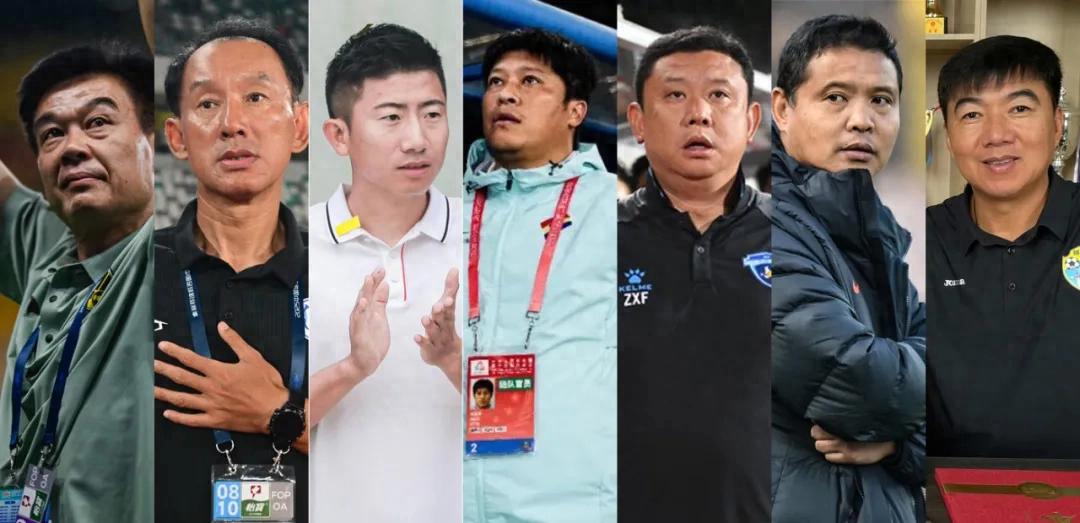
Written by Zuo Rui As Chinese professional football leagues shed their previous glamor, the use of foreign coaches in China League One has become more rational. Domestic coaches who are both willing and capable of advancing alongside Chinese football—such as the “new helmsmen” Zhang Yaokun and Mao Biao, and the “veteran captains” Feng Feng and Liu Junwei—are steering their teams forward, rewriting the league’s dynamics.

As of December 21, several China League One clubs preparing for the 2026 season have officially appointed head coaches: Liu Junwei at Guangxi Hengchen, Feng Feng at Guangzhou Leopards, Zhang Yaokun at Dalian Kunchen, and Mao Biao at Dingnan Ganlian—all domestic coaches. According to our current information, the cooperation between Shijiazhuang and Niu Hongli will continue, while Foshan Nanshi is nearing renewal with Zhang Xiaorui... The number of domestic head coaches in the new China League One season is expected to reach double digits.
Compared to the Chinese Super League, lower-tier leagues traditionally offer more opportunities for domestic coaches. At the start of the 2025 China League One season, nine teams hired domestic head coaches while seven were led by foreign coaches; by season’s end, only four teams—Liaoning Ironmen, Dingnan Ganlian, Shaanxi United, and Shenzhen Youth—retained their coaches, with about three-quarters of the teams undergoing at least one coaching change. The final tally between domestic and foreign head coaches stood evenly at 8 to 8.
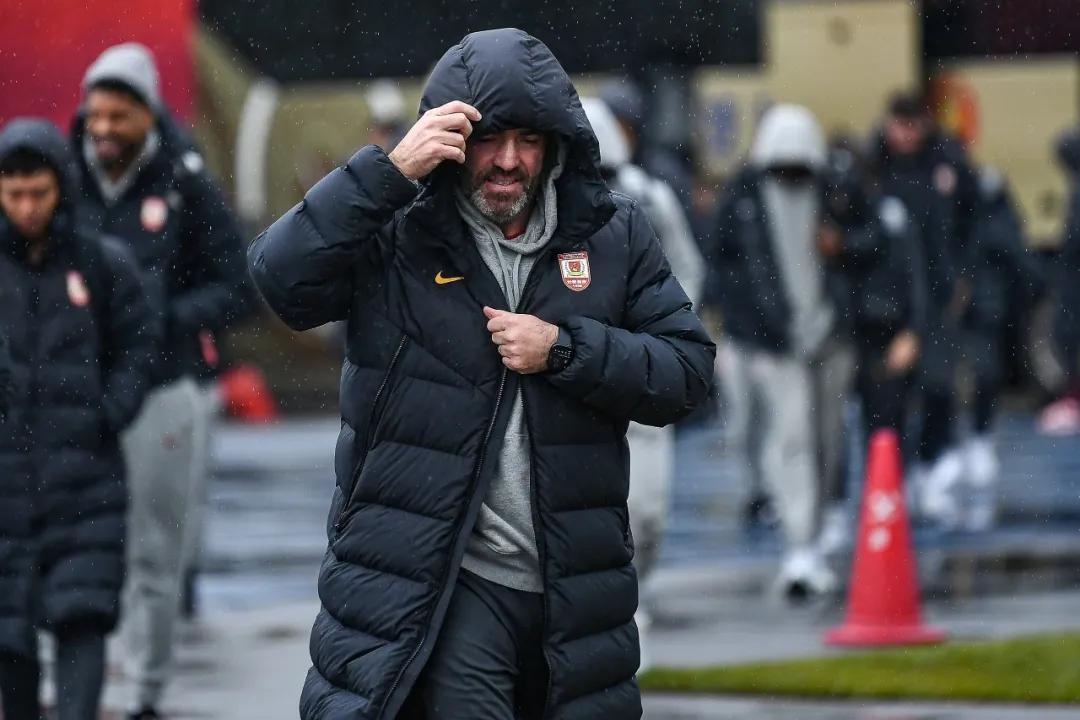
Attention is on who will take charge of relegated Chinese Super League teams Changchun Yatai and Meizhou Hakka. It is understood that over 20 players from Changchun Yatai will become free agents at the end of this year. The club has basically decided to rebuild with young domestic players next season, making the choice of a domestic coach to reduce financial pressure a wise one. Their next task is to negotiate the termination of Suárez’s contract, as China League One clubs cannot afford such high-profile arrangements. Hiring a young domestic coach is their necessary option.
Meizhou Hakka is currently occupied with meeting the new season’s entry requirements, so the head coach selection has been temporarily postponed. Nanjing City faces a similar situation, as it was not included in the first batch of clubs clearing debts for the Chinese Football Association’s 2026 professional league admission. Their head coach, Zhang Xiaofeng, has taken on the role of youth training director in Xinjiang Yili Prefecture, making a coaching change likely in the future.
It is reported that Yanbian Longding’s Korean head coach Lee Ki-hyung and Suzhou Dongwu’s Spanish coach Sarco have confirmed their stays; Nantong Zhiyun’s Kim Da-yi and Wuxi Wugou’s Kim Bong-gi, both Koreans, are also likely to continue unless unforeseen circumstances arise. Shaanxi United and the soon-to-be-relocated Shanghai Jiading Huilong, both led by foreign coaches at the end of the 2025 season, have yet to announce new head coaches.
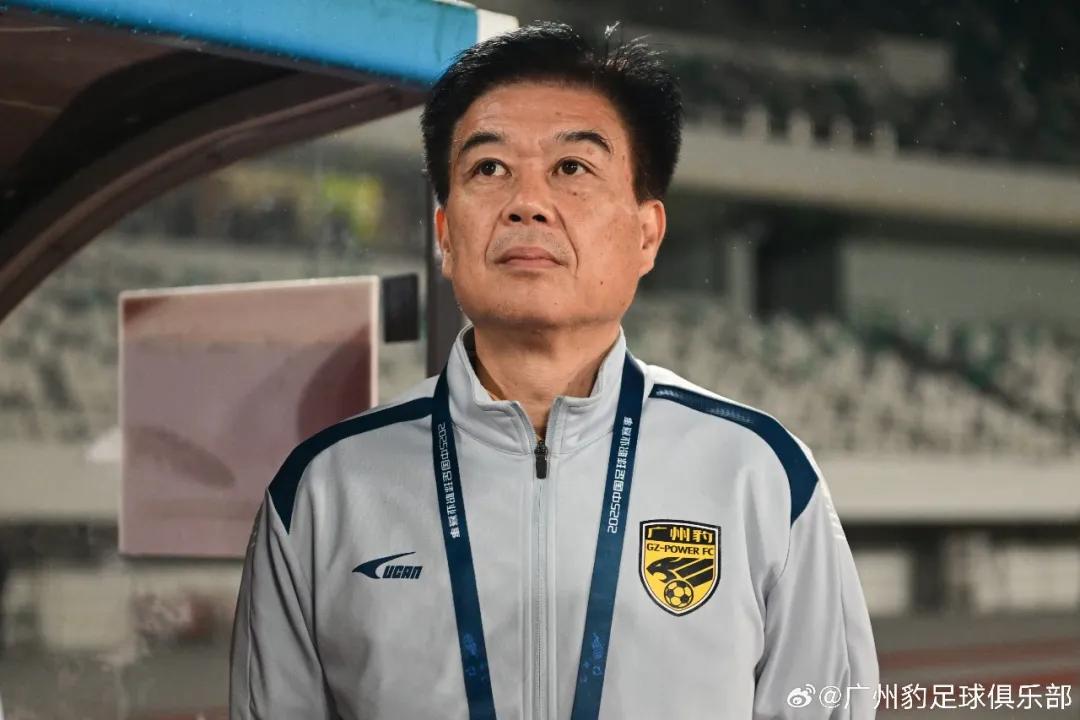
Among the four officially announced head coaches, 57-year-old Feng Feng is the eldest and most experienced. Taking over Guangzhou Leopards mid-season last year, Feng earned 30 points in 13 rounds as interim head coach, finishing the last 10 rounds with an impressive record of 8 wins and 2 draws. The team ended tied with runner-up Chongqing Tongliang Long at 60 points, nearly reaching the Chinese Super League. The club expects him to continue advancing toward their “set goals” in the new year. Should he lead the team to promotion, Feng, who has served as a Chinese Super League assistant and China League One head coach, will reach a new personal milestone.

In contrast to the seasoned Feng Feng, Zhang Yaokun and Mao Biao are debuting as head coaches in professional leagues. After retiring, both immediately engaged in youth training, working as AFC B-level instructors co-teaching coaching courses and taking on China League One head coach roles on the same day... Zhang Yaokun has never coached a professional team before; his last public appearance was last month when he led Liaoning to win the U18 men’s football gold medal at the National Games.
At 44, Zhang Yaokun serves as both general manager and head coach of Dalian Kunchen’s first team. He has many responsibilities and insists “every task that needs to be done must be done well.” Regarding his new role, he says it’s very different from the six years he focused solely on youth training, with many more tasks and decisions to handle. “Since I just took over the professional team, so far it’s going well.”
Zhang Yaokun began his career at Dalian Shide and retired at 37 after playing 458 professional league matches with Wuhan Yangtze. “Now as a professional coach, this is a rare opportunity, especially in my hometown. I hope to do well through my efforts.” He admits that winning the National Games gold medal was an important plus for his debut in China League One.
Almost every young coach aspires to a higher platform, and Zhang Yaokun is no exception. “I feel it’s the same as when I was a player: you start in the professional team, aim to become a regular starter, then hope to join the national team. Coaching is similar.” Objectively, China League One is not a low-level platform, but there are cases like Shao Jiayi who started from the Chinese Super League. “Maybe everyone’s opportunities differ, but having this chance and platform is rare.” He is currently unable to disclose the club’s agreed goals and says his personal future remains to be seen as he takes it step by step.
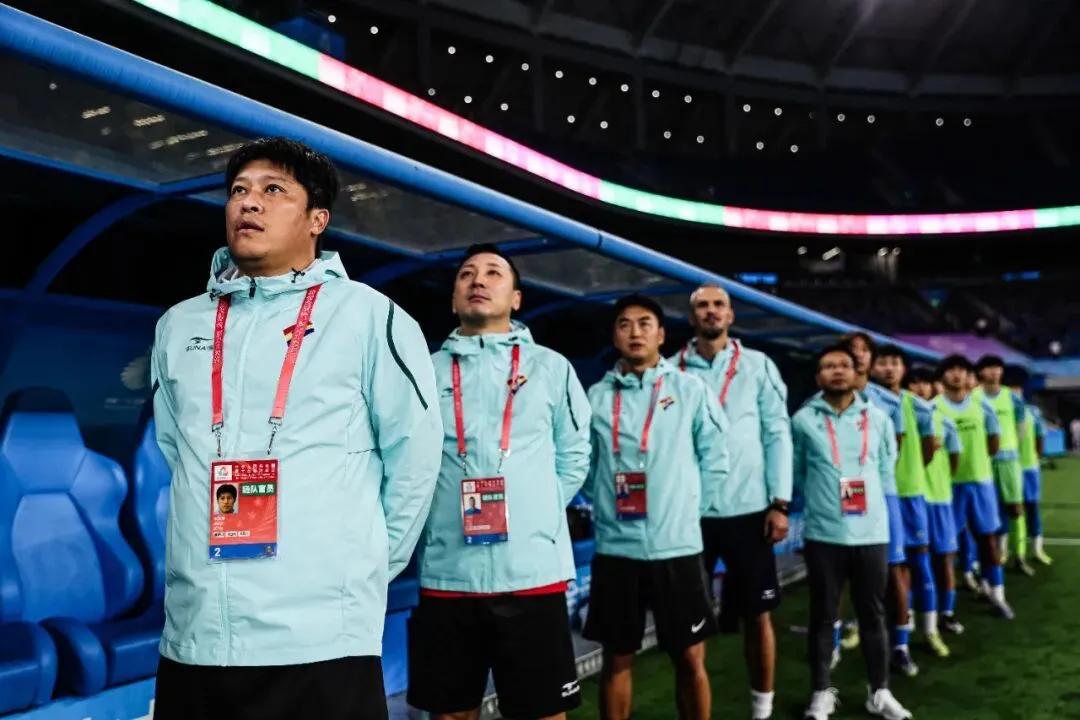
After his appointment was announced, many Dalian fans wondered, “Zhang Yaokun is capable, but can he handle everything?” The new Kunchen coach clearly stated his current priority is rebuilding the first team, with youth training to be addressed afterward. “To do both well will take time.” Coaching the first team is undoubtedly a challenge. “Every coach has a process from zero to one. I’m confident I can do this well; otherwise, I wouldn’t have taken over the club.”
At 39, Mao Biao is likely the youngest head coach in the new China League One season but has been “preparing and waiting for a long time.” Faced with another opportunity as an assistant coach in the Chinese Super League, he chose to be a head coach because leading a team independently offers greater growth and development. Other factors like salary are not part of his considerations.
Mao Biao’s chance to lead Dingnan Ganlian came after resigning from his coaching role in Tianjin Teda’s youth team and serving two years as assistant coach at Heilongjiang Ice City, the club’s predecessor. He knows most players well, and the club understands and trusts him more. Regarding strategic goals and tactics, Mao is reserved: “Honestly, I don’t have much to share yet.”
Support from fans in Dingnan and his hometown Tianjin weighs heavily on Mao Biao. He hopes to bring more victories and joy to Dingnan supporters, which is a very important expectation for the new season. He aims to perform better so that Tianjin fans, who have always regarded him as one of their own—whether as a former player or current coach—can feel his positive and progressive attitude.


On December 14, the same day Zhang Yaokun and Mao Biao were officially announced as head coaches, the China League Two champion Guangxi Hengchen gathered for training at their San’an Football Base in Nanning. Head coach Liu Junwei, who renewed his contract after leading Guangxi Hengchen to promotion, said the club is young and new to China League One, so early preparation is essential.
The 49-year-old Liu Junwei is no stranger to China League One. A former Jia A league player, after retiring he served as assistant and fitness coach before becoming a head coach four years later. He has experience achieving promotion from both League One and Two and has managed a Chinese Super League team. Over more than ten seasons across four league levels, he developed his tactical philosophy: balancing high pressing and possession, emphasizing teamwork while allowing individual expression.
Leading a newly promoted team back to China League One, Liu Junwei’s goal is to focus with his coaching staff on doing the current job well. “This is the target set by the club, and we just need to do our best to achieve it.” He said Guangxi Hengchen’s first-year goal in China League One is to establish a stable footing and steadily improve to achieve a higher ranking.
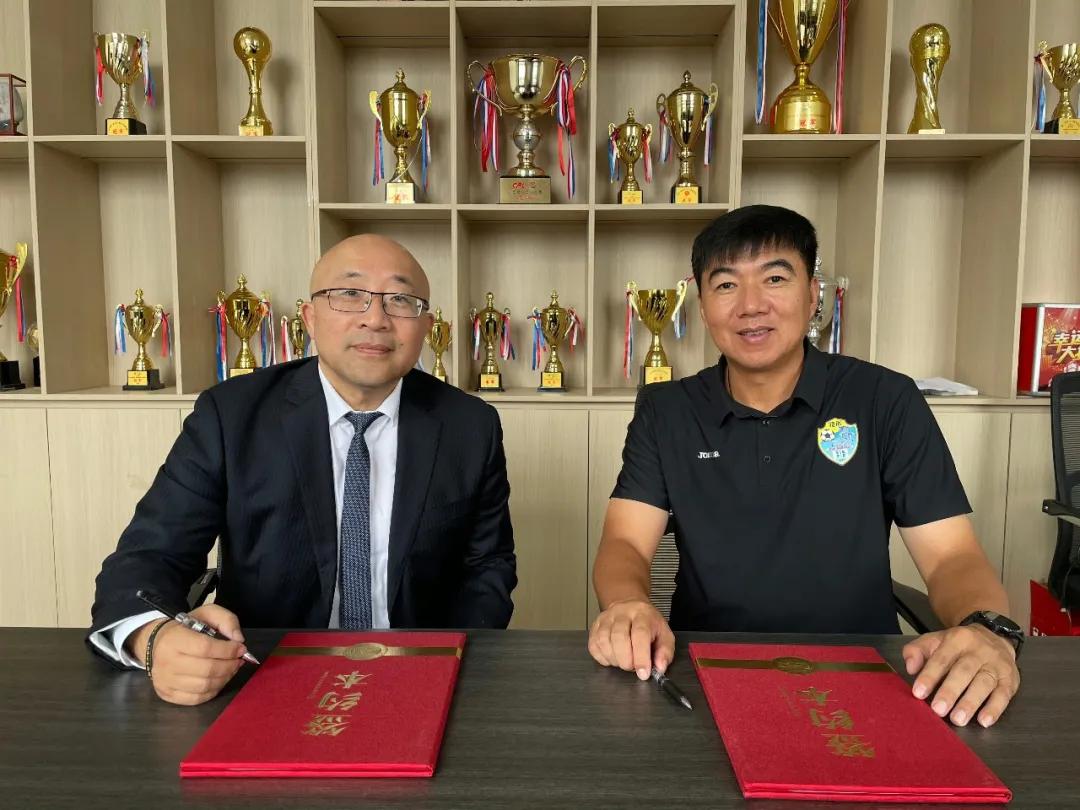
From what is known, about ten clubs may be aiming for promotion. Experienced Liu Junwei feels no extra pressure from this. “They can say whatever, but in the end, no one can predict the actual performance.” For him, focusing on the present is most important. According to the coaching staff’s plan, there will be a first-phase intensive training, a full six-week preparation period after the New Year, and a final preparation stage after the Spring Festival... “We know what to do at each stage and just need to complete the plan.”
According to club general manager Jia Leishi, Liu Junwei is a “capable, motivated, and thoughtful” head coach. For this reason, on October 27, the day after Guangxi Hengchen’s last China League Two match, the club promptly announced the renewal of Liu’s coaching team, making them the earliest to confirm their head coach for the new China League One season. The agreement was actually reached weeks before the public announcement.
The club’s trust in Liu Junwei’s coaching team is based on three aspects: first, their coaching and management skills fully meet the season’s goals, with excellent player selection and tactical execution; second, they align well with the investors’ and club’s intentions, communicate effectively with fans and media, and enhance the team’s competitiveness and influence; third, they fit the club’s long-term vision by promoting youth development and localization. “This requires time and patience, but the coaching staff has the ability.”
“Finalizing the renewal with Coach Liu early was our club’s best choice after long observation and careful consideration, based on mutual respect,” said Jia Leishi. “This is a mutually beneficial outcome.”


Wonderfulshortvideo
Kvaratskhelia and Ronaldo 🫶


🇪🇸 Spain 🆚 Argentina 🇦🇷
Arsenal goal today arsenal 2-1 chelsea arteta interview arteta press conference
When Diogo Costa saved EVERY penalty he faced in the shoot-out 🤯🤯🤯
The movement is electric ⚡️
Mbappe injury mbappe surgery real madrid 0-1 getafe mbappe return date mbappe edit
ronaldo almeria ronaldo buying new club ronaldo owner ronaldo manchester united owner
 Links
Links
 Contact
Address:UNIT 1804 SOUTH BANK TOWER, 55 UPPER GROUND,LONDON ENGLAND SE1 9E
Number:+85259695367
E-mali:[email protected]
 App
App


